

Persian lime (Citrus latifolia) is a small evergreen fruit tree of hybrid origin, originating as a cross between Key lime (Citrus aurantiifolia) and lemon (Citrus limon). It is widely grown for its juicy, seedless green fruits and glossy foliage.
You need to protect this tree from frost while ensuring it receives at least 6 hours of direct sun daily for heavy fruit production. Container growing works well in cooler regions where winters drop below -4 °C (25 °F).
Key Facts
- Light: Full sun, minimum 6 hours daily
- Water: Deeply when top 5 cm (2 inches) of soil dries
- Soil: Well-draining, slightly acidic loam
- Hardiness: USDA Zones 9 to 11
- Size: Reaches 4.5 m (15 ft) tall outdoors
What It Is Like to Grow a Persian Lime Tree
Growing Persian lime (Citrus latifolia) suits gardeners who want a reliable, nearly thornless citrus that produces heavy crops of acidic fruit. This tree fits well into backyard orchards or large containers on sunny patios. You get year-round green foliage and fragrant white flowers that precede the main autumn harvest. Keeping the root zone moist without waterlogging is the single most important routine to master.
- Choose a sheltered southern exposure if planting outdoors in USDA Zone 9.
- Use a 45-litre (10-gallon) or larger pot if growing on a patio.
- Expect flowers and fruit to appear within 2 to 3 years from a grafted nursery sapling.
Botanical Look and Identification
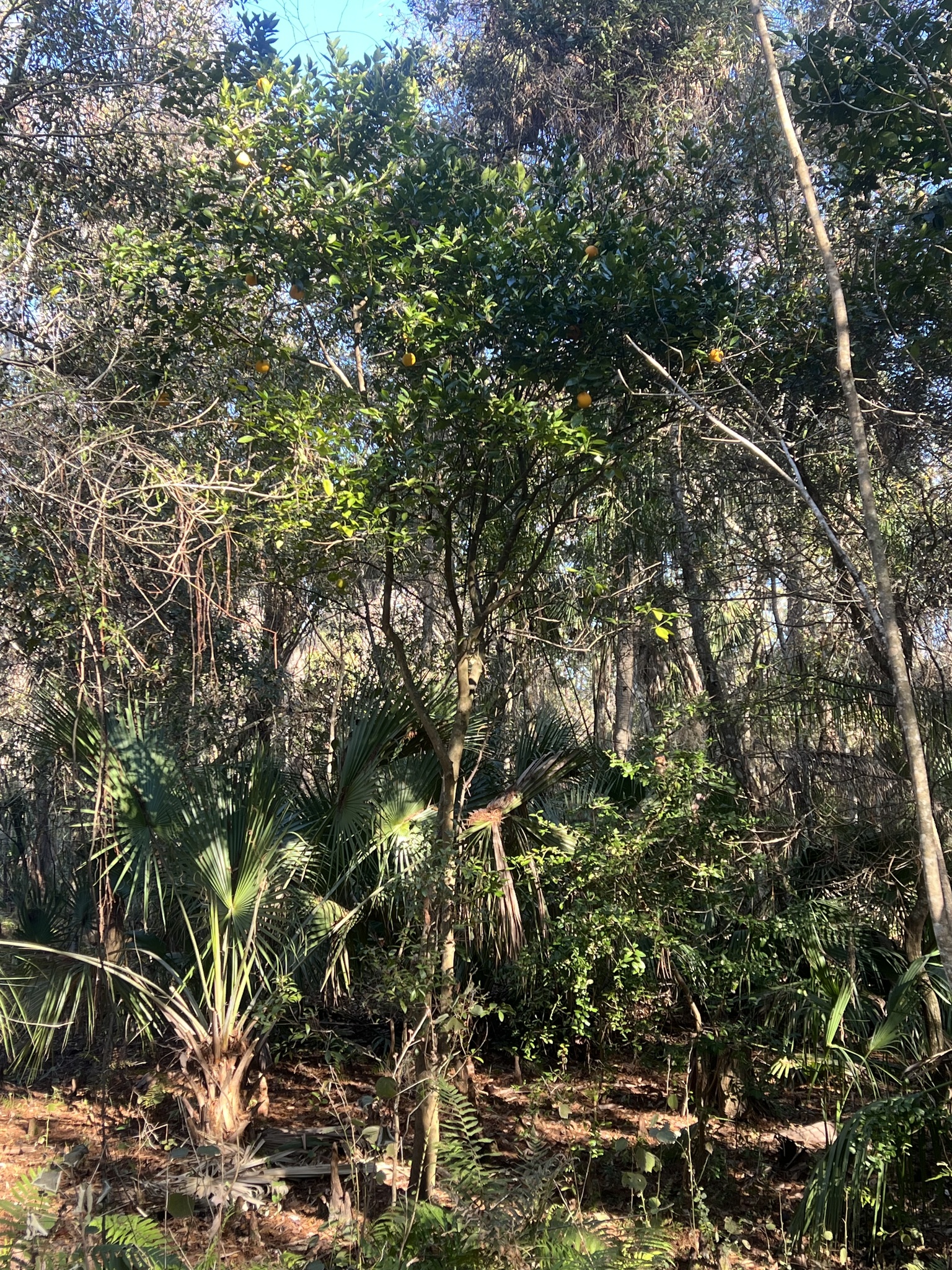
Persian lime is a rounded evergreen tree that typically matures to a height of 4.5 m (15 ft) with an equal spread in ground plantings. The alternate leaves are lanceolate, glossy dark green, and release a citrus scent when crushed. Flowers are small, white, and fragrant, measuring about 2.5 cm (1 inch) across, borne singly or in small clusters during spring. The fruits are oval, measuring 5 to 6 cm (2 to 2.5 inches) across, turning from dark green to pale yellow-green when fully ripe.
- Stems are mostly thornless, separating it from many spiky citrus species.
- Fruits contain pale green flesh divided into 10 segments with no viable seeds.
- Canopy density is high, providing dense shade underneath the branches.
Persian Lime Tree Size and Container Limits
An unpruned Persian lime tree reaches a mature height of 4.5 m (15 ft) outdoors in optimal tropical or subtropical soils. Potted specimens stay much smaller, usually capping out at 1.8 to 2.4 m (6 to 8 ft) due to root restriction. You can easily maintain a smaller stature through annual pruning in early spring.
- Allow at least 3 m (10 ft) of space between multiple trees in the garden.
- Container-grown trees require pot upgrades every 2 to 3 years.
- Root systems are relatively shallow, spreading up to 1.5 m (5 ft) wide.
Best Site and Growing Conditions
Persian lime thrives in full sun locations receiving at least 6 to 8 hours of direct sunlight daily. Plant it in well-draining soil with a pH between 6.0 and 7.0 to prevent nutrient deficiencies like iron chlorosis. Cold winds will drop blossoms and unripe green fruits, so a sheltered southern or western wall works best.
- Avoid heavy clay soils that retain standing water around the roots.
- Provide frost protection if temperatures dip below -4 °C (25 °F).
- Ensure adequate air circulation to prevent fungal leaf spot issues.
Planting a Persian Lime Tree
Plant your Persian lime in spring after the final frost risk has passed for your region. Dig a hole twice as wide as the root ball but keep the top of the root flare slightly above the surrounding soil line. Burying the trunk too deep will cause crown rot and kill the tree.
- Amend heavy garden soil with aged compost to improve drainage.
- Water the root ball thoroughly immediately after placing it in the hole.
- Apply a 7 cm (3 inch) layer of organic mulch around the base, keeping it away from the trunk.
Persian Lime Tree Care and Watering Schedule
Water your Persian lime deeply whenever the top 5 cm (2 inches) of soil feels dry to the touch. Outdoor ground trees need about 2.5 cm (1 inch) of water weekly from rainfall or irrigation during summer. Feed the tree monthly from March through August using a balanced citrus fertiliser containing micronutrients like iron and zinc.
- Reduce watering frequency slightly during the short, dark days of winter.
- Flush containers quarterly to prevent harmful salt buildup from fertilisers.
- Keep indoor winter humidity above 40 percent if growing the tree inside a home.
Pruning and Shape Maintenance
Prune your Persian lime in early spring just before the new flush of vegetative growth begins. Remove any dead, diseased, or crossing branches to open up the canopy to sunlight and air. Never remove more than 25 percent of the total leaf canopy in a single growing season.
- Clip off any rootstock sucker shoots emerging below the graft union.
- Trim long, unruly branch tips to maintain a balanced, rounded shape.
- Sanitise prunings tools with rubbing alcohol before cutting.
Common Persian Lime Problems and Troubleshooting
Yellowing leaves on a Persian lime usually indicate overwatering, poor drainage, or a nitrogen deficiency. Monitor the undersides of leaves regularly for sap-sucking pests like citrus rust mites, aphids, or scale insects. Dropping green fruits is often caused by sudden temperature shifts or irregular watering habits.
- Treat scale insects and aphids with horticultural neem oil spray.
- Improve soil drainage immediately if lower leaves turn yellow and drop off.
- Move indoor trees away from cold winter window drafts to stop leaf drop.
Winter Care and Cold Protection
Protect outdoor Persian lime trees from sudden freezes when temperatures drop below -4 °C (25 °F). Wrap the trunk and canopy with frost cloth or horticultural fleece during sub-zero overnight spells. Bring potted trees indoors to a bright, south-facing room before the first autumn frost arrives.
- Place indoor trees away from heating vents to prevent leaf drop.
- Provide supplemental grow lights if indoor daylight falls below 6 hours daily.
- Withhold high-nitrogen fertilisers completely during the dormant winter months.
Culinary Uses and Benefits
Persian lime fruits are prized globally for their acidic, bright juice and aromatic zest used in culinary dishes, beverages, and desserts. The fresh juice contains high levels of vitamin C and citric acid, making it a staple ingredient in marinades and dressings. Traditionally, citrus juices were used in small amounts as a general tonic, though modern culinary use is the primary benefit today.
- Substitute Persian lime juice 1:1 for Key lime juice in pie recipes.
- Use the green zest to flavor baked goods, cocktails, and seafood dishes.
- Store fresh fruits at room temperature for up to a week or refrigerate for a month.
Persian Lime Through the Seasons
| Spring | Prune away dead wood in early spring before new growth starts. Apply your first dose of granular citrus fertiliser as flower buds swell. |
|---|---|
| Summer | Water deeply once a week during dry spells to support developing green fruits. Monitor foliage for aphids and treat outbreaks with neem oil. |
| Autumn | Harvest mature green limes as they reach 5 cm (2 inches) across. Bring potted patio trees indoors before the first autumn frost warning. |
| Winter | Water indoor container trees sparingly when the soil dries out completely. Keep plants away from cold drafts and dry radiator heat sources. |
Persian Lime Tree Problems Explained
| What you see | Likely cause | What to do |
|---|---|---|
| Yellow lower leaves | Overwatering or poor drainage | Allow the soil to dry deeper between watering sessions and check pot drainage holes. |
| Leaf drop in winter | Sudden temperature change or low light | Move the container away from cold window glass and add a full-spectrum grow light. |
| Sticky residue on leaves | Aphids or scale insects | Spray all leaf surfaces thoroughly with horticultural neem oil. |
| Green fruit falling off | Irregular watering schedule | Maintain a consistent watering routine so the soil never cycles between extreme wet and dry. |
Popular Persian Lime Cultivars
- Bearss – most cold-hardy and vigorous commercial selection
- Tahiti – standard seedless grocery store lime cultivar
- Melrose – heritage selection with slightly sweeter peel aroma
Frequently Asked Questions
What is the difference between a Persian lime and a Key lime?
Persian lime (Citrus latifolia) fruits are larger, seedless, and have a thicker skin than Key lime (Citrus aurantiifolia). Key limes are smaller, rounder, seeded, and possess a more pungent, floral tartness.
Can you grow a Persian lime tree indoors?
Yes, you can grow a Persian lime tree indoors if you place it directly in front of a south-facing window. It requires at least 6 hours of bright sunlight daily and protection from cold drafts.
How long does it take for a Persian lime tree to fruit?
A grafted Persian lime tree typically starts bearing fruit within 2 to 3 years after planting. Trees grown from seeds take much longer and may not produce true-to-type fruit.
Are Persian lime trees self-pollinating?
Yes, Persian lime trees are self-pollinating and do not require a second tree to set fruit. Bees and indoor wind movement easily assist with pollination of the fragrant white flowers.
What is the ideal growing zone for a Persian lime tree?
Persian lime trees grow best outdoors in USDA Hardiness Zones 9 through 11. In colder climates, they must be grown in containers and moved indoors during winter.
Information about traditional or historical uses is provided for educational interest only and is not medical advice. Do not use any plant to treat a condition without speaking to a qualified professional.
Sources & Verification
Taxonomy and distribution are checked against the databases below. Care guidance is written for cultivated species only and reviewed by our editor. How We Build Plant Profiles →
More in Citrus

Kumquat
Citrus japonica
☀️ Full Sun 💧 Moderate
Mandarin Orange
Citrus reticulata
☀️ Full Sun 💧 Moderate
Key Lime
Citrus aurantiifolia
☀️ Full Sun 💧 Moderate
Bitter Orange
Citrus aurantium
☀️ Full Sun 💧 Moderate

Pomelo
Citrus maxima
☀️ Full Sun 💧 Moderate
Sweet Lime
Citrus limetta
☀️ Full Sun 💧 Moderate