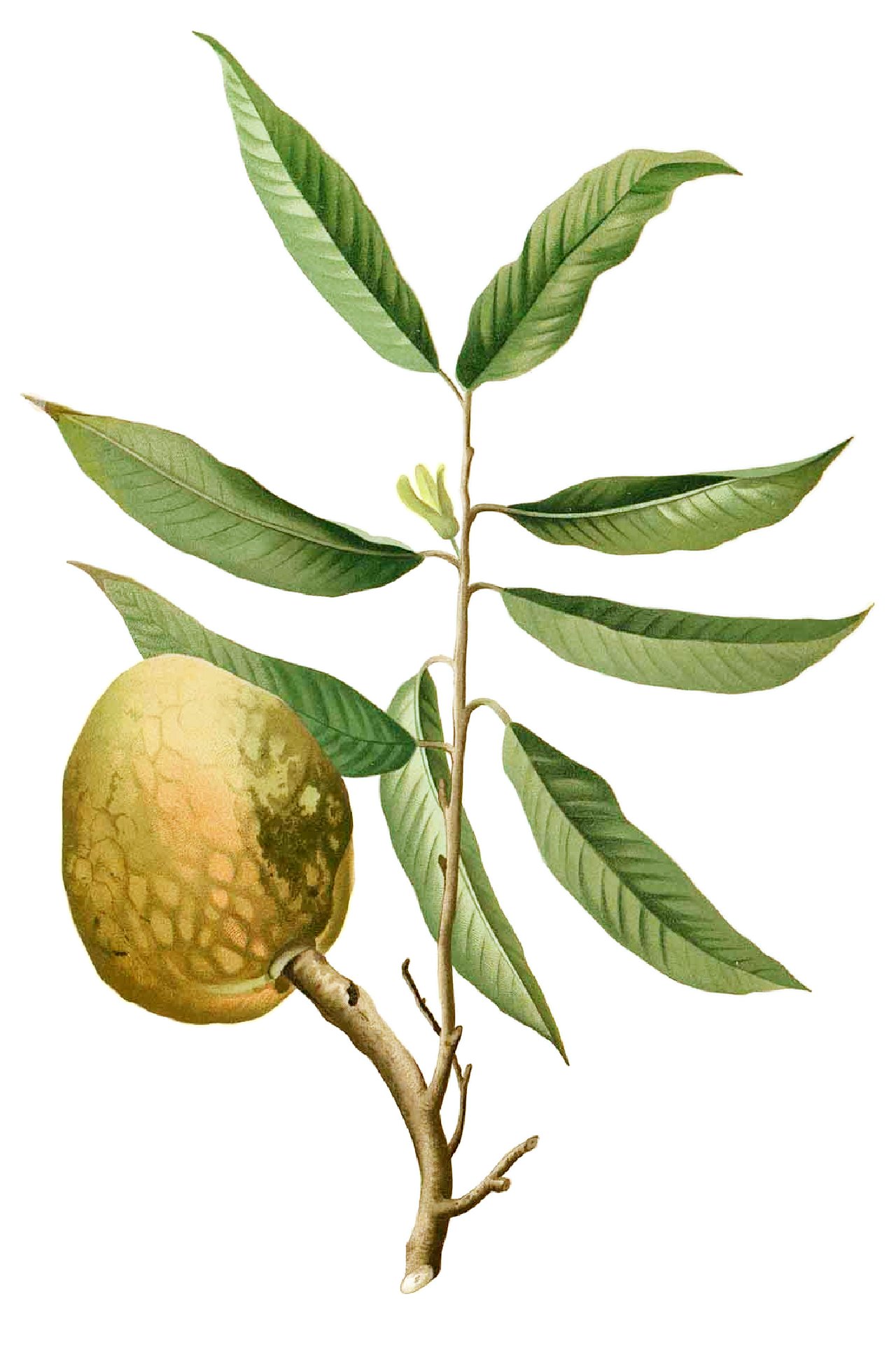
Soursop is a small tropical evergreen tree native to the tropical Americas, classified as Annona muricata and recognised by its large, prickly dark green fruit filled with fibrous white pulp.
Mature trees succumb quickly to freezing temperatures, shedding all foliage when exposed to temperatures below 3 °C (37 °F). You need an frost-free climate or a large heated greenhouse to keep this species alive and fruiting.
Key Facts
- Light: Full sun (minimum 6 hours daily)
- Water: Deep soaking when the top 5 cm (2 in) dries
- Cold limit: Damaged below 3 °C (37 °F)
- Soil: Loose, sandy loam with pH 5.5 to 6.5
- Fruit harvest: 3 to 5 days after rind softens slightly
- Seed toxicity: Seeds contain toxic annonacins; never consume
Is Soursop Right for Your Garden?
Soursop suits growers in USDA zones 10b through 12 who can provide year-round warmth, shelter from wind, and well-drained ground.
The tree reaches fruiting maturity in three to five years from seed, yielding up to two dozen heavy fruits per year in humid tropical lowlands. It struggles in arid environments and dry indoor heating, dropping its flower buds when ambient humidity falls below 60 percent.
Before planting, consider space and safety: the fallen fruit weighs 1 to 4 kg (2.2 to 8.8 lb), and the dense glossy foliage produces a pungent scent when crushed.
How to Identify Soursop Trees and Fruit
Soursop is characterised by large ovoid green fruit covered in soft, curved spines and glossy, alternate obovate leaves measuring 8 to 16 cm (3 to 6.3 in) in length.
The flowers emerge singly or in pairs on woody branches or directly from the trunk (cauliflory). Each flower has three thick, fleshy outer petals that are pale green to yellow, enclosing three smaller inner petals.
- Leaves: Dark green, leathery, smooth above, paler beneath, emitting an acrid aroma when crushed
- Flowers: Triangular buds, 3 to 5 cm (1.2 to 2 in) across, blooming intermittently through warm months
- Fruit: Dark green skin studded with fleshy spines, containing fibrous, juicy white pulp and 50 to 100 dark brown seeds
- Bark: Smooth and greyish brown when young, becoming shallowly fissured with age
Soursop Tree Size and Growth Rate
A healthy soursop tree grows rapidly to a mature height of 4 to 9 m (13 to 30 ft) with an upright to low-branching canopy spread of 3 to 6 m (10 to 20 ft).
Seedlings can put on 1 to 1.5 m (3.3 to 5 ft) of growth in their first twelve months under optimal warmth. Container-grown specimens stay significantly smaller, rarely exceeding 2 to 3 m (6.5 to 10 ft) in height when root space is restricted in a 75 L (20 gal) drum.
Where to Plant a Soursop Tree
Position soursop in full sun with protection from sustained winds, as the soft wood and shallow root system make branches vulnerable to breakage.
The tree tolerates poor soils but demands swift drainage. Soursop roots rot quickly in standing water, making heavy clay beds fatal unless you build raised mounds 30 to 45 cm (12 to 18 in) above the surrounding grade.
- Sun exposure: 6 to 8 hours of unfiltered sunlight per day
- Soil texture: Porous sandy loam enriched with aged compost
- Spacing: At least 4.5 m (15 ft) away from buildings and neighbouring trees like avocado (Persea americana)
- Wind shelter: A spot shielded by a fence or windbreak of banana (Musa acuminata) prevents limb snapping
How to Plant Soursop Seedlings and Trees
Plant container-grown soursop seedlings during the onset of the warm rainy season when soil temperatures remain above 21 °C (70 °F).
Dig a hole twice as wide as the nursery container but exactly the same depth as the root ball to prevent the crown from sinking. Soursop stems develop collar rot if buried deeper than the original nursery soil line.
- Root inspection: Untangle circling roots gently; the taproot is brittle and snaps under heavy handling
- Backfill: Use native soil mixed with 20 percent coarse sand or pumice; avoid uncomposted manure
- Mulch: Spread a 7 to 10 cm (3 to 4 in) layer of wood chips around the drip line, keeping 10 cm (4 in) clear of the trunk
- Establishment water: Apply 15 L (4 gal) of water immediately after planting to eliminate soil air pockets
Soursop Tree Care: Watering and Feeding
Water deeply once per week during dry spells, keeping the root zone consistently moist but never waterlogged.
In tropical climates with regular rainfall, mature trees require supplemental irrigation only when dry weather extends beyond two weeks. Container-grown indoor specimens require thorough soaking whenever the top 5 cm (2 in) of potting mix feels dry to the touch.
Apply a balanced granular fertilizer such as 10-10-10 with added magnesium and iron three times a year during active growth. Young trees under two years benefit from 100 g (3.5 oz) per application, scaled up gradually to 1 kg (2.2 lb) per tree annually by year five.
Pruning Soursop for Fruit Production
Prune your soursop tree in late winter or early spring before the flush of new growth to maintain a central leader and remove crossing branches.
Keep the tree topped at 2.5 to 3.5 m (8 to 11 ft) if hand-pollination and manual harvesting are desired. Remove water sprouts and suckers arising from below the main scaffold branches, as these sap energy without setting fruit.
- Sanitise tools: Wipe bypass pruners with 70 percent isopropyl alcohol between cuts to halt fungal spread
- Air circulation: Thin out the interior canopy to reduce humidity pockets that encourage scale insects
- Spent wood: Cut back dead fruit spurs to clean wood to make room for new lateral shoots
Common Soursop Pests, Diseases, and Leaf Problems
The most destructive pest is the soursop wasp (Bephratelloides cubensis), whose larvae feed inside the developing seeds and cause fruit to turn mummified and black.
Mealybugs and soft scale also colonise the crevices of the prickly skin and undersides of leaves, attracting sooty mould fungus. Anthracnose caused by Colletotrichum gloeosporioides manifests as dark, sunken lesions on young leaves and blossoms, particularly during wet, overcast spells.
- Fruit bagging: Cover fruits with micro-perforated polyethylene bags when they reach 5 cm (2 in) to stop wasps
- Horticultural oil: Spray dormant-season oil to smother scale colonies and mealybugs on trunk crotches
- Copper fungicide: Apply preventive copper sprays at flower bud swell if anthracnose routinely ruins blooms
- Yellowing leaves: Check for overwatering or sudden temperature dips below 15 °C (59 °F)
Winter Protection and Cold Sensitivity
Soursop has zero frost tolerance and drops its leaves at 3 to 5 °C (37 to 41 °F), with wood death occurring if temperatures stay below 0 °C (32 °F) for more than two hours.
In marginal zones like central Florida or southern Spain, wrap the lower trunk in insulating foam and drape frost cloth over younger canopies before cold fronts arrive. Potted soursop trees grown in non-tropical zones must move indoors to a sunroom or heated conservatory kept at or above 18 °C (65 °F) well before nighttime temperatures dip to 10 °C (50 °F).
Soursop Fruit Harvest and Traditional Uses
Harvest soursop when the skin shifts from dark green to light yellowish-green and the firm spines soften slightly.
Clip the stem with shears rather than pulling, leaving 2 cm (0.8 in) of peduncle attached. The fruit ripens at room temperature within three to five days, softening to the touch; the flesh is eaten fresh with a spoon or pressed for nectar, smoothies, and ice creams.
Communities in the Caribbean and South America have traditionally brewed teas from dried soursop leaves and taken herbal soursop bitters for digestive complaints and relaxation. In gardens, soursop is often grown alongside cherimoya (Annona cherimola) and sugar apple (Annona squamosa) to extend the fruit season.
Year-Round Soursop Tree Care
| Spring | Prune out dead wood, crossing branches, and water shoots before bud break. Apply a balanced 10-10-10 granular fertiliser at 250 g per tree around the drip line and resume deep weekly waterings as temperatures rise. |
|---|---|
| Summer | Bag developing fruit clusters when they reach golf-ball size to exclude seed borer wasps. Maintain a 7 cm (3 in) organic mulch ring and provide 30 to 40 mm (1.2 to 1.6 in) of water weekly if rainfall ceases. |
| Autumn | Harvest mature fruits as their skin changes to pale green. Gradually reduce nitrogen fertilization to allow tender branch shoots to harden before cooler weather sets in. |
| Winter | Protect outdoor trunks with thermal wraps if temperatures threaten to fall below 5 °C (41 °F). Move potted trees indoors under high-output grow lights and keep soil on the drier side until spring. |
Troubleshooting Soursop Tree Problems
| What you see | Likely cause | What to do |
|---|---|---|
| Black, hardened fruit that drops prematurely | Soursop wasp infestation or anthracnose fungal infection | Bag developing fruit when 5 cm (2 in) long and spray copper fungicide at the start of flowering. |
| Widespread leaf drop during cool weather | Chilling stress below 10 °C (50 °F) | Move potted trees to a heated room and reduce irrigation until ambient warmth returns. |
| White cottony fluff in leaf axils and fruit crevices | Mealybugs | Drench colonies with an insecticidal soap or neem oil spray every seven days. |
| Flowers dry up and drop without setting fruit | Low humidity or lack of natural beetle pollinators | Mist surrounding foliage daily and hand-pollinate blooms with a fine paintbrush in early morning. |
Soursop Varieties and Cultivars
- Sweet Soursop – lower acidity pulp, bred for fresh eating
- Morada – large fruit with purple-tinged skin and high pulp yield
- Guanabana Dulce – Spanish selection with mild, low-acid flavour
- Fibreglass – fibre-reduced commercial clone grown in South America
Frequently Asked Questions
What are the health benefits of soursop fruit?
Soursop fruit provides high levels of vitamin C, dietary fibre, and potassium with modest caloric density. While laboratory studies examine its phytochemicals, clinical evidence does not support using soursop to treat or cure any human diseases.
Can I grow a soursop tree indoors?
Yes, soursop can be grown indoors in a large 50 to 75 L (13 to 20 gal) pot placed directly in front of an unobstructed south-facing window or under full-spectrum grow lights. However, indoor trees rarely set fruit without artificial hand-pollination and sustained humidity above 60 percent.
Are soursop leaves and seeds safe to consume?
Soursop seeds are toxic and must never be eaten, as they contain high concentrations of annonacin, a neurotoxin associated with nerve damage. While soursop leaves have been traditionally brewed into teas, frequent long-term consumption is discouraged due to cumulative neurotoxic alkaloid exposure.
What are soursop bitters used for?
Soursop bitters are commercial liquid herbal extracts traditionally used in Caribbean folk practices for digestion, skin cleansing, and general vitality. They combine extracts of soursop leaves and bark with other bitter herbs, though medical guidelines advise caution due to neurotoxic compounds in the plant's woody tissue.
How long does it take for a soursop tree to bear fruit?
A seedling soursop tree usually bears its first fruit within three to five years after germination. Grafted or air-layered specimens can begin flowering and producing fruit in as little as two to three years when grown in warm tropical conditions.
Information about traditional or historical uses is provided for educational interest only and is not medical advice. Do not use any plant to treat a condition without speaking to a qualified professional.
Sources & Verification
Taxonomy and distribution are checked against the databases below. Care guidance is written for cultivated species only and reviewed by our editor. How We Build Plant Profiles →