
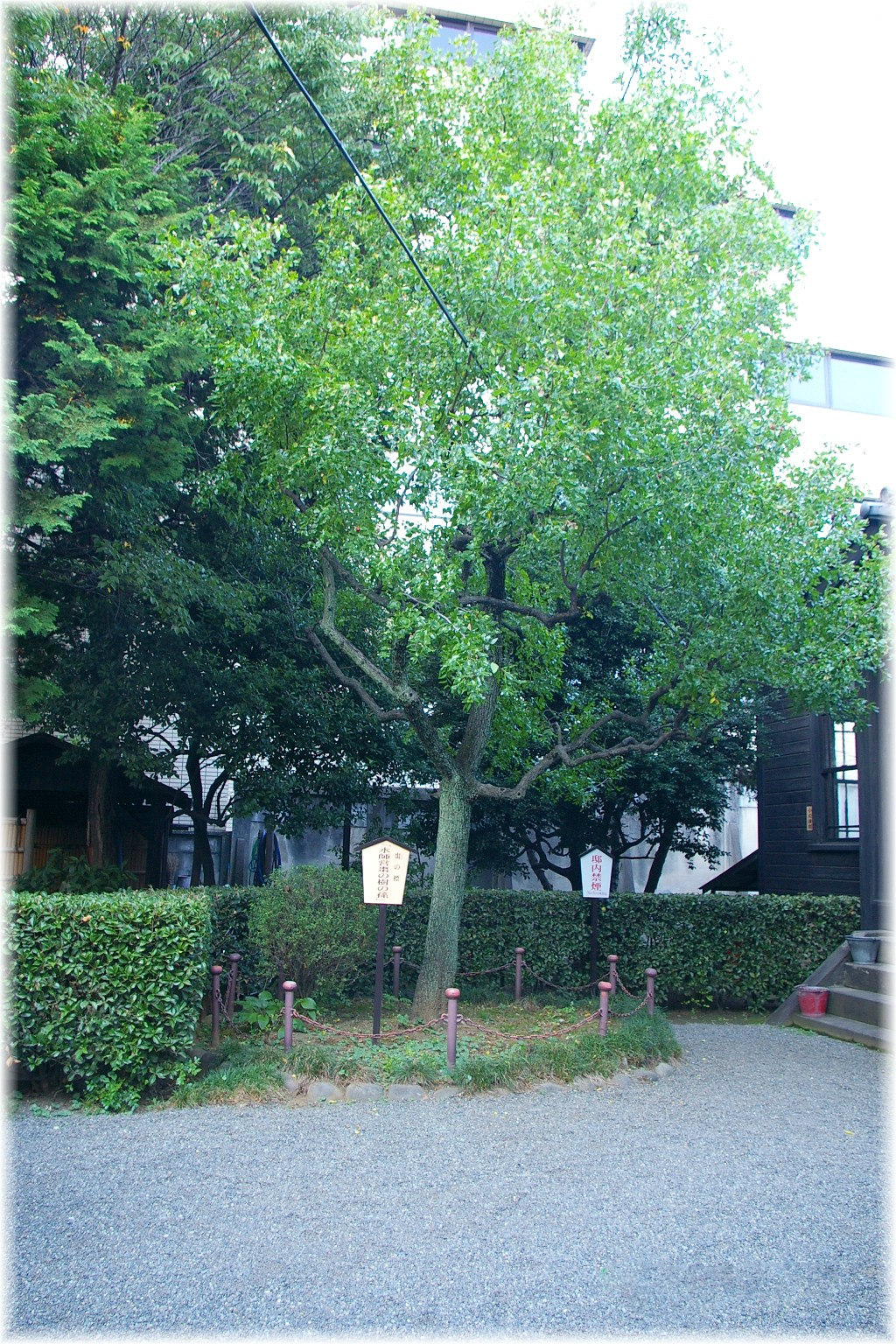
Jujube (Ziziphus jujuba) is a deciduous fruit tree native to northern China, recognized by its glossy zigzagging branchlets and sweet, crisp drupes. The fruit ripens from green to mahogany brown in late autumn, drying into wrinkled red dates on the branch.
Unlike stone fruit trees that break dormancy early, jujube leafs out late in May, escaping late spring frosts that destroy peach and apricot crops. It withstands drought, summer heat exceeding 40 °C (104 °F), and winter lows down to -30 °C (-22 °F).
Key Facts
- Light: Full sun, minimum 8 hours daily
- Hardiness: USDA zones 6 through 11
- Mature Size: 6–9 m (20–30 ft) tall, 4.5–6 m (15–20 ft) wide
- Water: Low once established; deep monthly watering during fruit swell
- Soil: Well-drained sandy loam, rocky, or clay; pH 6.0–8.5
- Fruit Harvest: September to October
Is a Jujube Tree Right for Your Garden?
A jujube tree suits hot, sunny microclimates where thin, alkaline soils defeat standard stone fruits. It produces heavy annual yields without routine spraying because common orchard pests leave the thick foliage alone.
You must accommodate its defensive traits and growth habit before planting:
- Sharp nodal thorns on young branches make harvesting gloves essential.
- Root suckers emerge vigorously around the base and require yearly severance.
- Self-fertility varies by cultivar; ‘Li’ fruits alone, but ‘Lang’ requires a cross-pollinator.
- Trees produce little fruit under overcast skies or in regions lacking hot summers.
Identifying Jujube Leaves, Thorns, and Fruit
Jujube foliage features distinct, alternate, oval-lanceolate leaves measuring 2.5–5 cm (1–2 in) long with three prominent parallel veins running from base to tip. The upper surface is dark green and glossy, while the margins show fine serrations.
Branches follow an alternating, zigzag habit. Each node bears a pair of stipular spines: one straight and up to 3 cm (1.2 in) long, the other short and hooked downward.
Small, five-petaled, yellowish-green flowers appear in leaf axils from June to July, releasing a faint honey scent. The resulting drupes measure 2–5 cm (0.8–2 in) across, maturing from green to mottled yellow-brown, and finally to deep wrinkled mahogany containing a single hard, pointed stone.
How Big Does a Jujube Tree Grow?
A mature jujube tree reaches an average height of 6–9 m (20–30 ft) with an irregular canopy spreading 4.5–6 m (15–20 ft) wide. In dry, shallow soils, it often forms a multistemmed large shrub staying under 4.5 m (15 ft).
Seedling trees grow up to 60 cm (24 in) per season, but grafted cultivars like ‘Honey Jar’ settle into an annual expansion of 30–45 cm (12–18 in). The root system penetrates deeply, sending taproots down past 3 m (10 ft) into subsoil strata to anchor the canopy against wind.
Choosing the Best Planting Site
Position your jujube tree in an open spot that receives at least 8 hours of unfiltered direct sunlight daily. Fruit sugar development stalls in partial shade, leading to sour or aborted fruit.
Evaluate the ground conditions carefully:
- Choose high ground or a slope to prevent standing surface water around the root flare.
- Avoid areas within 4 m (13 ft) of delicate patios where root suckers could surface.
- Locate downwind from frost pockets; while wood resists deep freezes, heat drives bloom set.
- Soil texture can range from coarse sand to heavy clay, provided water drains away within hours.
How to Plant a Jujube Tree
Plant dormant bare-root jujube stock in late winter or early spring before buds swell, or plant potted specimens in mid-autumn. Dig a planting hole twice the width of the root system but match the depth exactly to the container or root collar.
Set the tree upright, keeping the graft union at least 7.5 cm (3 in) above soil grade to prevent the scion from rooting. Backfill with native soil without adding compost or manure, which encourages localized circling roots. Construct a shallow circular soil berm 60 cm (24 in) in diameter around the trunk to retain 20 L (5 gal) of irrigation immediately following backfilling.
Watering and Feeding Jujube Trees
Apply water every 7 to 10 days during the first two growing seasons, then taper to a single deep soak every 3 to 4 weeks during summer fruit formation. Established mature trees survive on natural rainfall alone in zones receiving 400 mm (16 in) or more of annual precipitation.
Fertilizer requirements are modest:
- Apply 250 g (0.5 lb) of 10-10-10 balanced fertilizer per inch of trunk diameter in late spring.
- Omit nitrogen fertilizers if annual vegetative shoot growth exceeds 45 cm (18 in).
- Avoid fertilizing after July to prevent tender autumn flushes vulnerable to early freezes.
- A 5 cm (2 in) layer of wood chips around the drip line conserves soil moisture without raising humidity.
Pruning and Managing Suckers
Prune jujube trees in late winter while dormant to remove dead wood, cross branches, and competing upright leaders. Unlike apples, jujubes produce fruit on short, spur-like deciduous branches that arise from secondary shoots.
Pruning tasks break down into clear operations:
- Thin the center of the canopy to let sunlight penetrate directly to internal fruiting spurs.
- Cut root suckers flush at the primary root connection, rather than slicing them at soil level.
- Shorten vigorous water shoots by half to encourage secondary fruiting branches.
- Head back leaders to maintain harvest height between 3.5 and 4.5 m (11.5 and 15 ft).
Common Jujube Pests and Leaf Problems
Healthy jujube trees resist most orchard pathogens, but spider mites and root rot cause occasional damage in unsuitable conditions. Poor drainage remains the primary fatal threat across heavy agricultural soils.
Monitor for these specific problems:
- Stippled yellow leaves: Twospotted spider mites (Tetranychus urticae) during dusty, dry summer spells; knock them down with strong water sprays.
- Wilted foliage and dark trunk base: Phytophthora root rot caused by saturated, waterlogged soil.
- Premature fruit drop: Inadequate soil moisture during the July fruit swell, or low light from heavy cloud cover.
- Damaged, holed fruit: Stink bugs feeding on sugar-rich skin just before the autumn harvest.
Jujube Winter Care and Cold Hardiness
Dormant jujube trees tolerate sub-zero conditions down to -30 °C (-22 °F) without wood injury once established. They require modest chilling hours—typically between 200 and 400 hours below 7 °C (45 °F)—to break dormancy consistently in spring.
For young trees during their first two winters, insulate the lower 45 cm (18 in) of the trunk with tree wrap or a loose mound of soil to shield the tender graft union from severe freeze-thaw cycles. Cease all irrigation by mid-autumn so the tree stops active wood growth and hardens its outer bark before the initial hard frost.
Culinary Uses and How to Make Jujube Tea
Eat fresh jujube fruit when the skin shows mottled brown patches for a texture and flavour resembling a crisp, sweet apple. If left to turn entirely mahogany and wrinkle on the tree, the flesh sweetens further, developing a chewy, date-like consistency.
Dried jujubes form the foundation of traditional Korean daechu-cha and Chinese herbal decoctions. To brew jujube tea:
- Slice 10 to 12 dried jujubes lengthwise to expose the seed cavity.
- Simmer them with 1 L (4 cups) of water and 15 g (0.5 oz) of sliced fresh ginger (Zingiber officinale) for 45 minutes over low heat.
- Strain the concentrated liquid and stir in 15 ml (1 tbsp) of raw honey before serving.
Frequently Asked Questions
How do you eat fresh jujube fruit?
Rinse the fruit and eat it whole, skin and all, chewing around the small central pointed stone. Pick it when it shows yellow-green skin with reddish-brown patches for maximum crispness.
What is the difference between Chinese jujube and Indian jujube?
Chinese jujube (Ziziphus jujuba) is a cold-hardy deciduous tree surviving -30 °C (-22 °F), whereas Indian jujube (Ziziphus mauritiana) is an evergreen tropical tree damaged below freezing. Indian jujube leaves also have a dense white or grey hairy underside, whereas Chinese jujube leaves are hairless beneath.
Do you need two jujube trees to get fruit?
Some cultivars like 'Li' and 'Sherwood' are reliably self-fertile and fruit heavily alone. Cultivars like 'Lang' produce sparse crops without a partner, so planting two distinct cultivars improves yield across all varieties.
Why are my jujube tree flowers dropping without setting fruit?
High humidity, prolonged rainfall during June bloom, or insufficient direct sunlight causes poor pollination and blossom abortion. Temperatures consistently above 24 °C (75 °F) during flowering provide the best fruit set.
How long does a jujube tree take to produce fruit?
Grafted jujube trees often produce a few fruits in their first or second year after planting. By the third to fourth year, they produce substantial harvests of 10–20 kg (22–44 lb) per tree.
Information about traditional or historical uses is provided for educational interest only and is not medical advice. Do not use any plant to treat a condition without speaking to a qualified professional.
Sources & Verification
Taxonomy and distribution are checked against the databases below. Care guidance is written for cultivated species only and reviewed by our editor. How We Build Plant Profiles →
- Kew Plants of the World OnlineTaxonomic status and native distribution data
- NC State ExtensionMorphology, landscape use, and cultural tolerances
- Missouri Botanical GardenHardiness, flowering traits, and growth habit
- GBIF — Global Biodiversity Information Facilitytaxonomy, synonyms, occurrence records
- Wikipediageneral reference
