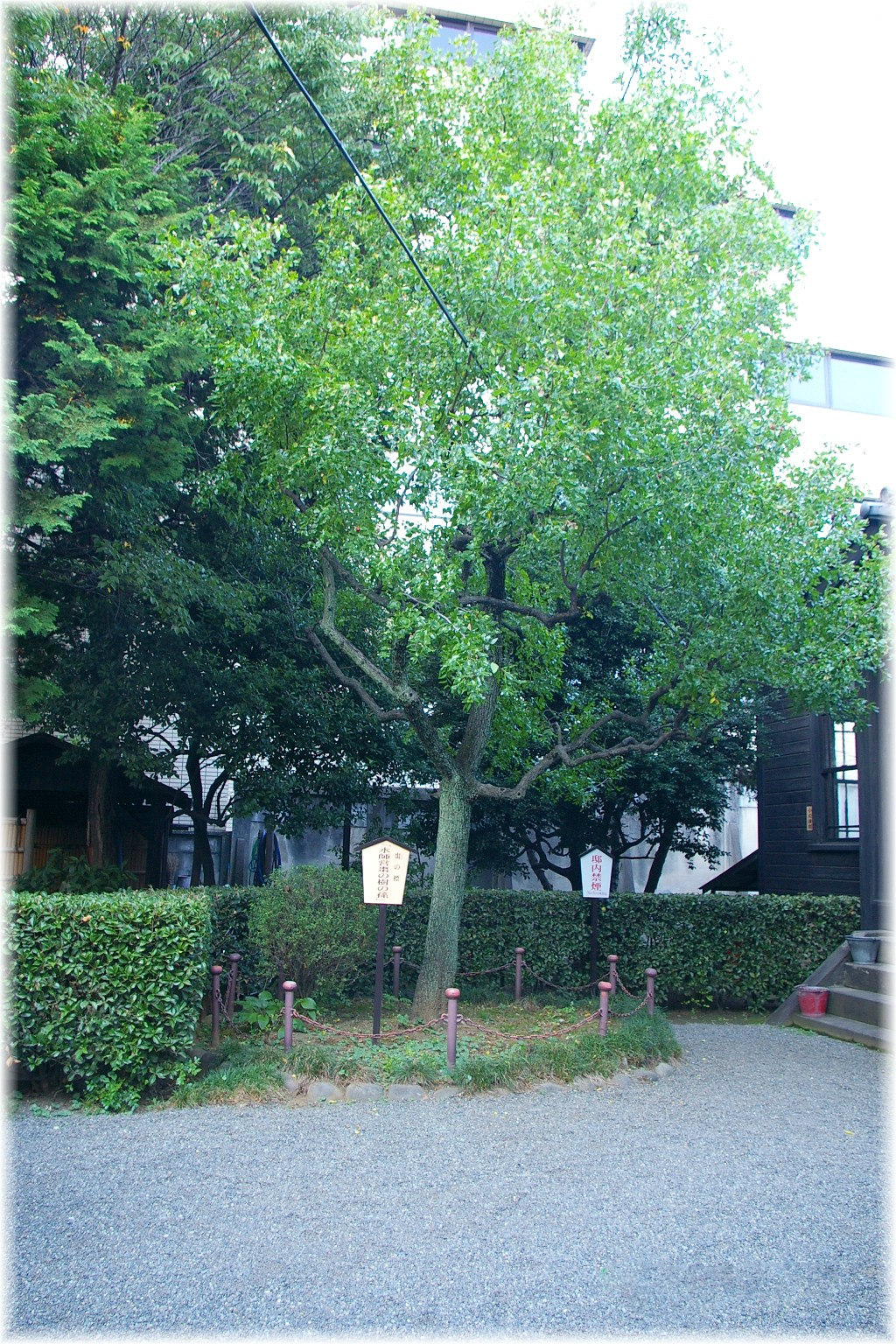
Indian jujube (Ziziphus mauritiana) is a spiny, fast-growing tropical tree native to South Asia and eastern Africa, known for producing prolific crops of crisp, edible drupes. Its distinct foliage features dark green upper surfaces paired with dense, pale woolly undersides.
Unlike its cold-hardy temperate relative Chinese jujube (Ziziphus jujuba), this species thrives in high heat and dies back when temperatures drop below freezing for prolonged periods. Expect sharp nodal thorns and an aggressive branching habit that requires deliberate canopy training.
Key Facts
- Light: Full sun, minimum 8 hours daily
- Water: Low; drought-tolerant once established
- Hardiness: USDA Zones 9b to 11
- Mature Size: 4–12 m (13–40 ft) tall
- Fruiting Age: 2 to 3 years from seed
- Soil: Well-drained sandy loam or rocky soil, pH 5.5–8.5
Growing an Indian Jujube Tree
An Indian jujube tree suits hot, arid to semi-arid climates where space allows for a broad, thorny canopy. The tree develops an extensive taproot system that easily outcompetes weeds but makes mature specimens difficult to relocate once established.
You must give this tree a wide berth away from high-traffic footpaths and driveways. Its stems carry paired stipular spines, with one spine pointing straight outward and the other hooked downward. In northern Australia, where it was introduced in the late 19th century, it is classified as an invasive woody weed in rangelands, so check local planting restrictions before sourcing stock.
Identifying Indian Jujube Leaves, Thorns, and Fruit
Identify Indian jujube by the pale, woolly hairs coating the underside of every leaf. Leaves are alternate, elliptic-ovate, 2.5–6 cm (1–2.4 in) long, and prominently marked by three parallel longitudinal veins running from the base to the apex.
The tree flowers in small axillary clusters, producing tiny five-petaled blossoms that emit a faint, musky scent to attract fly and bee pollinators. Fruit characteristics include:
- Shape and size: Oval to round drupes measuring 1.5–5 cm (0.6–2 in) long depending on the cultivar.
- Skin color: Pale green when immature, turning yellow, golden-orange, and eventually wrinkled reddish-brown.
- Flesh texture: Crisp, white, and apple-like when yellow-green, softening and becoming floury as it ripens.
- Seed: A single, hard, corrugated stone containing one to two viable seeds.
Mature Height and Canopy Spread
A standard Indian jujube tree reaches a mature height of 6 to 10 m (20 to 33 ft) with an equal or wider crown spread. In dry, marginal scrublands, unmanaged seedlings may remain stunted at 3–4 m (10–13 ft), while irrigated orchard trees develop dense, dome-shaped canopies.
Branches emerge with a zigzag pattern, drooping towards the ground as heavy fruit loads develop. Annual terminal shoot growth frequently exceeds 1 m (3.3 ft) during the summer monsoon season. Commercial orchardists keep the canopy pruned below 4 m (13 ft) to facilitate hand-harvesting and pest management.
Where to Plant Indian Jujube
Plant this tree in full sun with total exposure to ambient heat and light. Shaded locations reduce fruit set, promote fungal powdery mildew on young leaves, and cause weak, leggy branch development.
Soil drainage takes priority over soil fertility. Consider these site conditions:
- Soil type: Tolerates deep sand, alluvial loams, gravel, and heavy black clay as long as water does not pool.
- Salinity tolerance: Tolerates moderate soil salinity and brackish irrigation water better than citrus or mango (Mangifera indica).
- Wind resistance: Strong root anchorage makes it durable in gusty winds, though thorny branches can puncture nearby swelling fruit.
- Spacing: Space orchard trees 7–8 m (23–26 ft) apart in all directions to prevent overlapping canopies.
How to Grow Indian Jujube from Seed and Saplings
To grow Indian jujube from seed, crack the hard endocarp stone before planting to cut germination time from six weeks down to seven days. Seedlings do not grow true to parent cultivars, so named fruiting selections require budding or grafting onto wild rootstocks.
Follow these steps to germinate seed and establish stock:
- Extract seeds from fully ripe fruit and soak the cracked pits in warm water for 24 hours.
- Sow seeds 2 cm (0.8 in) deep in individual pots filled with a sterile sandy potting mix at 28–32 °C (82–90 °F).
- Grow seedlings for 3–4 months until stems reach pencil thickness, at which point you can shield-bud or ring-graft scion wood.
- Transplant container-grown trees into field holes measuring 60 cm (24 in) wide and deep during the early rainy season.
Watering and Fertilizer Requirements
Water young trees with 15–20 L (4–5 gal) weekly during their first growing season, tapering off completely once roots strike deep. Mature trees survive on natural annual rainfall of 300–500 mm (12–20 in), though supplementary water increases commercial fruit size.
Stop all supplementary irrigation after the fruit harvest to trigger a natural dormancy and leaf drop during hot, dry periods. When new growth emerges, feed each mature tree with 500 g (1.1 lb) of nitrogen, 250 g (0.55 lb) of phosphorus pentoxide, and 250 g (0.55 lb) of potassium oxide spread around the dripline. Withhold heavy nitrogen during bloom, as excess foliage growth causes flower abscission.
How and When to Prune Indian Jujube
Prune the tree heavily every year immediately after the fruit harvest, while the tree enters summer dormancy. Indian jujube bears fruit strictly on current-season shoots that emerge from mature wood, meaning unpruned trees yield diminishing fruit crops on tangled perimeters.
Use clean, heavy-duty loppers and leather gauntlets to manage the canopy:
- Heading back: Cut previous season’s fruiting laterals back to 15–25 cm (6–10 in) stubs from the main scaffold limbs.
- Water sprouts: Remove vigorous vertical suckers from the rootstock and inner canopy base entirely.
- Canopy thinning: Thin out crossing, rubbing, and downward-angled branches to allow sunlight into the interior.
- Dead wood: Cut away dead twigs and spiny spurs back to the collar to minimize fruit scarring.
Common Indian Jujube Tree Pests and Problems
The destructive ber fruit fly (Carpomya vesuviana) poses the main obstacle to fruit production, laying eggs under the skin of maturing drupes. Maggots feed internally on the fruit pulp, turning the flesh brown, soft, and unmarketable.
Monitor for these specific pests and physiological disorders:
- Ber fruit borer (Meridarchis reprobata): Caterpillars bore into the fruit near the stem, packing the cavity with frass.
- Powdery mildew (Oidium spp.): White powder coats tender young leaves and flower panicles, causing premature drop during humid spells.
- Alternaria leaf spot: Brown concentric spots appear on foliage during damp weather, treated by raking fallen leaf litter.
- Fruit cracking: Caused by sudden heavy rainfall or irregular irrigation after a long period of drought stress while fruit matures.
Cold Hardiness and Winter Care
Protect trees from temperatures below -2 °C (28 °F), which kill tender terminal branches and destroy the winter crop. Mature trees can survive brief overnight drops to -3 °C (27 °F), but prolonged freezing temperatures kill the plant to ground level.
In borderline zones (USDA 9b), plant against a south-facing masonry wall to capture thermal radiation. Wrap trunks of trees under three years old with insulating tree wrap before light winter freezes. Unlike Chinese jujube (Ziziphus jujuba), which easily endures -20 °C (-4 °F), this tropical species relies on warmth to ripen fruit through mid-to-late winter.
Harvest, Drying, and Uses
Harvest fruit when the skin turns from bright grass-green to yellow-green for crisp fresh eating, or wait until reddish-orange for a sweeter, softer texture. Pick by hand every 3–4 days across the harvest window, as fruits on a single tree ripen unevenly over 6–8 weeks.
To dry Indian jujube, spread fully ripe, unblemished fruits on mesh racks in direct sun for 10–14 days until the moisture content drops below 20%. The skin turns wrinkled and mahogany brown, mimicking dried dates. In traditional medicine, decoctions of the astringent bark and crushed leaves were used as washes for minor wounds and fevers, while the dense, termite-resistant timber is turned into tool handles, charcoal, and fencing posts.
Seasonal Tasks for Indian Jujube
| Spring | Finish severe post-harvest pruning before vegetative bud-break. Apply well-rotted manure and balanced NPK fertilizer around the outer canopy perimeter, then water deeply once. |
|---|---|
| Summer | Monitor rapid shoot extension and strip out water sprouts emerging below the graft union. Withhold excessive irrigation to harden new growth prior to late-summer flowering. |
| Autumn | Inspect blossom clusters and immature fruit for powdery mildew and fruit fly activity. Provide light, consistent watering every two weeks to support cell expansion in swelling fruit. |
| Winter | Harvest maturing fruits by hand as skin shifts to yellow. In freeze-prone fringe zones, mulch root zones heavily and wrap juvenile trunks during cold snaps. |
Diagnosing Indian Jujube Problems
| What you see | Likely cause | What to do |
|---|---|---|
| Fruit drops prematurely with small puncture holes | Ber fruit fly (Carpomya vesuviana) oviposition | Hang pheromone or methyl eugenol bait traps 4 weeks after petal fall and destroy all fallen, infested fruit. |
| White powdery coating on flowers and leaves | Powdery mildew infection during humid weather | Spray wettable sulfur early in the morning before temperatures exceed 30 °C (86 °F). |
| Splitting skin on ripe or ripening fruit | Sudden soil moisture fluctuation near harvest | Maintain even, modest drip irrigation during final fruit swelling and avoid heavy soaking after rain. |
| Yellowing foliage with pale shoot growth | Waterlogged roots or iron deficiency in high-pH soil | Aerate compacted soil, cease standing irrigation, and apply chelated iron as a foliar drench. |
Notable Indian Jujube Cultivars
- ‘Umran’ – large, golden-yellow oval fruit with sweet flesh; heavy-yielding commercial standard.
- ‘Gola’ – round, early-ripening yellow fruit with juicy texture; suited to drier interior regions.
- ‘Seb’ – apple-shaped fruit with tart-sweet crisp white flesh; popular for fresh eating.
- ‘Kaithli’ – medium oval fruit with thin yellowish-green skin and rich sugar content.
- ‘Banarasi’ – elongated, pale yellow fruit with mild acidity; upright tree habit.
Frequently Asked Questions
Is Indian jujube and Chinese jujube the same plant?
No, Indian jujube (Ziziphus mauritiana) and Chinese jujube (Ziziphus jujuba) are distinct species. Indian jujube is a tropical, evergreen or semi-evergreen tree with fuzzy, woolly leaf undersides that dies in subzero freezes, while Chinese jujube is a deciduous, hairless-leaved tree that withstands winter temperatures down to -20 °C (-4 °F).
How do you eat Indian jujube fruit?
Eat the fruit fresh out of hand when pale yellow-green for a crisp, apple-like crunch, or let it soften to reddish-brown for a sweeter flavor. You can also salt, pickle, dry, or candy the ripe fruits, making sure to spit out the hard central stone.
Can I eat Indian jujube during pregnancy?
Yes, eating ripe Indian jujube fruit in standard dietary amounts is generally safe during pregnancy. Wash the fruit thoroughly to remove surface dirt and avoid consuming unwashed wild fruit, unripe astringent flesh, or herbal concoctions made from the bark or root.
What are the traditional benefits of Indian jujube leaves?
Historically, Indian jujube leaves were pounded into poultices in Ayurvedic practice to treat boils and applied as astringent washes for minor skin irritations. Modern tests show the foliage contains saponins and flavonoids, though fresh leaves serve primarily as protein-rich livestock fodder.
How do you dry Indian jujube at home?
Rinse fully ripe, undamaged fruits, dry them thoroughly with a towel, and lay them in a single layer on food dehydrator trays at 55 °C (131 °F) for 24–36 hours. Alternatively, sun-dry them on elevated screens under cheesecloth for 10–14 days until they feel pliable and leathery.
Information about traditional or historical uses is provided for educational interest only and is not medical advice. Do not use any plant to treat a condition without speaking to a qualified professional.
Sources & Verification
Taxonomy and distribution are checked against the databases below. Care guidance is written for cultivated species only and reviewed by our editor. How We Build Plant Profiles →