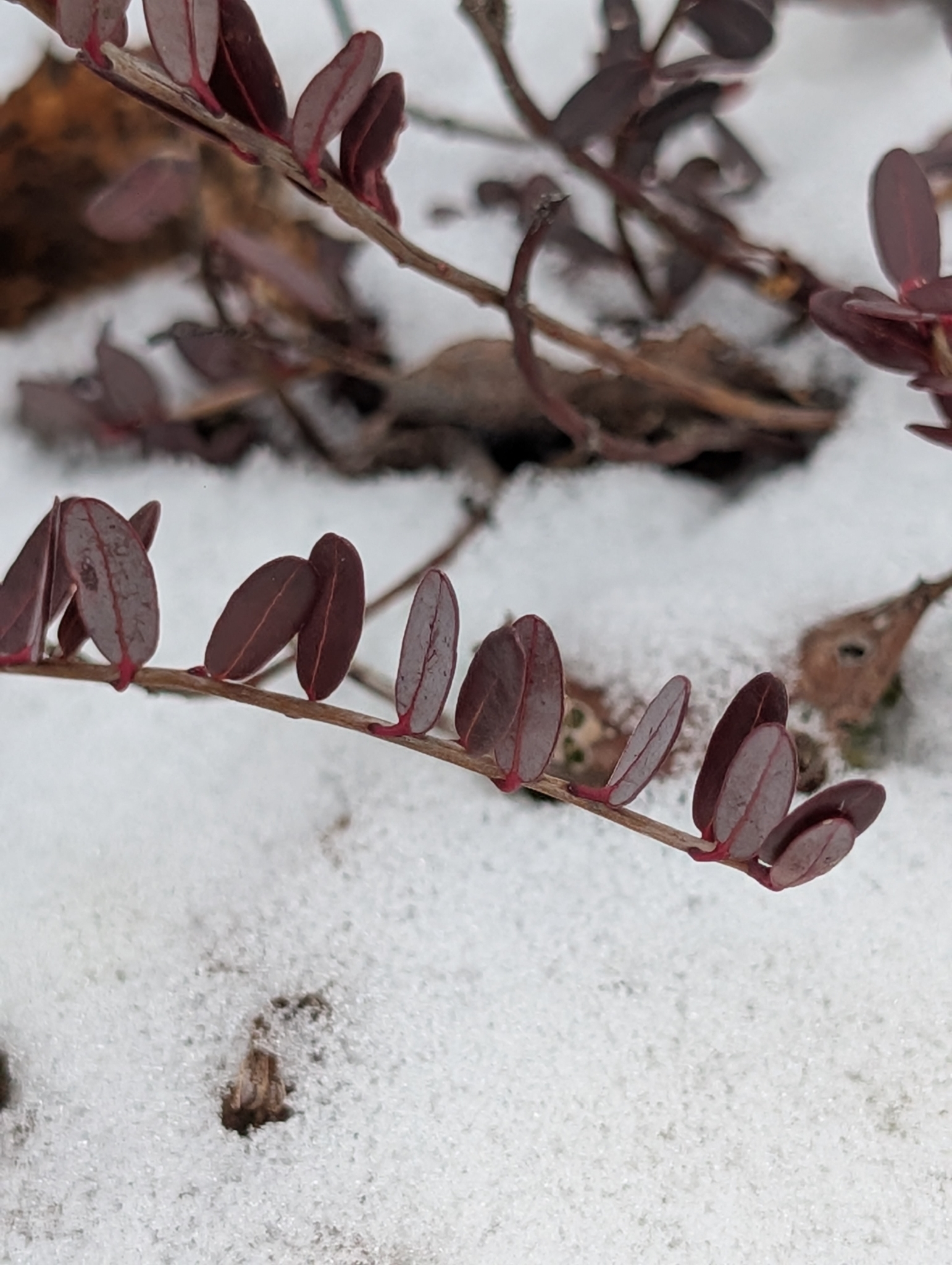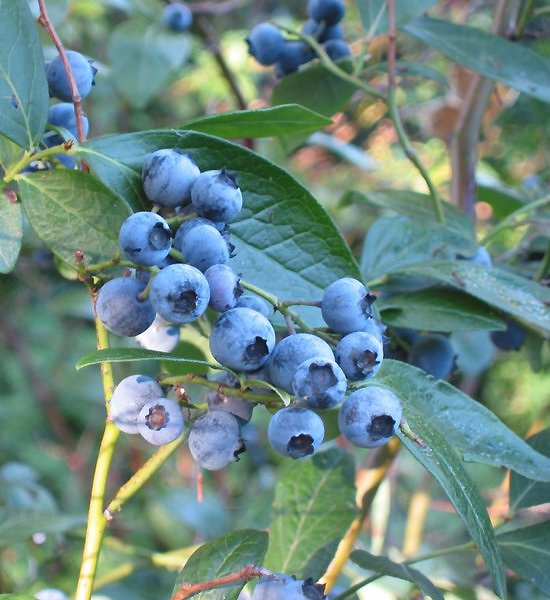
Highbush blueberry (Vaccinium corymbosum) is a deciduous fruiting shrub native to eastern North America, known for its clusters of sweet, glaucous blue summer berries and brilliant scarlet autumn foliage.
Success hinges entirely on maintaining an acidic soil pH below 5.5, as planting in ordinary garden soil leads to iron chlorosis and failure within two seasons.
Key Facts
- Soil pH: strictly 4.5 to 5.2
- Water: 2.5 to 5 cm (1 to 2 in) weekly
- Sunlight: 6 to 8 hours direct sun daily
- Planting distance: 1.2 to 1.5 m (4 to 5 ft) apart
- Fruiting age: reliable crops by year 3 or 4
- Winter hardiness: USDA zones 4 through 8
Is Highbush Blueberry Right for Your Garden?
Highbush blueberry requires uncompromisingly acidic soil between pH 4.5 and 5.2 and consistent moisture throughout the growing season. If your native garden soil tests above pH 6.0, you must construct dedicated raised beds filled with peat moss and composted pine bark or commit to growing in 40 to 60-liter (10 to 15-gallon) containers.
These shrubs suit growers willing to plant at least two distinct cultivars to ensure successful cross-pollination. They produce heavy fruit crops every July and August while functioning as four-season landscape plants with fiery red October foliage and yellow to red winter stems.
How to Identify Highbush Blueberry Bushes
Highbush blueberry bushes feature urn-shaped white or blush-pink blossoms in spring followed by dusty blue berries borne in loose clusters. The alternating, elliptical leaves measure 4 to 8 cm (1.5 to 3 in) in length with smooth or finely serrated margins that emerge bronze-green before deepening to a glossy dark green.
Mature woody canes develop peeling, shredding grey-brown bark, whereas new upright canes are bright red or yellowish-green. Botanists differentiate the species from lowbush blueberry (Vaccinium angustifolium) by its tall upright branching habit and from rabbit-eye blueberry (Vaccinium virgatum) by fruit that ripens without turning pinkish-red first.
Mature Size and Growth Rate
A healthy highbush blueberry bush reaches a mature size of 1.8 to 2.4 m (6 to 8 ft) in height and 1.2 to 2 m (4 to 6.5 ft) in spread within 6 to 8 years. New canes grow at a moderate rate of 25 to 40 cm (10 to 16 in) per season once root systems establish in moist, acid soil.
Unpruned bushes form wide, dense multi-stemmed thickets that can crowd out fruiting wood. Dwarf cultivars selected for patio containers remain compact at 60 to 90 cm (2 to 3 ft) in height while yielding standard-sized fruit.
Ideal Soil and Sunlight Conditions
Highbush blueberry requires full sun with at least 6 to 8 hours of direct light daily alongside loose soil that drains excess water freely. Light shade reduces annual bloom counts, lowers sugar levels in ripening fruit, and increases powdery mildew risk.
Because the fibrous root system lacks root hairs, it relies on ericoid mycorrhizal fungi and demands specific soil properties:
- Soil pH maintained strictly between 4.5 and 5.2
- High organic matter content of 4 to 10 percent
- Soil texture featuring sandy loam or amended peat
- Water table or soil layers free from standing water
Highbush Blueberry Planting Guide and Spacing
Space individual highbush blueberry plants 1.2 to 1.5 m (4 to 5 ft) apart in rows spaced 2.5 to 3 m (8 to 10 ft) apart. Dig planting holes twice as wide as the nursery container but no deeper than the root ball, setting the crown exactly level with the surrounding grade.
Mix excavated soil with an equal volume of sphagnum peat moss or aged pine bark fines to create an acidic, porous root zone. Apply a 7 to 10 cm (3 to 4 in) blanket of pine needle or bark mulch over the planting zone, keeping the mulch 5 cm (2 in) away from the main stems to prevent crown rot.
Watering, Feeding, and Pollination
Highbush blueberry requires 2.5 to 5 cm (1 to 2 in) of water per week throughout the active growing period from petal fall through harvest. Water with rainwater where tap water contains high levels of dissolved bicarbonates that steadily raise soil pH over time.
Fertilise established shrubs each spring using ammonium sulphate or an organic acid-forming fertiliser formulated for rhododendrons and azaleas. Never use fertilisers containing nitrate nitrogen or chloride, which cause root burn and leaf margin necrosis.
For maximum fruit set, arrange companion varieties to cross-pollinate:
- Plant two or more distinct cultivars with overlapping bloom periods
- Pair early bloomers like ‘Duke’ with ‘Patriot’
- Pair mid-to-late cultivars like ‘Bluecrop’ with ‘Elliott’
- Rely on native bumblebees (Bombus species) for buzz-pollination
How to Prune Highbush Blueberry Bushes
Prune highbush blueberry annually in late winter while the bush is dormant, between February and early March. During the first two years after planting, rub off all flower buds to force vegetative cane and root growth rather than fruit production.
Maintain an eight-cane rotation on mature bushes to sustain consistent annual production:
- Remove dead, broken, diseased, or crossing canes at ground level
- Cut out low, spreading branches that touch the soil
- Prune out the two oldest, thickest canes that exceed 6 years of age
- Thin dense twiggy growth in the canopy centre to let light reach ripening berries
- Retain 2 to 3 strong, young canes produced during the previous season
Blueberry Pests, Diseases, and Chlorosis
Yellow foliage with distinct dark green veins indicates iron chlorosis caused by soil pH rising above 5.5. Lower the pH by dressing the soil surface with elemental sulphur at 30 to 50 g per square metre each spring until testing confirms target levels.
Keep an eye out for these typical issues during the season:
- Spotted wing drosophila: small larvae softening ripe fruit; harvest every two days and apply exclusion netting
- Mummy berry: shoots wither in spring and fruit turns hard and grey; rake away fallen mummies before bud break
- Birds: cedar waxwings and robins stripping fruit; cover bushes with 1.5 cm (0.6 in) mesh bird netting as berries turn pink
- Phomopsis twig blight: brown wilted shoot tips; prune affected stems 10 cm (4 in) into clean green wood
Winter Care and Chill Hours
Northern highbush cultivars require 800 to 1,000 chilling hours below 7 °C (45 °F) during winter dormancy to break rest and flower evenly. Southern highbush hybrids (crosses involving Vaccinium darrowii) require only 200 to 500 chill hours, suiting USDA zones 8 to 10.
Northern highbush shrubs tolerate mid-winter freezes down to -25 °C (-13 °F) without protection when fully dormant. In windy, freeze-prone climates, renew pine bark mulch to 10 cm (4 in) in late autumn to shield shallow roots from frost heave.
Culinary Uses and Landscape Value
Highbush blueberry produces 3 to 8 kg (7 to 18 lb) of sweet, edible berries per mature bush each summer. The fruit contains high concentrations of anthocyanins and vitamin C, making it suitable for fresh eating, freezing, baking, and preserves.
Beyond food production, the shrub provides three seasons of ornamental interest in native plantings alongside lingonberry (Vaccinium vitis-idaea) and winterberry (Ilex verticillata). The fiery crimson foliage rivals burning bush (Euonymus alatus) in October while avoiding invasive tendencies.
Frequently Asked Questions
Are highbush blueberries edible?
Yes, highbush blueberries produce sweet, edible berries that are eaten fresh, frozen, or baked into pies and jams. They are completely non-toxic to humans, dogs, and cats.
Do you need two highbush blueberry bushes to get fruit?
While many highbush varieties are technically self-fertile, planting at least two different cultivars ensures cross-pollination, resulting in up to 50 percent larger berries and significantly heavier total yields.
What is the difference between northern and southern highbush blueberries?
Northern highbush types require 800 to 1,000 winter chill hours and thrive in USDA zones 4 through 7. Southern highbush types require only 200 to 500 chill hours, tolerating the mild winters and hot summers of USDA zones 8 through 10.
How do you propagate highbush blueberry bushes?
Propagate by taking 10 to 15 cm (4 to 6 in) hardwood cuttings from dormant 1-year-old shoots in late winter, inserting them into a 50:50 peat-perlite mix over gentle bottom heat.
Why are my blueberry leaves turning yellow with green veins?
This condition is iron chlorosis, triggered when the soil pH rises above 5.5 and prevents the plant's roots from taking up available iron. Apply elemental sulphur or chelated iron to bring soil pH back down to 4.5 to 5.2.
Sources & Verification
Taxonomy and distribution are checked against the databases below. Care guidance is written for cultivated species only and reviewed by our editor. How We Build Plant Profiles →
- Kew Plants of the World OnlineTaxonomy, distribution, and native status.
- NC State ExtensionCultivation data, soil requirements, and pruning guidelines.
- Missouri Botanical GardenBotanical morphology and landscape uses.
- GBIF — Global Biodiversity Information Facilitytaxonomy, synonyms, occurrence records
- Wikipediageneral reference