

Box honeysuckle, known botanically as Lonicera pileata, is a low-growing, evergreen or semi-evergreen shrub native to central and southwestern China. It features small, glossy green leaves arranged neatly along stiff horizontal branches, forming a dense ground cover or low hedge.
Unlike climbing honeysuckles, this species stays low to the ground and tolerates heavy shears, providing an alternative to boxwood where box blight is present. Plants establish quickly in USDA zones 6 through 9, enduring deep shade and urban atmospheric pollution.
Key Facts
- Light: Full sun to deep shade
- Soil: Well-drained loam, clay, chalk, or sand
- Water: Moderate water while young, drought-tolerant once established
- Hardiness: USDA zones 6a to 9b
- Size: 60-100 cm (2-3.3 ft) tall, 1.5-2 m (5-6.5 ft) wide
- Toxicity: Berries are mildly toxic if ingested
Why Grow Box Honeysuckle in Your Garden
Box honeysuckle is selected primarily as a low evergreen hedge or ground cover that resists box blight and deer grazing. Its dense, layered stems suppress weeds efficiently along embankments and garden borders. Bitter iridoid glycosides in the leaves protect the shrub from deer and browsing rabbits in rural landscapes.
This species functions well in problematic garden locations, including dry shade under mature trees and exposed coastal edges. The compact habit requires minimal intervention to maintain neat, structured foliage lines throughout all four seasons.
Box Honeysuckle Identification and Appearance
Box honeysuckle forms a broad, horizontal spreading habit with stiff, tiered branches and small glossy leaves. Individual leaves measure 0.5-1.5 cm (0.2-0.6 in) long, featuring an ovate to lanceolate shape arranged in opposite pairs along downy young shoots. Upper leaf surfaces are deep green and polished, while the undersides remain pale green.
During May and June, pairs of small, cream-white tubular flowers open along the undersides of horizontal branches. These blooms emit a subtle scent and attract bees. By September, translucent violet to bright purple berries measuring 5 mm (0.2 in) across ripen along the stems, providing autumn color and winter forage for songbirds.
Mature Size and Spreading Habit
Unpruned box honeysuckle reaches 60-100 cm (2-3.3 ft) in height with a spread of 1.5-2 m (5-6.5 ft). The growth rate is moderate, adding 20-30 cm (8-12 in) of fresh shoot length during each active growing season.
Lower branches root naturally where they touch moist soil, allowing single plants to gradually colonize slopes and ground borders. Regular pruning easily restricts height to 30 cm (12 in) for low formal edging.
Best Soil and Sunlight Conditions
Plants grow in full sun, partial shade, or deep shade, preferring well-drained soil with a pH between 6.0 and 7.8. The shrub tolerates heavy clay, light sand, and chalky soils provided water does not pool around the roots for extended periods.
Foliage retains its dark green coloration in full shade, though flower production decreases compared to sunnier sites. In hot summer climates, such as parts of New Zealand or the American South, afternoon shade prevents leaf scorch when soil moisture is low.
Planting Box Honeysuckle Hedges
Space individual plants 30-40 cm (12-16 in) apart to form a tight evergreen hedge within two growing seasons. Planting is best carried out in autumn or early spring while soil is moist and temperatures are mild.
- Dig a trench 40 cm (16 in) wide and as deep as the root balls.
- Mix organic compost into sandy or heavy clay soil to improve structure.
- Place plants at the exact depth they sat in their nursery containers.
- Backfill with soil, firm around the base, and soak with 10 L (2.6 gal) of water per plant.
- Apply a 5 cm (2 in) layer of wood bark mulch, leaving a 5 cm gap around stems.
Watering and Feeding Schedules
Water new plantings with 5-10 L (1.3-2.6 gal) of water per week during their first spring and summer. Established plants require no supplemental watering except during droughts lasting longer than four weeks.
Apply a balanced 10-10-10 granular fertilizer at 50 g per square meter around the drip line in early spring. Potted specimens and hedge borders pruned multiple times per season benefit from a liquid feed application in May and July.
How to Prune Box Honeysuckle
Prune box honeysuckle twice per year in late spring and early autumn to maintain a formal hedge structure. The shrub withstands hard shearing, producing new shoots quickly from dormant wood.
Perform the main cut in June after spring flowering finishes, trimming back new shoot growth by half. Trim lightly again in September to crisp up lines before winter. To rejuvenate old, leggy shrubs, cut main stems back to 15 cm (6 in) above soil level in March; fresh branches will sprout by May.
Common Pests and Plant Health Issues
Aphids and leaf miners occasionally target soft young spring shoots but rarely cause severe damage to mature foliage. Good air circulation prevents common fungal issues in dense plantings.
- Aphids on shoot tips: Rinse foliage with a firm spray of water or apply insecticidal soap.
- Powdery mildew: Appears during dry spells in stagnant air; soak root zones and thin dense interior stems.
- Root rot: Stems turn yellow and die back in waterlogged soil; relocate plants to better-draining ground.
- Scale insects: Small brown bumps on woody stems; scrape away manually or treat with horticultural oil in winter.
Winter Hardiness and Seasonal Protection
Box honeysuckle withstands winter cold down to -20 °C (-4 °F) without structural damage. Leaves remain fully green through winter in USDA zones 7 through 9.
In USDA zone 6, sub-zero winds may cause temporary foliage bronzing or partial leaf drop. Protecting the base with a 7 cm (3 in) mulch layer preserves root moisture when the ground freezes hard.
Landscaping and Bonsai Uses
This species functions as structural ground cover, low edging, slope stabilization, or small-leaf bonsai specimens. Its fast root development makes it effective for erosion control on banks.
Bonsai growers use box honeysuckle for mini and small styles because stems wire easily and bark develops an aged, furrowed texture quickly. Excellent companion plants include common box (Buxus sempervirens), Japanese holly (Ilex crenata), Wilson’s honeysuckle (Lonicera nitida), and dwarf mountain pine (Pinus mugo).
Frequently Asked Questions
Is box honeysuckle evergreen?
Yes, box honeysuckle is evergreen in mild to moderate climates, keeping its dark green foliage throughout the winter. In colder USDA zone 6 winters with freezing winds, it may shed a portion of its leaves, acting as semi-evergreen.
Does box honeysuckle flower and produce berries?
Yes, box honeysuckle blooms in late spring with small, tubular cream-white flowers underneath its branches. In autumn, these flowers develop into translucent violet to bright purple berries measuring 5 mm (0.2 in) across.
Is box honeysuckle invasive?
Box honeysuckle is not considered invasive in North America or Europe, though lower branches root where they touch moist ground. Unlike invasive climbing vines such as Japanese honeysuckle (Lonicera japonica), it forms a compact, non-climbing shrub.
Is box honeysuckle deer resistant?
Yes, box honeysuckle is resistant to deer and rabbit browsing due to bitter chemical compounds inside the foliage. Deer typically pass over mature plants in favor of other garden foliage.
Can box honeysuckle be grown as a bonsai?
Yes, box honeysuckle is suitable for small-scale bonsai due to its naturally small leaves and willingness to sprout from old wood after hard pruning. Stems take shape easily with wire and develop mature bark within a few growing seasons.
How do you propagate box honeysuckle?
Propagate box honeysuckle by taking 10 cm (4 in) semi-ripe stem cuttings in July or August. Insert cuttings into a mix of half peat-free compost and half coarse sand, keeping them humid until roots form in 4 to 6 weeks.
Sources & Verification
Taxonomy and distribution are checked against the databases below. Care guidance is written for cultivated species only and reviewed by our editor. How We Build Plant Profiles →
- Plants of the World Online (Kew POWO)Taxonomic status and native distribution details.
- Royal Horticultural Society (RHS)Cultivation recommendations, hardiness, and garden performance.
- NC State Extension Gardener Plant ToolboxGrowth characteristics, landscape uses, and toxicity profile.
- Global Biodiversity Information Facility (GBIF)Occurrence data and common names.
- Wikipediageneral reference
More in Lonicera

Common Honeysuckle
Lonicera periclymenum
☀️ Partial Sun 💧 Moderate

Morrow’s Honeysuckle
Lonicera morrowii
☀️ Partial Sun 💧 Moderate
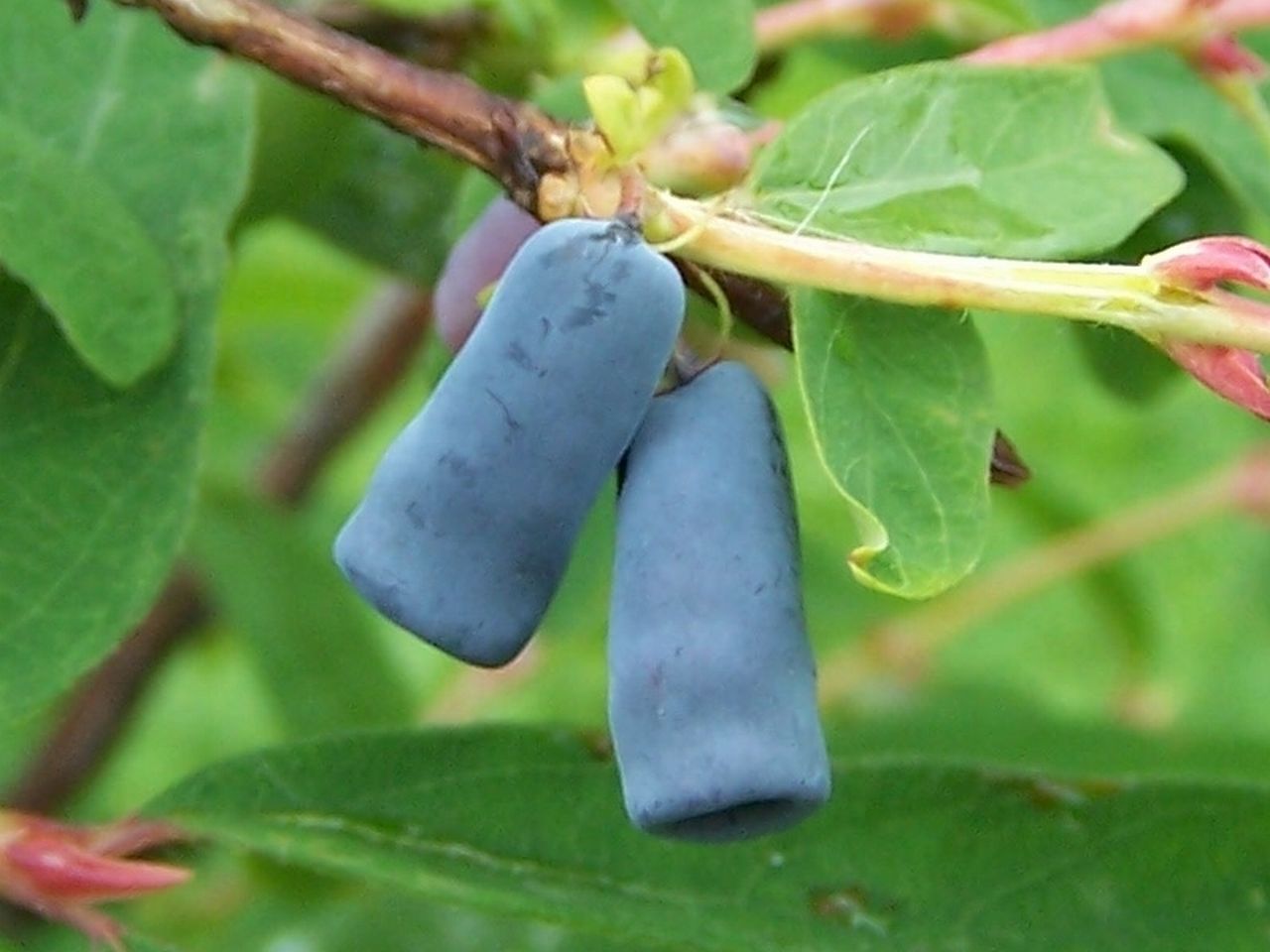
Honeyberry
Lonicera caerulea
☀️ Full Sun 💧 Moderate

Winter Honeysuckle
Lonicera fragrantissima
☀️ Partial Sun 💧 Moderate

Japanese Honeysuckle
Lonicera japonica
☀️ Full Sun 💧 Moderate