Plants in the Caprifoliaceae Family
16 plant profiles · Learn how to identify and grow Caprifoliaceae family plants, including honeysuckles, weigela, and valerian, with clear light and soil requirements.
Members of the Caprifoliaceae family share opposite leaf arrangement and tubular flowers with 5 lobes or distinct two-lipped structures. This group spans woody twining vines, deciduous shrubs, and herbaceous perennials native to temperate regions across North America, Europe, and Asia. Choosing the right species depends on your available space and climate, ranging from winter-blooming shrubs to fruit-producing honeysuckles and cottage garden perennials.
For vertical structure and fragrant blooms, climbing vines like common honeysuckle (Lonicera periclymenum) produce scented flowers late in the season. Deciduous shrubs offer dense foliage and springtime blooms; old-fashioned weigela (Weigela florida) features pink trumpet flowers, while winter honeysuckle (Lonicera fragrantissima) produces creamy white blossoms in temperatures as low as 0 °C (32 °F). If you seek edible harvests, honeyberry (Lonicera caerulea) yields oblong blue fruit rich in antioxidants in USDA zones 2 through 7.
Herbaceous family members suit border gardens and rockeries. Valerian (Valeriana officinalis) grows up to 1.5 m (5 ft) tall with scented white flower heads, traditionally used for its calming root properties. Red valerian (Centranthus ruber) thrives in dry, alkaline soil, while beauty bush (Kolkwitzia amabilis) fills larger hedge spaces with arching branches. Match your site's sunlight, moisture levels, and growth habit to select species that suit your landscape.

Beauty Bush
Kolkwitzia amabilis
☀️ Full Sun 💧 Moderate

Box Honeysuckle
Lonicera pileata
☀️ Partial Sun 💧 Moderate
Chinese Abelia
Abelia chinensis
☀️ Full Sun 💧 Moderate

Common Honeysuckle
Lonicera periclymenum
☀️ Partial Sun 💧 Moderate
Cornsalad
Valerianella locusta
☀️ Full Sun 💧 Moderate

Himalayan Honeysuckle
Leycesteria formosa
☀️ Full Sun 💧 Moderate
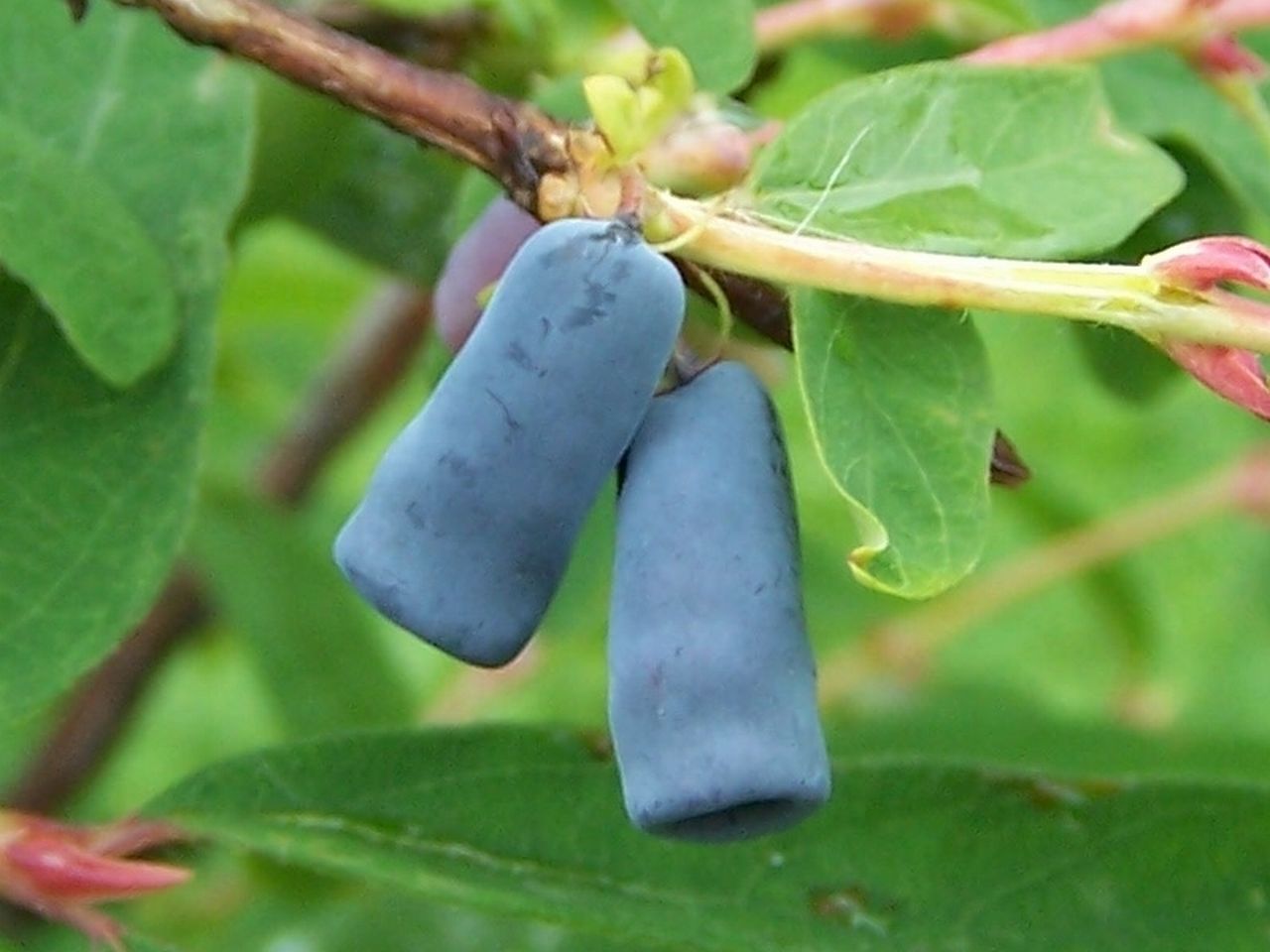
Honeyberry
Lonicera caerulea
☀️ Full Sun 💧 Moderate

Japanese Honeysuckle
Lonicera japonica
☀️ Full Sun 💧 Moderate

Morrow’s Honeysuckle
Lonicera morrowii
☀️ Partial Sun 💧 Moderate

Northern Bush Honeysuckle
Diervilla lonicera
☀️ Partial Sun 💧 Low

Old-Fashioned Weigela
Weigela florida
☀️ Full Sun 💧 Moderate
Pincushion Flower
Sixalix atropurpurea
☀️ Full Sun 💧 Moderate
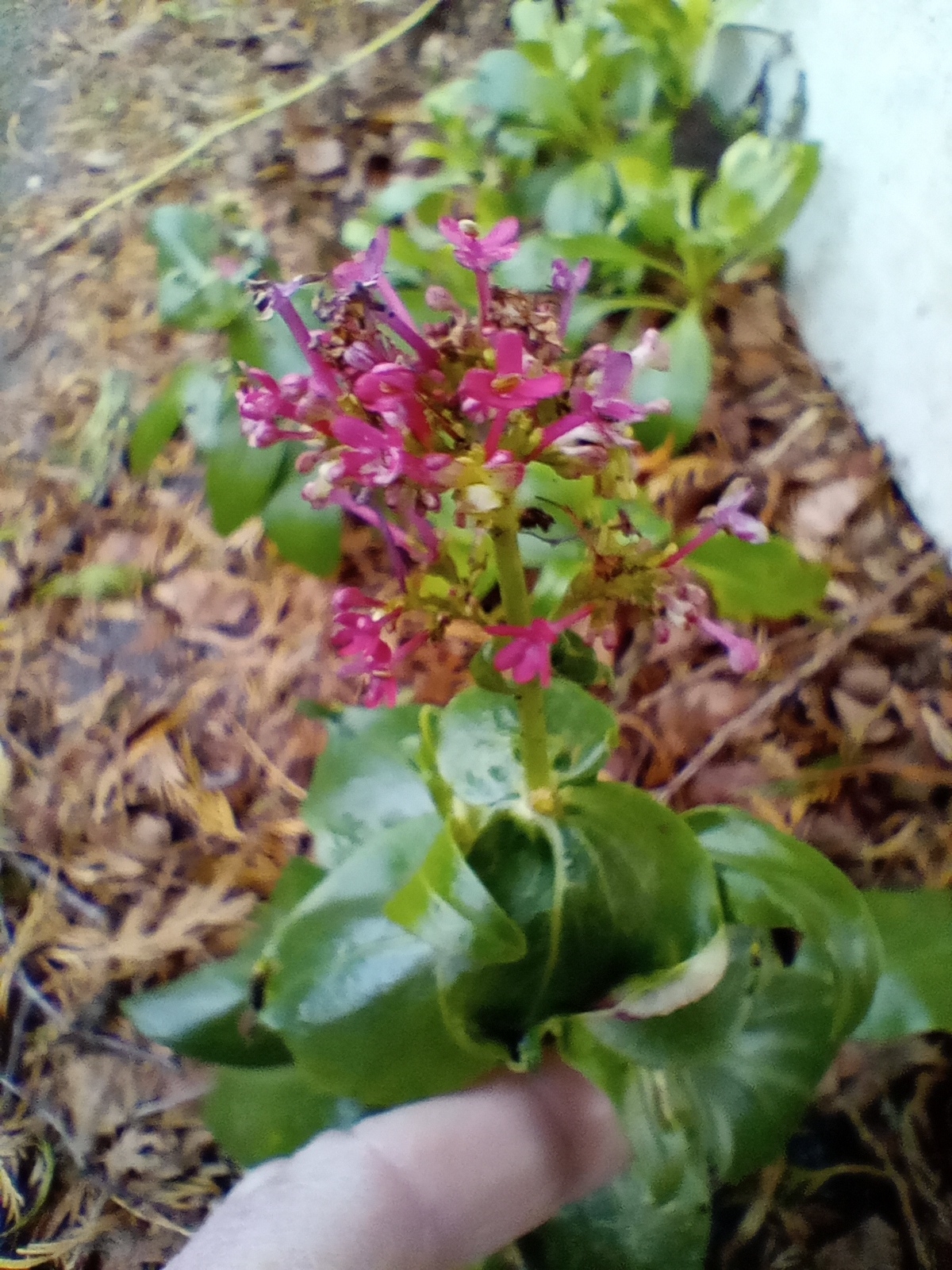
Red Valerian
Centranthus ruber
☀️ Full Sun 💧 Low
Snowberry
Symphoricarpos albus
☀️ Partial Sun 💧 Low

Valerian
Valeriana officinalis
☀️ Full Sun 💧 High

Winter Honeysuckle
Lonicera fragrantissima
☀️ Partial Sun 💧 Moderate
Common Questions
What key features identify plants in the Caprifoliaceae family?
Caprifoliaceae plants are identified by opposite leaf pairing along stems, paired or clustered tubular flowers, and berry or capsule fruits. Most species produce fragrant blooms with five fused petals or two distinct lips.
Are honeysuckle berries safe to eat?
Most honeysuckle berries are toxic, with the notable exception of honeyberry (Lonicera caerulea), which produces edible dark blue fruit. Red, orange, or translucent white berries on wild honeysuckle species contain saponins and cause stomach irritation if consumed.
How much sun do Caprifoliaceae shrubs need?
Most Caprifoliaceae shrubs require 6 hours of direct sunlight daily to flower abundantly, though woodbine and woodland vine species tolerate partial shade.
Do plants in the honeysuckle family spread invasively?
Certain non-native species like Japanese honeysuckle (Lonicera japonica) spread aggressively via runners and bird-dispersed seeds in North America. Check local invasive species listings before planting twining honeysuckle varieties in uncontained landscape beds.