
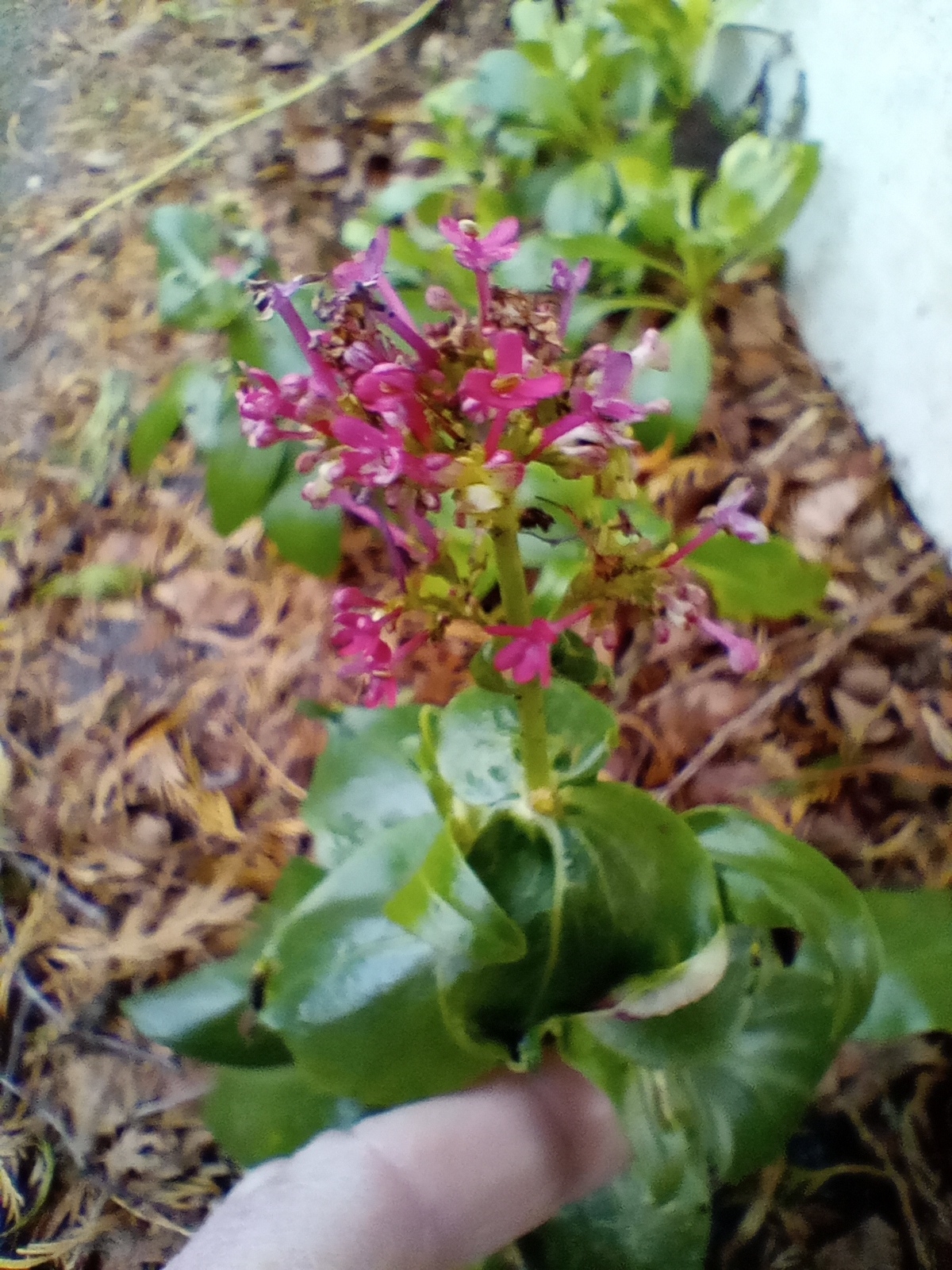
Red valerian (Centranthus ruber) is a tough semi-woody perennial native to the Mediterranean region, prized for its dense terminal clusters of crimson or pink flowers. It thrives in neglected corners where richer soils cause plants to become floppy and short-lived.
Established clumps tolerate severe drought and coastal salt spray, but they self-seed aggressively in gravel paths and dry stone walls if spent flower heads are left uncut.
Key Facts
- Light: Full sun
- Water: Low once established
- Soil: Well-drained, alkaline preferred
- Height: Up to 90 cm (3 ft)
- Bloom: Late spring to late summer
Is Red Valerian Right for Your Garden
Red valerian suits dry borders, coastal gardens, and old masonry walls where few other perennials survive the summer heat. Get the drainage right from the start, because stagnant winter moisture kills crowns faster than freezing temperatures.
Gardeners with heavy clay or damp borders should avoid planting red valerian unless they heavily amend the soil with grit. It functions best in informal cottage gardens and rockeries where its sprawling habit fills gaps between shrubs.
What Red Valerian Looks Like
Red valerian grows into a bushy, multi-stemmed clump reaching 60-90 cm (24-36 in) tall with a similar spread. Its succulent-textured, blue-green leaves are lance-shaped to oval, measuring 5-8 cm (2-3 in) in length along hollow, branching stems.
- Flowers: Small, tubular star-shaped florets gathered in dense, rounded cymes up to 7 cm (3 in) across.
- Spurs: Each tiny flower features a distinct nectar spur at its base, pointing backward from the corolla tube.
- Seeds: Followed by feathered seed heads that release papery achenes into the wind during late summer.
Where to Plant Red Valerian
Plant red valerian in a spot receiving at least six hours of direct daily sunlight to prevent weak, leggy stems. Partial shade reduces flower count significantly and leads to flopping plants that require staking.
Poor, rocky, or chalky soils produce the sturdiest growth and brightest flower colors. Avoid rich garden compost or heavy manure, which forces rapid, brittle top growth at the expense of root stability.
How to Plant Red Valerian Seeds and Nursery Starts
Sow red valerian seeds directly in spring or autumn by pressing them lightly into raked soil, keeping germination temperatures around 15-18 °C (59-64 °F). Nursery-grown container plants go into the ground best during spring, spaced 45 cm (18 in) apart to allow for mature airflow.
- Dig a planting hole twice as wide as the nursery pot but no deeper than the root ball.
- Mix coarse horticultural grit into the native soil if drainage is questionable.
- Water thoroughly once after planting, then withhold moisture until new top growth appears.
- Press seeds into damp seed-starting trays if starting indoors, covering them with a very thin layer of vermiculite.
Watering and Feeding Requirements
Water young red valerian plants weekly during their first growing season until roots establish deep in the ground. Established clumps need almost no supplemental irrigation except during prolonged summer droughts lasting longer than four weeks.
Fertilizer is entirely unnecessary and often harmful because excess nutrients cause lush foliage that snaps in windstorms. Rely on natural rainfall and lean native mineral soil to maintain a compact, floriferous habit.
Pruning and Managing Red Valerian
Cut flowering stems back hard to ground level after the first heavy flush in mid-summer to trigger a second bloom wave in early autumn. Shear plants down completely to their woody base in late winter to clear out dead stems and make room for fresh spring foliage.
Deadhead faded flower heads promptly if you want to stop unwanted seedlings from colonizing nearby paving cracks or flower beds. Use sharp secateurs and wear gloves if your skin is sensitive to plant sap.
How to Propagate Red Valerian
Propagate established red valerian clumps by division in early spring before rapid stem elongation begins. Basal cuttings taken when new shoots reach 10 cm (4 in) in length during spring also root readily in sandy potting mixes.
- Lift large, congested clumps gently using a garden fork in March or April.
- Slice the woody root mass into vigorous sections, ensuring each piece has several viable shoots.
- Replant divisions immediately at the same soil depth and water in well.
- Collect dry seeds in late summer by shaking mature seed heads into paper bags.
Winter Care for Red Valerian
Red valerian survives winter temperatures down to -23 °C (-10 °F) provided the soil remains free of standing water. Cut back old, frost-blackened top growth in late autumn only if it rots; otherwise, leave stems standing to protect the crown from freezing rain.
Apply a thin 3 cm (1 in) layer of dry gravel around the base of the plant in USDA zone 5 gardens to insulate roots against freeze-thaw cycles without trapping moisture against the stems.
When Red Valerian Blooms
Red valerian blooms continuously from late spring through late summer, providing a reliable nectar source for bees and butterflies. The main flowering peak occurs in June, followed by sporadic secondary flushes until the first autumn frosts arrive.
Warm summer weather intensifies the pigment in red and pink cultivars, while prolonged rain can temporarily bleach open florets. Deadheading spent clusters regularly extends this flowering window by several weeks.
Common Problems and Troubleshooting
Red valerian suffers from very few pests or diseases when grown in proper dry conditions. Root rot caused by poor drainage and powdery mildew during humid spells represent the main issues.
- Symptom: Lower stems turning black and mushy at soil level. Cause: Waterlogged soil or heavy mulch touching stems. Fix: Improve drainage and pull mulch 5 cm (2 in) away from the crown.
- Symptom: White powdery coating on leaves in mid-summer. Cause: Poor air circulation and dry roots combined with high humidity. Fix: Thin out surrounding vegetation and water deeply once a week.
- Symptom: Plants sprawling open in the middle. Cause: Excess soil fertility or inadequate sunlight. Fix: Move to a sunnier spot and avoid adding compost.
Red Valerian Through the Seasons
| Spring | Divide overgrown clumps in April and clear away old dead debris from the base. Sow seeds directly into prepared dry soil beds once frost risk passes. |
|---|---|
| Summer | Shear back spent flower stalks by half in July to encourage a second flush of blooms. Water container-grown specimens weekly during dry spells. |
| Autumn | Collect dry seed heads if you want to propagate specific color forms. Stop all watering and let plants dry out completely before winter rains begin. |
| Winter | Cut back dead, mushy stems to ground level if frost has damaged them. Ensure mulch or leaves are kept away from the woody crown to prevent rot. |
Red Valerian Pest and Disease Diagnosis
| What you see | Likely cause | What to do |
|---|---|---|
| Leggy, weak stems that fall over | Too much shade or rich soil | Relocate the plant to a sunny spot with poor, well-drained soil and prune back floppy stems. |
| Crown rot in winter | Stagnant moisture around the roots | Dig up surviving portions and replant in raised beds amended with coarse sand or grit. |
| Powdery mildew on leaves | Crowded planting or humidity | Cut back infected foliage and clear surrounding weeds to improve air circulation. |
Popular Red Valerian Cultivars
- Centranthus ruber ‘Albus’ – pure white flower clusters
- Centranthus ruber ‘Coccineus’ – deep crimson red flowers
- Centranthus ruber ‘Roseus’ – soft pink flower spikes
- Centranthus ruber ‘Coccineus Nana’ – compact dwarf selection
Companion Plants for Red Valerian
Pair red valerian with tough, drought-tolerant perennials that share its love for baking sun and lean soil. Excellent companions include lavender (Lavandula angustifolia), catmint (Nepeta faassenii), Russian sage (Salvia yangii), and stonecrop (Sedum spectabile).
Avoid pairing it with moisture-loving plants like gunnera (Gunnera manicata) or hostas (Hosta cultivars), which require regular irrigation that will cause red valerian root rot.
Frequently Asked Questions
Is red valerian invasive?
Red valerian can spread aggressively by seed in mild climates and rocky habitats. Prevent unwanted self-seeding by cutting off faded flower clusters before seeds mature.
How do I grow red valerian from seeds?
Sow red valerian seeds in spring or autumn on the soil surface, as light helps germination. Press them gently into well-drained soil and keep them at 15-18 °C (59-64 °F) until seedlings emerge.
What is the difference between red valerian and true valerian?
Red valerian (Centranthus ruber) belongs to the caprifoli család and prefers dry, chalky soil with red or pink flowers, whereas true valerian (Valeriana officinalis) prefers damp soils and has pale pink or white flowers with different medicinal uses.
Will red valerian grow in shade?
Red valerian will survive in partial shade, but it produces significantly fewer flowers and develops weak, floppy stems. Plant it in full sun for the best display.
Can red valerian grow in pots?
Red valerian grows well in terracotta containers filled with sharp, fast-draining potting mix. Ensure the pot has large drainage holes to prevent winter root rot.
Sources & Verification
Taxonomy and distribution are checked against the databases below. Care guidance is written for cultivated species only and reviewed by our editor. How We Build Plant Profiles →