Campanulaceae Bellflower Family Plants List
12 plant profiles · Identify and grow plants from the Campanulaceae family, including bellflowers, lobelias, and balloon flowers. Learn key traits and care for these species.
Plants in the Campanulaceae family are defined by their bell-shaped, five-lobed flowers and the presence of milky white latex in their stems. This family contains over 2,000 species, ranging from prostrate groundcovers to tall, upright spikes found across temperate regions and tropical mountains. You will find these plants growing in diverse habitats, from the damp stream banks of North America to the rocky alpine slopes of the Mediterranean.
When selecting a species for your garden, consider the growth habit and moisture requirements. If you have a boggy area or pond edge, the Cardinal Flower (Lobelia cardinalis) thrives in saturated soil and attracts hummingbirds. For rock gardens with excellent drainage, the Carpathian Harebell (Campanula carpatica) forms neat mounds that rarely exceed 20 cm (8 in) in height. If you prefer tall, dramatic biennials for a cottage garden aesthetic, Canterbury Bells (Campanula medium) produce large, 5 cm (2 in) wide blooms on sturdy stems.
The family also includes unique functional plants. Dangshen (Codonopsis pilosula) is a twining vine traditionally used in East Asian herbalism for its roots. Balloon Flower (Platycodon grandiflorus) is named for its inflated, air-filled buds that pop open into star-shaped blossoms. For edible interest, the Rampion Bellflower (Campanula rapunculus) provides thick, white roots that were historically consumed as a vegetable. Other common garden additions include:
- Peach-Leaved Bellflower (Campanula persicifolia) for tall blue or white spikes.
- Spotted Bellflower (Campanula punctata) featuring pendulous, freckled interior petals.
- Edging Lobelia (Lobelia erinus) used for trailing containers and borders.
- Chinese Lobelia (Lobelia chinensis) which spreads via low-growing stolons.

Balloon Flower
Platycodon grandiflorus
☀️ Full Sun 💧 Moderate

Canterbury Bells
Campanula medium
☀️ Partial Sun 💧 Moderate

Cardinal Flower
Lobelia cardinalis
☀️ Full Sun 💧 High

Carpathian Harebell
Campanula carpatica
☀️ Full Sun 💧 Moderate

Chinese Lobelia
Lobelia chinensis
☀️ Partial Sun 💧 High

Dangshen
Codonopsis pilosula
☀️ Partial Sun 💧 Moderate

Devil’s Tobacco
Lobelia tupa
☀️ Full Sun 💧 Moderate

Edging Lobelia
Lobelia erinus
☀️ Partial Sun 💧 Moderate
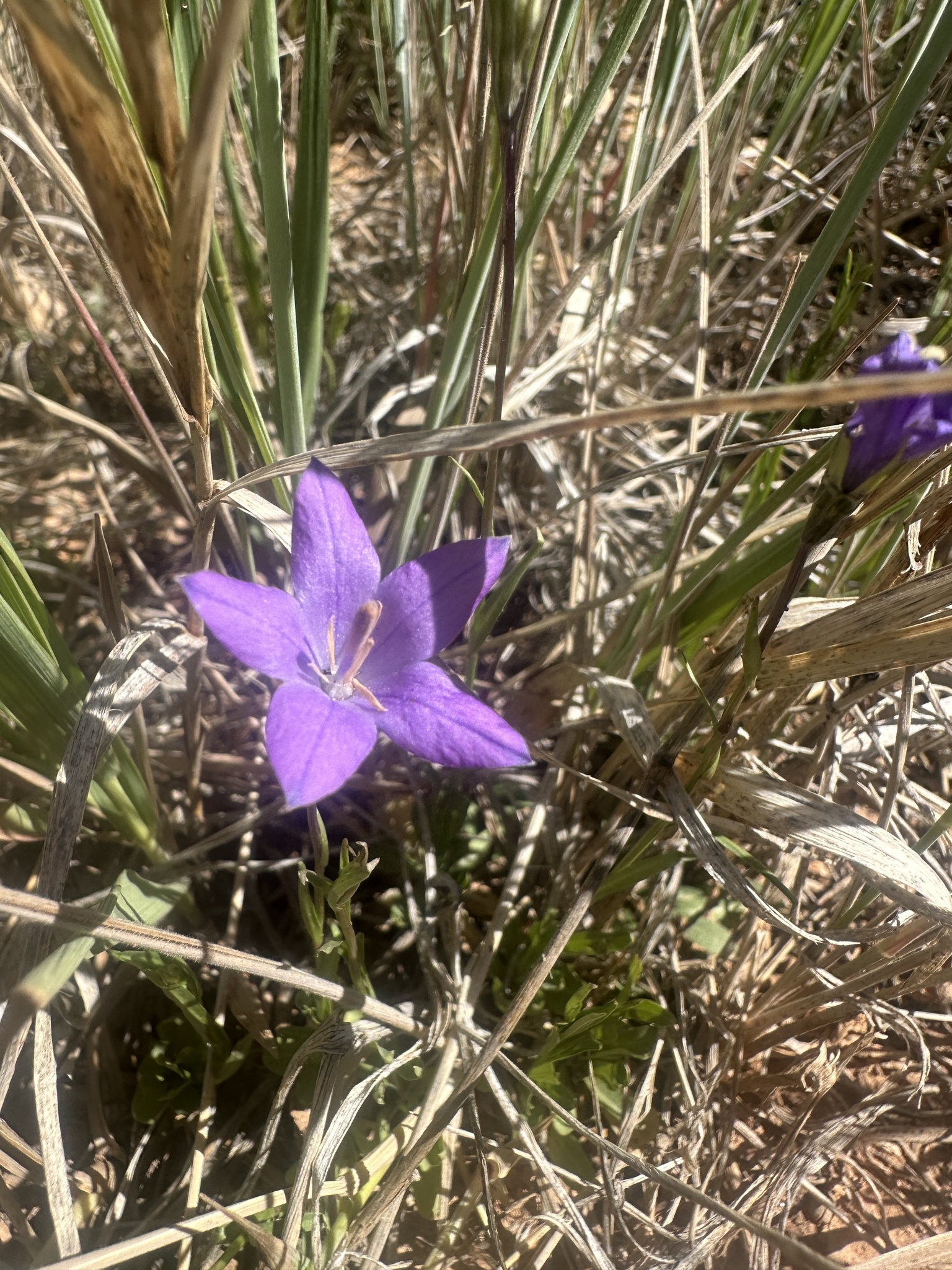
Parry’s Bellflower
Campanula parryi

Peach-Leaved Bellflower
Campanula persicifolia
☀️ Partial Sun 💧 Moderate
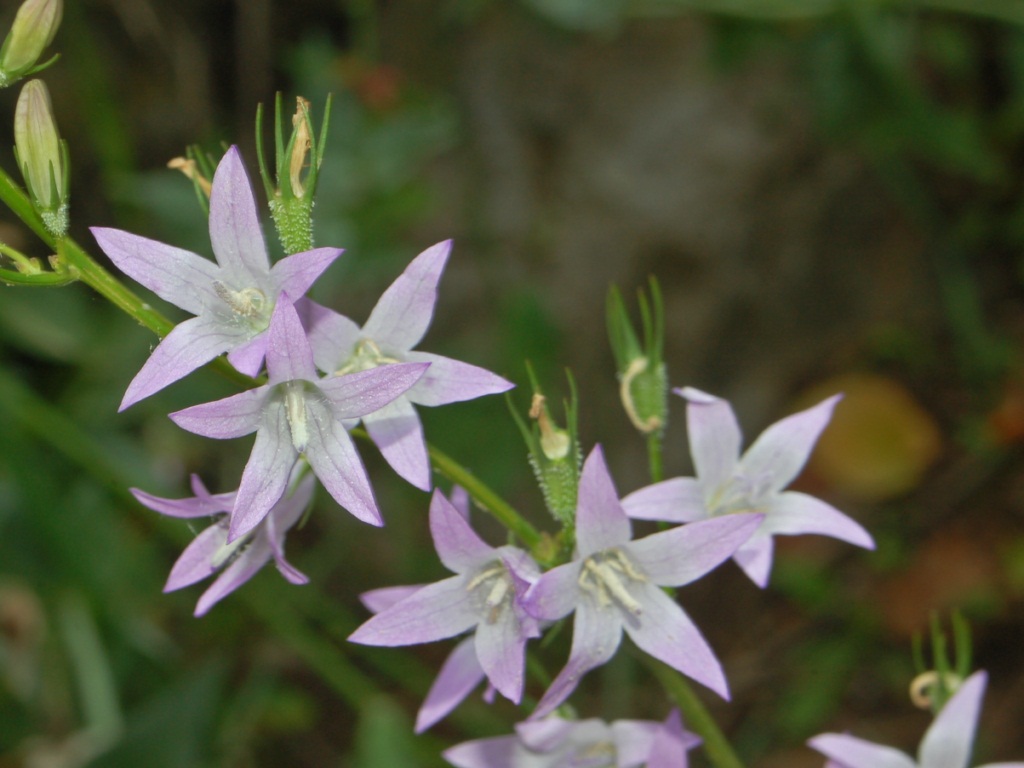
Rampion Bellflower
Campanula rapunculus
☀️ Full Sun 💧 Moderate

Spotted Bellflower
Campanula punctata
☀️ Partial Sun 💧 Moderate
Common Questions
How can you identify a plant in the Campanulaceae family?
Most species feature five-lobed petals fused into a bell or tube shape and produce a milky sap when the stem is broken.
Do bellflowers prefer sun or shade?
Most members of this family thrive in full sun to partial shade, though species like the Cardinal Flower require more moisture if kept in direct sunlight.
Are plants in the Campanulaceae family invasive?
While most are well-behaved, some species like creeping bellflower (Campanula rapunculoides) can spread aggressively via underground rhizomes and deep taproots.