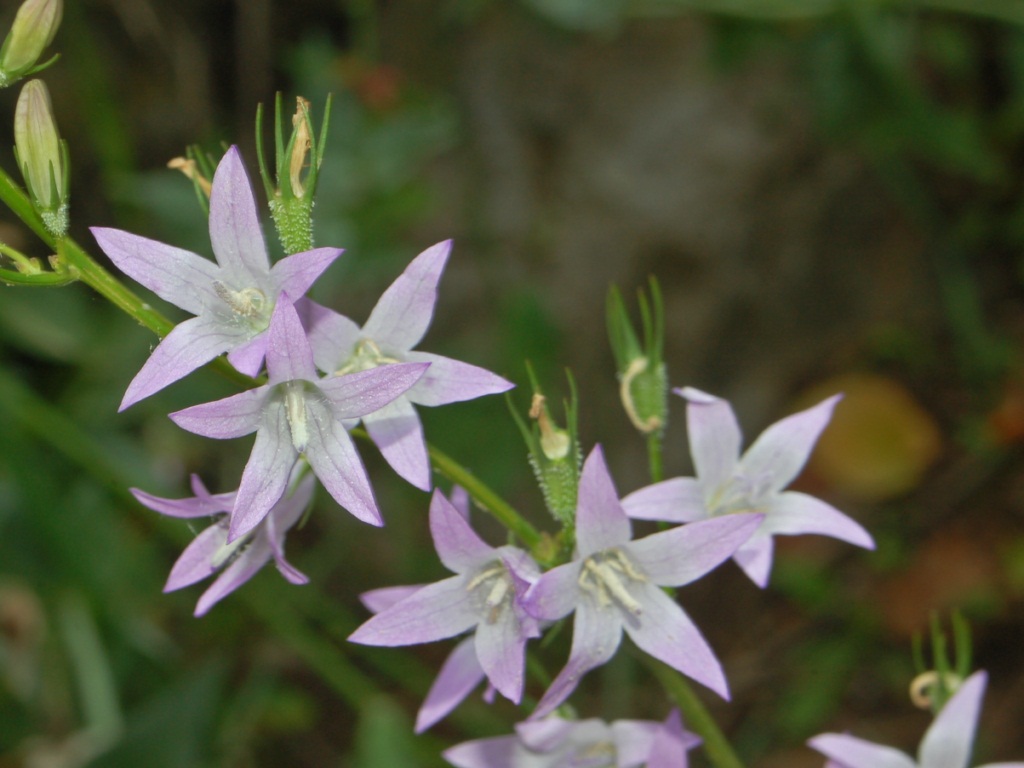
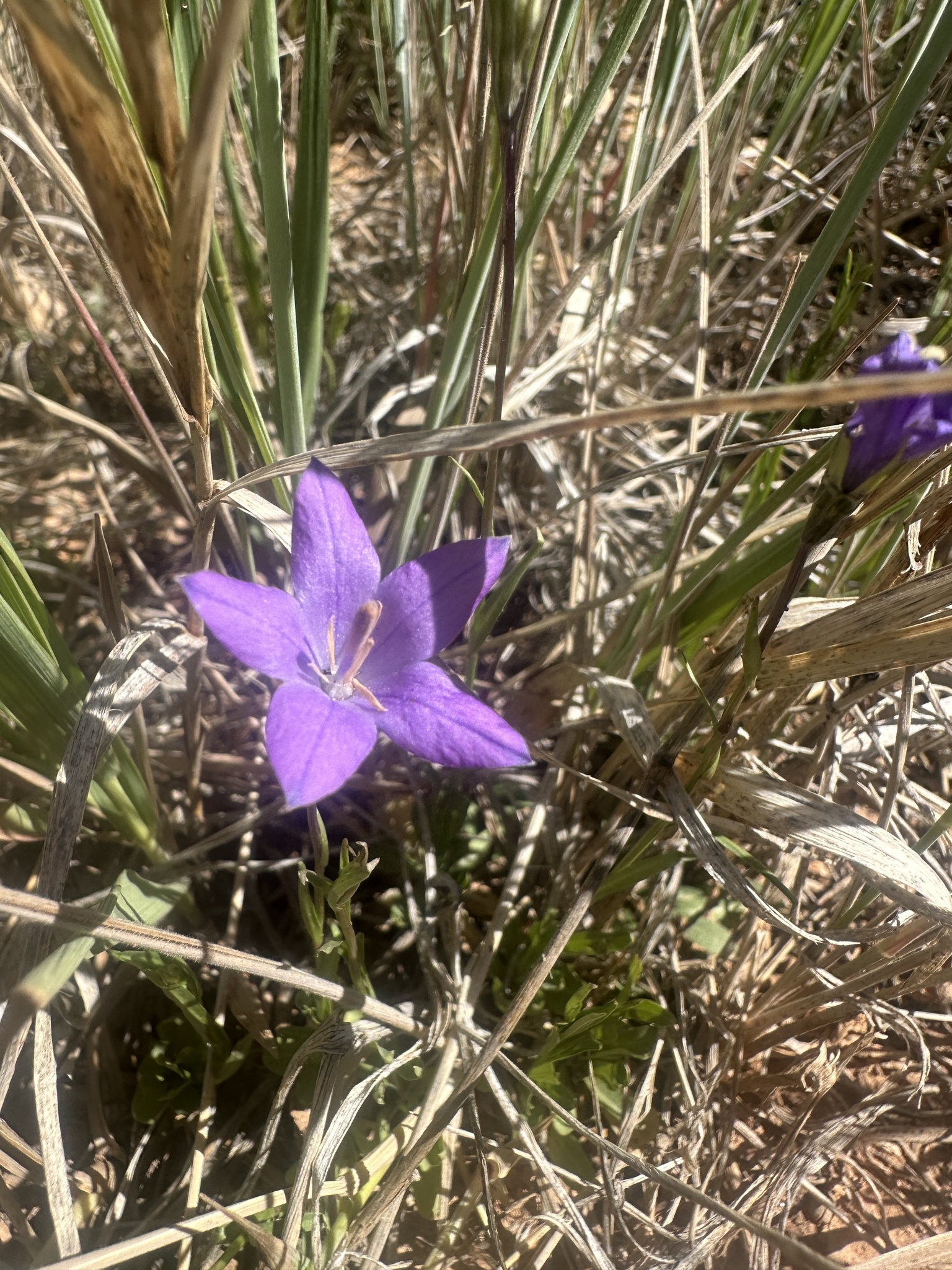
Peach-leaved bellflower (Campanula persicifolia) is an herbaceous perennial native to temperate regions of Eurasia. It forms upright clumps reaching 1 m (3.3 ft) in height, bearing glossy green foliage and striking cup-shaped flowers during summer.
This plant suits cottage gardens and perennial borders where soil remains moderately moist. It requires proper deadheading to extend the blooming season and prevent unwanted self-seeding.
Key Facts
- Light: Full sun to partial shade
- Water: Keep soil evenly moist
- Height: Up to 1 m (3.3 ft)
- Bloom Season: Early to mid-summer
- Hardiness: USDA Zones 3 to 8
Where Peach-Leaved Bellflowers Fit in the Garden
Peach-leaved bellflower suits cottage borders, woodland edges, and perennial cut-flower gardens. You can plant them in groups of three to five to create strong vertical accents when they bloom in June and July.
- Plant near the front or middle of borders where their narrow foliage remains tidy.
- Pair with lower-growing perennials to hide any lower leaf dieback by midsummer.
- Use cut stems in floral arrangements for long-lasting indoor displays.
This species is not considered invasive, though established clumps will gradually expand via short rhizomes and occasional self-seeding in ideal conditions.
What Peach-Leaved Bellflowers Look Like
The plant features distinct narrow, glossy, bright green leaves measuring up to 10 cm (4 in) long, which resemble peach tree foliage. Stems grow erect and unbranched up to 1 m (3.3 ft) tall.
- Blossoms are wide, cup-shaped bells measuring 4 cm (1.5 in) across.
- Flower colors range from pale lilac-blue to pure white.
- Blooms appear in terminal racemes from late spring through mid-summer.
As the season progresses, older basal leaves may yellow and wither, which is a normal part of the plant’s growth cycle.
Choosing the Right Site for Peach-Leaved Bellflower Care
Select a location with full sun to partial shade to keep stems sturdy and encourage heavy flowering. Plants grown in deep shade tend to flop and produce fewer blooms.
- Provide well-draining soil rich in organic matter to support active summer growth.
- Avoid waterlogged winter sites, which rot the shallow root systems.
- Ensure good air circulation around the base to prevent fungal leaf spot issues.
In hot inland climates, afternoon shade protects the delicate cup-shaped blossoms from scorching and fading too quickly.
How to Plant Peach-Leaved Bellflower Seeds and Root Clumps
Establish container-grown plants or bare root clumps in spring or early autumn when soil temperatures are cool and moist. Space individual plants 30 cm (12 in) apart to allow proper air movement.
- Dig a hole twice as wide as the root ball and amend heavy clay with compost.
- Set the crown level with the soil surface; burying it too deep causes rot.
- Press soil gently around the roots and water thoroughly to settle air pockets.
If starting from seeds, surface-sow them in trays during spring and press them lightly into moist compost without covering, as light aids germination.
Watering and Feeding Schedules
Provide 2.5 cm (1 inch) of water weekly during dry summer spells to maintain moist, healthy soil. Established clumps tolerate occasional dry periods but flower less abundantly without regular moisture.
- Water at the base of the plant in the morning to keep foliage dry.
- Apply a balanced, slow-release organic fertilizer in early spring as new shoots emerge.
- Mulch around the base with a 5 cm (2 in) layer of leaf mold to retain soil moisture.
Avoid excessive nitrogen feeding, which triggers lush, weak foliage at the expense of sturdy flower spikes.
Pruning and Deadheading Techniques
Cut spent flower stalks back to the basal rosette after the primary bloom cycle to encourage a second flush of flowers in late summer. Regular deadheading directs plant energy into root and leaf health.
- Snip individual faded bells daily or remove entire stalks once all blossoms drop.
- Cut all foliage back to ground level in late autumn once the stems turn brown.
- Divide large, congested clumps every 3 to 4 years in early autumn to maintain vigor.
Staking may be necessary in windy gardens where tall cultivars reach their maximum height without wind protection.
Troubleshooting Peach-Leaved Bellflower Problems
Common issues include powdery mildew, slug damage, and floppy stems caused by insufficient sunlight or excess nitrogen. Prompt action keeps plants looking clean through the growing season.
- Yellow lower leaves: Normal aging or underwatering during extended heat waves.
- Chewed foliage: Slugs and snails feeding on tender spring shoots at night.
- Lack of blooms: Too much shade or fertilizer causing excessive leaf growth.
Apply organic slug bait around emerging spring shoots if local populations threaten young foliage.
Peach-Leaved Bellflower Through the Seasons
| Spring | Clear away old winter debris, apply a layer of compost around the base, and divide overgrown clumps before new growth reaches 15 cm (6 in) in height. |
|---|---|
| Summer | Water regularly during dry spells, deadhead spent flower spikes promptly to encourage repeat blooming, and stake taller stems if necessary. |
| Autumn | Cut dead stems back to ground level after frost, collect ripe seed capsules if desired, and plant new container-grown stock. |
| Winter | Ensure drainage remains clear around dormant crowns and apply a light mulch in colder regions to prevent frost heave. |
Diagnosing Peach-Leaved Bellflower Problems
| What you see | Likely cause | What to do |
|---|---|---|
| Leaves turning yellow at the base | Natural senescence or drought stress | Remove dead leaves and ensure the soil receives adequate moisture. |
| Stems falling over or flopping | Excess shade or too much nitrogen fertilizer | Move plants to a sunnier spot and avoid high-nitrogen feeds. |
| Holes in leaves and stems | Slug or snail activity | Apply iron phosphate bait around the base of the plant in early spring. |
| White powdery coating on foliage | Powdery mildew from poor air circulation | Thin out crowded stems and water only at the soil level. |
Popular Peach-Leaved Bellflower Cultivars
- ‘Telham Beauty’ – large, pale porcelain-blue bells on 90 cm (3 ft) stems
- ‘Alba’ – pure white cup-shaped flowers with bright green foliage
- ‘Takion Blue’ – compact habit growing to 45 cm (18 in) with deep blue blooms
- ‘Grandiflora’ – produces larger individual blossoms than the species type
Companion Plants for Peach-Leaved Bellflowers
Grow peach-leaved bellflowers alongside shade-tolerant perennials and grasses to create textural contrast in garden borders. Good companions include cranesbill geranium (Geranium sanguineum), lady’s mantle (Alchemilla mollis), and coral bells (Heuchera sanguinea).
- Pair blue cultivars with yellow hostas (Hosta sieboldiana) for bright color combinations.
- Weave them between ornamental grasses like feather reed grass (Calamagrostis acutiflora) for vertical variety.
- Combine white forms with ferns (Polystichum munitum) in damp woodland garden pockets.
Select plants that share similar moisture and sunlight needs to reduce competition in shared beds.
Frequently Asked Questions
Are peach-leaved bellflowers invasive?
Peach-leaved bellflowers are not considered invasive, though established plants will self-seed moderately in favorable garden conditions.
How do you care for campanula persicifolia?
Care for campanula persicifolia by providing full sun to partial shade, moist well-drained soil, and regular deadheading after summer flowering.
When should you deadhead peach-leaved bellflowers?
Deadhead peach-leaved bellflowers right after their main summer bloom finishes in July by cutting stems back to basal growth to trigger a second flush.
Can you grow campanula persicifolia from seeds?
You can grow campanula persicifolia from seeds by surface-sowing them in trays during spring, as light is required for successful germination.
Sources & Verification
Taxonomy and distribution are checked against the databases below. Care guidance is written for cultivated species only and reviewed by our editor. How We Build Plant Profiles →