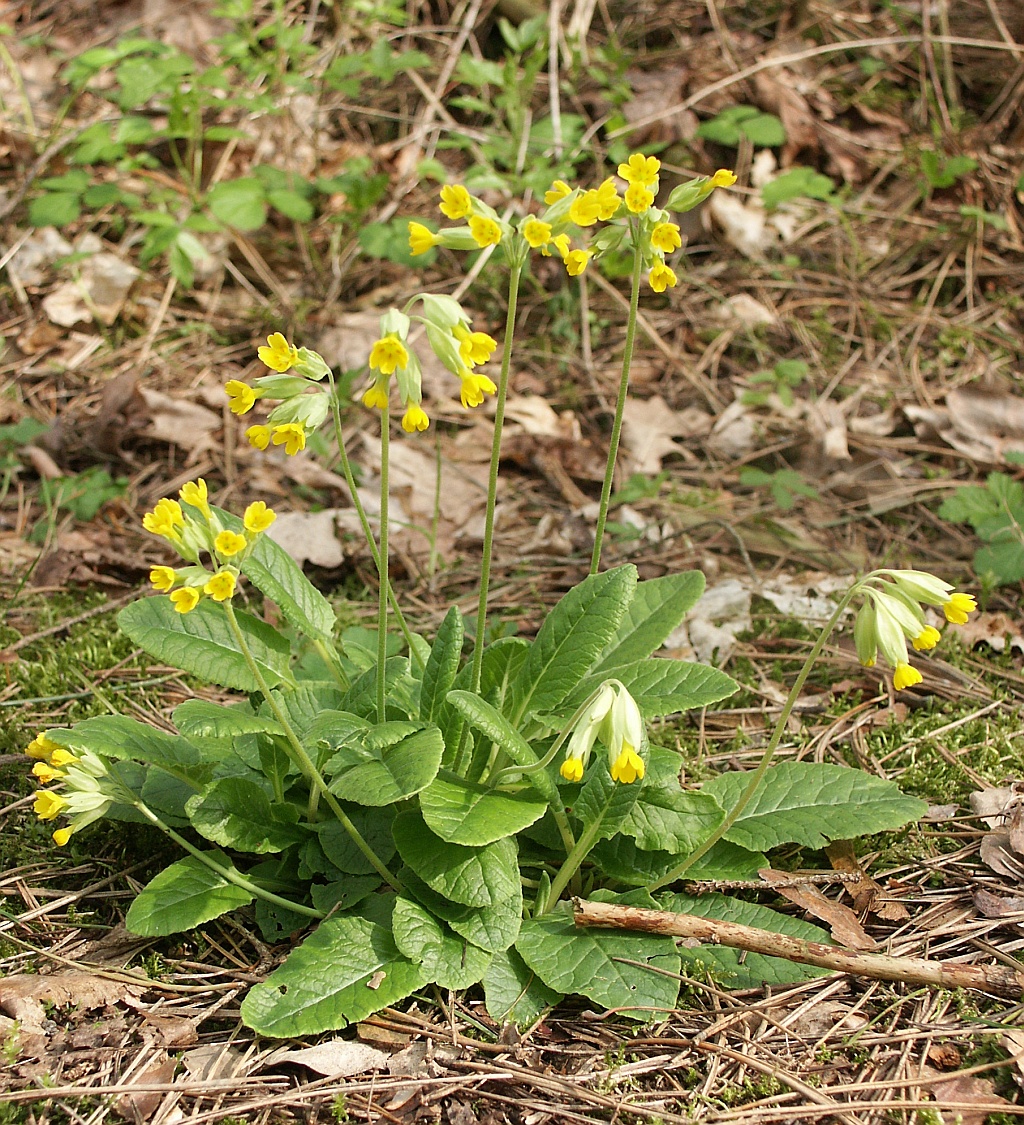
Fairy primrose (Primula malacoides) is a cool-climate biennial from south-central China and the eastern Himalayas, recognised by tiered whorls of scented blooms held above soft rosettes of pale green foliage.
While botanically a short-lived perennial, gardeners in temperate and Mediterranean regions treat it as a cool-season annual because it collapses when summer temperatures exceed 24 °C (75 °F).
Key Facts
- Plant Type: Short-lived perennial grown as a cool-season annual
- Bloom Window: Mid-winter through spring in mild climates
- Light: Dappled shade or cool morning sun
- Water: Keep soil evenly moist; avoid wetting the crown
- Height: 20 to 40 cm (8 to 16 in)
Growing Fairy Primrose in Gardens and Pots
Fairy primrose suits gardeners looking for abundant winter and early spring flowers in cool, frost-light regions. It performs best when planted out in autumn in mild-winter climates such as coastal California, South Africa, Australia, and New Zealand, providing colour while most garden plants are dormant.
Because it requires cool root runs and ambient temperatures between 10 and 18 °C (50 and 65 °F), it fails in humid, hot summers. Container cultivation on sheltered balconies, unheated porches, or cold greenhouses allows gardeners in freezing northern zones to treat it as a potted winter specimen.
Fairy Primrose Identification and Characteristics
Fairy primrose forms a neat basal rosette of pale green, oval leaves with toothed margins, measuring 4 to 8 cm (1.5 to 3 in) long and covered in fine, glandular hairs. The undersides of the leaves and flowering scapes often exhibit a white, powdery coating known as farina.
Slender, upright flower stems reach 20 to 40 cm (8 to 16 in) in height, bearing two to six stacked, tiered whorls of salverform blossoms. Each flower measures 1 to 2 cm (0.4 to 0.8 in) across with five notched petals, displaying a small yellow eye surrounded by petal hues ranging from pure white to lilac, rose, and deep purple.
Where to Plant Fairy Primrose
Position fairy primrose in a site that receives bright morning sun and afternoon shade, or beneath deciduous trees that cast dappled light. Intense, direct midday sun bleaches the flowers and scorches the tender foliage.
The planting area must provide shelter from harsh, drying winds and waterlogged conditions. High spots in woodland borders, north- or east-facing beds, and raised planters provide the cool root zone and good air movement this species requires.
Soil Preparation and Planting Out
Set young fairy primrose plants into humus-rich soil spaced 15 to 20 cm (6 to 8 in) apart to allow air circulation between the soft leaves. Plant crowns level with or slightly above the surrounding soil surface, as burying the crown invites fungal rot.
Incorporate 5 to 8 cm (2 to 3 in) of well-rotted leaf mould, compost, or aged manure into the top 15 cm (6 in) of the bed before planting. Fairy primrose thrives in slightly acidic to neutral soil with a pH of 5.5 to 6.5; avoid heavy, compacted clay that holds standing water in winter.
Watering and Fertilizer Needs
Water thoroughly whenever the top 2.5 cm (1 in) of soil feels dry, directing the stream around the base rather than over the central foliage. Saturated soils cause root rot, while letting the root ball dry out leads to sudden collapse and bud drop.
Apply balanced liquid nutrition during the active flowering period to sustain continuous bloom production:
- Feed every 14 days with a half-strength liquid fertiliser (10-10-10 or 5-5-5).
- Water the soil before feeding to protect delicate root systems from burn.
- Halt all fertiliser applications as temperatures rise above 21 °C (70 °F) in late spring.
- Maintain a 2 cm (0.8 in) layer of fine compost mulch around plants to preserve moisture without burying the crowns.
Deadheading and Grooming
Snip spent flower stems back to the base of the central rosette as soon as individual flower whorls fade to encourage the plant to send up fresh flowering stalks. Use clean, sharp bypass snips rather than pulling by hand to avoid uprooting shallow anchor roots.
Remove yellowing or damaged outer leaves at their base to maintain airflow and prevent Botrytis grey mould. Wearing gardening gloves while grooming is advisable, as glandular hairs on Primula malacoides produce the contact allergen primin, which irritates sensitive skin.
How to Grow Fairy Primrose from Seed
Sow fresh fairy primrose seeds onto the surface of fine seed compost in late summer or early autumn, as they require light to germinate. Do not cover the dust-like seeds with compost; press them gently into the moist medium and mist lightly.
Follow this propagation sequence for maximum germination:
- Maintain seed trays at 15 to 18 °C (60 to 65 °F); temperatures above 20 °C (68 °F) trigger dormancy.
- Enclose the tray in a clear bag or plastic dome to retain 80% humidity until shoots emerge in 14 to 21 days.
- Move seedlings into bright indirect light as soon as green shoots appear.
- Prick out seedlings into individual 7.5 cm (3 in) pots once they develop two sets of true leaves.
- Transplant outdoors once roots fill the containers and daytime autumn temperatures moderate.
Winter Care and Frost Protection
Fairy primrose tolerates light frosts down to -4 °C (25 °F), but hard freezes damage its fleshy buds and foliage. In regions colder than USDA Zone 8, grow plants in containers that can be brought into a cool, bright porch, cool greenhouse, or windowsill over winter.
For in-ground plantings facing an unseasonal cold snap, drape light horticultural fleece over the beds overnight, removing it the following morning when temperatures rise. Keep the soil slightly drier during freezing spells, as damp roots in cold soil quickly decay.
Managing Fairy Primrose Bloom Cycles
Fairy primrose blooms continuously for 8 to 12 weeks when ambient daytime temperatures remain between 10 and 15 °C (50 and 60 °F). The plant forms flower buds in response to cool nights, making it a dependable winter and early spring bloomer in mild climates.
Prolong the flowering display by placing outdoor containers where they catch gentle morning light but remain shaded from midday heat. As soon as daytime temperatures regularly exceed 24 °C (75 °F) in late spring, seed pods form rapidly and the plant naturally finishes its life cycle.
Seasonal Tasks for Fairy Primrose
| Spring | Deadhead spent flower stalks weekly to prolong the display. Gradually reduce watering as temperatures rise above 21 °C (70 °F), and collect seed pods if you plan to sow in late summer. |
|---|---|
| Summer | Compost finished plants in warm zones, as heat ends their cycle. Store collected seeds in a cool, dark, airtight container at 4 to 8 °C (40 to 46 °F) until autumn sowing. |
| Autumn | Sow seeds in shallow trays at 15 to 18 °C (60 to 65 °F) under bright indirect light. Plant out hardened-off nursery seedlings into prepared, compost-amended beds spaced 18 cm (7 in) apart. |
| Winter | Provide light frost cloth protection if temperatures drop below -4 °C (25 °F). Feed potted plants every two weeks with half-strength liquid bloom fertiliser, and remove yellowing lower leaves. |
Fairy Primrose Symptoms and Solutions
| What you see | Likely cause | What to do |
|---|---|---|
| Yellow, wilting lower leaves with brown crown tissue | Crown rot or overwatering in poorly drained soil | Reduce watering frequency, let top soil dry out, and ensure plant crowns sit slightly above the soil surface. |
| Fine webbing beneath foliage and stippled, pale leaves | Two-spotted spider mites in dry indoor or greenhouse air | Rinse foliage with cool water and increase ambient humidity around the plants. |
| Grey fuzzy fungal growth on blossoms and stems | Botrytis cinerea due to overhead watering and crowded airflow | Cut away infected plant material, space plants 18 cm (7 in) apart, and apply water directly to soil. |
| Rapid wilting and premature petal drop during midday | Excess heat or direct afternoon sunlight exposure | Relocate containers to cool, dappled morning light or erect temporary shade cloth. |
Fairy Primrose Cultivars and Colour Forms
- ‘Lollipop Series’ – compact habit with dense flower whorls in mixed colours
- ‘Prima White’ – pure white petals with clear golden-yellow centres
- ‘Prima Lavender’ – pale violet-blue blossoms on sturdy 25 cm (10 in) stems
- ‘Carmine Rose’ – intense deep magenta blooms with contrasting eye
- ‘Juliet Mixed’ – uniform bedding strain in pink, rose, white, and lilac
Best Companion Plants for Fairy Primrose
Combine fairy primrose with cool-season annuals and woodland perennials that share its preference for moist, humus-rich soil and partial shade. Its fine, airy flower stalks create contrast against broad-leaved foliage and groundcovers.
Excellent garden companions include:
- Cyclamen (Cyclamen persicum) for complementary winter blooms and patterned foliage.
- Pansy (Viola tricolor) to fill foreground space with deep complementary colours.
- Forget-me-not (Myosotis sylvatica) for soft blue highlights around the tiered pink and white scapes.
- Lenten rose (Helleborus orientalis) as a broad-leaved backdrop in damp, woodland borders.
- Sweet alyssum (Lobularia maritima) for cascading groundcover in mixed winter containers.
Frequently Asked Questions
Is fairy primrose a perennial or an annual?
Botanically, fairy primrose is a short-lived perennial or biennial, but it is treated as a cool-season annual in most gardens because it deteriorates quickly under summer heat.
Are fairy primrose flowers edible?
No, fairy primrose is not considered an edible flower and should not be consumed. Like many species in its genus, the plant contains primin and other saponins that can cause nausea, vomiting, or skin irritation.
Why is my fairy primrose dropping flower buds?
Bud drop is usually caused by warm indoor temperatures exceeding 20 °C (68 °F) or allowing the potting soil to dry out completely between waterings. Move the pot to a cooler location between 10 and 15 °C (50 and 60 °F) and keep the soil evenly moist.
What is the symbolic meaning of fairy primrose?
Fairy primrose traditionally symbolises early youth, renewal, and gentle affection, reflecting its delicate tiered flowers that open at the end of winter.
Can you grow fairy primrose indoors?
Yes, fairy primrose grows indoors if kept in an unheated room, enclosed porch, or bright windowsill away from radiators, where temperatures remain cool at 10 to 16 °C (50 to 60 °F).
Sources & Verification
Taxonomy and distribution are checked against the databases below. Care guidance is written for cultivated species only and reviewed by our editor. How We Build Plant Profiles →
- Kew Plants of the World OnlineTaxonomy, native range in China and Himalayas, and botanical synonyms.
- Royal Horticultural SocietyAward of Garden Merit details, cultivation conditions, and hardiness ratings.
- NC State Extension Gardener Plant ToolboxPlant characteristics, contact dermatitis warnings, and landscape use.
- GBIF — Global Biodiversity Information Facilitytaxonomy, synonyms, occurrence records
- Wikipediageneral reference