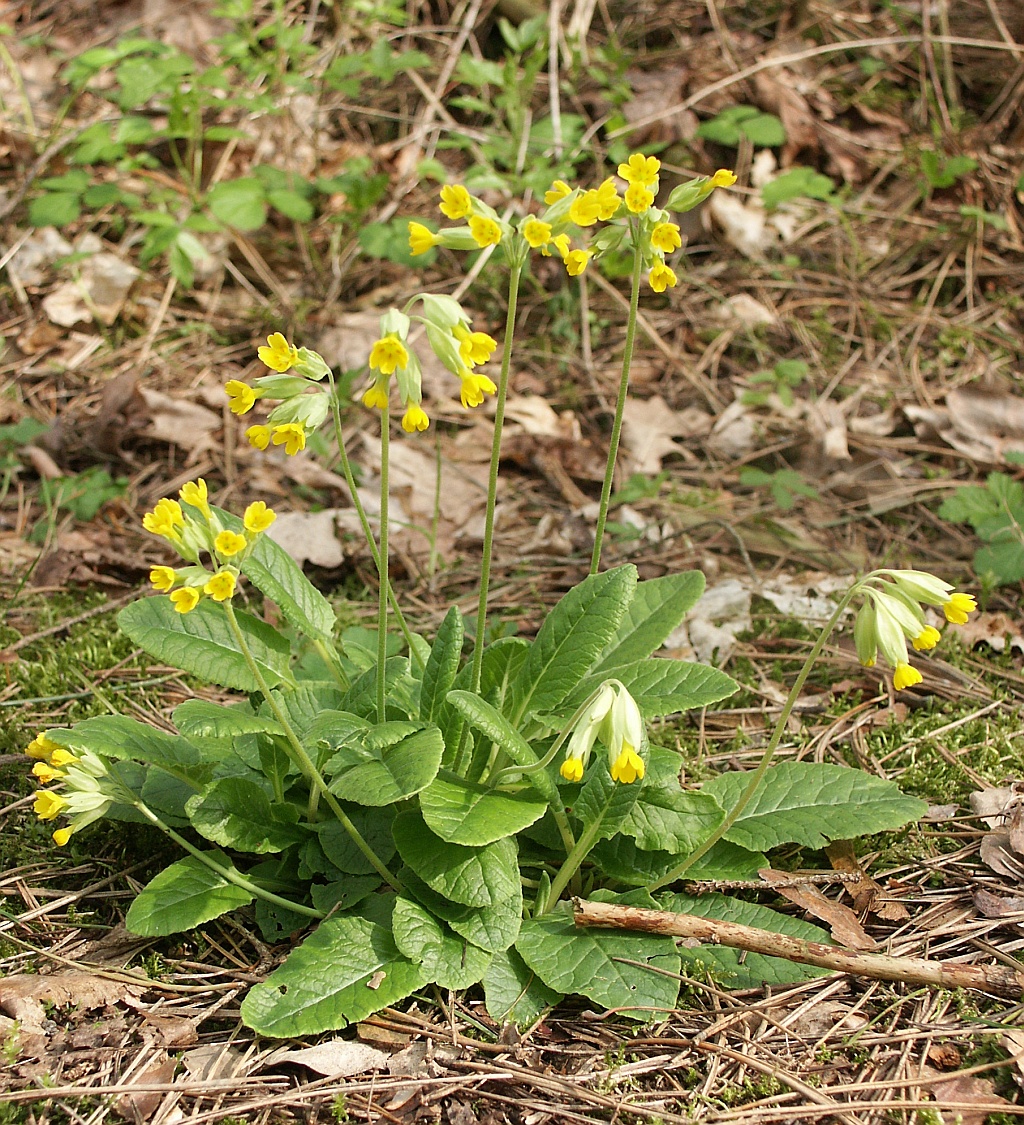
German primrose (Primula obconica) is a cool-season evergreen perennial native to moist woodlands and rocky slopes across central and western China, notable for its upright flower umbels that emerge when most garden plants are dormant.
Traditional strains secrete the allergen primin from microscopic leaf hairs, meaning you must wear gloves during handling unless growing certified primin-free cultivars.
Key Facts
- Light: Dappled shade outdoors; bright indirect light indoors
- Water: Keep soil evenly moist; do not allow rootball to dry out
- Temperature: Prefers cool conditions between 10–18 °C (50–65 °F)
- Toxicity: Contact allergen causing skin blistering; mildly toxic if ingested
- Bloom time: Mid-winter through late spring
Is German Primrose Right for Your Garden?
German primrose suits sheltered, frost-free courtyards, alpine houses, and cool indoor window sills. It serves as a short-lived perennial in maritime zones such as coastal Europe, parts of Australia, and New Zealand, but growers in colder climates treat it as an indoor pot plant or seasonal winter annual.
This plant fails rapidly in dry, overheated indoor rooms and hot summer borders. It performs best for growers who can provide steady moisture, brisk ventilation, and ambient temperatures below 18 °C (65 °F).
How to Identify German Primrose
German primrose forms a basal rosette measuring 25–40 cm (10–16 in) high and 20–30 cm (8–12 in) wide. Its coarse, fleshy foliage and elevated flower heads distinguish it from stemless garden primroses.
Key botanical characteristics include:
- Leaves: Broadly ovate to heart-shaped (cordate), 5–15 cm (2–6 in) long, with wavy, scalloped margins and pale, bristly hairs across the petioles and undersides.
- Stems: Thick, erect, hairy flower scapes rising well clear of the foliage rosette.
- Flowers: Borne in terminal umbels of 5–15 salverform blossoms, each 2.5–4 cm (1–1.5 in) across, with notched petal lobes surrounding a distinct green or yellow eye.
- Flower colors: Shades of lavender, lilac, pink, salmon, rose, pure white, and sky blue.
Is German Primrose Poisonous to Humans?
German primrose is toxic to sensitive skin upon contact due to the chemical primin, which is secreted by tiny glandular hairs covering the stems and foliage. Touching the leaves triggers severe allergic contact dermatitis in many individuals, leading to red rash, swelling, burning sensations, and fluid-filled blisters within 24 to 48 hours.
Keep these safety precautions in mind:
- Wear nitrile gloves: Always don non-permeable gloves when pruning, deadheading, or potting traditional strains.
- Ingestion symptoms: Chewing the plant causes mouth pain, nausea, and vomiting in both humans and domestic pets.
- Seek modern strains: Commercial breeding has produced primin-free varieties, often sold under series names like ‘Touch Me’ or ‘Libre’, which eliminate the dermatitis risk completely.
Light and Temperature Requirements
German primrose requires bright, indirect light or dappled outdoor shade without direct midday sun. Intense sunlight bleaches the petals and scorches the tender, broad leaves within hours.
Temperature controls both flower production and plant longevity. Ideal conditions sit between 10–15 °C (50–59 °F). If temperatures climb persistently above 20 °C (68 °F), the plant ceases flower bud initiation, drops existing blossoms, and quickly deteriorates.
Soil and Potting Needs
Grow German primrose in a humus-rich, moisture-retentive substrate with a pH of 5.5 to 6.5. The root system requires continuous moisture access while demanding open, aerated pore space to avoid root rot.
For container cultivation or border preparation:
- Use a mix of two parts peat-free potting compost to one part coarse perlite or horticultural grit.
- Set the crown level with the soil surface; burying the central leaf rosette encourages crown rot.
- Select pots with unobstructed drainage holes and avoid standing the base in deep water trays.
How Often to Water and Feed
Water German primrose whenever the top 1 cm (0.4 in) of soil feels dry to the touch. Apply water directly to the soil surface around the edge of the pot rather than pouring into the center of the leaf rosette.
Apply a balanced liquid fertilizer at half-strength every 14 days from the appearance of the first winter flower buds until blooming concludes in late spring. Withhold all fertilizer during warm summer dormancy to prevent burning the inactive root system.
Pruning and Deadheading for Continuous Bloom
Deadhead German primrose by snapping or cutting spent flower stalks clean at the basal rosette as soon as individual florets begin to fade. Removing the entire scape prevents the plant from expending energy on seed production and stimulates new flower spikes.
Periodically remove yellowing, damaged, or declining outer leaves using clean shears. Never leave decomposing leaf tissue resting on wet compost, as this attracts grey mould (Botrytis cinerea) that can destroy the crown.
How to Grow German Primrose from Seed
German primrose seeds require light to germinate and a steady temperature of 15–18 °C (59–64 °F). Sow seeds in late spring or early summer to produce mature flowering specimens for the following winter.
Follow this propagation sequence:
- Fill shallow seed trays with a finely sifted, peat-free seed compost and water thoroughly.
- Sow seeds thinly on the surface without covering them, as light is mandatory for germination.
- Cover the tray with a clear plastic dome to maintain humidity and position in bright indirect light.
- Expect emergence within 14–21 days, then prick out seedlings into small pots when the first true leaf pairs appear.
Overwintering German Primrose
Protect the plant whenever outdoor temperatures fall below 2 °C (35 °F). While classified as hardy in USDA Zones 8 to 10, prolonged sub-zero freezing spells kill the fleshy foliage and destroy unopened winter flower buds.
In cool temperate regions like the UK or northern US, overwinter plants in an unheated porch, cool greenhouse, or frost-free cold frame. Keep ventilation high on dry days and reduce watering so the potting compost remains barely moist rather than wet.
Seasonal Care for German Primrose
| Spring | Deadhead spent flower stalks at the base every week. Apply a balanced liquid feed at half-strength every 14 days, and move containers out of direct sunlight as sun intensity rises. |
|---|---|
| Summer | Relocate outdoor pots to deep shade and cool indoor plants away from warm windows. Reduce watering frequency, allowing the surface to dry slightly between applications, and withhold fertilizer entirely. |
| Autumn | Inspect plants for aphids and vine weevil grubs. Repot rootbound specimens into fresh compost, resume light feeding when new growth appears, and bring pots indoors before the first hard autumn frost. |
| Winter | Maintain bright indirect light and cool temperatures between 10–15 °C (50–59 °F). Keep soil consistently moist with lukewarm water, avoiding the crown, and remove fading blooms promptly. |
Diagnosing Common German Primrose Problems
| What you see | Likely cause | What to do |
|---|---|---|
| Yellowing leaves with pale green patches | Overwatering or alkaline soil causing iron deficiency | Allow topsoil to dry before watering and ensure compost maintains an acidic pH between 5.5 and 6.5. |
| Flaccid, collapsed flower stems | Dry rootball or room temperatures above 20 °C (68 °F) | Soak the root system from the bottom for 20 minutes and move the plant to a cooler, well-ventilated spot. |
| Grey fuzzy mould on crowns and leaf bases | Botrytis cinerea caused by water trapped on foliage in stagnant air | Cut away infected tissues, water strictly around the container rim, and improve room airflow. |
| Fine webbing beneath leaves with speckled surface | Red spider mites thriving in dry indoor heating | Rinse foliage with cool water, lower ambient temperatures, and raise room humidity. |
Notable German Primrose Varieties and Cultivars
- ‘Touch Me’ – primin-free series safe to handle without gloves
- ‘Libre’ – compact, primin-free cultivar group in multiple colors
- ‘Original Mix’ – traditional tall strain bearing pastel flower umbels
- ‘Twilly Touch Me White’ – non-allergenic variety with pure white blooms
- ‘Twilly Touch Me Blue’ – primin-free strain producing soft violet-blue flowers
Companion Plants for Shaded Containers
German primrose pairs naturally with cool-season, shade-tolerant perennials that share its preference for moist, humus-rich soil. Because it blooms from late winter through early spring, choose partners with overlapping winter interest.
Effective companion species include:
- Persian cyclamen (Cyclamen persicum) for silver-marbled foliage and nodding pink or white blooms.
- Christmas rose (Helleborus niger) to provide sturdy evergreen structure and stark white winter flowers.
- Snowdrop (Galanthus nivalis) for delicate white bell flowers pushing through the soil around the primrose base.
- Heartsease (Viola tricolor) to fill bare soil around container rims with compact, contrasting bi-colour flowers.
Frequently Asked Questions
Why is it called poison primrose?
It is called poison primrose because its glandular leaf hairs produce primin, an allergen that triggers severe skin rashes and blistering upon touch.
Is Primula obconica a perennial?
Yes, it is a short-lived evergreen perennial in frost-free climates (USDA Zones 8–10), though it is frequently discarded after its winter bloom cycle when grown as a houseplant.
How do you care for Primula obconica in New Zealand?
In New Zealand, grow it outdoors in partial shade through autumn, winter, and spring in moist, free-draining soil, ensuring it is sheltered from harsh afternoon sun and heavy winter frost.
Can you grow Primula obconica from seed?
Yes, surface sow the fine seeds on moist compost at 15–18 °C (59–64 °F) in late spring; do not cover them, as they require light to germinate.
How can I prevent skin rash from this plant?
Wear non-permeable rubber or nitrile gloves when handling standard plants, or purchase modern primin-free cultivars such as the 'Touch Me' or 'Libre' series.
Sources & Verification
Taxonomy and distribution are checked against the databases below. Care guidance is written for cultivated species only and reviewed by our editor. How We Build Plant Profiles →
- Kew Plants of the World OnlineTaxonomic status and native distribution details.
- Royal Horticultural SocietyCultivation profile and dermatitis warning.
- North Carolina State Extension Gardener Plant ToolboxPlant characteristics and allergen data.
- GBIF — Global Biodiversity Information Facilitytaxonomy, synonyms, occurrence records
- Wikipediageneral reference