Plants in the Fabaceae Family
167 plant profiles · Learn to identify and grow plants in the Fabaceae family, featuring nitrogen-fixing trees, garden crops, ornamental vines, and shrubs.
The Fabaceae family, commonly known as legumes, beans, or peas, is united by dehiscent seed pods that split along two seams and a symbiotic relationship with nitrogen-fixing soil bacteria. Members range from small annual crops to timber trees taller than 30 m (98 ft), occupying ecosystems from dry desert scrub to rainforests. Most species feature alternate, compound leaves with stipules at the base of the petiole.
Floral structures vary across subfamilies, offering a reliable way to categorize these plants. Classic papilionaceous blossoms with a standard, wings, and keel appear on vines like sweet pea (Lathyrus odoratus) and Japanese wisteria (Wisteria floribunda). Tropical trees such as the siris tree (Albizia lebbeck) feature brush-like flower heads dominated by long stamens, while aquatic herbs like water mimosa (Neptunia prostrata) bear sensitive foliage that folds when touched.
Selecting the right species depends on climate hardiness and growth habit. Cool-temperate landscapes suit spring-flowering trees like eastern redbud (Cercis canadensis) and American yellowwood (Cladrastis kentukea). In arid or warm climates, food-producing trees such as carob (Ceratonia siliqua) and manila tamarind (Pithecellobium dulce) thrive in nutrient-poor soils, while peacock flower (Caesalpinia pulcherrima) serves as a drought-tolerant flowering shrub. Incorporating legumes into crop rotations improves soil nitrogen levels naturally.

Adzuki Bean
Vigna angularis
☀️ Full Sun 💧 Moderate

African Padauk
Pterocarpus soyauxii
☀️ Full Sun 💧 High

Agati
Sesbania grandiflora
☀️ Full Sun 💧 High

Alexandrian Senna
Senna alexandrina
☀️ Full Sun 💧 Low

Alfalfa
Medicago sativa
☀️ Full Sun 💧 Low

Alyce Clover
Alysicarpus vaginalis
☀️ Full Sun 💧 Moderate

American Coral Tree
Erythrina americana
☀️ Full Sun 💧 Low

American Sicklepod
Senna obtusifolia
☀️ Full Sun 💧 Moderate

American Yellowwood
Cladrastis kentukea
☀️ Full Sun 💧 Moderate

Anil Indigo
Indigofera suffruticosa
☀️ Full Sun 💧 Moderate

Annual Yellow Sweet Clover
Melilotus indicus
☀️ Full Sun 💧 Low

Ashoka Tree
Saraca asoca
☀️ Full Sun 💧 Moderate

Australian Blackwood
Acacia melanoxylon
☀️ Full Sun 💧 Moderate

Avaram
Senna auriculata
☀️ Full Sun 💧 Low
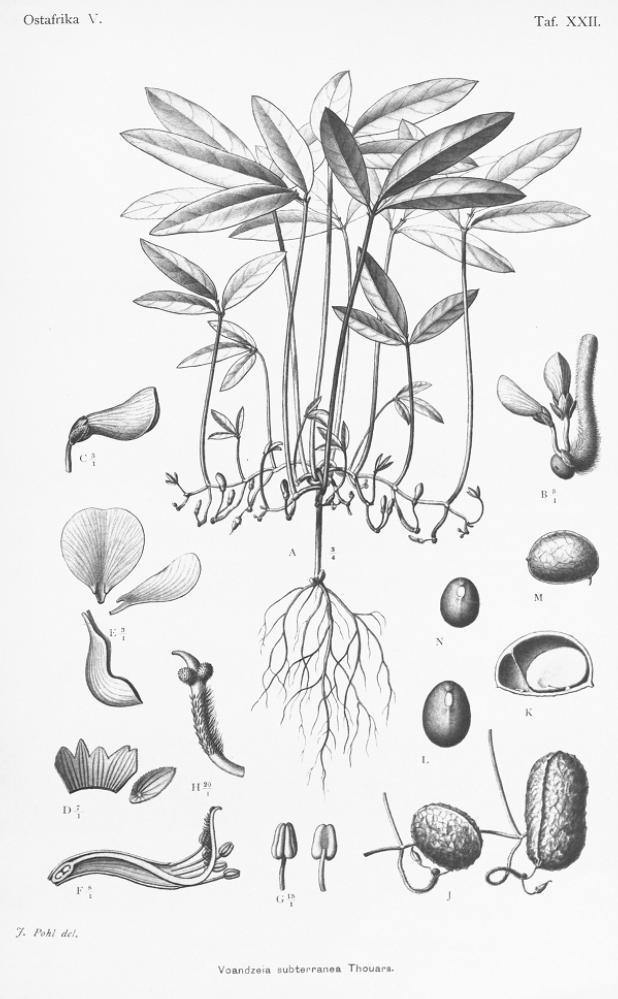
Bambara Groundnut
Vigna subterranea
☀️ Full Sun 💧 Moderate

Bat-Wing Coral Tree
Erythrina vespertilio
☀️ Full Sun 💧 Low

Beach Pea
Lathyrus japonicus
☀️ Full Sun 💧 Moderate

Bean Trefoil
Anagyris foetida
☀️ Full Sun 💧 Low
Bird Vetch
Vicia cracca

Bird’s-Foot Trefoil
Lotus corniculatus

Bitter Vetch
Vicia ervilia
☀️ Full Sun 💧 Low

Black Cutch
Senegalia catechu
☀️ Full Sun 💧 Low

Black Gram
Vigna mungo
☀️ Full Sun 💧 Moderate

Black Locust
Robinia pseudoacacia
☀️ Full Sun 💧 Low
Common Questions
What key feature identifies plants in the Fabaceae family?
Plants in the Fabaceae family are identified by seed pods (legumes) that split open along two seams and alternate, compound foliage.
Do all Fabaceae plants fix nitrogen in the soil?
Most Fabaceae species fix atmospheric nitrogen via root nodules formed with Rhizobium bacteria, though early-diverging groups like redbuds do not.
Are plants in the Fabaceae family toxic to animals?
Toxicity varies significantly within the family, as seeds of wisteria and yellowwood contain harmful lectins or alkaloids, while crops like peas and beans are edible.
How do you germinate Fabaceae seeds?
Fabaceae seeds typically require scarification or hot-water soaking for 12-24 hours to break through their hard, water-impermeable seed coats.