
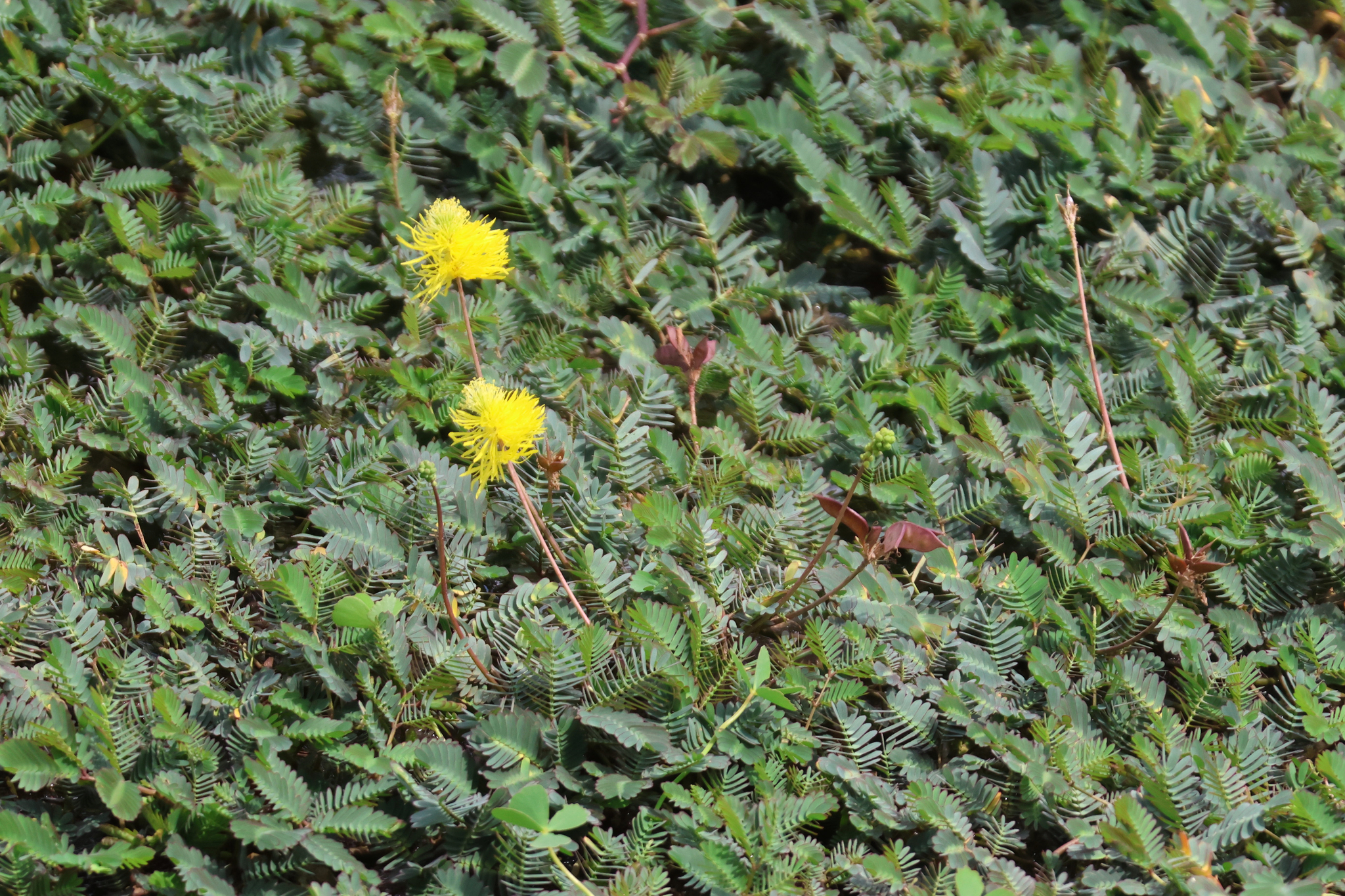
Water mimosa (Neptunia prostrata) is a floating aquatic perennial legume native to tropical wetlands across Asia, Africa, and South America, distinguished by white spongy tissue wrapped around its buoyant stems. Its fine leaflets fold shut when touched, sharing touch-sensitive movement with terrestrial sensitive plants.
Growing this vegetable requires warm freshwater with a minimum depth of 30 cm (12 in) and water temperatures above 18 °C (64 °F) to prevent rot. The young shoot tips and leaves yield a crunchy green vegetable harvested throughout the warmer months.
Key Facts
- Plant type: Floating aquatic legume
- Minimum water temperature: 18 °C (64 °F)
- Water depth: 20 to 100 cm (8 to 39 in)
- Light: Full sun, 6 to 8 hours daily
- Days to harvest: 30 to 45 days from stem cuttings
- Edible parts: Young shoot tips, tender leaves, and immature pods
Is Water Mimosa Right for Your Pond or Water Garden?
Water mimosa suits warm-climate ponds, heated outdoor tubs, and large greenhouse water features that provide unrestricted surface area and continuous heat. The plant spreads rapidly on calm water surfaces, sending out sprawling runners that blanket several square metres in a single season.
This species fails quickly in regions where water temperatures drop below 15 °C (59 °F), making it an annual or greenhouse specimen in temperate zones. In tropical and subtropical climates, its quick runner production requires containment to prevent it from choking pumps or crowding delicate water flora.
You should consider this plant if you have:
- A dedicated outdoor pond or aquatic trough receiving direct sun
- Water filtration or circulation slow enough to leave floating stems undisturbed
- A steady ambient temperature above 20 °C (68 °F) for at least three months
- An appetite for crisp, nutrient-dense aquatic greens
Identifying Water Mimosa Leaves, Stems, and Flowers
Water mimosa is recognized by prostrate aquatic stems sheathed in thick, white, spongy aerenchyma tissue that allows the shoots to float. This spongy coat develops between the nodes on mature stems and reaches thicknesses of 1 to 2 cm (0.4 to 0.8 in).
The leaves are alternate and bipinnate, bearing two to four pairs of pinnae, with each pinna carrying ten to twenty pairs of narrow, oblong leaflets. Like sensitive plant (Mimosa pudica), the leaflets fold inward and droop rapidly when brushed, shaken, or exposed to rain. Stems that creep onto wet mud shores produce less white aerenchyma and form standard fibrous roots at the nodes.
Flowers emerge on erect stalks measuring 15 to 30 cm (6 to 12 in) above the waterline:
- Inflorescences form dense, spherical to oblong yellow heads 1.5 to 2.5 cm (0.6 to 1 in) in diameter
- The lower flowers of the head are sterile with extended, petal-like yellow staminodes
- Upper flowers are bisexual and fertile, producing small brown anthers
- Fertilized blooms develop flat, brown, dehiscent pods 2 to 3 cm (0.8 to 1.2 in) long containing four to eight seeds
Water, Light, and Temperature Conditions
Water mimosa requires full sun for six to eight hours daily and water temperatures between 22 and 32 °C (72 and 90 °F) to sustain vegetative spread. Shaded conditions lead to elongated, brittle runners and a rapid loss of spongy floating tissue.
The plant thrives in still to slow-moving freshwater ponds, irrigation ditches, and slow canals. Water depth should remain between 20 and 100 cm (8 and 39 in). While the plant can root into rich muddy silt in shallow margins, it spreads freely as a floating mat across deeper water.
Keep these water parameters in mind:
- Water pH: maintain between 6.0 and 7.5
- Water movement: minimal; avoid fast currents, waterfalls, or strong aerators that break fragile shoots
- Water depth: minimum 20 cm (8 in) to allow free root expansion beneath stems
- Chlorine: zero tolerance; dechlorinate municipal water before refilling outdoor tanks
How to Plant and Propagate Water Mimosa
Stem cuttings root in water within five to seven days, making vegetative division the fastest method to start new plants. Commercial growers and home gardeners rarely start from seed because vegetative fragments establish reliably.
To start from cuttings, sever healthy stem tips measuring 15 to 25 cm (6 to 10 in) long, ensuring each cutting includes at least three swollen nodes. Place the cuttings directly onto the water surface in a shallow, sunny container containing 10 cm (4 in) of warm water and a thin layer of pond compost or loam at the bottom. Fibrous aquatic roots will emerge from the nodes within a week.
If propagating from dry seed:
- Scarify the hard seed coat by rubbing gently with fine-grit sandpaper
- Soak scarified seeds in warm water at 30 °C (86 °F) for twenty-four hours
- Sow seeds into saturated pots of clay loam submerged under 2 cm (0.8 in) of standing water
- Maintain water temperatures at 26 to 30 °C (79 to 86 °F) until germination occurs in 7 to 14 days
Nutrient Needs and Daily Care
Water mimosa fixes its own atmospheric nitrogen through symbiotic rhizobia bacteria in its aquatic root nodules, requiring little supplemental nitrogen fertilizer. Excessive nitrogen applications produce soft, watery tissues that attract insect pests and reduce the shelf life of harvested tips.
In closed containers or artificial ponds, plants benefit from modest additions of potassium, phosphorus, and trace minerals. Insert slow-release aquatic plant fertilizer tabs into the sediment layer beneath the floating mat once every six to eight weeks during the summer growing period.
Routine care tasks include:
- Trimming back wandering runners that threaten neighboring aquatic plants
- Clearing fallen tree leaves and debris that collect on top of the floating mats
- Skimming duckweed (Lemna minor) or filamentous algae from around the stem bases
- Refilling water reservoirs to compensate for summer evaporation and transpiration losses
Harvesting Water Mimosa Shoots
Harvest young terminal shoots measuring 10 to 15 cm (4 to 6 in) long every two to three weeks once floating mats establish. Regular cutting prevents the stems from becoming woody and stimulates vigorous lateral branching.
Use clean kitchen shears to snip the tender green tips just above a node. Select shoots where the spongy white sheath is thin and soft, as older portions develop tough, fibrous textures that are unpleasant to chew. Early morning harvest yields the crispiest stems, before daytime heat causes midday transpiration loss.
Harvest rules to follow:
- Cut only healthy, actively growing shoots with vibrant green foliage
- Leave at least two mature nodes on each runner so the plant regenerates rapidly
- Avoid harvesting from runoff ditches, road verges, or untreated waterways subject to chemical runoff
- Rinse harvested stems in clean, running tap water immediately after picking
Cooking and Preparing Water Mimosa
Cook water mimosa shoots within twenty-four hours of harvest by stir-frying quickly over high heat or simmering in sour broths. In Southeast Asian cooking, particularly in Thailand where it is known as phak krachet, the vegetable is valued for its crisp texture and mild, cabbage-like flavor with earthy undertones.
Preparation requires peeling away the fibrous white sponge that coats the lower parts of the cut stem. Strip this spongy layer off using your fingers or a small paring knife, leaving the clean green stem core, tender leaflets, and terminal buds. Discard any yellowing leaflets or woody basal sections.
Common culinary preparations include:
- Stir-fried over high heat with garlic, bird’s eye chilies, and oyster sauce for 60 to 90 seconds
- Tossed into Thai sour curry (gaeng som) or Vietnamese sour soup (canh chua) just before removing from heat
- Blanched for 30 seconds in boiling salted water and served alongside spicy dipping sauces
- Paired in mixed vegetable stir-fries with water spinach (Ipomoea aquatica) or sliced lotus root (Nelumbo nucifera)
Common Growing Problems and Pests
The most frequent growth problem is water temperature dropping below 18 °C (64 °F), which causes leaf yellowing, tissue softening, and eventual stem rot. In unheated outdoor settings, cold snaps in late autumn will destroy the entire floating mat over several days.
Aquatic snails feed aggressively on tender shoot tips, chewing ragged holes in submerged and floating stems. Aphids occasionally infest above-water foliage during hot, dry spells, curling young leaves and coating stems in sticky honeydew. Wash aphids off using a fine spray of water; avoid chemical insecticides in ponds supporting fish or edible produce.
Watch for these specific signs:
- Yellowing leaves: cold water, low light levels, or iron deficiency in high-pH water
- Lack of white spongy floats: water is too shallow or stems are growing rooted on dry soil
- Foul-smelling, mushy runners: anaerobic bacterial rot caused by stagnant, uncirculated water
- Stunted shoot growth: heavy competition from surface blankets of water lettuce (Pistia stratiotes)
How to Store Fresh Water Mimosa
Freshly cut water mimosa stems stay crisp for two to three days when refrigerated in a sealed plastic bag lined with damp paper towels. The vegetable loses its crunch rapidly if exposed to dry refrigerator airflow.
Do not peel off the white spongy tissue until you are ready to cook the stems, as this natural sheath protects the inner green core from dehydration. If stems wilt slightly before cooking, submerge them in a bowl of ice-cold water for ten minutes to restore cellular turgor.
Storage guidelines:
- Store unwashed stems at 4 to 8 °C (39 to 46 °F) in the vegetable crisper drawer
- Avoid freezing raw water mimosa, as ice crystallization destroys its crisp cell structure completely
- Keep away from ethylene-producing fruits such as apples and bananas to prevent premature yellowing
- Use within 48 hours for optimal texture and vitamin retention
Seasonal Care for Water Mimosa
| Spring | Start stem cuttings indoors or in a greenhouse if ambient water is below 20 °C (68 °F). Move established plants into sunny outdoor ponds once all danger of frost has passed and water stays warm. |
|---|---|
| Summer | Harvest young shoot tips every two weeks to stimulate branching. Thin dense mats to maintain clear surface space, and top up water levels weekly to counter heavy evaporation. |
| Autumn | Take healthy 20 cm (8 in) stem cuttings before water drops below 18 °C (64 °F) to preserve stock over winter. Clear dying vegetative debris from the pond surface to prevent water fouling. |
| Winter | Overwinter cuttings indoors in a heated aquarium or sunny indoor water tub held at 22 to 26 °C (72 to 79 °F). Provide 10 to 12 hours of supplemental LED lighting daily. |
Water Mimosa Plant Problems Explained
| What you see | Likely cause | What to do |
|---|---|---|
| Yellowing leaflets and soft, decaying stem joints | Water temperature dropped below 18 °C (64 °F) | Move plants indoors or install an aquatic heater to raise water to 22 °C (72 °F). |
| Absence of white spongy float tissue along stems | Stems are growing on dry mud or in water under 5 cm (2 in) deep | Transfer runners into deeper standing water of at least 20 cm (8 in). |
| Chewed shoot tips and ragged leaf edges | Aquatic snail feeding | Remove snails manually from floating mats and place lettuce leaves overnight to trap them. |
| Slow growth and pale foliage despite warm water | Insufficient direct sunlight | Relocate water containers to receive at least six hours of unobstructed direct sun daily. |
Frequently Asked Questions
Is water mimosa edible?
Yes, water mimosa is entirely edible and widely cultivated as a vegetable in Southeast Asia. Growers harvest the tender shoot tips, leaves, and young pods to eat raw, stir-fried, or simmered in curries.
Can you grow water mimosa in an aquarium?
Yes, water mimosa grows well in open-top tropical freshwater aquariums with strong LED lighting and water temperatures above 22 °C (72 °F). You must regularly trim the runners to stop them from shading submerged aquatic plants.
What is the difference between water mimosa and sensitive plant?
Water mimosa (Neptunia prostrata) is an aquatic plant with floating stems covered in white spongy tissue, while sensitive plant (Mimosa pudica) is a terrestrial, prickly subshrub that rots in standing water. Both fold their leaflets when touched, but only water mimosa produces edible floating stems.
How often to water mimosa?
Water mimosa does not follow a watering schedule because it grows directly in standing water. Keep water depth between 20 and 100 cm (8 and 39 in) at all times.
Does water mimosa have traditional health uses?
Water mimosa was traditionally used in folk medicine across parts of Southeast Asia, where decoctions of stems and roots were prepared to lower fever or relieve earaches. Modern research focuses primarily on its nutritional profile as a source of dietary fiber, protein, and minerals.
Information about traditional or historical uses is provided for educational interest only and is not medical advice. Do not use any plant to treat a condition without speaking to a qualified professional.
Sources & Verification
Taxonomy and distribution are checked against the databases below. Care guidance is written for cultivated species only and reviewed by our editor. How We Build Plant Profiles →