

Water spinach (Ipomoea aquatica) is a fast-growing, semi-aquatic perennial vegetable native to Southeast Asia, recognised by its hollow, crunchy stems and lance-shaped leaves. It grows in boggy ground, aquatic containers, or flooded trenches, delivering high yields of tender cooking greens in tropical and warm temperate climates.
Growth halts entirely when temperatures drop below 15 °C (59 °F), making it an exclusively warm-season crop outside the tropics. In temperate zones, cultivate it in sealed containers or pond margins to control moisture and prevent it from invading natural waterways.
Key Facts
- Days to harvest: 30 to 45 days from sowing
- Watering needs: standing water or continuously boggy substrate
- Minimum temperature: 15 °C (59 °F) for active shoot production
- Light exposure: 6 to 8 hours of direct sunlight
- Soil pH: 5.5 to 7.0 in rich organic mud or loam
- Growth cycle: perennial grown as an annual in frost zones
Growing Water Spinach at Home
Growing water spinach successfully requires consistently saturated substrate and air temperatures consistently above 24 °C (75 °F). Because it is naturally an emergent aquatic plant, ordinary garden beds dry out too quickly unless heavily modified with organic matter and watered several times each day.
Most home growers succeed by planting in plastic containers without drainage holes, or by placing standard nursery pots inside water basins filled with 3 to 5 cm (1 to 2 in) of standing water. This container-bound approach also prevents the creeping vines from escaping into natural waterways, where it can choke out native flora in warm climates.
Gardeners working in USDA zones 9 and cooler should plant in late spring once night temperatures reliably exceed 16 °C (61 °F). Growth accelerates rapidly in high summer heat, producing cuttings every two weeks throughout July and August.
How to Identify Water Spinach
Water spinach forms hollow, spongy stems that creep horizontally or float across water, rooting adventitiously at each leaf node. The stems can reach lengths of 2 to 3 m (6.5 to 10 ft) in wild wetlands, but cultivated beds maintain them as dense upright mounds 20 to 40 cm (8 to 16 in) tall.
Key botanical characteristics include:
- Foliage: Alternate, glabrous leaves measuring 5 to 15 cm (2 to 6 in) long, varying from arrow-shaped (sagittate) in aquatic types to narrow and lanceolate in upland types.
- Stems: Green or pale greenish-white, completely hollow between nodes, exuding clear to slightly milky sap when snapped.
- Flowers: Solitary, funnel-shaped blooms 3 to 5 cm (1.2 to 2 in) wide, featuring white petals with a dark purple or mauve throat, resembling sweet potato (Ipomoea batatas) flowers.
- Fruit: Small, woody, four-valved capsules containing two to four dark brown, velvety seeds.
Soil, Sun, and Temperature Requirements
Water spinach requires full sun exposure of at least six hours daily and a soil pH between 5.5 and 7.0. Plants grown in partial shade develop thin, elongated stems with pale foliage and significantly reduced crispness.
The substrate must contain heavy amounts of decayed organic matter such as well-rotted compost or leaf mold mixed with garden loam. The plant tolerates heavy clay well because clay holds the excessive moisture this species demands, whereas coarse sandy soils drain too rapidly unless submerged entirely.
Heat is mandatory. Photosynthesis and stem production peak when daytime temperatures sit between 26 and 32 °C (79 and 90 °F). If nighttime water or air temperatures dip below 10 °C (50 °F), leaf edges blacken and shoot tips rot.
How to Grow Water Spinach from Seeds and Cuttings
Water spinach germinates best when seeds are soaked in warm water for 24 hours and planted 1 cm (0.4 in) deep. Seed coats are naturally tough, and warm soaking softens the outer layer to accelerate emergence.
Follow these steps to establish new plants:
- Sow indoors: Plant seeds in seedling trays filled with moist potting mix three to four weeks before the last expected spring frost, keeping the tray at 25 °C (77 °F).
- Root store cuttings: Place fresh grocery store stems in 5 cm (2 in) of water; roots form at the submerged nodes within three to five days.
- Transplant: Move seedlings or rooted cuttings outdoors once daytime temperatures exceed 22 °C (72 °F), spacing plants 15 to 20 cm (6 to 8 in) apart.
- Firm the soil: Pack the muddy potting medium firmly around roots to keep young plants anchored as water levels fluctuate.
How Often to Water Spinach Plants
You must water water spinach daily to maintain soggy soil, or keep the planting bed submerged under 2 to 5 cm (1 to 2 in) of standing water. Unlike true spinach (Spinacia oleracea), this plant cannot tolerate dry surface soil at any stage of development.
If growing in sealed containers without drain holes, check water levels every morning during July and August, refilling to the brim to offset rapid evaporation. In ground beds, run drip irrigation daily or flood the furrows every 48 hours.
Because the rapid volume of water flushes nutrients out of open soils, apply a balanced water-soluble organic fertiliser or liquid fish emulsion diluted to half strength every 14 days. Ample nitrogen keeps the hollow stems brittle and prevents early flowering.
Harvesting Water Spinach Shoots
Harvest water spinach when main shoots reach 25 to 30 cm (10 to 12 in) tall by cutting stems 5 to 7 cm (2 to 3 in) above soil level. Leaving the lowest two or three leaf nodes intact prompts the plant to produce multiple side branches.
Regular harvest schedule guidelines:
- First harvest: 30 to 45 days after sowing seeds, or 20 to 25 days after planting rooted stem cuttings.
- Repeat cuttings: Harvest every 10 to 14 days throughout the warmest weeks of summer.
- Harvest timing: Cut shoots in the early morning while cell turgor is high to prevent limpness.
- Selective picking: Take the tender top 15 to 20 cm (6 to 8 in) of each vine, leaving woody base sections behind.
Culinary Uses and Nutrition Facts
A 100 g (3.5 oz) raw serving of water spinach provides 19 calories, 2.6 g of protein, 2 g of carbohydrates, and over 50 mg of vitamin C. The greens also supply meaningful dietary amounts of vitamin A (as beta-carotene), iron, and calcium.
Both the leaves and hollow stems are cooked, with the stems retaining a distinct crunch after brief thermal processing. To cook, separate the thicker lower stems from the leaves; toss the stems into a hot wok with garlic, sliced bird’s eye chilies, and fermented shrimp paste or soy sauce, adding the delicate leaf tips during the final 30 seconds of cooking.
Never eat wild-harvested stems raw if gathered from stagnant wetlands or areas near livestock, as raw stems can transmit the giant intestinal fluke (Fasciolopsis buski). Thorough boiling, steaming, or high-heat stir-frying neutralises this parasite.
Pests and Growing Problems
The primary cultivation issues for water spinach are aphid infestations on tender shoot tips and growth stunting caused by cool water. Inspect the undersides of young leaves weekly for clusters of green or black aphids.
Common problems and remedies include:
- Aphids and whiteflies: Dislodge pests using a forceful jet of clean water, or apply insecticidal soap in the evening.
- Snails and slugs: Handpick pests at night, or surround submerged pots with water barriers they cannot cross.
- White rust: White blister-like pustules on leaf undersides caused by Albugo ipomoeae-aquaticae; pull and discard infected stems and improve air circulation.
- Yellowing foliage: Indicates either nitrogen deficiency from leached potting mix or waterlogged soil that has turned sour and anaerobic.
How to Store Fresh Water Spinach
Fresh water spinach stays crisp for three to five days when wrapped loosely in damp paper towels and kept at 8 to 10 °C (46 to 50 °F). Standard home refrigerators set to 3 °C (37 °F) are too cold and cause rapid chilling injury.
Chilling injury shows up as translucent, bruised patches on the leaves within 48 hours, followed by rapid liquefaction. If you must use a standard refrigerator, place the greens in the warmest crisper drawer inside an unsealed plastic bag.
For same-day or next-day cooking, stand the harvested stem bases upright in 3 cm (1.2 in) of fresh water on your kitchen counter out of direct sunlight, treating the bundle like cut flowers.
Year-Round Care for Water Spinach
| Spring | Soak seeds in warm water for 24 hours and sow indoors in seed flats kept at 24 °C (75 °F). Transplant rooted seedlings into water-retaining tubs once night temperatures hold above 16 °C (61 °F). |
|---|---|
| Summer | Maintain 2 to 5 cm (1 to 2 in) of standing water over container soil and feed bi-weekly with high-nitrogen liquid fertiliser. Harvest tender top stems every 10 to 14 days to prevent flowering and promote dense side shoots. |
| Autumn | Take 15 cm (6 in) stem cuttings before the first frost to root indoors over winter on a sunny windowsill. Clear spent outdoor vines to compost heaps before freezing weather turns the plants to mush. |
| Winter | Maintain indoor stock cuttings in jars of clean water at room temperatures above 18 °C (64 °F), changing water weekly. Order fresh seed packets for spring sowing. |
Diagnosing Water Spinach Growth Problems
| What you see | Likely cause | What to do |
|---|---|---|
| Pale yellow foliage with slow stem elongation | Nitrogen deficiency caused by heavy watering or water temperatures below 18 °C (64 °F) | Drench soil with liquid fish emulsion and move the container to full sunlight to warm the water. |
| Premature flower buds forming on short stems | Drought stress or root restriction in small pots | Pinch off flower buds immediately and submerge the container base in 5 cm (2 in) of standing water. |
| White chalky pustules on the undersides of leaves | White rust fungal infection caused by stagnant, humid air | Prune out infected foliage, discard in household waste, and space containers to improve air movement. |
| Dark water-soaked lesions and collapsing stems | Cold shock from night temperatures falling below 10 °C (50 °F) | Move pots into a greenhouse or indoors overnight until daytime weather warms. |
Popular Water Spinach Cultivars
- Ching Quat – Narrow-leaf upland type with slender, dark green stems adapted to moist soil beds.
- Pak Quat – Broad-leaf aquatic cultivar with pale, thick, tender hollow stems suited to standing water.
- Bambookang – Arrow-shaped foliage with upright growth, high resistance to heat, and rapid regrowth.
Frequently Asked Questions
Is water spinach perennial?
Water spinach is a true botanical perennial in frost-free tropical environments. In temperate zones with winter frost, growers manage it as a fast-maturing summer annual.
What are the nutrition facts for 100g of water spinach?
Raw water spinach contains roughly 19 calories, 2.6 g protein, 2 g carbohydrates, and 2 g dietary fibre per 100 g. It provides substantial amounts of vitamins A and C, along with potassium, iron, and calcium.
How do you prepare and cook water spinach?
Wash the stems thoroughly, chop them into 5 cm (2 in) sections, and stir-fry them over high heat with garlic, oil, and fermented bean paste or soy sauce. Cook the stems for two minutes first, tossing the tender leaves in during the last 30 seconds.
Can you eat water spinach raw?
Raw consumption is unsafe if harvested from wild or unmonitored freshwater sources due to the risk of the parasite Fasciolopsis buski. Homegrown plants raised in clean tap water can technically be eaten raw, though brief cooking improves flavour and texture.
Why is water spinach restricted in some US states?
The United States Department of Agriculture classifies wild water spinach as a federal noxious weed because escaped plants clog canals, retention ponds, and native waterways across Florida, Texas, and California. Always check local agricultural regulations before ordering seeds or planting outside containers.
Information about traditional or historical uses is provided for educational interest only and is not medical advice. Do not use any plant to treat a condition without speaking to a qualified professional.
Sources & Verification
Taxonomy and distribution are checked against the databases below. Care guidance is written for cultivated species only and reviewed by our editor. How We Build Plant Profiles →
- Kew Plants of the World OnlineTaxonomic status and native distribution data.
- University of Florida IFAS ExtensionCultivation parameters, aquatic habitat management, and regulatory notes.
- USDA PLANTS DatabaseClassification, weed status, and ecological characteristics.
- GBIF — Global Biodiversity Information Facilitytaxonomy, synonyms, occurrence records
- Wikipediageneral reference
More in Ipomoea

Japanese Morning Glory
Ipomoea nil
☀️ Full Sun 💧 Moderate

Sweet Potato
Ipomoea batatas
☀️ Full Sun 💧 Moderate
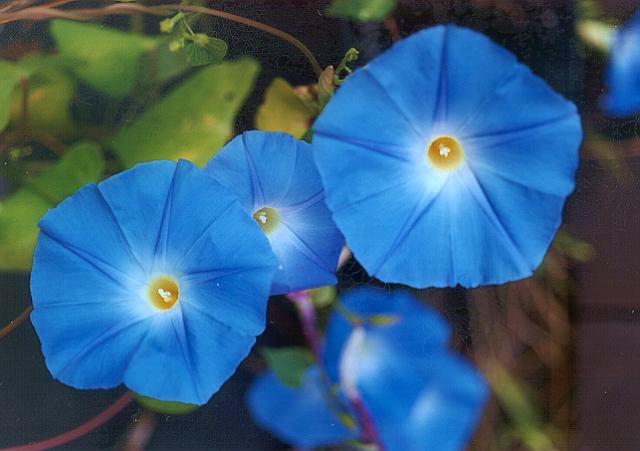
Morning Glory
Ipomoea tricolor
☀️ Full Sun 💧 Moderate
Blue Morning Glory
Ipomoea indica
☀️ Full Sun 💧 Moderate
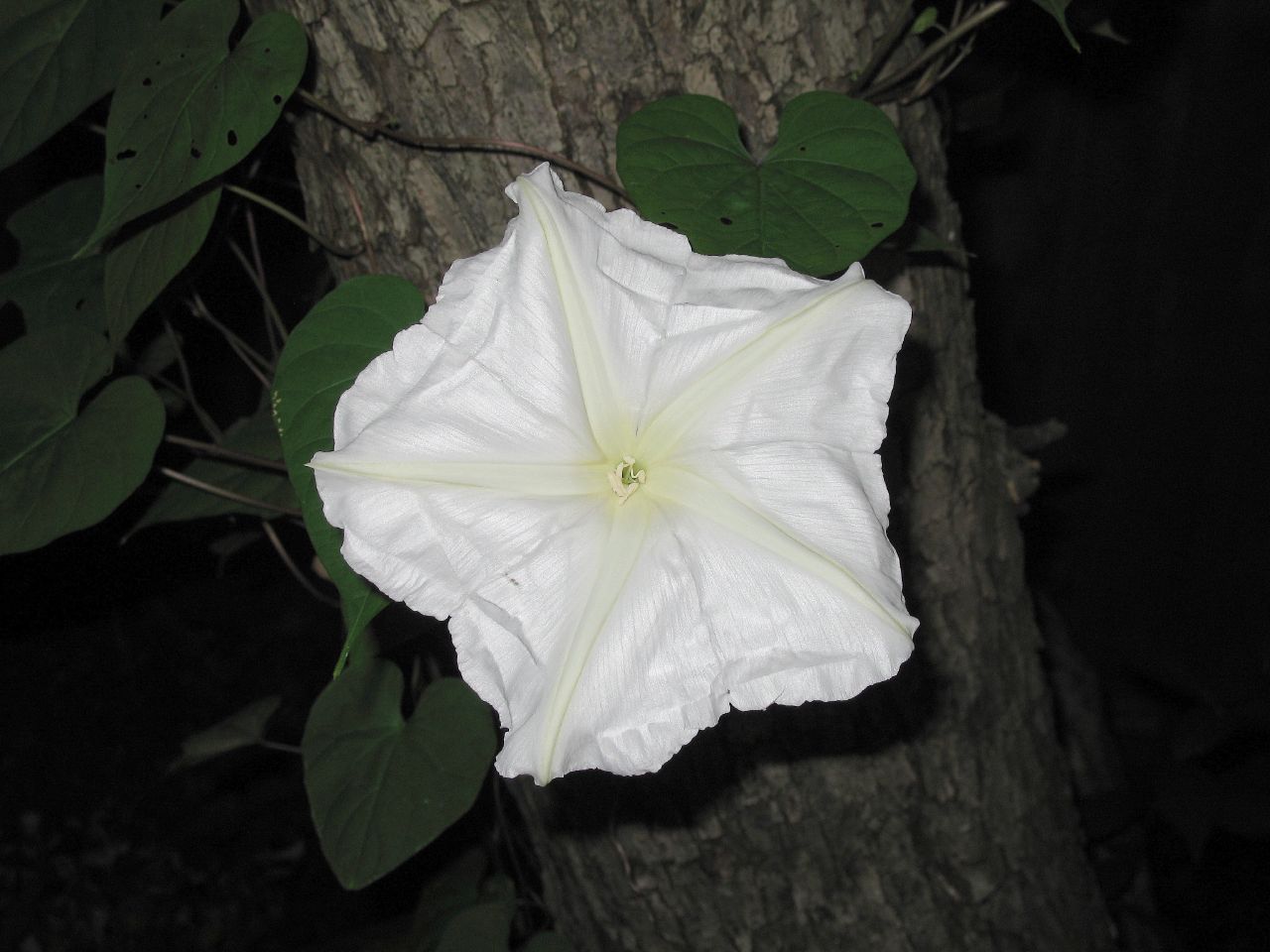
Moonflower
Ipomoea alba
☀️ Full Sun 💧 Moderate

Common Morning Glory
Ipomoea purpurea
☀️ Full Sun 💧 Moderate