
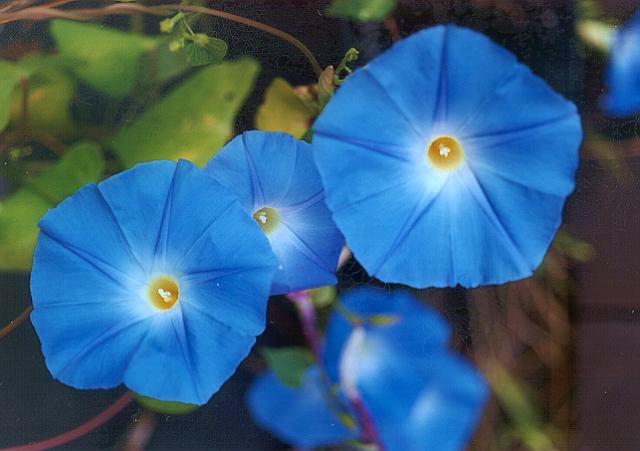
Morning Glory (Ipomoea tricolor) is a fast-growing, twining herbaceous vine native to the tropical regions of Mexico and Central America. It is recognized for its large, heart-shaped leaves and circular, trumpet-shaped flowers that unfurl in the early morning light and typically wither by mid-afternoon.
This species is a tender perennial that usually dies at the first touch of frost, making it a seasonal choice for gardeners in temperate zones. Unlike the common morning glory (Ipomoea purpurea), this species has entirely hairless stems and larger flowers that often reach 12 cm (5 in) in diameter.
Key Facts
- Light: Full sun for at least 6-8 hours daily
- Water: Keep soil consistently moist but not waterlogged
- Growth: Vines reach 3-4 m (10-13 ft) in one season
- Safety: Seeds contain toxic alkaloids and are harmful if ingested
- Hardiness: Perennial in zones 9-11; annual elsewhere
Is Morning Glory Right for Your Garden?
Morning Glory is an ideal choice for gardeners who need to cover a vertical surface like a 2-meter (6-foot) fence or trellis quickly during the summer months. It thrives in sunny gardens where the soil is not overly fertile, as high nutrient levels often encourage leaf growth at the expense of flowers. You must provide a sturdy support system immediately upon planting, as the vines begin twining as soon as they reach 15 cm (6 in) in height.
Historically, the seeds of Morning Glory, known as ‘tlitliltzin’ or ‘ololiuqui’, were traditionally used in Mexican rituals for their psychoactive properties. Because the seeds are toxic, this plant may not be suitable for households with curious pets or young children. In warm climates like San Diego or parts of the Mediterranean, it can become aggressive if not managed, though it rarely becomes truly invasive in colder regions.
Identifying Ipomoea tricolor by Its Leaves and Flowers
Morning Glory is a climbing vine that reaches heights of 3 to 4 meters (10 to 13 feet) with a spread of up to 2 meters (6 feet) when given adequate support. The leaves are heart-shaped (cordate), smooth, and alternate along the stem, typically measuring 7-12 cm (3-5 in) in length. The stems are green, hairless, and exude a milky sap when broken, which distinguishes them from many other Ipomoea species.
The flowers are funnel-shaped, 8-12 cm (3-5 in) wide, and often feature a bright blue limb with a white tube and a yellow throat, giving it the ‘tricolor’ name. These blooms appear in clusters from the leaf axils. The fruit is a small, rounded capsule containing 4-6 angular, black seeds that are approximately 5 mm (0.2 in) long.
Choosing the Best Site for Morning Glory
Morning Glory requires a site with full sun and protection from strong winds that can tear its thin, delicate vines. It thrives in a location that receives at least 6 to 8 hours of direct sunlight daily to ensure maximum flower production. Lack of light will result in leggy stems and a significant reduction in the number of blooms.
The site should have well-draining soil with a neutral pH between 6.0 and 7.5 to prevent root rot. Because the vines are thin and the flowers are delicate, choose a spot sheltered from high winds that can shred the foliage. If planting near a wall, ensure there is a trellis or mesh for the vines to grip, as they cannot cling to flat surfaces without assistance.
Sowing and Planting Morning Glory Seeds
Plant Morning Glory seeds 1.5 cm (0.5 in) deep in the soil once the danger of frost has passed and the ground has warmed to at least 18 °C (64 °F). Space the plants 15-30 cm (6-12 in) apart to allow for adequate air circulation and to prevent the vines from becoming a tangled mass. If you are growing Morning Glory in pots, use a container at least 30 cm (12 in) deep and wide with a high-quality, free-draining potting mix.
Morning Glory does not transplant well due to its sensitive taproot, so direct sowing is the preferred method for outdoor growth. If you must start seeds indoors, use biodegradable peat or paper pots that can be planted directly into the ground. Ensure the planting site is cleared of weeds, as the young seedlings can be easily smothered before they begin to climb.
Watering and Feeding for Better Blooms
Water Morning Glory regularly to keep the soil consistently moist, providing approximately 2.5 cm (1 inch) of water per week during dry spells. While the plant can tolerate brief periods of drought once established, consistent moisture is necessary to keep the large leaves from wilting in the afternoon sun. Mulching the base of the plant with organic matter can help retain soil moisture and keep the roots cool.
Apply a low-nitrogen, high-phosphorus fertilizer (such as a 5-10-10 NPK ratio) every 4-6 weeks once the plant reaches 1 meter (3 ft) in height. Avoid high-nitrogen fertilizers, which stimulate the growth of the 12 cm (5 in) leaves but can completely suppress the development of the flower buds. If the plant is growing in a container, it may require more frequent watering, sometimes daily during peak summer heat.
Pruning and Training the Vines
Pruning is rarely necessary for Morning Glory, but you should remove dead or diseased vines to maintain a healthy growth habit throughout the 4 to 5 month growing season. You can pinch back the growing tips when the vine reaches 30 cm (12 in) to encourage a bushier habit if you are growing it on a low fence. This redirection of energy can lead to a denser wall of foliage rather than a single long vine.
Deadheading, or removing spent flowers, is not required for bloom production but will prevent the plant from self-seeding aggressively. If the vines grow beyond their intended support, they can be gently untwined and redirected or trimmed back with clean shears. Always wear gloves when pruning if you have sensitive skin, as the sap can occasionally cause mild irritation.
How to Propagate Morning Glory from Seed
Morning Glory is most reliably grown from seed, which should be soaked in room-temperature water for 24 hours before sowing to soften the hard outer coat. You can also use a small file or sandpaper to gently nick the seed coat, a process known as scarification, which allows moisture to enter and triggers germination within 7-14 days. This step is vital for ensuring a high success rate when starting seeds outdoors.
While stem cuttings can be rooted in water, the success rate is significantly lower than starting fresh from the 5 mm (0.2 in) black seeds. For the best results, collect seeds from the dried, brown pods at the end of the season. Ensure the seeds are completely dry before storing them in an airtight container in a cool, dark location to maintain viability for the following spring.
Morning Glory Care in Winter and Cold Climates
Morning Glory will perish when night temperatures consistently fall below 7 °C (45 °F), and it cannot survive a freeze. In USDA zones 8 and lower, the plant is treated as an annual and should be cleared away after the first frost to prevent pests from overwintering in the dead vines. The root system will not survive frozen ground, so there is no need to protect the base of the plant in winter.
If you are growing Morning Glory in a pot, you can attempt to bring it indoors before the first frost, though it rarely thrives in low-humidity indoor environments. Most gardeners prefer to simply collect the seeds in late autumn. These seeds are very hardy and can often survive on the ground over winter to sprout naturally when the soil warms in late spring.
Understanding the Morning Glory Bloom Cycle
The bloom season for Morning Glory typically runs from early summer until the first frost in autumn. Each individual flower lasts only a single day, opening at dawn and usually closing by 1:00 PM or 2:00 PM depending on the heat and light intensity. This ephemeral nature means the plant relies on producing a high volume of buds to maintain a constant display of color.
On cloudy or cool days, the 10 cm (4 in) wide blooms may stay open longer into the afternoon. The flowers are highly attractive to pollinators, including bees, butterflies, and hummingbirds, which visit the yellow throats for nectar. If your plant is not blooming, it is likely receiving too much nitrogen or not enough direct sunlight.
Year-Round Care for Morning Glory
| Spring | Soak seeds for 24 hours and sow directly outdoors once soil reaches 18 °C (64 °F). Install trellises or supports immediately. |
|---|---|
| Summer | Water weekly with 2.5 cm (1 in) of water. Apply a low-nitrogen fertilizer every 4-6 weeks to encourage flower production. |
| Autumn | Collect dried seed pods for next year’s planting. Remove dead vines after the first frost to prevent pest buildup. |
| Winter | Store collected seeds in a cool, dry place. In zones 9-11, prune back any frost-damaged stems to healthy wood. |
Common Morning Glory Problems Explained
| What you see | Likely cause | What to do |
|---|---|---|
| Abundant leaves but no flowers | Too much nitrogen | Switch to a high-phosphorus fertilizer and avoid lawn runoff. |
| Yellowing lower leaves | Overwatering or poor drainage | Reduce watering frequency and ensure the pot or soil drains freely. |
| Small holes in foliage | Caterpillars or beetles | Inspect leaves and remove pests by hand or use organic insecticidal soap. |
Popular Morning Glory Cultivars
- ‘Heavenly Blue’ – the most common cultivar with sky-blue petals
- ‘Pearly Gates’ – large, pure white flowers with creamy throats
- ‘Flying Saucers’ – unique blue and white striped or marbled blooms
- ‘Blue Star’ – light blue flowers with a darker blue star pattern
Companion Plants for Morning Glory
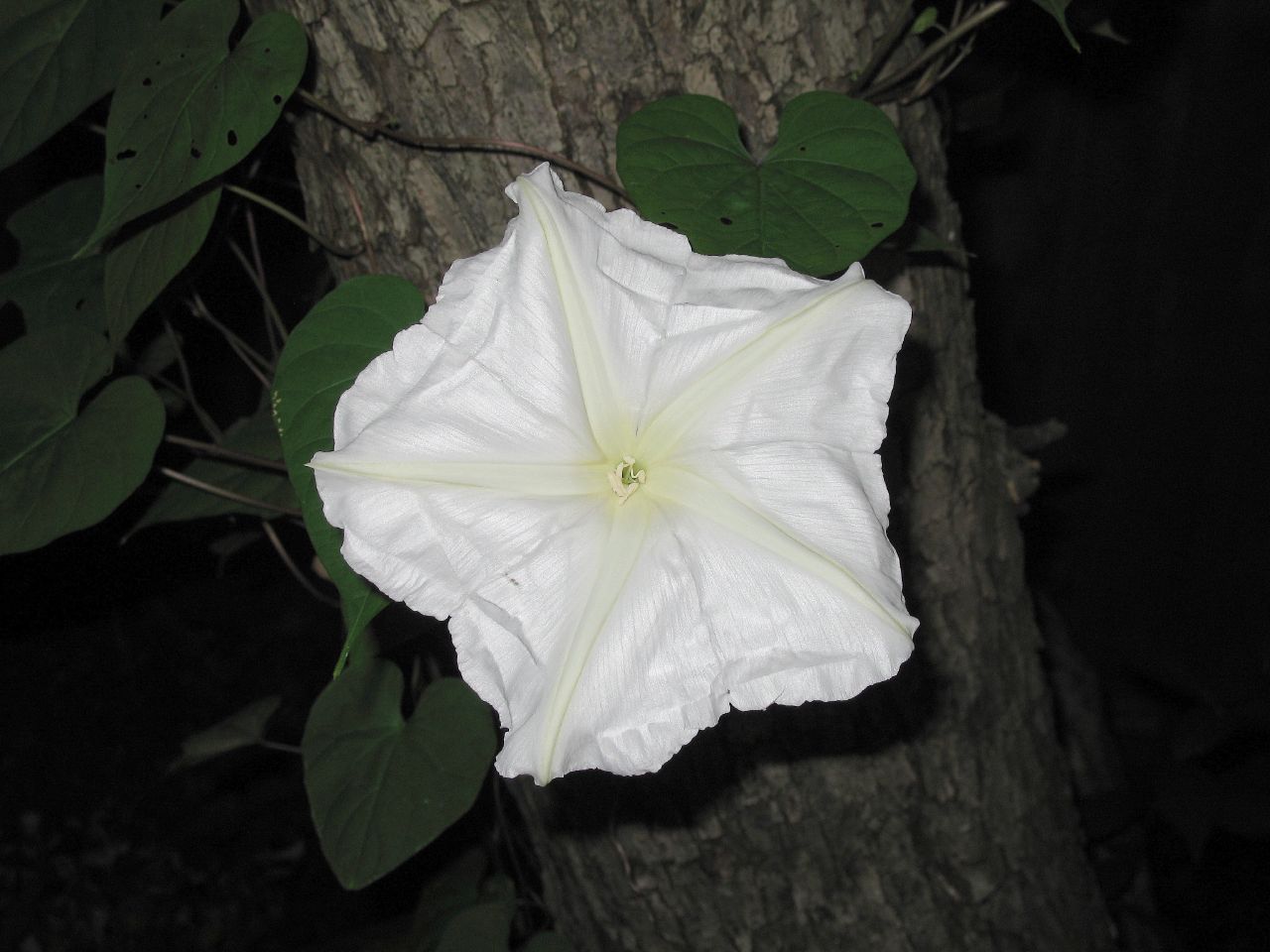
Pair Morning Glory with the Moonflower (Ipomoea alba) to ensure you have white blooms that open in the evening just as the blue Morning Glory flowers are closing for the day. This combination provides 24-hour floral interest on a shared trellis or fence. Because they share similar water and light requirements, they grow well in close proximity without competing excessively.
Other suitable companions include:
- Black-eyed Susan vine (Thunbergia alata) for contrasting yellow and orange tones.
- Sweet alyssum (Lobularia maritima) to provide a low-growing carpet at the base of the vines.
- Cardinal climber (Ipomoea × multifida) for fine-textured foliage and small red flowers.
- Clematis (Clematis spp.) which can share a trellis and provide blooms at different heights.
Frequently Asked Questions
Are morning glory seeds toxic to dogs?
Yes, the seeds contain lysergic alkaloids which can cause vomiting, diarrhea, and disorientation in dogs if ingested.
Can I grow Morning Glory indoors?
It is difficult because the plant needs 6-8 hours of direct sun and a large trellis, but it can be grown in a very sunny conservatory.
What is the meaning of the Morning Glory flower?
In many cultures, it symbolizes unrequited love, the brevity of life, or a bond that is renewed each day.
How do I get my morning glory to climb?
Provide a rough surface like twine or a wooden trellis; the vines twine counter-clockwise and will find the support automatically.
Is Ipomoea tricolor invasive?
It is not considered invasive in most temperate regions because frost kills it, but it can self-seed aggressively in warmer climates.
Information about traditional or historical uses is provided for educational interest only and is not medical advice. Do not use any plant to treat a condition without speaking to a qualified professional.
Sources & Verification
Taxonomy and distribution are checked against the databases below. Care guidance is written for cultivated species only and reviewed by our editor. How We Build Plant Profiles →
More in Ipomoea

Water Spinach
Ipomoea aquatica
☀️ Full Sun 💧 Aquatic

Sweet Potato
Ipomoea batatas
☀️ Full Sun 💧 Moderate
Moonflower
Ipomoea alba
☀️ Full Sun 💧 Moderate

Japanese Morning Glory
Ipomoea nil
☀️ Full Sun 💧 Moderate

Common Morning Glory
Ipomoea purpurea
☀️ Full Sun 💧 Moderate
Blue Morning Glory
Ipomoea indica
☀️ Full Sun 💧 Moderate