

Sweet potato is a tender, sprawling perennial vine from tropical America belonging to the morning glory family, known botanically as Ipomoea batatas. It produces swollen, starch-filled tuberous roots beneath creeping foliage.
Unlike ordinary potatoes, this crop requires 90 to 120 frost-free days with warm soil temperatures above 18 °C (65 °F) to develop tubers. Cold soil stops growth completely.
Key Facts
- Soil temperature: plant slips at 18 °C (65 °F) or above
- Sun exposure: minimum 6 to 8 hours direct sun daily
- Water: 2.5 cm (1 in) per week during tuber swell
- Spacing: 30 to 45 cm (12 to 18 in) apart in rows
- Days to maturity: 90 to 120 days from planting slips
Growing Sweet Potatoes: Space and Climate Fit
Sweet potatoes thrive where summers offer at least four months of uninterrupted warmth. Gardeners in cool-temperate climates succeed by planting into black plastic mulch or raised beds to raise root-zone heat.
A single slip spreads 1.5 to 3 m (5 to 10 ft) in all directions. If ground space is limited, you can plant trailing stems in 40-litre (10-gallon) fabric grow bags or train the vines up trellises.
- Requires minimum seasonal temperatures of 21–29 °C (70–85 °F) for peak yields
- Stems root wherever nodes touch moist earth, drawing energy from central tubers
- Yield averages 1 to 2 kg (2.2 to 4.5 lb) of tubers per slip planted
Botanical Features and Vine Identification
Sweet potato is distinguished by its smooth, heart-shaped or deeply lobed leaves that emerge alternate on green or purplish trailing stems. Stems range from 1 to 4 m (3.3 to 13 ft) in length.
Funnel-shaped flowers measure 3 to 5 cm (1.2 to 2 in) wide, featuring white margins with pale lavender or purple throats. True seeds form in small two-celled capsules, though commercial cultivation relies exclusively on clonal vegetative sprouts.
- Leaves: variable, 5 to 15 cm (2 to 6 in) long, cordate to palmately lobed
- Flowers: classic morning-glory form, opening in early morning
- Roots: edible, smooth-skinned storage roots with orange, yellow, purple, or white flesh
Soil and Sunlight Conditions
Sweet potato crops require full sun and loose, sandy loam with a soil pH between 5.5 and 6.5. Dense clay restricts underground tuber expansion, resulting in knobby, misshapen roots.
Avoid soil that contains excessive organic matter or high nitrogen levels. Too much nitrogen stimulates thick vegetative vine canopies at the expense of storage tuber development.
- Sunlight: 6 to 8 hours of unfiltered direct sun every day
- Drainage: light, gritty textures prevent waterlogging and subterranean rot
- Bed preparation: build raised ridges 20 to 25 cm (8 to 10 in) high before planting
How to Plant Sweet Potato Slips
Plant sweet potatoes from slips two to three weeks after the last spring frost once the soil reaches 18 °C (65 °F). Slips are sprouted shoots grown from mature mother tubers rather than seeds.
Bury each slip so that 2 to 3 leaf nodes sit beneath the soil surface, leaving only the top foliage exposed. Water the furrow thoroughly immediately after setting the plants.
- Slip length: select vigorous green shoots measuring 15 to 25 cm (6 to 10 in)
- Plant spacing: set slips 30 to 45 cm (12 to 18 in) apart
- Row spacing: keep rows 90 to 100 cm (35 to 40 in) apart
- Depth: insert slips 5 to 8 cm (2 to 3 in) deep into warm ridges
Watering, Feeding, and Vine Maintenance
Supply sweet potatoes with 2.5 cm (1 in) of water per week throughout the early and mid-season growth stages. Withhold irrigation entirely during the final two to three weeks before harvest to prevent skin splitting.
Side-dress with a low-nitrogen fertiliser such as a 5-10-10 formula four weeks after transplanting. High-potassium feeds encourage firm, uniform root swelling without excessive leaf production.
- Weeding: hand-weed during the first 4 weeks until vine cover shades out competitive weeds
- Vine lifting: lift rambling stems weekly in moist summer weather to prevent rooting at secondary nodes
- Pruning: leave healthy foliage intact, as carbohydrates produced in leaves fuel root development
When and How to Harvest Sweet Potatoes
Harvest mature tubers before the first autumn frost, typically 90 to 120 days after planting slips. Cold temperatures below 10 °C (50 °F) chill the tubers, causing internal discoloration and rapid decay in storage.
Yellowing leaf tips frequently signal root maturity. Use a spading fork to lift plants gently, digging 30 to 45 cm (12 to 18 in) away from the central crown to avoid piercing delicate skins.
- Dig on a dry, sunny afternoon when the soil is friable and not waterlogged
- Leave roots on top of the soil for 2 hours to dry surface moisture
- Do not wash field soil off roots until immediately before cooking
Curing and Storing Tubers
Cure newly dug sweet potatoes for 7 to 10 days at 29 °C (85 °F) with 85 to 90 percent relative humidity. This curing step heals harvest scratches, thickens the skin, and converts starches into natural sugars.
After curing, transfer the roots to a dark pantry or cool room maintained at 13 to 16 °C (55 to 60 °F). Never refrigerate raw tubers, as chilling causes hard cores and off flavours.
- Heated garages, warm sheds, or closets next to heat vents work well for home curing
- Properly cured sweet potatoes keep in dark conditions for 6 to 10 months
- Inspect bins monthly and discard any roots that soften or show signs of black rot
Sweet Potato Problems, Pests, and Diseases
The sweet potato weevil (Cylas formicarius) is the most damaging pest, boring tunnels through stems and tubers that turn flesh bitter and spongy. Rotate planting sites every three years to disrupt insect life cycles.
Fungal issues like scurf (Monilochaetes infuscans) and black rot cause dark surface lesions. Using certified disease-free slips and selecting resistant cultivars minimizes soil-borne pathogen outbreaks.
- Wireworms and root-knot nematodes: drill small holes into tubers; manage with crop rotation
- Deer and rabbits: browse fresh vine tips; exclude with physical netting or fencing
- Scurf: causes grey-brown skin stains; treat slip bases with warm-water dips or use clean soil
- Stem rot (wilt): causes yellow leaves and blackened vascular rings; plant resistant cultivars
Culinary Uses and Cooking Methods
Sweet potato tubers are cooked by baking, roasting, steaming, or frying, while tender young shoots provide edible greens comparable to spinach (Spinacia oleracea). Air frying at 200 °C (400 °F) yields crisp sweet potato fries with minimal oil.
The roots contain high levels of beta-carotene, dietary fibre, potassium, and vitamin C. Cooking breaks down internal amylose starches into maltose, intensifying sweetness without supplemental sugars.
- Oven baking: roast whole pierced tubers at 200 °C (400 °F) for 45 to 60 minutes
- Air fryer: cut into 1 cm (0.4 in) batons and air fry for 15 to 18 minutes
- Mashing: boil chunks for 15 minutes, drain, and mash for casseroles or pie fillings
- Leaf greens: saute vine tips in olive oil with garlic for 3 minutes
Year-Round Sweet Potato Management
| Spring | Start tuber slips indoors in warm water or damp sand 6 to 8 weeks before frost clears. Prepare raised garden ridges and transplant slips when soil reaches 18 °C (65 °F). |
|---|---|
| Summer | Supply 2.5 cm (1 in) of water weekly during hot periods. Lift running vine runners occasionally to stop node rooting, and side-dress once with a low-nitrogen 5-10-10 feed. |
| Autumn | Cease watering 2 weeks prior to harvest. Dig roots before air temperatures drop below 10 °C (50 °F), then cure tubers at 29 °C (85 °F) for 7 to 10 days. |
| Winter | Store cured roots in a dark, dry location at 13 to 16 °C (55 to 60 °F). Check monthly for softness, and select disease-free seed tubers in late winter to sprout next year’s slips. |
Common Sweet Potato Plant Problems
| What you see | Likely cause | What to do |
|---|---|---|
| Lush foliage with pencil-thin tubers | Excess soil nitrogen or severe shade | Switch to low-nitrogen fertiliser and ensure vines receive at least 6 hours of direct sun. |
| Roots cracked or split down the sides | Inconsistent watering late in the growing cycle | Keep soil moisture uniform and withhold supplemental irrigation 2 to 3 weeks before harvest. |
| Small tunnels and black rings inside tubers | Sweet potato weevil larvae boring into flesh | Destroy infested roots, rotate planting locations, and plant only certified weevil-free slips. |
| Superficial dark brown or black skin patches | Scurf fungal infection in wet soil | Plant certified clean slips in well-drained soil and avoid poorly drained, heavy clay beds. |
Sweet Potato Cultivars for Gardeners
- ‘Beauregard’ – copper skin, orange flesh, consistent yields
- ‘Covington’ – uniform shape, pest resistance, stores well
- ‘Georgia Jet’ – rapid 90-day maturity, suitable for cool regions
- ‘Murasaki’ – purple skin, sweet nutty white flesh
- ‘O’Henry’ – pale tan skin with creamy yellow flesh
- ‘Blackie’ – dark purple foliage grown primarily as ornamental
Frequently Asked Questions
What is the difference between a sweet potato and a true yam?
Sweet potatoes belong to the morning glory family (Ipomoea batatas) and have smooth, thin skin with moist, sweet flesh. True yams belong to the genus Dioscorea, native to Africa and Asia, featuring rough, bark-like brown skins and dry, starchy white flesh.
How do you cook sweet potatoes in an air fryer?
Cut tubers into 1 cm (0.4 in) strips, toss with 15 ml (1 tablespoon) of cooking oil and salt, and cook at 200 °C (400 °F) for 15 to 18 minutes. Shake the air fryer basket halfway through cooking to ensure even browning.
Can you grow a sweet potato vine indoors in pots?
Yes, plant a rooted slip or sprouted tuber in a 30 cm (12 in) container filled with well-drained potting mix. Position the pot in front of a south-facing window receiving 6 hours of light, and water when the top 3 cm (1.2 in) of soil feels dry.
How many calories are in a sweet potato?
A medium baked sweet potato weighing approximately 114 g (4 oz) contains roughly 103 calories. It provides around 24 g of carbohydrates, 2 g of protein, and 4 g of dietary fibre without fat.
Why are my sweet potato leaves turning yellow?
Late in the season, yellowing leaves naturally indicate that storage tubers have reached maturity and are ready to dig. If yellowing happens in midsummer, check for poor soil drainage, waterlogged roots, or fungal wilt.
Sources & Verification
Taxonomy and distribution are checked against the databases below. Care guidance is written for cultivated species only and reviewed by our editor. How We Build Plant Profiles →
- Kew Plants of the World OnlineTaxonomy and native distribution
- NC State ExtensionCultivation, slip planting, and curing guidance
- USDA PLANTS DatabaseBotanical classification and distribution
- GBIF — Global Biodiversity Information Facilitytaxonomy, synonyms, occurrence records
- Wikipediageneral reference
More in Ipomoea

Morning Glory
Ipomoea tricolor
☀️ Full Sun 💧 Moderate

Water Spinach
Ipomoea aquatica
☀️ Full Sun 💧 Aquatic

Common Morning Glory
Ipomoea purpurea
☀️ Full Sun 💧 Moderate
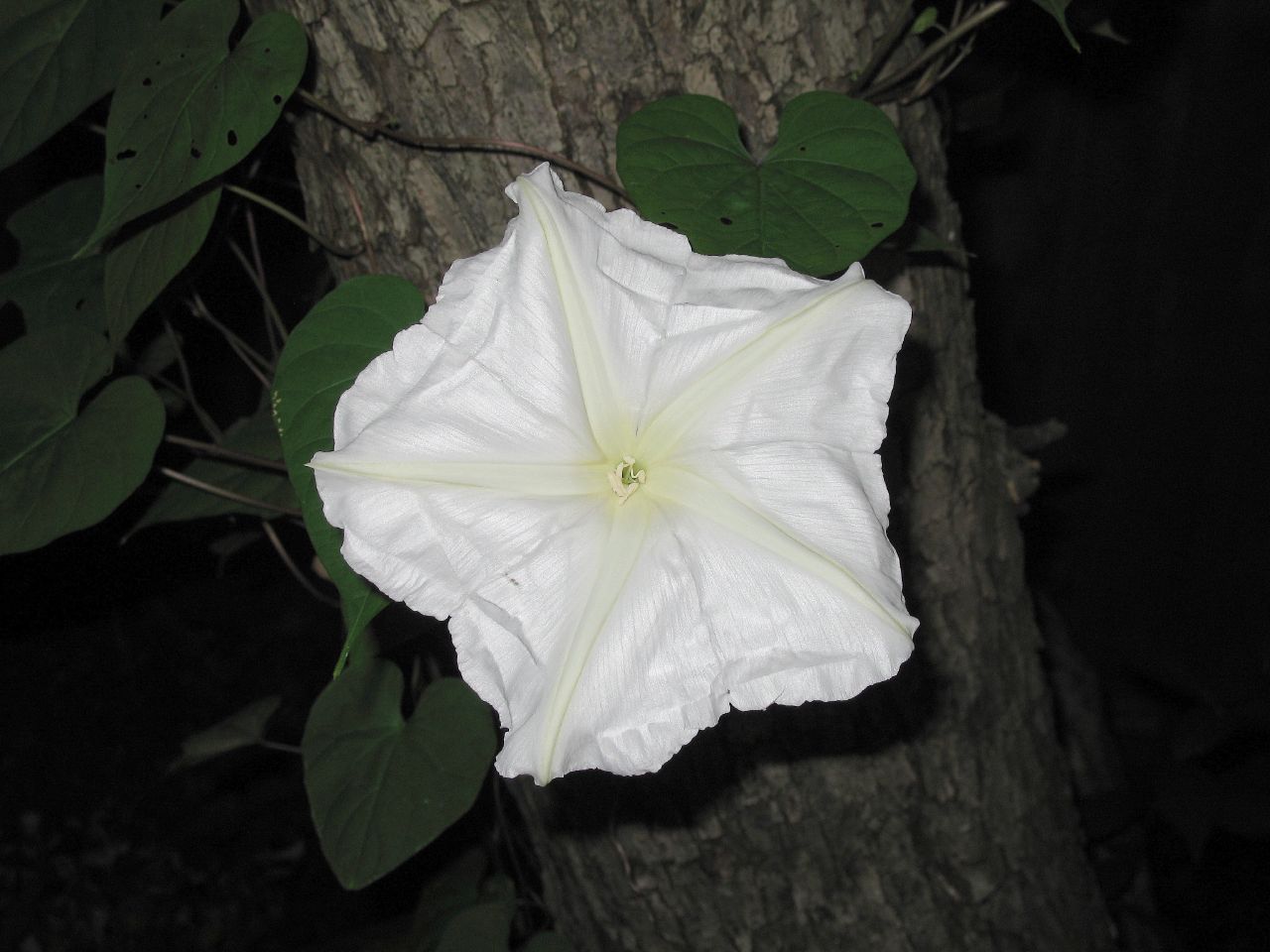
Moonflower
Ipomoea alba
☀️ Full Sun 💧 Moderate
Blue Morning Glory
Ipomoea indica
☀️ Full Sun 💧 Moderate

Japanese Morning Glory
Ipomoea nil
☀️ Full Sun 💧 Moderate