Aquatic Plants for Ponds and Aquariums
47 plant profiles · Discover aquatic plants for freshwater aquariums, margins, and deep ponds. Learn depth requirements, water parameters, and care guidelines.
Aquatic plants grow with their roots, stems, or entire foliage permanently submerged in water or floating across its surface. Unlike terrestrial perennials that rot in waterlogged ground, these species feature specialised aerenchyma tissue—internal spongy air spaces that transport oxygen directly down to submerged roots and provide buoyancy. They naturally populate still lakes, slow-moving rivers, and seasonal wetlands across tropical and temperate zones worldwide.
Choosing the correct aquatic plant depends primarily on your water depth and lighting setup. Deep-water species such as the American white waterlily (Nymphaea odorata) and American lotus (Nelumbo lutea) root in bottom silt 30–90 cm (12–36 in) deep and send broad leaves to shade the surface. Submerged oxygenators like straight vallisneria (Vallisneria spiralis) and creeping primrose-willow (Ludwigia repens) anchor beneath the surface to cycle excess nitrates and limit algae growth in aquariums and garden pools.
For shallow containers, tanks, or boggy margins, epiphyte species such as Java fern (Leptochilus pteropus) thrive tied directly to hardscape in low light, while Wendt's water trumpet (Cryptocoryne wendtii) stabilizes substrate in filtered light. Free-floating miniatures like Asian watermeal (Wolffia globosa) require no potting media at all, pulling dissolved minerals straight through their microscopic fronds. Maintaining clean, filtered water with stable temperatures between 18–26 °C (64–79 °F) ensures continuous growth across this group.
Amazon Frogbit
Hydrocharis laevigata
☀️ Bright Indirect 💧 Aquatic

American Lotus
Nelumbo lutea
☀️ Full Sun 💧 Aquatic

American White Waterlily
Nymphaea odorata
☀️ Full Sun 💧 Aquatic
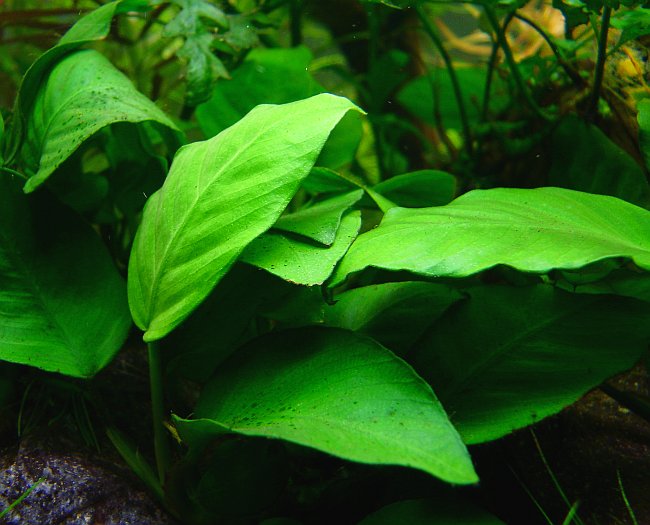
Anubias
Anubias barteri
☀️ Low Light 💧 Aquatic
Asian Watermeal
Wolffia globosa
☀️ Full Sun 💧 Aquatic

Blue Lotus
Nymphaea nouchali
☀️ Full Sun 💧 Aquatic

Chinese Water Chestnut
Eleocharis dulcis
☀️ Full Sun 💧 Aquatic

Common Club-Rush
Schoenoplectus lacustris
☀️ Full Sun 💧 Aquatic
Common Water-Crowfoot
Ranunculus aquatilis
☀️ Full Sun 💧 Aquatic
Creeping Primrose-Willow
Ludwigia repens
☀️ Bright Indirect 💧 Aquatic
Dwarf Baby Tears
Micranthemum callitrichoides
☀️ Bright Indirect 💧 Aquatic
Dwarf Hairgrass
Eleocharis acicularis
☀️ Bright Indirect 💧 Aquatic
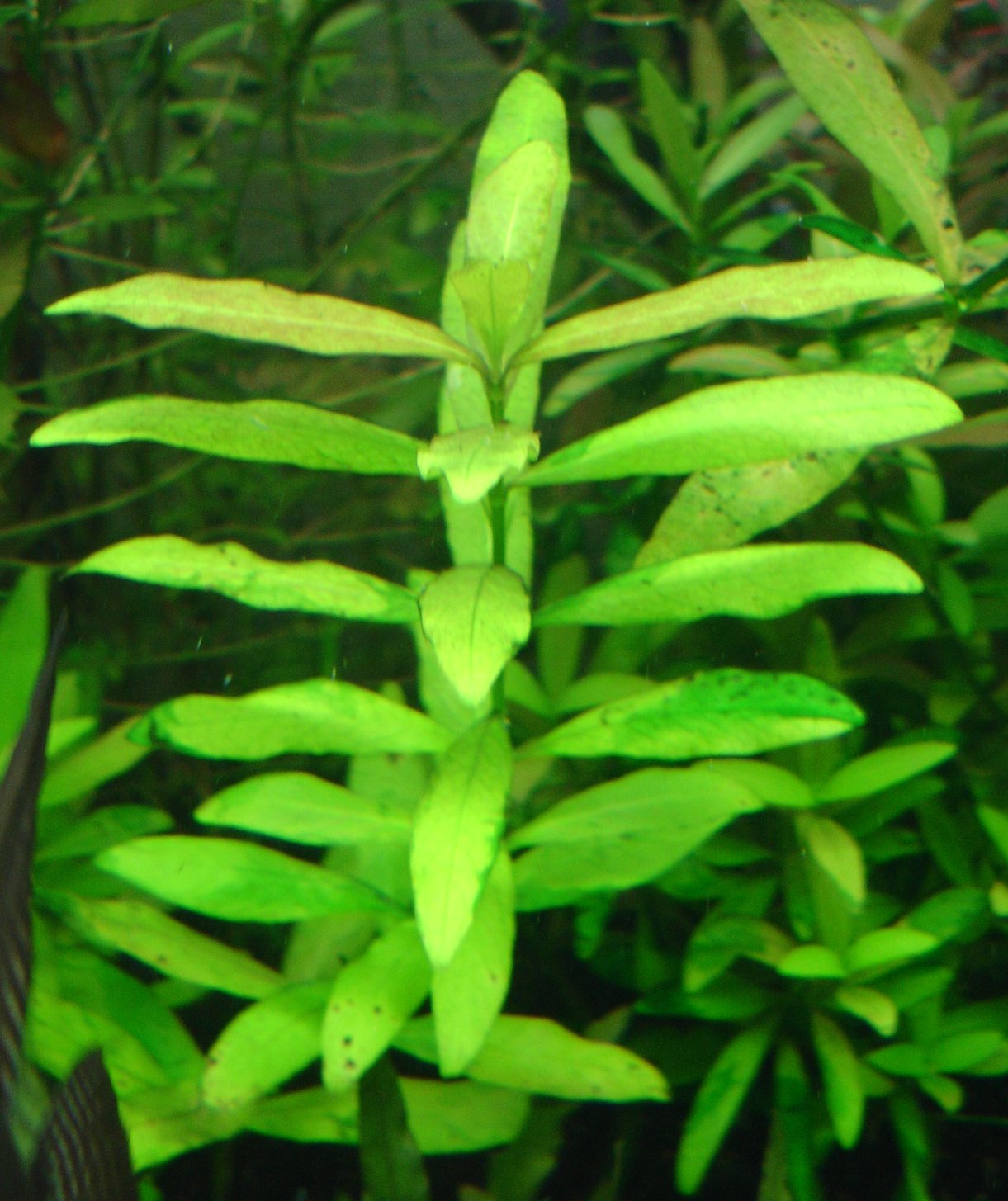
Dwarf Hygrophila
Hygrophila polysperma
☀️ Bright Indirect 💧 Aquatic
Dwarf Sagittaria
Sagittaria subulata
☀️ Bright Indirect 💧 Aquatic

Dwarf Waterclover
Marsilea minuta
☀️ Full Sun 💧 Aquatic

Eelgrass
Vallisneria spiralis
☀️ Bright Indirect 💧 Aquatic
Fanwort
Cabomba caroliniana
☀️ Bright Indirect 💧 Aquatic
Floating Fern
Salvinia natans
☀️ Bright Indirect 💧 Aquatic
Flowering Rush
Butomus umbellatus
☀️ Full Sun 💧 Aquatic
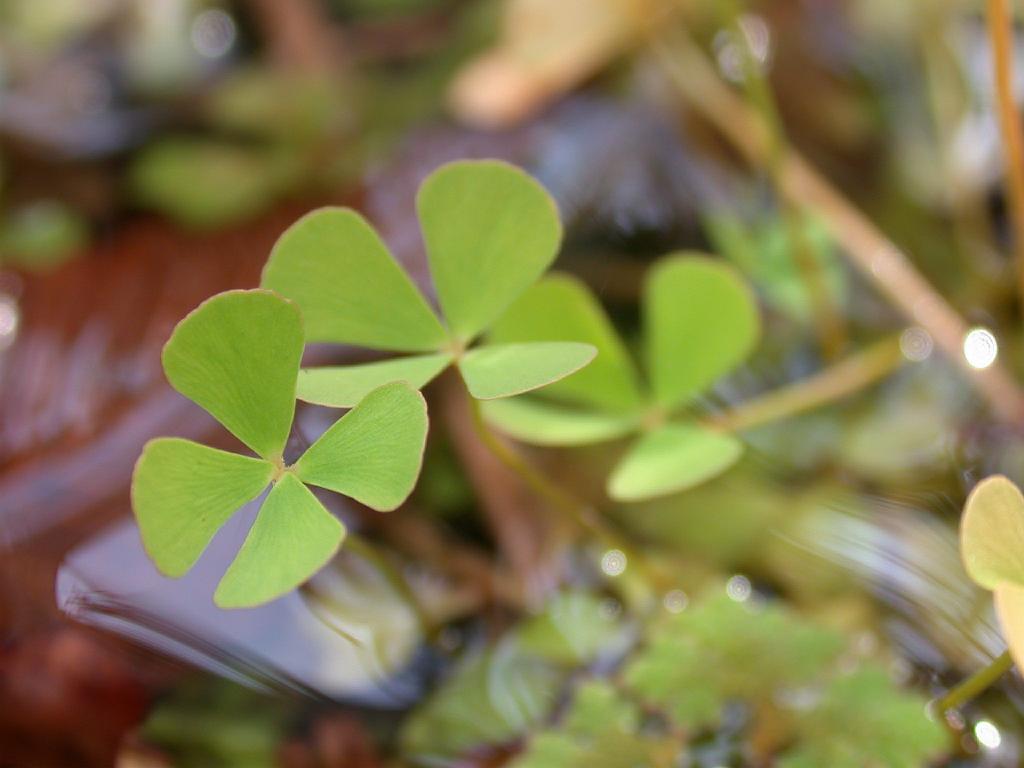
Four-Leaf Clover Fern
Marsilea quadrifolia
☀️ Full Sun 💧 Aquatic

Giant Swamp Taro
Cyrtosperma merkusii
☀️ Full Sun 💧 Aquatic
Giant Water Lily
Victoria amazonica
☀️ Full Sun 💧 Aquatic

Guppy Grass
Najas guadalupensis
☀️ Bright Indirect 💧 Aquatic

Hornwort
Ceratophyllum demersum
☀️ Bright Indirect 💧 Aquatic
Common Questions
Do aquatic plants need substrate to grow?
No, not all aquatic plants require soil or gravel substrate. Free-floating species pull nutrients directly from the water column, and rheophytes like Java fern rot if their rhizomes are buried, requiring attachment to driftwood or stone instead.
How much light do aquarium and pond plants need daily?
Most aquatic plants require 8 to 10 hours of consistent light each day. Providing more than 10 hours of bright light often triggers green water or nuisance hair algae blooms before the higher plants can absorb the excess nutrients.
Can garden pond plants survive freezing winter temperatures?
Hardy pond species survive winter if their root tubers sit below the ice line, typically at a depth of 45–60 cm (18–24 in). Tropical aquatics must be lifted from outdoor ponds and moved indoors once water temperatures fall below 15 °C (59 °F).
Why are the lower leaves of my submerged plants turning yellow?
Submerged leaves turn yellow primarily due to insufficient light penetration or a lack of dissolved bioavailable iron and potassium. Thinning dense surface foliage allows light to reach the lower stems and halts bottom-leaf shedding.