Freshwater Aquarium Plants: Types and Care Guide
46 plant profiles · Discover freshwater aquarium plants for low-light and high-light setups, including rhizome species, stem plants, and carpet varieties.
Aquarium plants photosynthesise underwater, absorbing nitrate and phosphate while producing oxygen for fish. Selecting species depends on water temperature, lighting intensity, and whether you feed substrate root tabs or injected carbon dioxide. Beginners often start with slow-growing rhizome plants like Anubias (Anubias barteri) or Java fern (Leptochilus pteropus), which attach directly to driftwood or rocks rather than burying into gravel.
For background coverage, tall stem plants and runner species grow rapidly to outcompete algae. Straight vallisneria (Vallisneria spiralis) reaches up to 60 cm (24 in) in height, forming dense ribbons in moderate water flow, while Canadian waterweed (Elodea canadensis) thrives in cooler water between 10-22 °C (50-72 °F). Red-stemmed options like creeping primrose-willow (Ludwigia repens) require higher light levels above 0.5 watts per litre to retain their intense pigmentation.
Foreground and floating options create distinct structural zones within the tank. Dwarf waterclover (Marsilea minuta) forms a low carpet under medium lighting, whereas Asian watermeal (Wolffia globosa) floats on the surface with individual fronds measuring less than 1 mm (0.04 in) across. Balancing fast-growing stem plants with slow rhizome growers maintains stable nutrient levels across tropical water columns of 18-28 °C (64-82 °F).
Amazon Frogbit
Hydrocharis laevigata
☀️ Bright Indirect 💧 Aquatic
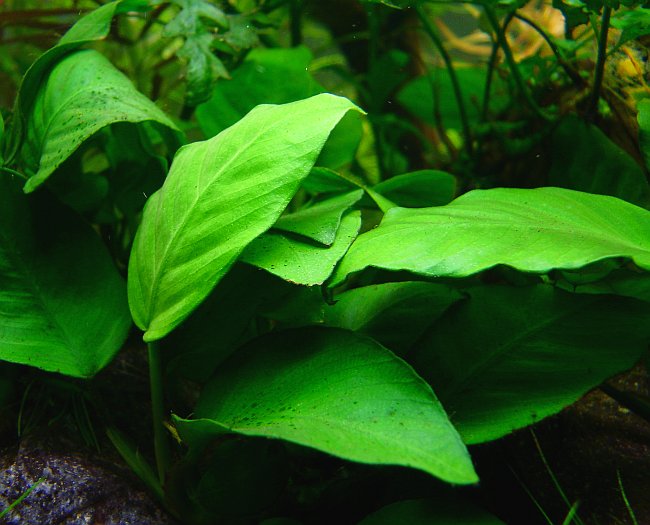
Anubias
Anubias barteri
☀️ Low Light 💧 Aquatic
Asian Watermeal
Wolffia globosa
☀️ Full Sun 💧 Aquatic

Blue Lotus
Nymphaea nouchali
☀️ Full Sun 💧 Aquatic

Brazilian Waterweed
Elodea densa
💧 Aquatic

Canadian Waterweed
Elodea canadensis
💧 Aquatic

Cardinal Flower
Lobelia cardinalis
☀️ Full Sun 💧 High
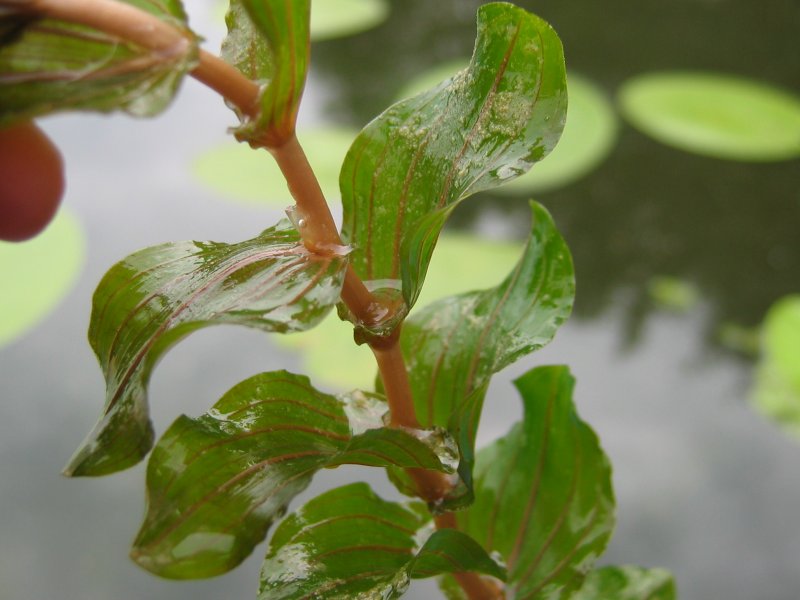
Clasped Pondweed
Potamogeton perfoliatus
💧 Aquatic

Common Duckweed
Lemna minor
☀️ Full Sun 💧 Aquatic

Common Quillwort
Isoetes lacustris
💧 Aquatic
Common Water-Crowfoot
Ranunculus aquatilis
☀️ Full Sun 💧 Aquatic
Creeping Primrose-Willow
Ludwigia repens
☀️ Bright Indirect 💧 Aquatic
Dwarf Baby Tears
Micranthemum callitrichoides
☀️ Bright Indirect 💧 Aquatic
Dwarf Hairgrass
Eleocharis acicularis
☀️ Bright Indirect 💧 Aquatic
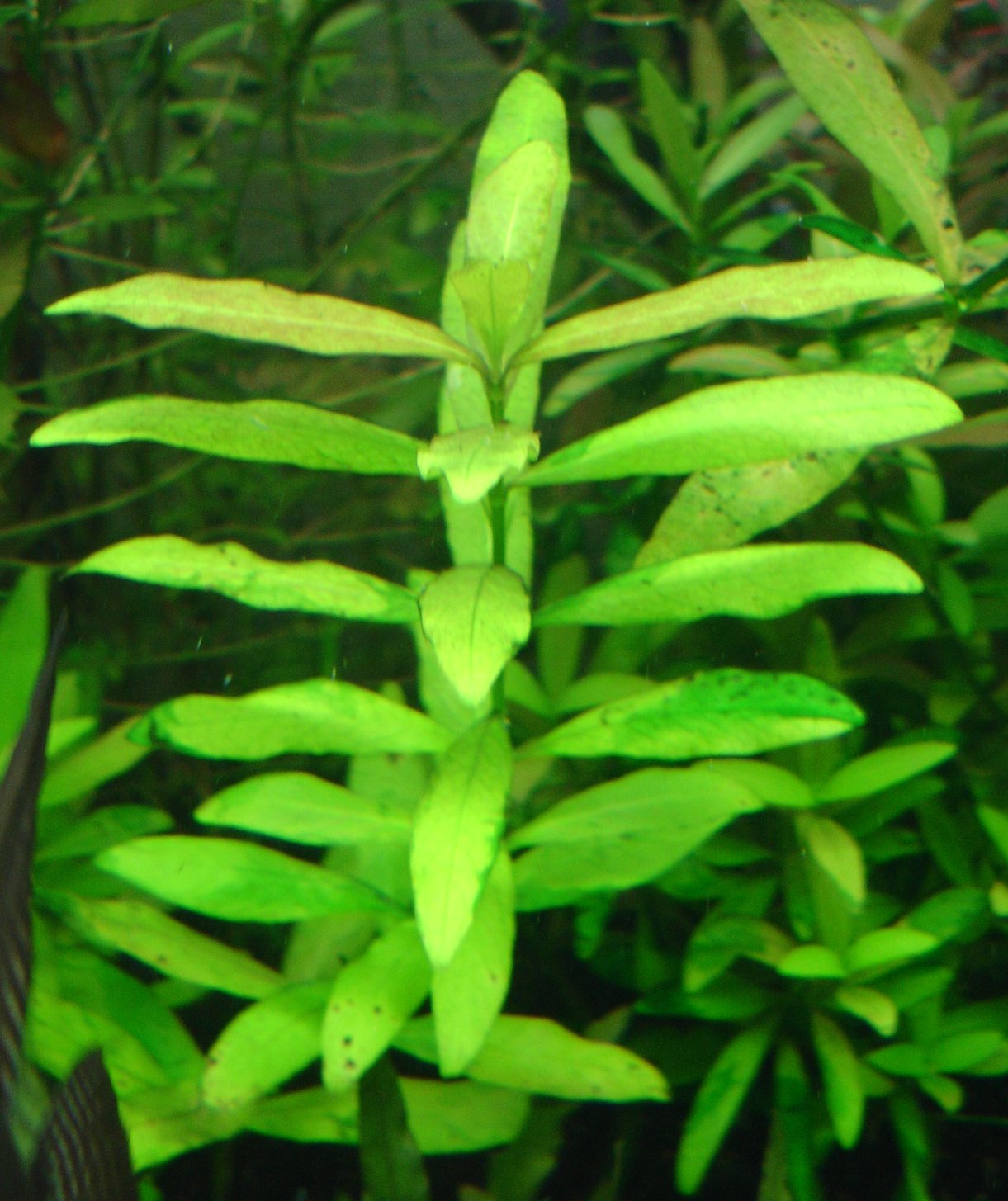
Dwarf Hygrophila
Hygrophila polysperma
☀️ Bright Indirect 💧 Aquatic
Dwarf Sagittaria
Sagittaria subulata
☀️ Bright Indirect 💧 Aquatic

Dwarf Waterclover
Marsilea minuta
☀️ Full Sun 💧 Aquatic

Eelgrass
Vallisneria spiralis
☀️ Bright Indirect 💧 Aquatic
Fanwort
Cabomba caroliniana
☀️ Bright Indirect 💧 Aquatic
Floating Fern
Salvinia natans
☀️ Bright Indirect 💧 Aquatic
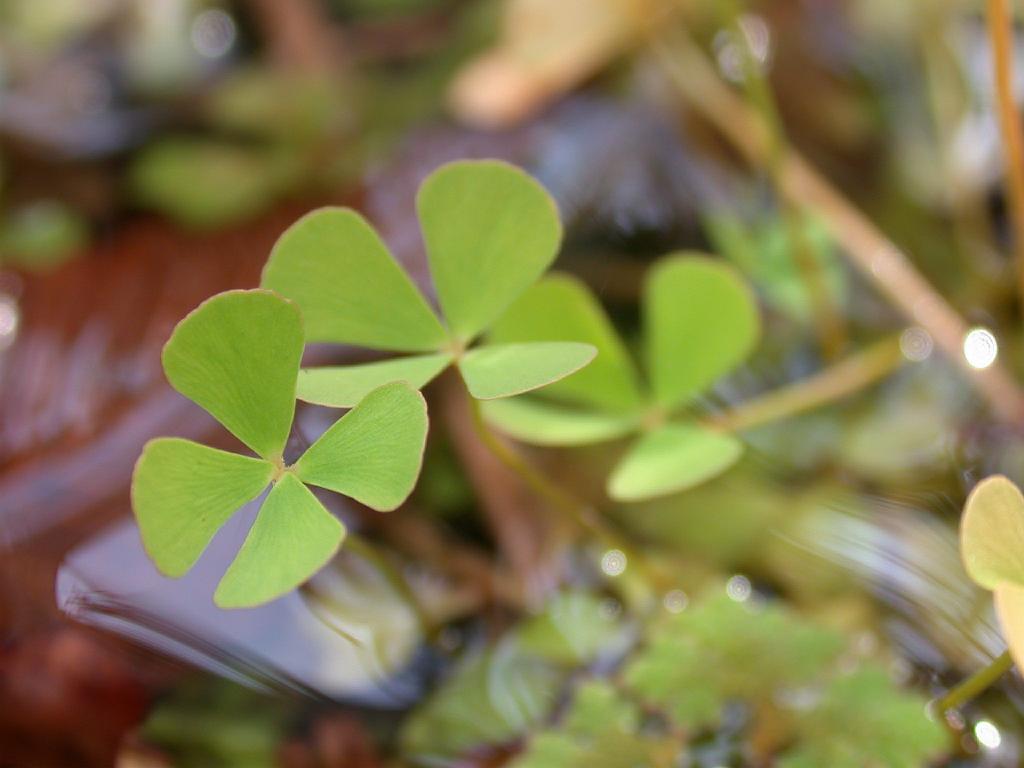
Four-Leaf Clover Fern
Marsilea quadrifolia
☀️ Full Sun 💧 Aquatic

Guppy Grass
Najas guadalupensis
☀️ Bright Indirect 💧 Aquatic

Horned Pondweed
Zannichellia palustris
💧 Aquatic

Hornwort
Ceratophyllum demersum
☀️ Bright Indirect 💧 Aquatic
Common Questions
Which aquarium plants grow best without CO2 injection?
Rhizome plants like Anubias (Anubias barteri) and Java fern (Leptochilus pteropus) thrive without injected carbon dioxide, absorbing nutrients directly from the water column in low-to-medium light.
How do you attach Java fern and Anubias to driftwood?
Tie the rhizome onto wood or stone using cotton thread or cyanoacrylate super glue, ensuring the main green stem remains completely above the substrate to prevent rotting.
Why are my aquarium plant leaves melting?
Aquarium plant leaf melt occurs when plants transition to a new tank's water chemistry or change from commercially grown land forms to submersed growth. Prune melting leaves so new aquatic shoots emerge within 14 days.