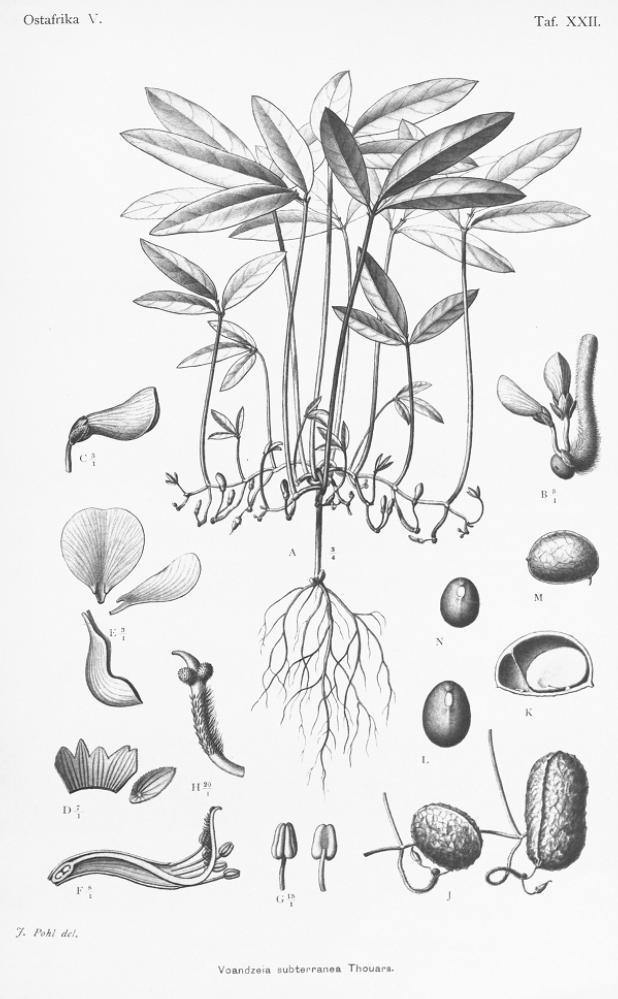
Mung bean (Vigna radiata) is a warm-season annual legume native to South Asia, grown for its edible seeds and sprouted shoots. The plant features trifoliate leaves and produces slender cylindrical pods that turn dark brown or black as they mature.
This crop requires a frost-free window of 90 to 110 days and soil temperatures above 20 °C (68 °F) to set pods successfully. It fixes atmospheric nitrogen in the soil through symbiotic root nodules, making it an effective rotation crop after cereal grains.
Key Facts
- Height: 30 to 120 cm (12 to 48 in)
- Sunlight: Full sun (minimum 6 hours daily)
- Soil pH: 6.2 to 7.2
- Sowing depth: 2.5 to 4 cm (1 to 1.5 in)
- Row spacing: 30 to 45 cm (12 to 18 in)
- Days to harvest: 90 to 110 days for dry beans
Fitting Mung Beans into Your Garden Plan
Mung beans require 90 to 120 frost-free days with warm soil temperatures to complete their production cycle. Because they grow rapidly in midsummer heat, they fit well into short summer cropping windows or following cool-season crops like spinach or radishes.
In agricultural regions such as South Asia and Bangladesh, farmers plant mung beans in crop rotations following rice (Oryza sativa) harvests to rebuild soil nitrogen levels. Gardeners can use them as a summer cover crop that yields edible pods before being worked back into the soil.
- Fits warm summer growing windows between early spring and autumn vegetables
- Improves low-nitrogen garden beds through root nodule nitrogen fixation
- Attracts pollinators with pale yellow flowers during midsummer
What Does a Mung Bean Plant Look Like?
A mature mung bean plant is an erect or semi-erect bushy annual standing 30 to 120 cm (12 to 48 in) tall with coarse trifoliate leaves and dark hairy seed pods. The plant stems are branching, lightly covered with stiff hairs, and self-supporting under typical garden conditions.
The leaves consist of three oval leaflets measuring 6 to 12 cm (2.4 to 4.7 in) long attached to long petioles. Pale yellow or greenish-yellow papilionaceous flowers emerge in clusters of 10 to 25 along axillary racemes. Once pollinated, these blooms yield cylindrical pods measuring 5 to 10 cm (2 to 4 in) long, each containing 10 to 20 small green or olive-brown seeds.
The mung bean plant growth stages proceed in predictable phases across the season:
- Germination: 2 to 5 days after sowing in warm soil
- Vegetative stage: 2 to 4 weeks of rapid leaf and stem growth
- Flowering stage: 30 to 50 days after emergence
- Pod fill stage: 60 to 80 days after emergence as green pods swell
- Maturity stage: 90 to 110 days when pods turn dark brown or black
Mung Bean Growing Conditions and Climate
Mung beans thrive in air temperatures between 25 and 35 °C (77 and 95 °F) under full sun exposure. Plant growth slows dramatically when daytime temperatures drop below 18 °C (64 °F), and frost will destroy foliage and developing pods.
Select a location that receives at least 6 to 8 hours of direct sunlight daily. Mung beans tolerate warm, humid weather but require well-draining soil to prevent root rots. Soil pH should ideally range from 6.2 to 7.2 for optimal nutrient uptake.
- Full sun position with uninterrupted solar radiation
- Warm, friable soil above 20 °C (68 °F) at planting time
- Shelter from strong winds that can lodge tall bush branches
Sowing and Mung Bean Planting Distance
Sow mung bean seeds directly into the garden 2.5 to 4 cm (1 to 1.5 in) deep once all danger of frost has passed in spring. Transplanting is rarely successful because the delicate taproot suffers severe shock when disturbed.
Space seeds 5 to 7.5 cm (2 to 3 in) apart along the row. Maintain a row spacing distance of 30 to 45 cm (12 to 18 in) to ensure air circulation between mature plants. Once seedlings emerge and establish their first true leaves, thin the plants to a final spacing of 10 to 15 cm (4 to 6 in) apart in the row.
- Inoculate seeds with Bradyrhizobium inoculant before sowing in new garden beds
- Water the seed bed thoroughly after planting to encourage uniform germination
- Keep the top 2 cm (0.8 in) of soil moist until sprouts emerge in 3 to 5 days
Watering and Care Requirements
Mung beans need 25 to 35 mm (1 to 1.4 in) of water weekly during their active flowering and pod development stages. Drought stress during bloom causes flower drop and reduces the final seed yield.
Avoid overwatering in heavy clay soils, as saturated conditions encourage root rots and stem dampening. Because mung beans fix their own nitrogen, avoid high-nitrogen fertilizers, which cause excessive leaf growth at the expense of pod setting. Apply a balanced low-nitrogen fertilizer or bone meal rich in phosphorus if soil test results indicate low phosphorus levels.
- Water at the soil surface with drip lines to keep foliage dry
- Weed manually during the first 30 days before the canopy closes
- Mulch around plant bases with straw to conserve soil moisture
Harvesting Mung Bean Pods and Sprouts
Harvest dry mung bean seed pods when 80% of the pods on the plant turn dark brown or black. Pods ripen unevenly on the plant, so pick individual mature pods every 3 to 4 days, or pull the entire plant once most pods have dried completely.
If growing for fresh mung bean sprouts, harvest seeds when clean and dry, then sprout them indoors in kitchen jars. Fresh sprouts grow rapidly in darkness at room temperature, reaching prime eating condition in 3 to 5 days when shoots are 5 to 8 cm (2 to 3 in) long.
- Pick dry pods in the morning before sun heat causes pods to shatter open
- Spread harvested pods on mesh trays to dry indoors for 5 to 7 days
- Thresh dried pods by gently crushing them inside a cloth sack to release seeds
Uses in Food and Skincare
Mung beans are cultivated for edible whole seeds, split dal, starch noodles, and commercial cosmetic extracts. The seeds contain approximately 24% protein by dry weight and provide dietary fiber, potassium, and iron.
Beyond culinary applications, finely ground mung bean flour has been traditionally used in South and East Asia as a soothing facial powder. In modern skincare, mung bean cleanser formulations, mung bean mud mask products, and mung bean cleansing oil treatments rely on seed extracts to clarify oil and calm skin irritations. Formulations designed for the delicate eye area, often marketed for mung bean eyes treatment, utilize these extracts to address morning puffiness and under-eye discoloration.
- Culinary: Soups, curries, savory pancakes, and sprouted salads
- Topical skincare: Facial masks, pore cleansers, and oil cleansers
- Soil enhancement: Summer green manure and nitrogen fixation
Common Mung Bean Pests and Disease Problems
Powdery mildew, cowpea aphids, and bean fly larvae are the primary pests affecting mung bean plants during warm summer weather. Inspect foliage weekly for early signs of fungal coatings or insect colonies on stem tips.
Yellow mosaic virus, transmitted by whiteflies, causes mottled yellow and green foliage and stunted pod growth. Remove infected plants immediately, as there is no chemical cure once a plant contracts the virus.
- Powdery mildew: White powdery patches on leaves; apply potassium bicarbonate or sulfur sprays
- Cowpea aphids: Dark clusters on new growth; spray stems with firm water jets or insecticidal soap
- Pod borers: Holes in developing pods; destroy affected pods and hand-pick caterpillars
Curing and Storing Mung Beans
Dry mung bean seeds must reach a moisture content below 12% before long-term airtight storage. Seeds that are insufficiently dry will mold or lose viability rapidly in storage containers.
Test seed dryness by attempting to dent a seed with a fingernail; properly dried seeds are extremely hard and cannot be dented. Store cured seeds in glass canning jars or food-grade buckets with desiccant packets in a cool, dark location between 10 and 15 °C (50 and 59 °F).
- Freeze dried seeds for 48 hours to eliminate cowpea weevil eggs (Callosobruchus maculatus)
- Label containers with harvest date and cultivar name
- Stored seeds remain viable for eating and sprouting for up to 3 years
Mung Bean Care Through the Seasons
| Spring | Sow mung bean seeds directly outdoors once soil temperatures exceed 20 °C (68 °F) and frost risks have passed. Thin emerging seedlings to a final spacing of 10 to 15 cm (4 to 6 in) apart. |
|---|---|
| Summer | Provide 25 to 35 mm (1 to 1.4 in) of water weekly during flowering and pod setting. Monitor plant stems for aphids or whiteflies and control pests early. |
| Autumn | Harvest mature seed pods as they turn dark brown or black. Pull finished plants, compost disease-free vines, and dry pods indoors on mesh trays. |
| Winter | Store thoroughly dried seeds in airtight containers at 10 to 15 °C (50 to 59 °F). Check stored beans periodically for signs of moisture or storage pests. |
Common Mung Bean Growing Problems Explained
| What you see | Likely cause | What to do |
|---|---|---|
| White powdery coating on upper leaf surfaces | Powdery mildew infection in humid conditions | Improve air circulation around plants and apply a potassium bicarbonate fungicide. |
| Mottled yellow and light green patches on leaves | Mungbean yellow mosaic virus spread by whiteflies | Remove and destroy infected plants immediately to prevent spread to healthy crops. |
| Dense clusters of small dark insects on stem tips | Cowpea aphid infestation | Spray stems with insecticidal soap or a strong stream of water from a hose. |
| Flowers drop before setting pods | Heat stress above 38 °C (100 °F) or extreme drought | Maintain consistent soil moisture and apply organic mulch around root zones. |
Popular Mung Bean Cultivars
- ‘Berken’ – erect, high-yielding bush cultivar producing glossy green seeds
- ‘Celera’ – compact variety suited for short summer growing windows
- ‘Jade AU’ – disease-resistant bush selection with uniform pod ripening
- ‘KPS 1’ – early-maturing cultivar widely grown in South Asian rotations
Frequently Asked Questions
How long does a mung bean plant take to grow?
Mung bean plants require 90 to 110 days from sowing to produce fully mature, dry seed pods. Sprouts grown indoors for kitchen use are ready to harvest in just 3 to 5 days.
What do mung bean plant images show for identification?
Pictures of Vigna radiata display a bushy annual plant with three-parted green leaves, clusters of yellow flowers, and narrow pods that darken to brown or black as seeds mature.
What is mung bean cleanser and how is it used?
Mung bean cleanser is a facial wash formulated with ground seed powder or extracts traditionally used to absorb excess skin oils and clear pores. Ground seed flour can also be mixed with water to form a mild exfoliating paste.
What does mung bean eyes refer to in cosmetic care?
Mung bean eyes refers to topical skincare products or gel eye pads infused with mung bean extract, applied under the eyes to calm skin and reduce morning swelling or dark circles.
Can you grow mung bean sprouts from store-bought beans?
Whole, un-split mung beans purchased from grocery store dry food aisles will germinate readily if they have not been heat treated. Soak seeds overnight in clean water and rinse twice daily in a sprouting jar.
Information about traditional or historical uses is provided for educational interest only and is not medical advice. Do not use any plant to treat a condition without speaking to a qualified professional.
Sources & Verification
Taxonomy and distribution are checked against the databases below. Care guidance is written for cultivated species only and reviewed by our editor. How We Build Plant Profiles →