
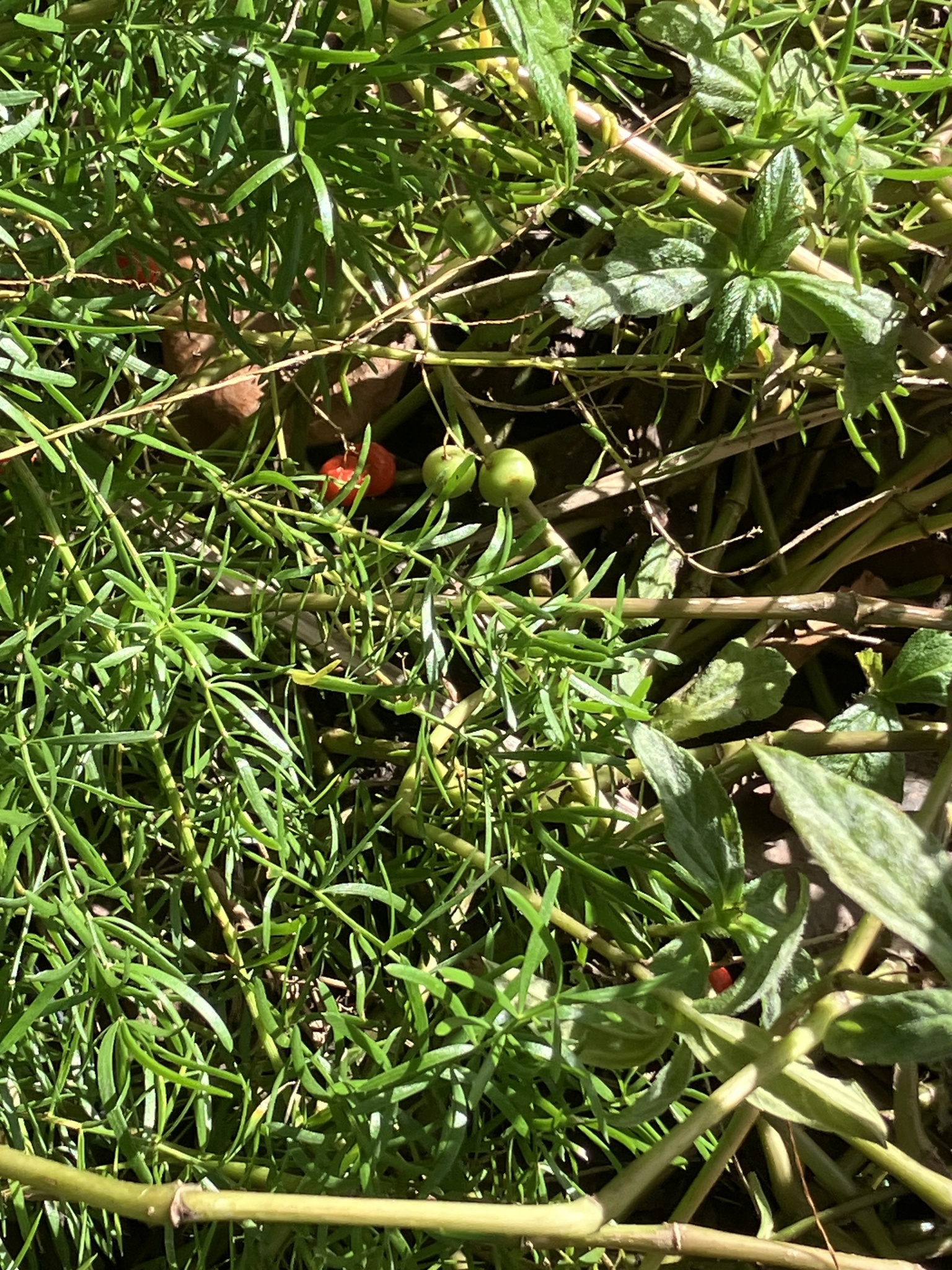
Foxtail fern is an evergreen perennial native to the coastal regions of South Africa, belonging to the Asparagaceae family rather than being a true fern. Asparagus densiflorus is distinguished by its dense, plume-like branches that radiate from a central clump of tuberous roots.
This species is frequently grown in containers where its arching stems can reach lengths of 1 m (3 ft). It produces sharp spines on older stems and small red berries that are toxic to pets, making placement a key consideration for households.
Key Facts
- Water: when the top 3 cm (1.2 in) of soil is dry
- Light: bright indirect light; avoid harsh midday sun
- Temperature: 16-24 °C (60-75 °F) is ideal
- Soil: rich, well-draining potting mix
- Safety: toxic to cats, dogs, and horses
Is Foxtail Fern Right for Your Home?
The foxtail fern is a low-maintenance architectural plant that suits bright rooms with enough horizontal space for its wide-spreading plumes. It is a relative of the edible asparagus (Asparagus officinalis), but it is grown for its texture rather than food. This plant is particularly suited for people who occasionally forget to water, as its thick, tuberous roots store moisture for dry periods.
You should choose this plant if you have a spot with filtered light, such as near an east-facing window. It does not perform well in dark corners, where it will shed its needle-like cladodes and become sparse. In frost-free regions like Florida, it is often grown outdoors, though it can become invasive in those specific climates.
Identifying the Foxtail Fern Look
This species is defined by its upright, bottle-brush stems that grow 60-90 cm (2-3 ft) long and are covered in tiny, needle-like structures. These needles are actually modified stems called cladodes, which perform photosynthesis in place of true leaves. The plant grows in a mounding habit, with stems arching outward as they mature.
- Stems: Pale green, woody at the base, with small sharp thorns.
- Cladodes: Needle-like, 1-2 cm (0.4-0.8 in) long, arranged in dense whorls.
- Roots: Fleshy white tubers that store water and nutrients.
- Berries: Small, round, turning from green to bright red in autumn.
How Much Light Does Foxtail Fern Need?
Provide your plant with bright, indirect sunlight for at least six to eight hours each day. While it can tolerate a few hours of direct morning sun, the intense afternoon sun will scorch the delicate cladodes, turning them yellow or brown. If the plant is kept in too much shade, the plumes will lose their density and the stems will become leggy as they stretch toward the light.
Indoors, a spot about 1 m (3 ft) away from a south-facing window or directly in an east-facing window is ideal. If you move your plant outdoors for the summer, place it in a location with dappled shade. Rapidly moving the plant from a dark room to bright outdoor sun will cause a massive shedding of its needles.
Foxtail Fern Care and Watering Schedule
Water the soil thoroughly when the top 3 cm (1.2 in) of the medium feels dry to the touch. Because the plant has tuberous roots that store water, it is more tolerant of underwatering than overwatering. Saturated soil will quickly lead to root rot, which is often fatal for this species.
- Frequency: Typically once a week in summer, reducing to every 10-14 days in winter.
- Method: Pour water until it drains from the bottom holes; never let the pot sit in a saucer of water.
- Water Type: Standard tap water is usually fine, though filtered water prevents mineral buildup.
- Signs of Thirst: Pale green or yellowing needles and a lightweight pot.
Best Soil and Humidity for Foxtail Fern
Use a well-draining, peat-based potting mix with a slightly acidic pH between 6.0 and 7.0. A mixture of two parts potting soil to one part perlite or coarse sand provides the drainage necessary to protect the tubers. These plants grow quickly and may need repotting every two years as the roots can eventually crack plastic pots.
While it is more tolerant of dry air than the Boston fern (Nephrolepis exaltata), it prefers humidity levels between 40% and 50%. In very dry winter homes, the needles may turn brown and drop. You can increase local humidity by placing the pot on a tray filled with pebbles and water or by using a humidifier in the room.
How to Feed and Prune Your Plant
Apply a balanced liquid fertilizer at half-strength once a month from March through September. Do not fertilize during the winter months when the plant is in a semi-dormant state. Excessive feeding can lead to salt buildup in the soil, which burns the sensitive root tips and causes yellowing.
Pruning is necessary to maintain the shape and remove old growth. Cut yellow or dead stems off at the very base of the plant using sharp, sterilized shears. If the plant becomes too large, you can prune back the longest plumes by one-third to encourage fuller growth from the center. Always wear gloves while pruning to avoid the small, sharp spines hidden along the stems.
How to Propagate Foxtail Fern
The most effective way to propagate is by dividing the root clump during the spring. Carefully remove the plant from its pot and use a clean knife to slice the tuberous root ball into two or three sections, ensuring each piece has several healthy stems. Replant these sections immediately into fresh potting soil and water lightly.
You can also grow this species from seeds found inside the red berries. Soak the seeds in warm water for 24 hours before planting them 1 cm (0.4 in) deep in moist seed-starting mix. Keep the tray at a temperature of 21-24 °C (70-75 °F) until germination occurs, which usually takes four to six weeks.
Why Is My Foxtail Fern Turning Yellow?
Yellowing is most often caused by improper watering or insufficient light. If the yellowing starts at the base and the soil feels damp, the plant is likely suffering from overwatering. If the entire plume turns a pale, sickly yellow and the needles feel brittle, it usually indicates the plant is receiving too much direct sunlight or is severely underwatered.
- Needle Drop: Often caused by a sudden change in temperature or very low humidity.
- Brown Tips: Usually a sign of dry air or chemical buildup from tap water.
- Sparse Growth: Indicates the plant needs more light or hasn’t been fertilized in a long time.
- Root Rot: Characterized by mushy, black tubers and a foul smell from the soil.
Is Foxtail Fern Toxic to Cats and Dogs?
The foxtail fern is toxic to dogs and cats, according to the ASPCA. Ingestion of the red berries can cause gastrointestinal distress, including vomiting, diarrhea, and abdominal pain. Furthermore, repeated skin contact with the sap can cause allergic dermatitis in both pets and humans, resulting in redness or itching.
If you have pets that like to chew on plants, keep the foxtail fern on a high shelf or in a hanging basket. The arching plumes are often tempting for cats to swat at, which can lead to accidental ingestion or skin irritation. If your pet consumes any part of the plant, contact a veterinarian immediately for guidance.
When Does Foxtail Fern Bloom?
Foxtail ferns produce small, white or pale pink flowers in the mid-summer months. These flowers are tiny and often hidden among the dense cladodes, but they emit a light, sweet fragrance that attracts pollinators when grown outdoors. The blooming period is relatively short, usually lasting only two to three weeks.
Following a successful bloom, the plant will produce small green berries that eventually ripen into a bright red colour by autumn. While these berries are decorative, they contain seeds and should be handled with care due to their toxicity. If your indoor plant fails to bloom, it is likely because it is not receiving enough light or the temperature is too consistent year-round.
Year-Round Foxtail Fern Care
| Spring | Repot the plant every 2 years if roots are crowded. Begin monthly fertilizing at half-strength and increase watering frequency as new growth appears. |
|---|---|
| Summer | Check soil moisture every 3-5 days. Move the plant to a shaded outdoor spot if desired, but keep it out of direct afternoon sun. |
| Autumn | Bring outdoor plants back inside before temperatures drop below 10 °C (50 °F). Reduce fertilizer and watch for the ripening of red berries. |
| Winter | Stop fertilizing and water only when the top 5 cm (2 in) of soil is dry. Keep the plant away from cold drafts and heating vents to prevent needle drop. |
Common Foxtail Fern Problems and Fixes
| What you see | Likely cause | What to do |
|---|---|---|
| Yellowing needles and soft stems | Overwatering/Root rot | Allow the soil to dry out completely and reduce watering frequency. |
| Massive needle drop | Stress or low light | Move the plant to a brighter location and avoid sudden temperature changes. |
| Brown, crispy needle tips | Low humidity | Mist the plant regularly or use a pebble tray to increase moisture. |
Popular Asparagus Fern Varieties
- ‘Myersii’ – The classic foxtail fern with upright, tapered plumes.
- ‘Sprengeri’ – A trailing variety with more open, airy branches.
- ‘Compacta’ – A dwarf version that stays under 45 cm (18 in) tall.
Frequently Asked Questions
How do I care for a foxtail fern after a freeze?
Cut all frost-damaged, brown stems back to the soil level once the danger of frost has passed. Because the plant grows from underground tubers, it will often send up fresh new plumes in the spring if the ground did not freeze solid.
Is foxtail fern invasive in Florida?
Yes, in several parts of Florida and Hawaii, it is considered an invasive species because it spreads via bird-dispersed seeds and displaces native plants. If you live in these areas, it is best to grow it strictly as a container plant and remove berries before they ripen.
Can I grow foxtail fern from seeds?
Yes, you can harvest seeds from the red berries, soak them for 24 hours, and plant them in warm, moist soil. Germination is slow and can take up to 6 weeks, so keep the soil consistently warm during this time.
Why is my foxtail fern losing its needles?
Needle drop is usually a reaction to environmental stress, such as a sudden move to a darker room or very dry indoor air. Increasing the humidity and ensuring the plant has bright, indirect light will usually stop the shedding.
Sources & Verification
Taxonomy and distribution are checked against the databases below. Care guidance is written for cultivated species only and reviewed by our editor. How We Build Plant Profiles →


