Plants in the Myrtaceae Family
48 plant profiles · Learn how to identify and grow plants in the Myrtaceae family, from eucalyptus trees to fruit-bearing shrubs like feijoa and lilly pilly.
The Myrtaceae family contains over 5,900 species of evergreen trees and shrubs defined by aromatic, oil-dotted leaves and prominent, brush-like stamens. Native primarily to Australia and the Neotropics, these woody plants thrive in full sun and well-draining soil. Holding a leaf up to light reveals translucent oil glands that produce distinct scents when crushed, characteristic of species like tea tree (Melaleuca alternifolia) and lemon-scented gum (Corymbia citriodora).
Selecting a Myrtaceae plant depends on your space, climate, and intended use. For edible fruit in temperate gardens, feijoa (Feijoa sellowiana) withstands temperatures down to -10 °C (14 °F), while Chilean guava (Ugni molinae) forms compact rows under 2 m (6.5 ft) tall. Australian native hedging plants like lilly pilly (Syzygium smithii) provide dense foliage for privacy screens, whereas manuka (Leptospermum scoparium) offers heavy spring flowering suitable for pollinator gardens.
Large landscape projects require careful scale planning, as members range from low shrubs to giant timber species. Mountain ash (Eucalyptus regnans) grows beyond 90 m (295 ft) tall in cool temperate regions, making it unsuitable for standard residential yards. Most species in this family share a vulnerability to myrtle rust (Austropuccinia psidii), a fungal pathogen that attacks soft new shoots in warm, humid weather.
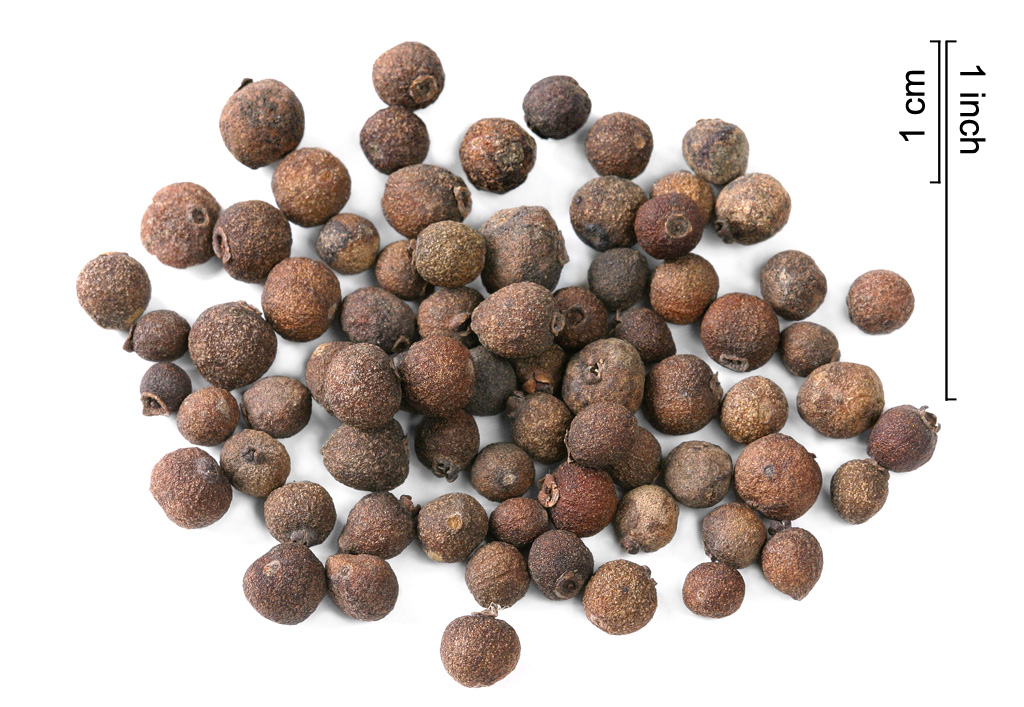
Allspice
Pimenta dioica
☀️ Full Sun 💧 Moderate

Australian Brush Cherry
Syzygium australe
☀️ Full Sun 💧 Moderate

Black Tea-Tree
Melaleuca bracteata
☀️ Full Sun 💧 Moderate

Blue Mountains Ash
Eucalyptus oreades
☀️ Full Sun 💧 Moderate

Bracelet Honey-Myrtle
Melaleuca armillaris
☀️ Full Sun 💧 Low

Brisbane Box
Lophostemon confertus
☀️ Full Sun 💧 Moderate

Broad-Leaved Paperbark
Melaleuca quinquenervia
☀️ Full Sun 💧 High

Cedar Bay Cherry
Eugenia reinwardtiana
☀️ Full Sun 💧 Moderate
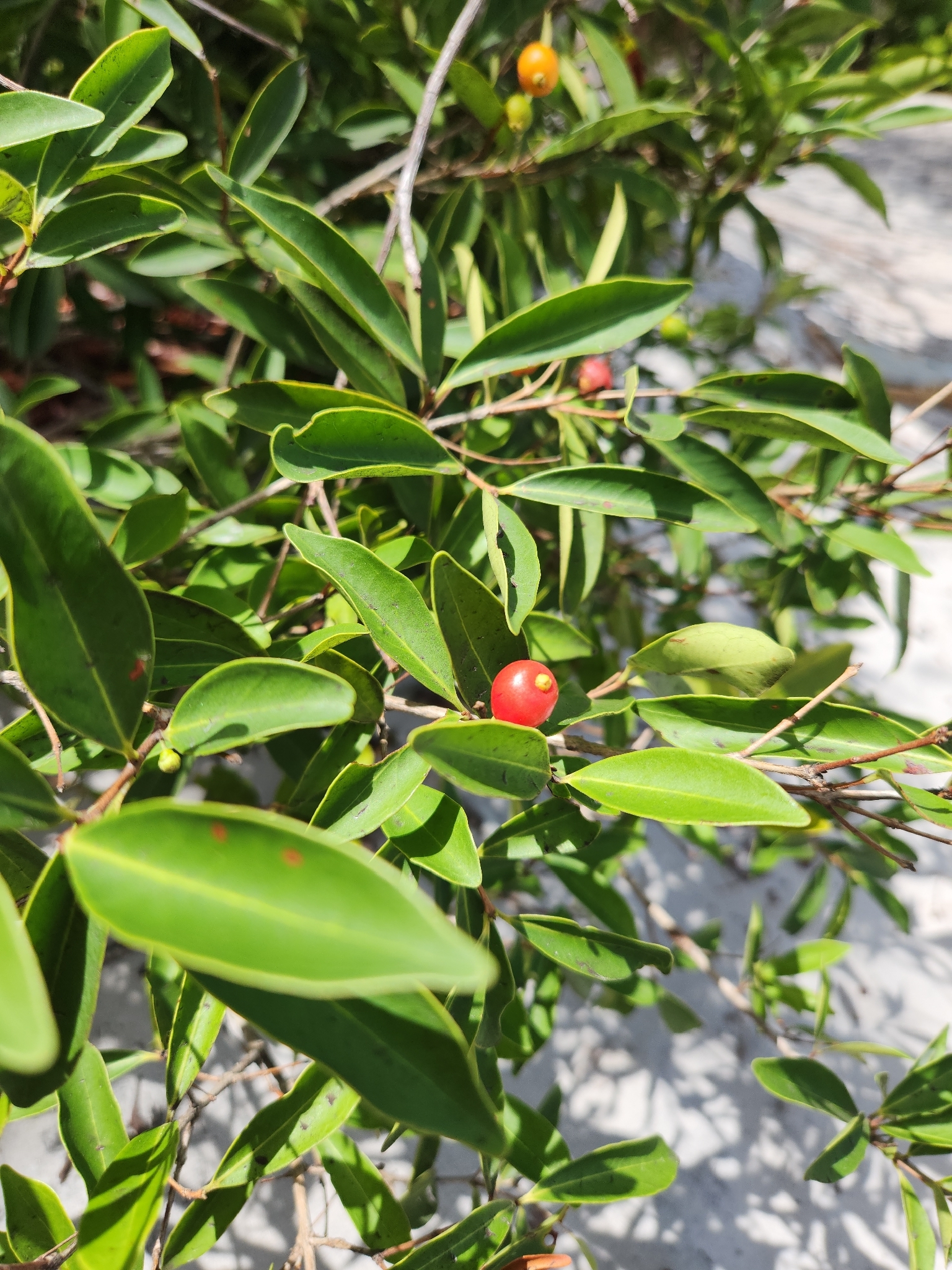
Cerecita
Eugenia punicifolia
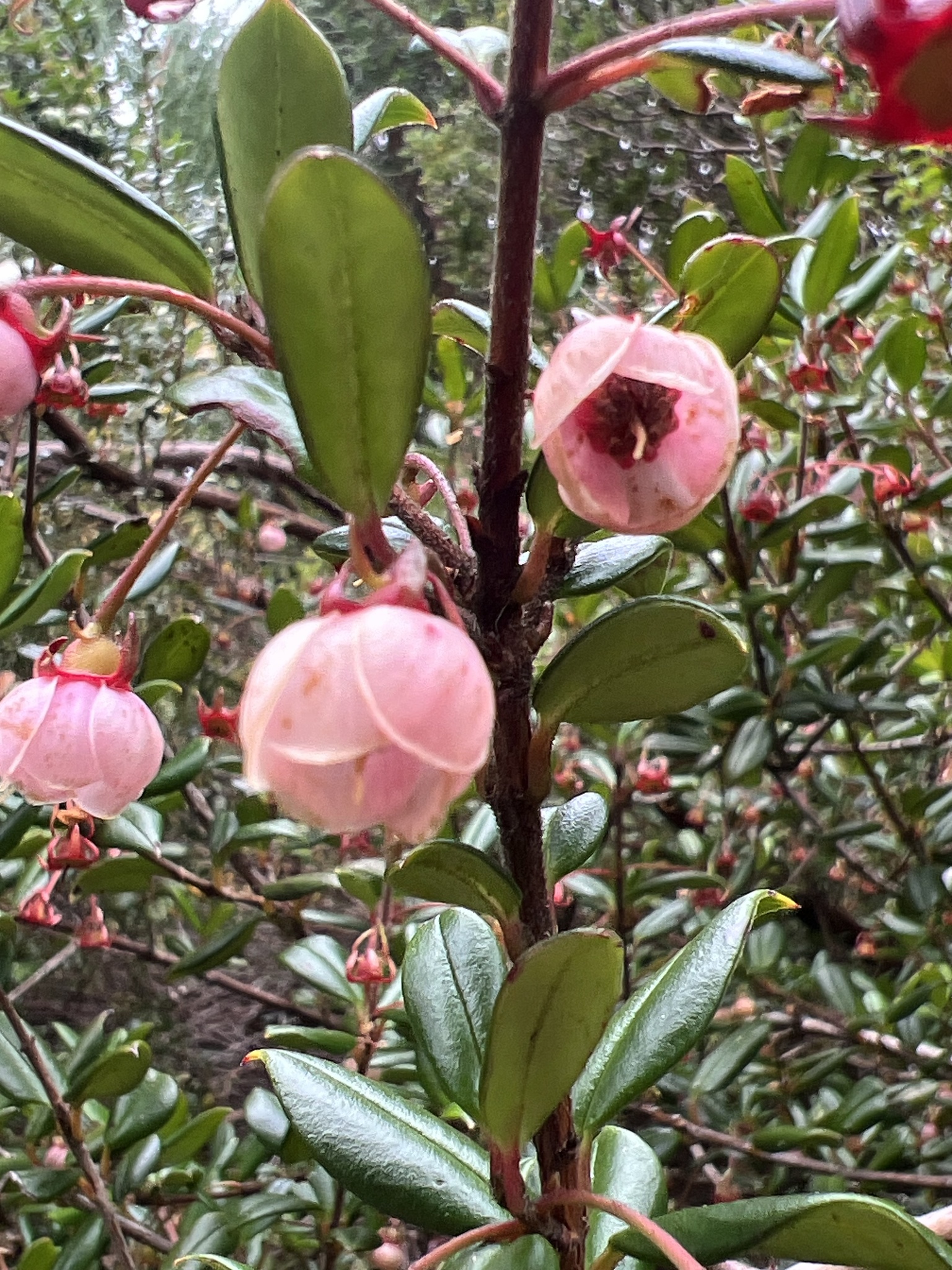
Chilean Guava
Ugni molinae
☀️ Full Sun 💧 Moderate

Cider Gum
Eucalyptus gunnii
☀️ Full Sun 💧 Moderate

Cinnamon Myrtle
Backhousia myrtifolia
☀️ Partial Shade 💧 Moderate

Clove
Syzygium aromaticum
☀️ Full Sun 💧 High

Coolabah
Eucalyptus microtheca

Crimson Bottlebrush
Callistemon citrinus
☀️ Full Sun 💧 Moderate

Dwarf Apple
Angophora hispida
☀️ Full Sun 💧 Low

Feijoa
Feijoa sellowiana
☀️ Full Sun 💧 Moderate

Flooded Gum
Eucalyptus grandis
☀️ Full Sun 💧 High

Forest Red Gum
Eucalyptus tereticornis
☀️ Full Sun 💧 Moderate

Guava
Psidium guajava
☀️ Full Sun 💧 Moderate

Guavaberry
Myrciaria floribunda
☀️ Full Sun 💧 Moderate

Jaboticaba
Plinia cauliflora
☀️ Full Sun 💧 High

Java Plum
Syzygium cumini
☀️ Full Sun 💧 Moderate

Lemon-Scented Gum
Corymbia citriodora
☀️ Full Sun 💧 Moderate
Common Questions
How do you identify plants in the Myrtaceae family?
You can identify Myrtaceae plants by their aromatic evergreen leaves with translucent oil dots and flowers dominated by dense clusters of exposed stamens. Crushing a leaf releases a strong scent of essential oils, such as eucalyptus, clove, or lemon.
Are all Myrtaceae plants evergreen?
Yes, virtually all species in the Myrtaceae family are evergreen trees or shrubs that retain their foliage year-round. They adapted to Mediterranean, subtropical, and tropical climates where year-round leaf cover conserves nutrients.
What growing conditions do Myrtaceae plants need?
Most Myrtaceae plants require full sun and acidic to neutral, well-draining soil. While established eucalyptus and melaleuca species tolerate drought, fruit-bearing genera like Syzygium require consistent soil moisture during flowering and fruiting.
Are Myrtaceae plants toxic to pets?
Many Myrtaceae species contain high concentrations of essential oils that cause gastrointestinal distress and vomiting in cats and dogs if ingested. Plants like tea tree and eucalyptus produce concentrated terpene oils that are toxic to pets when foliage or concentrated extracts are consumed.