
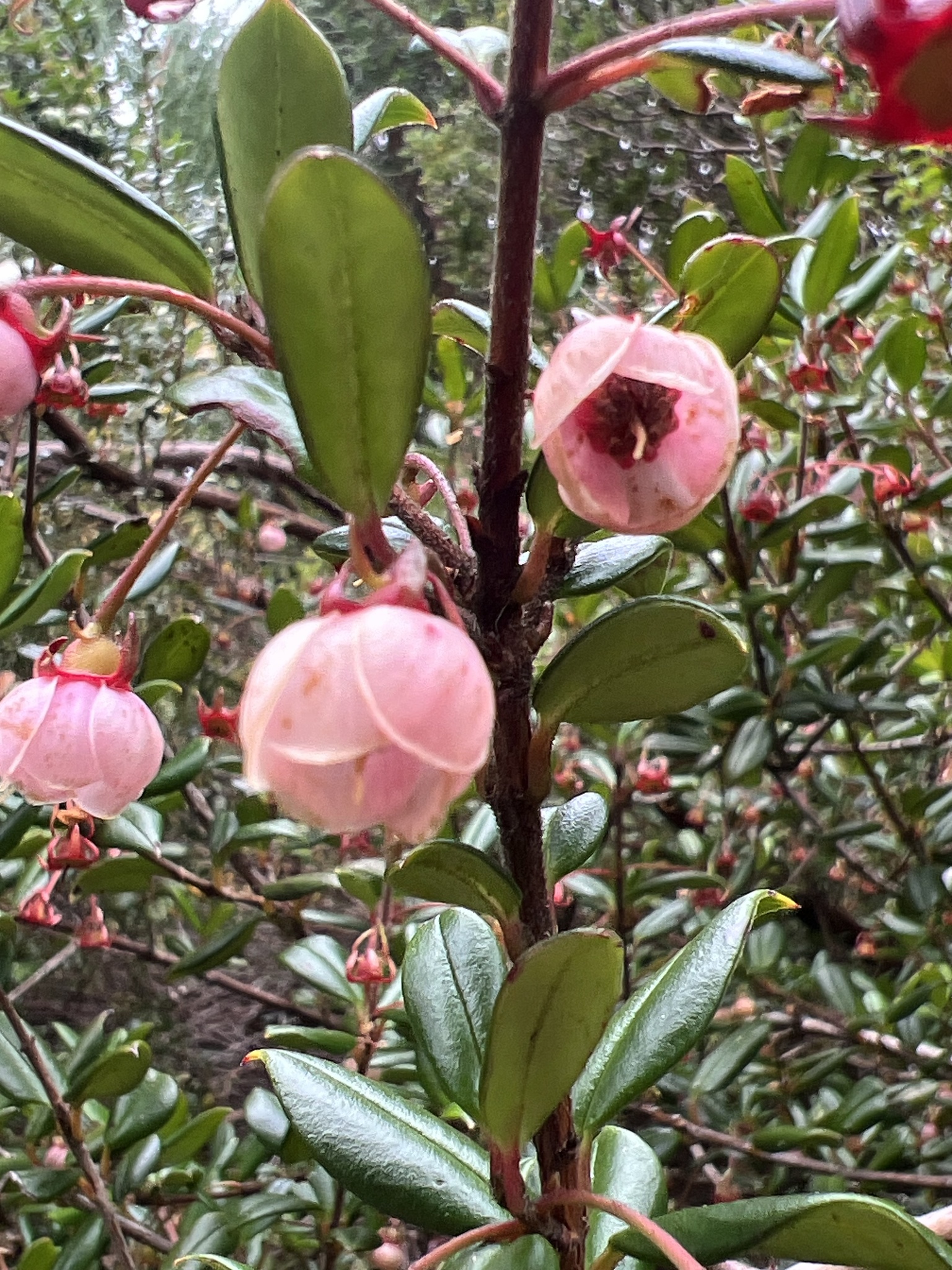
Chilean Guava (Ugni molinae) is a compact evergreen shrub native to the temperate rainforests of Chile and southern Argentina. It belongs to the Myrtaceae family and produces small, highly fragrant red berries that taste like strawberries mixed with guava.
You will need a sheltered spot with acidic soil and mild winter temperatures to keep this shrub thriving. While slow-growing, it rewards patience with dense foliage and heavy summer fruit yields.
Key Facts
- Light: Full sun to partial shade
- Water: Keep evenly moist, never dry out
- Soil: Acidic, well-drained loam
- Hardiness: USDA zones 8 to 11
- Height: 1.5 m (5 ft) mature size
Is Chilean Guava Right for Your Garden?
Chilean Guava is the ideal shrub for gardeners in mild coastal climates who want an ornamental hedge that doubles as a heavy-yielding fruit crop. You get glossy evergreen foliage alongside aromatic berries that were historically favored by Queen Victoria. It suits small gardens and patio containers equally well due to its modest ultimate size.
Success with this shrub depends entirely on matching its native woodland habitat. It dislikes severe winter frost, drought, and alkaline limestone soils. If you live in a colder region, you can easily grow it in a large pot and move it indoors during freezing weather.
What Does Chilean Guava Look Like?
Chilean Guava is a dense, multi-stemmed evergreen shrub that typically reaches 1.5 m (5 ft) in height and spread. The leaves are small, leathery, dark green, and glossy, measuring about 1 cm to 2 cm (0.4 to 0.8 in) in length with a pleasant aromatic scent when crushed.
- Flowers: Pendulous, urn-shaped white or pale pink flowers appear in late spring, featuring prominent stamens.
- Fruit: Round, edible berries measuring 1 cm (0.4 in) across turn from green to deep reddish-purple in autumn.
- Bark: Smooth, reddish-brown bark that peels slightly on mature stems.
What Size Does Chilean Guava Grow To?
Chilean Guava is a slow-growing shrub that takes several years to reach its maximum height of 1.5 m (5 ft) and an equal spread. Unpruned plants might eventually stretch to 2 m (6.5 ft) in ideal sheltered conditions. Container-grown specimens usually stay much smaller, around 90 cm (3 ft), depending on pot dimensions.
Because it responds exceptionally well to clipping, you can easily maintain a much smaller profile. Many growers keep it trimmed as a low hedging plant around 60 cm (2 ft) tall without sacrificing fruit production.
Best Site and Soil Conditions for Chilean Guava
Chilean Guava requires an acidic soil with a pH between 4.5 and 6.0 to prevent chlorosis and poor growth. Plant it in a spot with full sun for maximum fruit sweetness, though it tolerates partial shade during the hottest afternoon hours.
- Soil drainage: Essential to prevent root rot; heavy clay must be amended with organic matter or sand.
- Wind protection: Plant against a south- or west-facing wall to shield delicate flower buds from harsh winter gales.
- Moisture retention: Mix in well-rotted leaf mold or ericaceous compost at planting time to retain soil moisture.
How to Plant Chilean Guava
Plant your Chilean Guava in spring after all danger of heavy frost has passed, allowing roots to establish before winter. Dig a hole twice as wide as the nursery root ball and amend the backfill soil with ericaceous compost if your native earth is neutral or alkaline.
- Soak the root ball in water for 30 minutes before removing it from its nursery container.
- Position the shrub so the top of the root ball sits level with the surrounding soil surface.
- Firm the soil gently around the base and water thoroughly with 5 liters (1.3 gallons) of rainwater.
- Apply a 7 cm (3 in) layer of pine bark mulch around the base to suppress weeds and lock in moisture.
Watering, Feeding and General Care
Chilean Guava needs consistent moisture and will drop its leaves or fruit if allowed to dry out completely. Water deeply once a week during dry summer spells, using rainwater rather than hard tap water whenever possible.
- Feed in early spring with a balanced, ericaceous slow-release fertilizer designed for acid-loving plants.
- Apply fresh pine needle or ericaceous compost mulch every spring to maintain soil acidity and moisture.
- Container-grown plants require watering every 2 to 3 days during peak summer heat and monthly liquid feeding.
How to Prune Chilean Guava
Chilean Guava requires minimal pruning, which should be done in early spring before new growth begins. Remove any dead, damaged, or crossing branches to maintain good air circulation through the dense canopy.
- If you are using the shrub as a hedge, trim it lightly right after the summer harvest finishes.
- Avoid heavy hard pruning into old wood unless necessary, as this can temporarily halt fruit production for a season.
- Always use clean, sharp bypass pruners to prevent tearing the leathery stems.
How to Handle Chilean Guava in Winter
Chilean Guava is hardy down to -5 °C to -10 °C (23 °F to 14 °F) when planted in a sheltered microclimate. Mature plants tolerate brief winter freezes, but young specimens require heavy fleece protection during prolonged cold snaps.
- Move potted shrubs into a cool greenhouse, unheated conservatory, or bright porch once autumn temperatures drop below 0 °C (32 °F).
- Reduce watering significantly during winter dormancy, only providing enough moisture to keep the root ball from drying completely.
- Pile extra leaf mold or straw around the base of garden-grown plants to insulate the root system from deep freezes.
Common Chilean Guava Problems
Chilean Guava is generally trouble-free, though root rot and chlorosis are the most frequent issues reported by growers. Yellow leaves almost always indicate that your soil pH is too high, preventing iron absorption.
- Symptom: Leaf drop and wilt. Cause: Underwatering or heavy drought stress. Fix: Soak the root zone deeply and establish a regular watering routine.
- Symptom: Interveinal chlorosis (yellowing between green veins). Cause: Alkaline soil or tap water. Fix: Apply chelated iron and switch entirely to rainwater irrigation.
- Symptom: Mold on berries during wet autumns. Cause: Excess humidity and poor airflow. Fix: Harvest fruit promptly as soon as they soften and turn dark red.
Culinary Uses and Benefits of Chilean Guava
Chilean Guava berries are exceptionally sweet, aromatic, and packed with natural sugars and antioxidants. Harvest the fruit from late summer through autumn by picking only the soft, dark red berries that easily detach from the stem.
- Eat them completely fresh straight from the bush as a high-flavor garden snack.
- Cook them down into traditional jams, jellies, syrups, and dessert sauces to preserve their intense strawberry fragrance.
- Infuse them into spirits or use them as a topping for yogurt, ice cream, and pastry tarts.
Chilean Guava Through the Seasons
| Spring | Apply a balanced ericaceous fertilizer and fresh pine bark mulch around the base. Prune out any dead stems and monitor soil moisture as new growth begins. |
|---|---|
| Summer | Water deeply once a week, increasing frequency during hot spells. Enjoy the fragrant pink bell flowers and watch for developing green berries. |
| Autumn | Harvest ripe red berries regularly as they soften. Prepare winter frost protection for young plants or move container specimens indoors. |
| Winter | Keep outdoor plants sheltered from freezing winds and heavy snow. Water container plants sparingly and protect roots with extra mulch. |
Chilean Guava Plant Problems and Solutions
| What you see | Likely cause | What to do |
|---|---|---|
| Yellow leaves with green veins | Soil pH too high | Apply chelated iron drench and topdress with ericaceous compost. |
| Shrivelled or dropped flower buds | Frost damage or drought | Provide frost fleece in spring and maintain even soil moisture. |
| Stunted growth and twig dieback | Waterlogged roots | Improve garden drainage or repot into a well-aerated acidic potting mix. |
| No fruit production | Insufficient sunlight or heavy pruning | Move to a sunnier location and refrain from heavy pruning. |
Popular Chilean Guava Cultivars
- ‘Flambeau’ – features striking cream-and-pink variegated foliage
- ‘Candy Box’ – selected for exceptionally sweet, high-yield berries
- ‘Kp Red’ – produces larger than average deep red fruits
Frequently Asked Questions
What do Chilean guavas taste like?
Chilean guavas taste like a rich blend of sweet strawberries, tropical guava, and caramelized sugar. The aroma is extremely intense and sweet, which is why the fruit was historically prized in royal English gardens.
How big does a Chilean guava plant get?
Chilean guava grows to a mature height and spread of 1.5 m (5 ft). It has a slow growth rate and can easily be pruned down to a smaller size or kept as a compact hedge.
What is the growing zone for Chilean guava?
Chilean guava grows best in USDA zones 8 to 11. It tolerates light frosts down to -5 °C (23 °F), but needs winter protection or indoor placement in colder climates.
How do you grow Chilean guava from seed?
Clean the seeds from ripe berries, wash off the pulp, and sow them in a tray of moist ericaceous seed compost. Germination typically takes 4 to 8 weeks when kept in a warm, bright indoor spot at 18-21 °C (64-70 °F).
How do you prune a Chilean guava plant?
Prune Chilean guava in early spring by removing dead wood, crossing branches, and lightly shaping the plant. If you grow it as a hedge, give it a second light trim right after the autumn harvest.
Sources & Verification
Taxonomy and distribution are checked against the databases below. Care guidance is written for cultivated species only and reviewed by our editor. How We Build Plant Profiles →