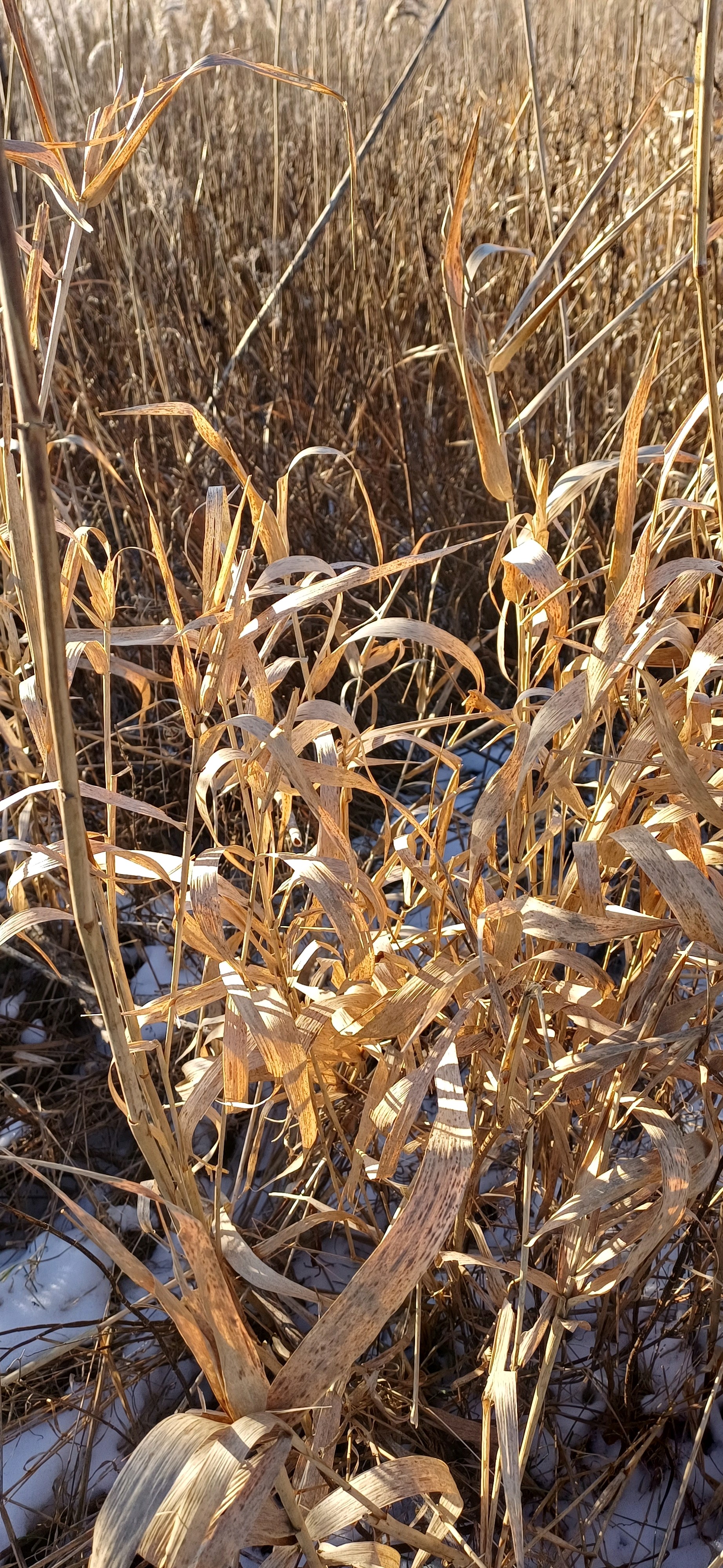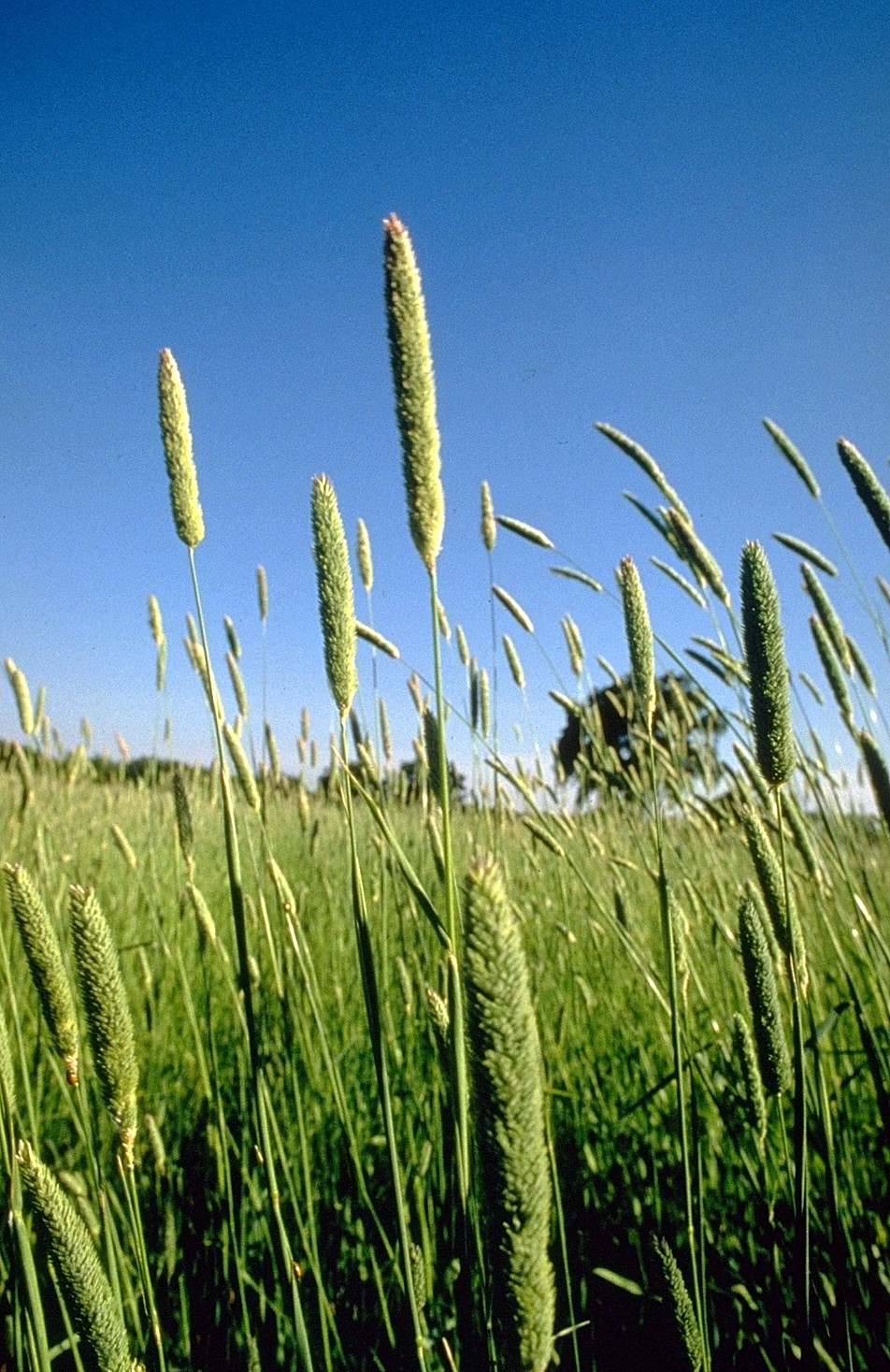
Harding grass (Phalaris aquatica) is a robust, perennial bunchgrass native to the Mediterranean Basin, primarily recognized by its swollen, bulbous stem bases. It forms dense, blue-green tufts that reach up to 1.5 m (5 ft) in height, producing tight, cylindrical flower heads during the late spring.
This species is a primary forage crop in regions with Mediterranean climates like Australia and California, though it requires careful management to prevent alkaloid poisoning in livestock. Unlike its relative reed canary grass (Phalaris arundinacea), it lacks creeping rhizomes and relies on its deep root system to survive summer droughts.
Key Facts
- Water: 500-800 mm (20-31 in) annual rainfall preferred
- Soil: Deep, heavy clays with neutral pH
- Growth: Active during autumn, winter, and spring
- Hardiness: Tolerates frost down to -10 °C (14 °F)
- Height: 60-150 cm (2-5 ft) at maturity
- Alkaloids: Contains indole alkaloids like DMT and 5-MeO-DMT
Is Harding Grass Right for Your Land?
Harding grass is best suited for large-scale pasture management in regions with wet winters and dry summers. It thrives on heavy clay soils that may become waterlogged in winter, where other grasses like perennial ryegrass (Lolium perenne) often fail to persist. You should choose this grass if you need a perennial that provides high-quality feed during the cooler months when other species are dormant.
Because it forms permanent tufts, it is excellent for stabilizing soil on slopes and preventing erosion in Mediterranean climates. However, it is not suitable for small residential lawns or gardens due to its height and aggressive self-seeding. In California, it is often classified as an invasive weed in native riparian habitats, so check local regulations before planting.
Identifying Phalaris aquatica: the Look of the Plant
You can identify Harding grass by the distinct swelling or ‘bulb’ at the base of the mature stems. These bulbs store carbohydrates, allowing the plant to survive long periods of summer drought. The leaves are hairless, blue-green, and can grow up to 40 cm (16 in) long and 1.5 cm (0.6 in) wide, with a notably large, white ligule reaching 10 mm (0.4 in) in length.
The flower head is a dense, spike-like panicle, usually 5-15 cm (2-6 in) long, which remains compact rather than spreading out. Unlike the annual canary grass (Phalaris canariensis), Harding grass is a long-lived perennial. When the stems are cut, they may exude a reddish sap, which is a characteristic trait of the Phalaris genus.
Ideal Growing Conditions for Australian Phalaris
Harding grass requires full sun and heavy, moisture-retentive soil to reach its full biomass potential. It is highly tolerant of winter waterlogging but requires a minimum annual rainfall of 450 mm (18 in) to remain productive. It performs best in soils with a pH between 6.0 and 7.0, although it can tolerate slightly acidic conditions down to 5.5.
While it is frost-tolerant, its growth slows significantly when temperatures drop below 5 °C (41 °F). In contrast, it enters a state of semi-dormancy during hot summer months, relying on its deep root system, which can extend over 2 m (6.5 ft) into the soil. It is often grown alongside legumes like subterranean clover (Trifolium subterraneum) to provide nitrogen and balance the pasture’s nutritional profile.
Sowing Phalaris aquatica Seeds
Sow seeds at a rate of 2-4 kg per hectare (1.8-3.6 lb per acre) during the autumn or early winter. Because the seeds are small, they must be planted no deeper than 1-2 cm (0.4-0.8 in) into a finely prepared seedbed. Early sowing is vital to allow the root system to establish before the first summer drought arrives.
Seedling vigor is relatively low compared to weeds, so you must ensure the site is clear of competition before sowing. Common practices include:
- Applying a knockdown herbicide 4 weeks before sowing
- Using a specialized seed drill for precise depth control
- Mixing seeds with a phosphorus-rich starter fertilizer
- Rolling the soil after sowing to ensure good seed-to-soil contact
Care and Management of Established Stands
Apply nitrogen fertilizer in early autumn to stimulate the first flush of growth after summer dormancy. Harding grass is a heavy feeder and responds well to 40-60 kg of nitrogen per hectare (35-53 lb per acre) if soil moisture is adequate. You should avoid heavy grazing during the first year to allow the ‘bulbs’ at the base to develop fully.
In subsequent years, the grass requires rotational grazing to prevent it from becoming too tall and ‘rank,’ which reduces its nutritional value. If the plants are allowed to reach the flowering stage, the stems become woody and less palatable to livestock. Mowing or heavy grazing in late spring can help maintain a leafy canopy and encourage more tillering.
Harvesting and Grazing Management
Begin grazing when the grass reaches a height of 10-15 cm (4-6 in) during the winter growth phase. It is essential to leave a residual height of at least 5 cm (2 in) to ensure rapid regrowth and protect the basal buds. For hay production, harvest the grass just as the flower heads begin to emerge from the sheath, as protein levels drop rapidly after flowering.
The nutritional value of Australian phalaris is highest in the winter, with crude protein levels often exceeding 20%. However, you must be cautious during the first flush of growth after a drought, as this is when alkaloid concentrations are typically at their peak. Rotational grazing cycles of 4-6 weeks are generally recommended to maximize yield and plant health.
Uses and Alkaloid Content
Harding grass is primarily used as high-energy forage for sheep and cattle, but it is also studied for its chemical properties. The plant contains several indole alkaloids, including N,N-DMT and 5-MeO-DMT, which are of interest in ethnobotanical research. These compounds are concentrated in the young, rapidly growing shoots, particularly in specialized cultivars like ‘AQ1’.
Historically, the Phalaris genus has been used in various traditional contexts, though its primary modern value remains agricultural. The alkaloids serve as a chemical defense against herbivores, but they can lead to toxicity issues. Researchers have developed low-alkaloid varieties, such as ‘Sirosa’, specifically to make the grass safer for general livestock consumption.
Common Problems: Pests, Diseases, and Invasiveness
The most significant issue with Harding grass is Phalaris staggers, a neurological disorder caused by alkaloid ingestion. This usually occurs when livestock graze on short, lush regrowth after a dry spell. Symptoms include tremors, head nodding, and incoordination; providing cobalt supplements or using cobalt bullets in sheep can significantly reduce the risk of the ‘staggers’ syndrome.
In terms of plant health, it is relatively resistant to pests, though redlegged earth mites (Halotydeus destructor) can devastate emerging seedlings in autumn. It can also become a significant environmental weed, outcompeting native vegetation in wetland margins and grasslands. In these areas, management requires preventing seed set through well-timed mowing or targeted herbicide application.
Storage and Seed Collection
Store Harding grass seeds in a cool, dry environment at 5 °C (41 °F) to maintain viability for up to 5 years. The seeds are prone to ‘shattering,’ meaning they fall from the head as soon as they ripen, making mechanical harvest difficult. You should harvest when the top third of the seed head turns light brown but before the entire head is dry.
If storing as hay, ensure the moisture content is below 15% to prevent mold growth and spontaneous combustion. Hay made from Harding grass should be kept in a covered, well-ventilated shed to preserve its vitamin A and protein content. Because of the alkaloid risk, hay made from stressed or drought-affected crops should be tested before being fed to sensitive livestock.
Year-Round Management of Harding Grass
| Spring | Manage grazing pressure to prevent the grass from becoming rank and woody. Harvest for hay just as the flower heads emerge. |
|---|---|
| Summer | Allow the plant to enter dormancy. Avoid overgrazing the dry stubble to protect the bulbous bases from heat and physical damage. |
| Autumn | Sow new stands at 2-4 kg per hectare. Apply nitrogen fertilizer after the first significant rains to trigger regrowth. |
| Winter | Monitor for Phalaris staggers in livestock grazing lush regrowth. Ensure animals have access to cobalt supplements. |
Common Harding Grass Problems and Solutions
| What you see | Likely cause | What to do |
|---|---|---|
| Livestock tremors and incoordination | Alkaloid toxicity (Phalaris staggers) | Remove animals from the pasture and provide cobalt supplements. |
| Poor seedling emergence | Sowing too deep or weed competition | Ensure seeds are no deeper than 1-2 cm and use pre-emergent herbicides. |
| Yellowing of older leaves | Nitrogen deficiency | Apply a nitrogen-rich fertilizer during the active growth phase. |
Common Phalaris aquatica Cultivars
- ‘Australian’ – The traditional hardy variety used in permanent pastures.
- ‘Sirosa’ – A cultivar bred for lower alkaloid levels and better seedling vigor.
- ‘Holdfast’ – Known for high seed retention and winter production.
- ‘AQ1’ – A variety noted for higher concentrations of specific alkaloids.
- ‘Uneta’ – A non-shattering variety that makes seed harvesting easier.
Frequently Asked Questions
Does Phalaris aquatica contain DMT?
Yes, Phalaris aquatica contains indole alkaloids including N,N-DMT and 5-MeO-DMT, with concentrations varying by cultivar and environmental stress.
What is the difference between Phalaris aquatica and Phalaris arundinacea?
Phalaris aquatica has a bulbous base and lacks creeping rhizomes, while Phalaris arundinacea (reed canary grass) spreads via rhizomes and lacks the bulbous stem base.
Is Harding grass invasive?
Yes, it is considered invasive in several regions, including California and parts of Australia, where it displaces native wetland and grassland species.
What is the AQ1 variety of Phalaris?
AQ1 is a specific selection of Phalaris aquatica known for its high alkaloid content, often used in chemical research rather than standard livestock forage.
Can sheep eat Harding grass?
Sheep can graze it, but they are susceptible to 'Phalaris staggers' if the grass is lush and low in cobalt; rotational grazing is required for safety.
Information about traditional or historical uses is provided for educational interest only and is not medical advice. Do not use any plant to treat a condition without speaking to a qualified professional.
Sources & Verification
Taxonomy and distribution are checked against the databases below. Care guidance is written for cultivated species only and reviewed by our editor. How We Build Plant Profiles →