Gardener’s garters (Phalaris arundinacea) is a vigorous cool-season perennial grass native across temperate Europe, Asia, and North America, recognised by its broad blades striped with creamy white and green. In gardens, the variegated forms brighten damp borders and pond edges rapidly.
Because its underground rhizomes spread aggressively in wet soils, you must plant it inside submerged containers or root barriers to prevent it from overtaking garden beds or nearby natural waterways.
Key Facts
- Hardiness: USDA Zones 4-9
- Water: Keep soil constantly moist to wet
- Light: Full sun to partial shade
- Spread control: Restrict roots in bottomless tubs
- Cut back: Shear foliage midsummer to reset striping
Is Gardener’s Garters Right for Your Garden?
Gardener’s garters thrives in poorly drained soil, pond margins, and wet swales where other ornamental grasses struggle with standing water. It establishes dense cover in its first season and survives sub-zero winters down to -34 °C (-30 °F).
This plant is not suited for open, unbordered perennial beds alongside delicate perennials. Unchecked rhizomes travel over 1 m (3.3 ft) in a single season, quickly choking shallow-rooted companions.
- Choose this grass for stabilizing boggy banks and erosion-prone slopes.
- Avoid loose planting near wild wetlands or natural streams.
- Plant in sunken 15-litre (4-gallon) containers to keep stems contained.
Gardener’s Garters Plant Identification and Appearance
You can identify cultivated gardener’s garters by its flat leaf blades measuring 15-35 cm (6-14 in) long and up to 2 cm (0.8 in) wide, longitudinally striped in clean cream and pale green. Foliage forms arching clumps reaching 60-120 cm (2-4 ft) in height.
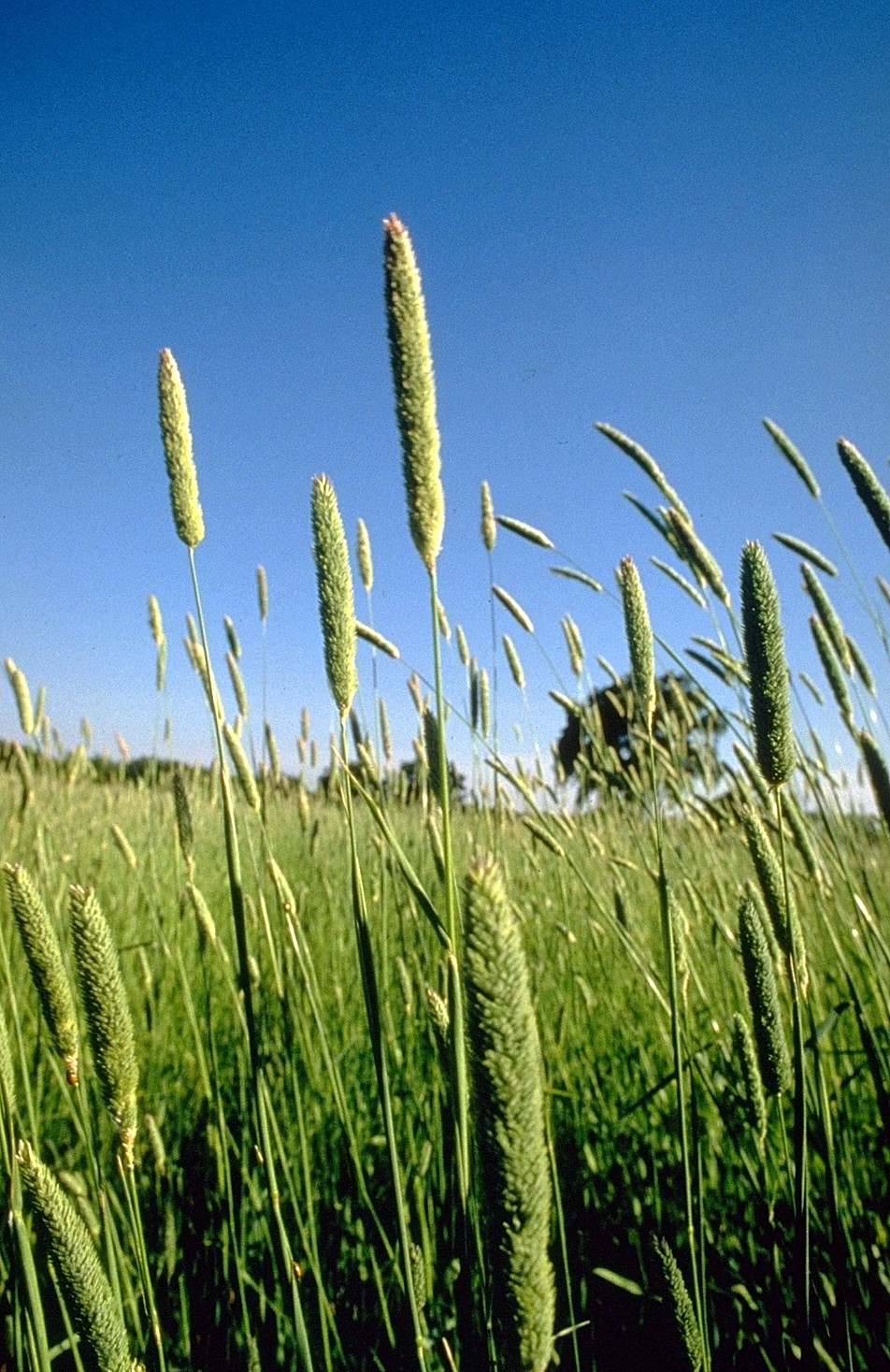
Wild-type plants display plain green leaves with a prominent membranous ligule measuring 4-10 mm (0.15-0.4 in) where the blade meets the sheath. Erect, hollow stems remain sturdy throughout summer, ending in dense flower panicles 10-30 cm (4-12 in) long that emerge pale pink-purple before turning beige.
Best Site and Soil Conditions for Ribbon Grass
Ribbon grass grows best in full sun to partial shade with soil that never completely dries out. While it survives in ordinary garden loam, it achieves its densest growth in waterlogged silt or heavy clay.
Strong midday sunlight maintains the brightest contrast in variegated cultivars, but intense heat in dry soil causes brown leaf margins. If your garden has light, sandy soil, amend the bed with garden compost and set the plant near downspouts or pond edges.
How to Plant Phalaris arundinacea to Prevent Invasiveness
Always install gardener’s garters with a physical root barrier sunk 30 cm (12 in) deep or inside submerged pots to stop runaway rhizomes. Without physical boundaries, a single nursery division will colonise a 2 m (6.6 ft) radius within two growing seasons.
Follow these steps when planting:
- Dig a planting hole 40 cm (16 in) wide and line the vertical sides with rigid plastic barrier edging.
- Alternatively, remove the base of a 30 cm (12 in) plastic container and sink the rim flush with the soil line.
- Place the root crown level with the surrounding soil surface.
- Firm the soil around the crown and soak thoroughly with 5 litres (1.3 gallons) of water.
Watering and Feeding Requirements
Provide at least 2.5 cm (1 in) of water per week whenever topsoil loses surface moisture, or submerge the container margin in up to 10 cm (4 in) of standing water. Established plants withstand brief dry periods but will turn straw-yellow if moisture drops completely.
Do not apply high-nitrogen fertilizers. Synthetic feeds stimulate rapid running, weaken the upright stem structure, and cause variegated leaves to revert to plain dark green. A thin 2 cm (0.8 in) dressing of leaf mould in spring provides all necessary nutrients.
Pruning and Midsummer Rejuvenation
Shear the foliage down to 10 cm (4 in) above the ground in midsummer when the variegated foliage becomes scorched, tattered, or pale. A fresh flush of bright, pink-tinged striped foliage will emerge within 14 days.
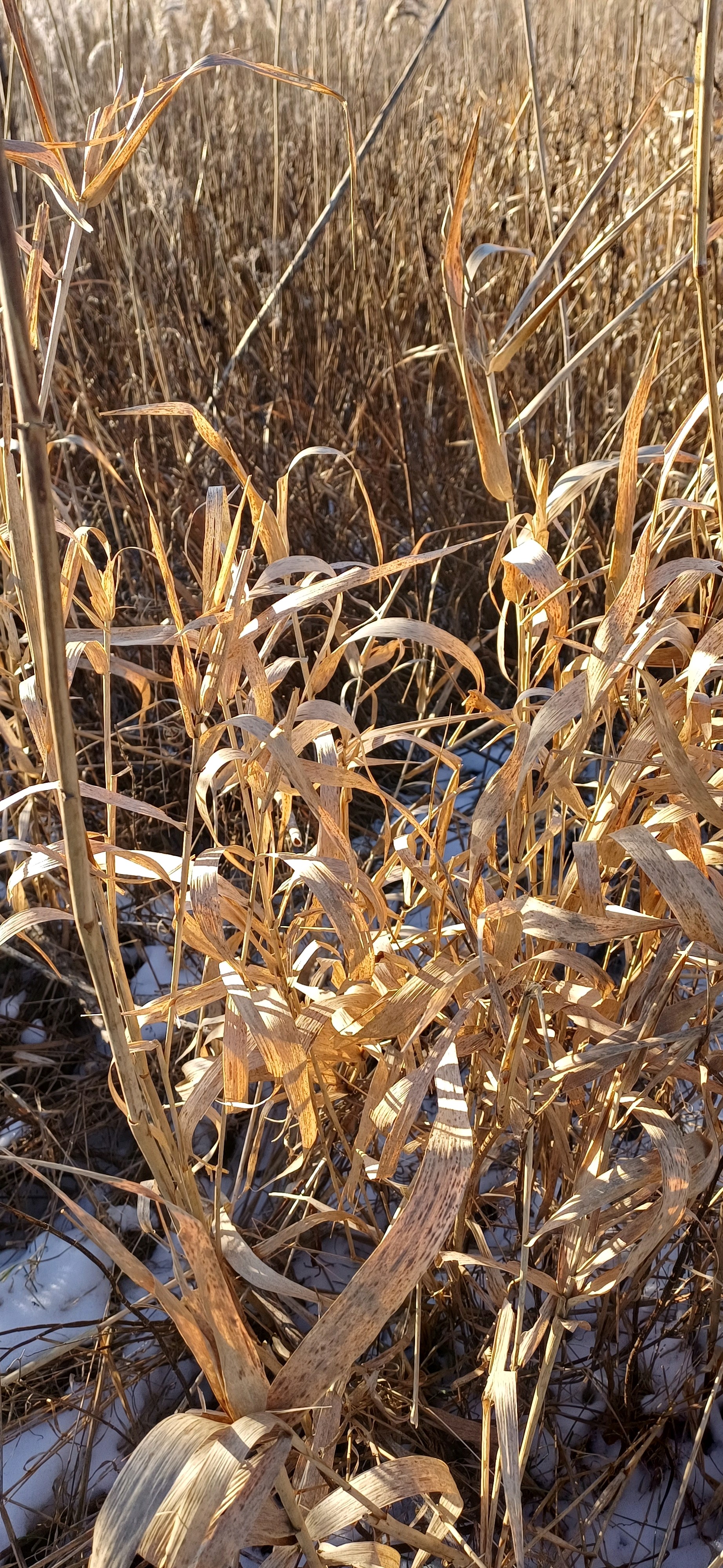
In late winter or early spring before green shoots break dormancy, cut the remaining dead, straw-coloured culms down to ground level with hedge shears. Dispose of all cuttings in municipal green waste rather than home compost to avoid root fragments rooting in moist compost heaps.
How to Propagate Phalaris arundinacea
Propagate gardener’s garters by rhizome division in early spring just as the pink dormant shoot tips begin to swell. Divisions root readily within 10 to 14 days without rooting hormones or greenhouse heating.
- Slice a 10 cm (4 in) chunk of root clump containing at least 3 viable buds using a sharp spade.
- Trim any dead culms back to 5 cm (2 in).
- Pot directly into general peat-free potting compost mixed with 20% garden soil.
- Keep pots sitting in 2 cm (0.8 in) of water until top shoots reach 15 cm (6 in) high.
Pests, Diseases, and Reversion
Gardener’s garters suffers from foliage reversion to wild green more often than any insect or pathogen attack. Plain green stems lack the genetic variegation and grow twice as vigorously as striped shoots.
- Reversion: Dig out completely green stems down to the rhizome immediately to keep them from overwhelming the clump.
- Leaf scorch: Dry winds cause papery tips; increase moisture or move containers to light dappled shade.
- Rust: High humidity with stagnant air produces orange pustules; shear infected stems to the base and destroy the debris.
- Slugs: Emerging spring shoots occasionally show ragged margins; apply organic wool pellets around emerging crowns.
Overwintering Gardener’s Garters
This species requires no winter protection down to USDA Zone 4 (-34 °C or -30 °F) when planted in garden soil. Underground rhizomes remain hardy through ground freezes and re-sprout reliably in April.
Potted specimens submerged in ponds should be lowered below the ice layer, roughly 20-30 cm (8-12 in) beneath the water surface, to keep root balls from freezing solid in cold regions. Potted patio containers should be grouped against a sheltered wall to protect terracotta from cracking.
Bloom Habits and Seed Control
Gardener’s garters produces erect flower panicles in June and July, though blooms are often considered secondary to the striped foliage. Inflorescences open with a slight purple flush, spreading out branches during pollen release before closing tightly into tan seedheads.
To prevent self-seeding, remove seedheads as soon as flowering finishes. While cultivars like ‘Picta’ produce mostly sterile or weak seed, wild green reversions drop viable seeds that disperse rapidly by water currents and colonise natural marshes.
Seasonal Tasks for Gardener’s Garters
| Spring | Cut old dead stems down to ground level before new growth starts. Divide overcrowded clumps and pot up divisions in moist soil. |
|---|---|
| Summer | Shear back yellowing or faded foliage to 10 cm (4 in) in July for fresh growth. Remove all flower spikes before seed matures. |
| Autumn | Sever any stray rhizomes escaping container borders. Lower pond-margin pots deeper into the water before surface ice forms. |
| Winter | Leave straw-coloured culms standing for soil stabilization and windbreak, or clear away broken stems during garden clean-up. |
Gardener’s Garters Problems and Solutions
| What you see | Likely cause | What to do |
|---|---|---|
| All-green stems appearing within striped clump | Genetic reversion to wild-type reed canary grass | Dig out the all-green shoots down to the rhizome and discard them immediately. |
| Brown, papery leaf tips | Moisture deficit or hot, dry winds | Increase watering frequency and mulch around the base with 5 cm (2 in) of leaf compost. |
| Clump spreading into lawn or border | Rhizomes leaping uncontained boundaries | Install a rigid plastic barrier 30 cm (12 in) deep or move the plant into a sunken container. |
| Stems flopping over flat | Excess nitrogen fertiliser or insufficient light | Stop all feeding and cut the foliage back to 10 cm (4 in) to promote sturdy upright shoots. |
Cultivars of Phalaris arundinacea
- ‘Picta’ – classic white and green striped leaves, standard garden form
- ‘Feesey’ – brilliant white striping with strong pink spring margins
- ‘Strawberries and Cream’ – intense pink flush on new spring growth
- ‘Woods Dwarf’ – compact habit reaching only 45-60 cm high
Companion Plants for Gardener’s Garters
Pair gardener’s garters with deep-rooted, vigorous bog perennials that can hold their own against its running habit. The crisp white stripes contrast effectively against broad, dark foliage in water features.
- Yellow flag iris (Iris pseudacorus): Stiff upright blue-green fans match ribbon grass height and thrive in wet margins.
- Purple loosestrife (Lythrum salicaria): Sturdy woody rootstocks resist root pressure while providing magenta spikes.
- Marsh marigold (Caltha palustris): Low, glossy green mounds and bright spring yellow flowers frame the base of the taller grass.
- Soft rush (Juncus effusus): Round, dark green stems offer structural needle-like contrast to the flat variegated leaves.
Frequently Asked Questions
Why is Phalaris arundinacea associated with DMT?
Certain wild strains of reed canary grass naturally produce trace indole alkaloids, including N,N-dimethyltryptamine (DMT) and 5-MeO-DMT, alongside the toxic alkaloid gramine. In agricultural contexts, these compounds cause neuromuscular disorders known as 'phalaris staggers' in grazing sheep and cattle.
Is gardener's garters invasive?
Yes, the species spreads aggressively through persistent rhizomes and is classified as a noxious wetland weed in several North American states. In domestic gardens, you should always grow it within enclosed pots or deep root barriers to prevent escape into natural waterways.
Can gardener's garters grow directly in water?
Yes, gardener's garters grows happily as an aquatic marginal plant in water up to 10-15 cm (4-6 in) deep above the crown. Placing pots on pond shelves controls its spreading habit while providing foliage around water margins.
How do you stop gardener's garters from turning plain green?
Cut out any entirely green stems at their rhizome connection as soon as they appear in spring. Green shoots are genetically reverted, grow faster than variegated stems, and will outcompete the striped foliage if left unmanaged.
What is the native range of Phalaris arundinacea?
The species is native across temperate regions of the Northern Hemisphere, spanning Europe, northern Asia, northern Africa, and North America. However, European genotypes introduced to North America for agricultural forage have hybridised with native stands, leading to aggressive non-native wetland invasions.
Sources & Verification
Taxonomy and distribution are checked against the databases below. Care guidance is written for cultivated species only and reviewed by our editor. How We Build Plant Profiles →
- Kew Plants of the World OnlineTaxonomy and global distribution
- RHS GardeningCultivar growth habits and garden care
- Missouri Botanical GardenHardiness, spread, and landscape cultivation
- USDA PLANTS DatabaseEcological status and native distribution
- GBIF — Global Biodiversity Information Facilitytaxonomy, synonyms, occurrence records
- Wikipediageneral reference