Rosaceae Family: Identification, Fruit Trees, and Care
131 plant profiles · Learn how to identify and grow plants in the Rosaceae family, from edible fruit trees like apples and cherries to garden shrubs and wild roses.
The rose family (Rosaceae) encompasses over 2,500 species of trees, shrubs, and herbaceous perennials native primarily to temperate regions of the Northern Hemisphere. Members of this family share distinct floral structures: flowers typically possess 5 separate petals, 5 sepals, and a central cluster of numerous stamens attached to a cup-shaped base known as a hypanthium.
Fruit types vary widely across the family, ranging from fleshy pomes in the apple (Malus domestica) and European pear (Pyrus communis) to single-seeded drupes found in the sweet cherry (Prunus avium) and chokecherry (Prunus virginiana). Ornamental shrubs like Franchet’s cotoneaster (Cotoneaster franchetii) yield persistent red pome fruits, while herbaceous perennials like Canada burnet (Sanguisorba canadensis) produce dense white flower spikes in boggy soils.
Selecting the right species depends on your climate zone, available space, and garden purpose. Cultivated ornamentals such as the cabbage rose (Rosa centifolia) require full sun and rich, well-draining soil to set buds, whereas wild hedge plants like blackthorn (Prunus spinosa) tolerate heavy clay soils and cold winter temperatures down to -30 °C (-22 °F). Most family members perform best with at least 6 hours of direct sunlight daily and annual dormant season pruning to encourage fresh growth and reduce disease risk.

African Cherry
Prunus africana
☀️ Full Sun 💧 Moderate

Almond
Prunus amygdalus
☀️ Full Sun 💧 Moderate

Almond-Leaved Pear
Pyrus spinosa

Alpine Lady’s Mantle
Alchemilla alpina
☀️ Full Sun 💧 Moderate
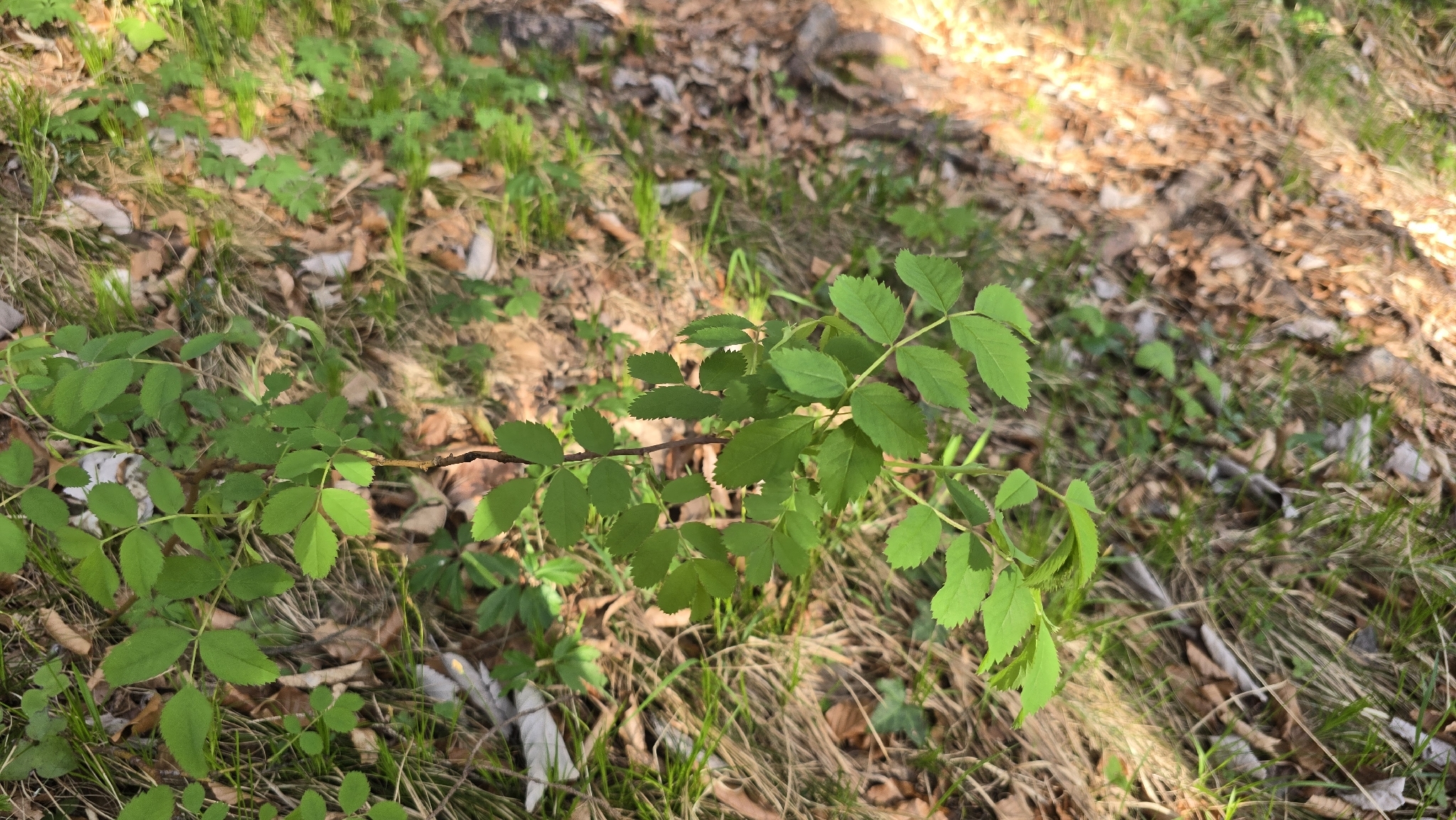
Alpine Rose
Rosa pendulina
☀️ Partial Sun 💧 Moderate

American Mountain Ash
Sorbus americana
☀️ Full Sun 💧 Moderate

Appalachian Barren Strawberry
Geum fragarioides
☀️ Partial Shade 💧 Moderate

Apple
Malus domestica
☀️ Full Sun 💧 Moderate

Apple Rose
Rosa villosa
☀️ Full Sun 💧 Moderate

Apricot
Prunus armeniaca
☀️ Full Sun 💧 Moderate

Arctic Blackberry
Rubus arcticus

Armenian Blackberry
Rubus armeniacus
☀️ Full Sun 💧 Moderate

Asian Pear
Pyrus pyrifolia
☀️ Full Sun 💧 Moderate
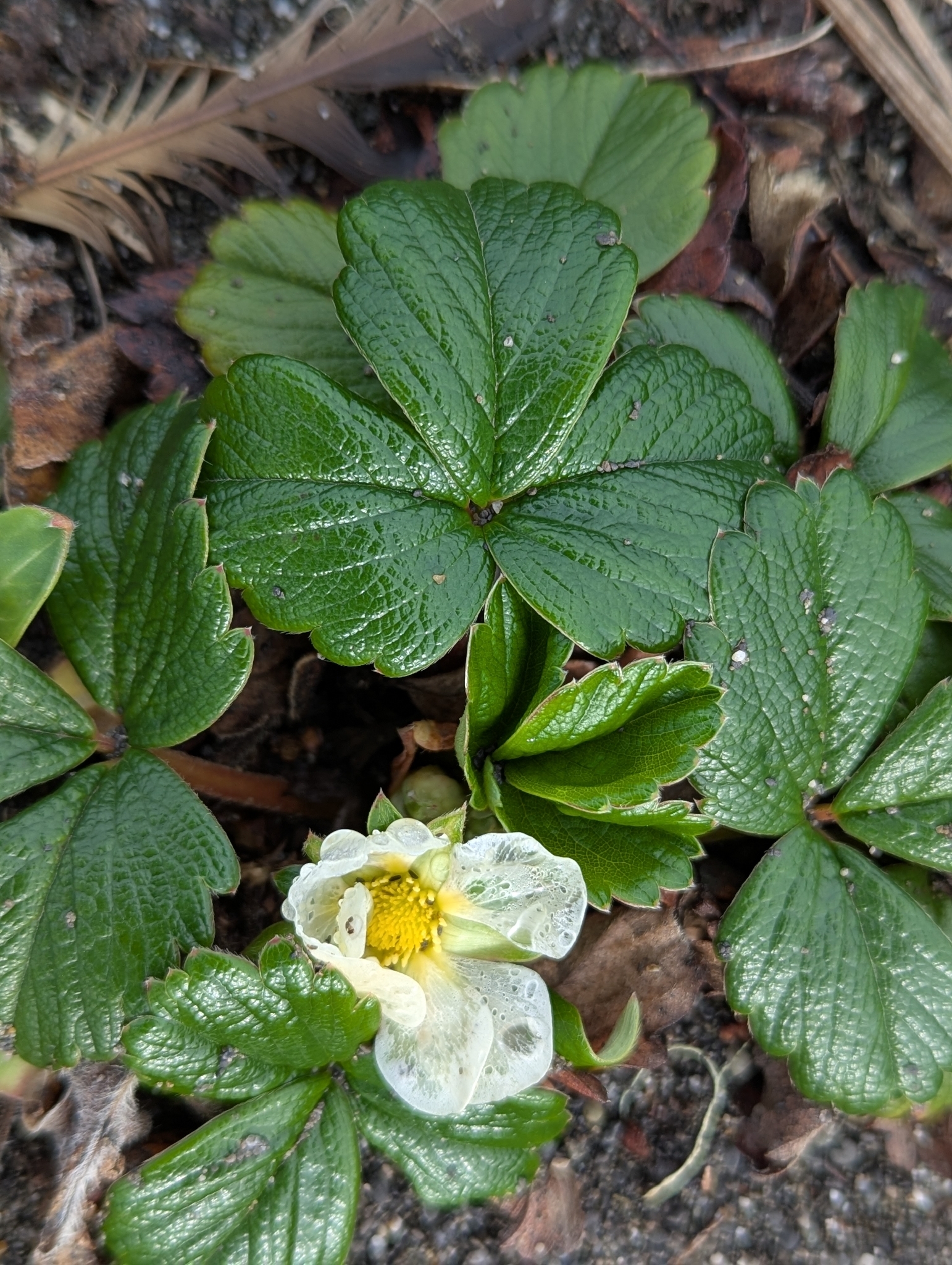
Beach Strawberry
Fragaria chiloensis
☀️ Full Sun 💧 Moderate

Bird Cherry
Prunus padus
☀️ Full Sun 💧 High
Black Cherry
Prunus serotina
☀️ Full Sun 💧 Moderate

Black Chokeberry
Aronia melanocarpa
☀️ Full Sun 💧 Moderate

Black Raspberry
Rubus occidentalis
☀️ Full Sun 💧 Moderate

Blackberry
Rubus fruticosus
☀️ Full Sun 💧 Moderate

Blackthorn
Prunus spinosa
☀️ Full Sun 💧 Moderate

Bridal Wreath Spirea
Spiraea cantoniensis
☀️ Full Sun 💧 Moderate

Broad-Leaved Cockspur-Thorn
Crataegus persimilis
☀️ Full Sun 💧 Moderate

Burnet Rose
Rosa spinosissima
☀️ Full Sun 💧 Low

Cabbage Rose
Rosa centifolia
☀️ Full Sun 💧 Moderate
Common Questions
How do you identify plants in the Rosaceae family?
Look for flowers with 5 distinct petals, 5 sepals, and a central cluster of numerous stamens rising from a cup-like base. Leaves are generally arranged alternately along the stem, feature serrated margins, and usually have small leaf-like structures called stipules at the base of the leaf stalk.
Which edible fruits belong to the Rosaceae family?
Edible Rosaceae fruits include apples, pears, cherries, plums, peaches, quinces, strawberries, raspberries, and blackberries. These species fall into distinct botanical fruit types, such as pomes with central seed cores, stone-fruit drupes with hard pits, and aggregate fruits composed of tiny drupelets.
Do all plants in the Rosaceae family have thorns?
No, many species in the Rosaceae family lack thorns entirely. While roses feature sharp epidermal prickles and wild plums bear modified thorny twigs, herbaceous species, strawberries, and most modern commercial fruit trees have completely smooth stems.
What diseases frequently affect Rosaceae plants?
Fungal and bacterial pathogens commonly target Rosaceae members, with fire blight, powdery mildew, black spot, and apple scab causing the most widespread damage. Maintaining good air circulation through annual winter pruning and keeping foliage dry helps prevent these infections.