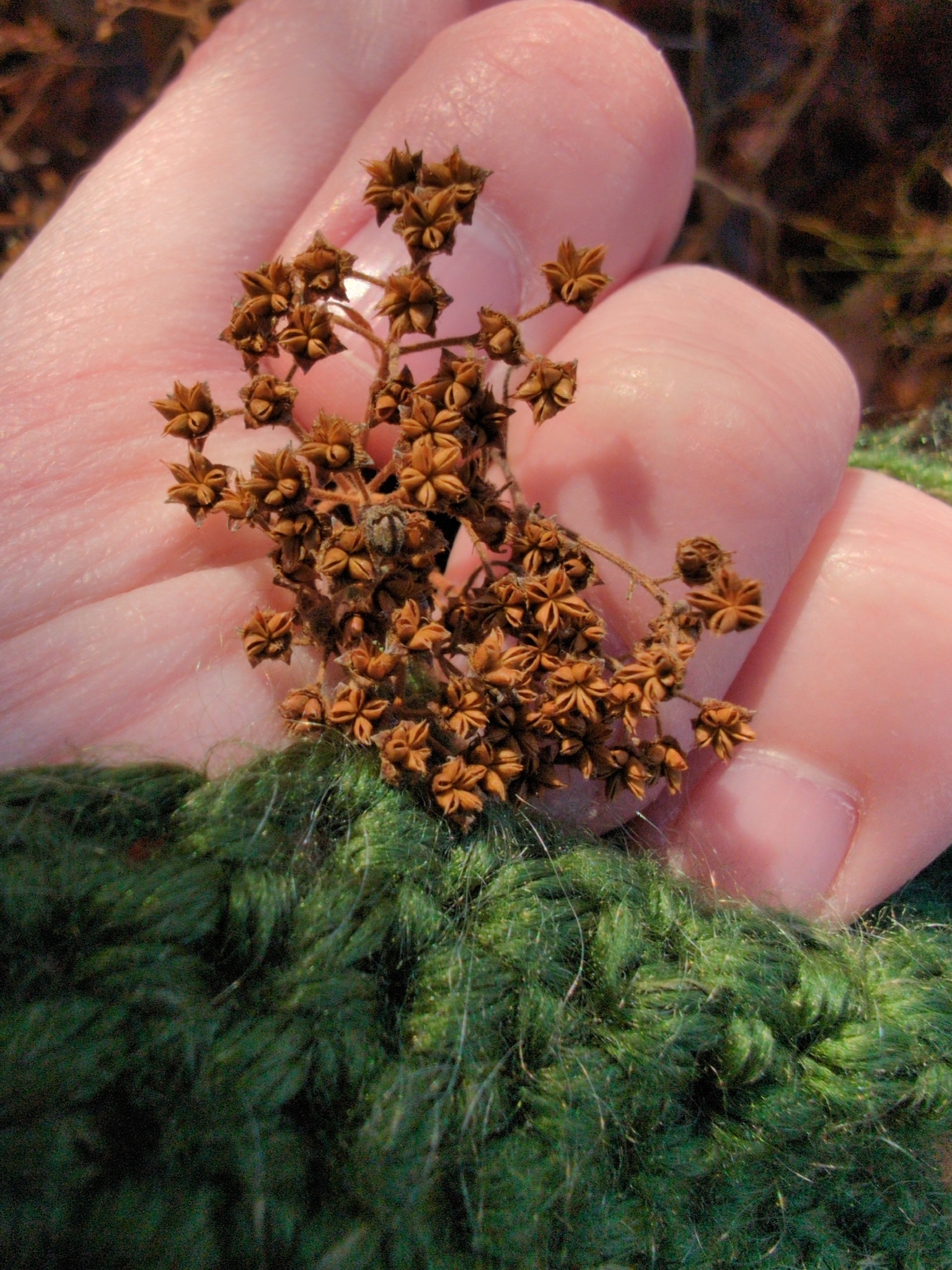
Bridal wreath spirea (Spiraea cantoniensis) is a deciduous flowering shrub native to central and southern China, recognizable by its fountain of arching stems laden with snow-white flower clusters. The plant blooms along second-year wood in mid-spring, creating a dense curtain of blossoms that inspired its classic common names.
Because flowering occurs strictly on old wood, pruning at the wrong time of year strips away an entire season of blossom buds before they ever open. Giving this shrub 2 m (6.5 ft) of clearance prevents cramped growth and eliminates the need for harsh, shape-ruining shearing.
Key Facts
- Prune: immediately after spring flowering finishes
- Light: minimum 6 hours of direct sun daily
- Mature size: 1.5–2 m (5–6.5 ft) high and wide
- Soil: fertile, moist, well-draining loams
- Hardiness: USDA Zones 6 through 9
- Bloom time: mid-spring, typically April to May
Is Bridal Wreath Right for Your Garden?
Bridal wreath spirea fits best in open garden borders and informal privacy hedges where its graceful, arching fountain habit can spill outward without obstruction. A single specimen requires a footprint of roughly 2 m (6.5 ft) across to show its natural cascading silhouette without rubbing against walls or paths.
This shrub suits busy growers because it tolerates heavy clay, withstands urban pollution, and shrugs off brief dry spells once rooted. You will find it frustrating only if you attempt to keep it tightly clipped into a formal box hedge, which ruins its arching habit and slices off flowering wood.
Identifying Foliage, Habit, and Flowers
Bridal wreath forms a vase-shaped, cascading thicket growing 1.5 to 2 m (5 to 6.5 ft) tall with a spread that often reaches 2.4 m (8 ft). The slender, wiry branches naturally curve downward to the ground under the weight of foliage and flowers, creating a weeping waterfall outline.
The leaves are alternate, narrow, and rhombic-lanceolate, measuring 3 to 6 cm (1.2 to 2.4 in) long with coarsely incised margins along the upper half. They emerge soft green in early spring, turning deep bluish-green in summer, and occasionally develop dull reddish-orange tints in late autumn before dropping in colder zones.
In April and May, hemispherical umbels measuring 3 to 5 cm (1.2 to 2 in) wide pack the upper side of the arching stems from base to tip. Each individual flower spans roughly 8 mm (0.3 in) across with five pure white petals and creamy yellow stamens, though double-flowered forms display ruffled, pompom-like rosettes.
Sun and Soil Requirements
Plant bridal wreath in full sun with at least six hours of direct light each day to ensure maximum blossom density. While the shrub survives in partial shade, branches grown with less than four hours of sunlight become lanky, flop open at the centre, and produce few, scattered flower clusters.
Soil drainage matters more than soil texture for this species:
- Texture: adapts readily to sandy loam, garden loam, and well-draining clay
- Drainage: will not tolerate stagnant water or winter-soggy hollows
- pH range: thrives in slightly acidic to neutral soils between 6.0 and 7.5
- Organic matter: benefits from a 5 cm (2 in) layer of compost dug in at planting
How to Plant Bridal Wreath Bush
The best time to plant bridal wreath is in early autumn or early spring while the root system is active and thermal stress is minimal. Autumn planting allows roots to establish in cooling soil throughout the winter months, leading to stronger top growth during the following season.
Dig a hole twice as wide as the nursery container and equal in depth. Set the root crown exactly level with the surrounding soil surface, backfill with native soil, firm gently to eliminate large air pockets, and soak the root ball thoroughly with 15 L (4 gal) of water.
Watering Schedule and Fertilizer
Provide 2.5 cm (1 in) of water weekly during the first full growing season to build a deep, extensive root system. Established specimens aged two years or older possess strong drought tolerance and only need supplemental soaking during dry spells that last longer than two weeks.
Heavy fertilization produces excessive leafy growth at the expense of spring flowers. Support the shrub using straightforward soil amendments:
- Apply a 5 to 7 cm (2 to 3 in) organic mulch ring in spring, keeping it 10 cm (4 in) away from the canes.
- Top-dress with a balanced slow-release fertilizer (such as 10-10-10) in early spring just as leaf buds crack open.
- Avoid applying high-nitrogen lawn fertilizer near the root zone, which prompts soft, aphid-prone foliage.
- Cease all fertilizer applications after mid-July to allow fresh wood to harden before winter frosts arrive.
How to Prune Bridal Wreath Spirea
You must prune bridal wreath immediately after the flowers fade in late spring because flower buds develop on the stems during summer for the following year. Trimming in late autumn, winter, or early spring removes the dormant flower buds and leaves the shrub green and bare come May.
Avoid shearers or hedge trimmers, which turn the weeping cascade into an unnatural, bristly mound. Follow these steps using clean bypass loppers:
- Tidy the tips: cut faded flower stems back to an outward-facing lateral shoot or leaf bud.
- Thin crowded stems: remove dead, crossing, rubbing, or damaged canes right down to the ground.
- Renewal pruning: prune one-third of the oldest, thickest, woody stems to soil level every three years.
- Rejuvenation: if an old shrub is overgrown, cut the entire plant down to 15 cm (6 in) from the ground right after blooming; it will regrow fresh canes within one season.
Propagating from Cuttings
Propagate bridal wreath most reliably from softwood cuttings taken in early summer shortly after the shrub finishes flowering. Cuttings root quickly in warm soil and establish sufficient roots before winter dormancy begins.
Follow this procedure to root healthy clones:
- Snip 10 to 15 cm (4 to 6 in) non-flowering tips early in the morning using a sharp, clean knife.
- Strip leaves from the bottom half of the cutting, leaving three to four upper leaves intact.
- Dip the cut base into 0.1% IBA rooting hormone powder to accelerate root emergence.
- Insert cuttings into a 50:50 blend of coarse perlite and moist peat moss or potting soil.
- Cover with a clear plastic dome or bag to maintain 80% humidity out of direct sunlight.
- Roots develop within 3 to 5 weeks at temperatures between 20 and 24 °C (68 and 75 °F).
Winter Care and Dormancy
Bridal wreath is cold-hardy down to -20 °C (-4 °F), corresponding to USDA Zone 6, and requires very little human intervention through cold winter weather. In Zones 8 and 9, the shrub often behaves as a semi-evergreen, retaining many deep green leaves until late winter.
In northern climates with heavy snow loads, clear heavy accumulations off the arching canes using a broom with an upward sweep to prevent splitting the central crown. Maintain a 7 cm (3 in) layer of shredded wood mulch over the root zone to insulate the ground against repeated freeze-thaw cycles that can heave shallow root systems.
Bridal Wreath Through the Seasons
| Spring | Spread a 5 cm (2 in) layer of compost or balanced slow-release fertilizer around the drip line as green tips appear. Enjoy the peak flower display, then prune old flowering canes and broken stems immediately after the final petals drop. |
|---|---|
| Summer | Provide 2.5 cm (1 in) of supplemental water every 10 to 14 days during periods of extended heat and drought. Take softwood stem cuttings in June or July to propagate new plants, and check the undersides of leaves for aphid clusters. |
| Autumn | Rake up and discard fallen leaves to eliminate overwintering fungal spores such as powdery mildew. Replenish the root mulch layer with 5 to 7 cm (2 to 3 in) of arborist chips or shredded bark before the ground freezes. |
| Winter | Gently shake heavy, wet snow loads off the arching outer canes with a broom to prevent structural splitting. Do not prune or head back branches during this period, or you will cut off emerging spring flower buds. |
Diagnosing Common Bridal Wreath Problems
| What you see | Likely cause | What to do |
|---|---|---|
| No flowers in spring | Pruning late in winter or early spring removed the flower buds, or the shrub lacks direct sunlight. | Cease all pruning until directly after flowering, and relocate the shrub if it receives fewer than six hours of daily sun. |
| White powdery coating on foliage | Powdery mildew fungus thriving in poor air circulation or damp, shady conditions. | Thin out the oldest interior canes to increase airflow, water only at the soil line, and spray organic sulfur if severe. |
| Curled new leaf tips covered in tiny green bugs | Spirea aphid infestation feeding on tender spring flush. | Rinse colonies away with a firm jet of water from the garden hose, or spray with insecticidal soap. |
| Blackened, scorched twig tips hooked like canes | Fire blight bacterial infection during humid, warm spring weather. | Prune infected branches 20 cm (8 in) below visible damage using shears dipped in 70% isopropyl alcohol between every cut. |
| Yellowing leaves with green veins on new growth | Iron chlorosis brought on by overly alkaline soil (pH above 7.8). | Apply chelated iron around the root zone and top-dress with elemental sulfur to gently lower the soil pH. |
Cultivars of Spiraea cantoniensis
- ‘Flore Pleno’ (‘Lanceata’) – fully double ruffled white flowers like miniature pompom roses
- ‘Single Flowered’ – classic open form with five distinct petals and prominent stamens
Companion Plants for Spring Borders
Pair bridal wreath with shrubs and perennials that contrast in flower color and foliage texture during its spectacular mid-spring flowering window. Its pure white blooms act as a neutral backdrop that highlights rich purples, deep pinks, and bright golds across mixed borders.
Effective companion choices include:
- common lilac (Syringa vulgaris) for upright structure, fragrance, and lavender or purple floral contrast
- flowering weigela (Weigela florida) to bring wine-red trumpet flowers and purple foliage alongside white sprays
- mock orange (Philadelphus coronarius) to carry fragrant white blossoms into early summer as spirea fades
- Catawba rhododendron (Rhododendron catawbiense) for bold, leathery evergreen leaves in partially shaded edges
- European cranberrybush (Viburnum opulus) to provide dense upright hedging and late-season red fruit
Frequently Asked Questions
How big does a bridal wreath spirea get?
A bridal wreath spirea typically reaches 1.5 to 2 m (5 to 6.5 ft) in height with an arching spread between 1.5 and 2.4 m (5 and 8 ft). Giving it roughly 2 m of open clearance allows its natural weeping cascade to develop fully.
Can you cut back bridal wreath hard?
Yes, you can cut bridal wreath down to 15 to 20 cm (6 to 8 in) above the soil line for complete rejuvenation. Always perform severe hard cutting immediately after spring flowering so the shrub has all summer to rebuild strong, bud-bearing canes for next year.
Is bridal wreath spirea toxic to dogs and cats?
Bridal wreath spirea is non-toxic to dogs, cats, and horses according to the ASPCA. It does not contain hazardous cardiac glycosides or sharp irritants, making it safe around pets and children.
What is the difference between bridal wreath spirea and bridal veil plant?
Bridal wreath spirea (Spiraea cantoniensis) is a hardy outdoor woody shrub in the rose family that blooms once in spring, whereas bridal veil (Gibasis pellucida) is a tender, trailing houseplant in the spiderwort family grown indoors in hanging baskets for its tiny continuous white blossoms.
Why is my bridal wreath bush not blooming?
Your bush is likely failing to bloom because it was pruned during late winter or early spring, which removes the flower buds formed the previous year. Lack of sunlight (fewer than six hours daily) and excessive nitrogen fertilizer also suppress flower formation.
Sources & Verification
Taxonomy and distribution are checked against the databases below. Care guidance is written for cultivated species only and reviewed by our editor. How We Build Plant Profiles →
- Kew Plants of the World OnlineTaxonomic baseline, native range and distribution for Spiraea cantoniensis.
- North Carolina State Extension Gardener Plant ToolboxCultivation profile, growth habit, and landscape requirements.
- Missouri Botanical Garden Plant FinderHardiness zones, care practices, and pruning guidance.
- ASPCA Animal Poison ControlToxicity assessment for Spiraea species in companion animals.
- GBIF — Global Biodiversity Information Facilitytaxonomy, synonyms, occurrence records
- Wikipediageneral reference