
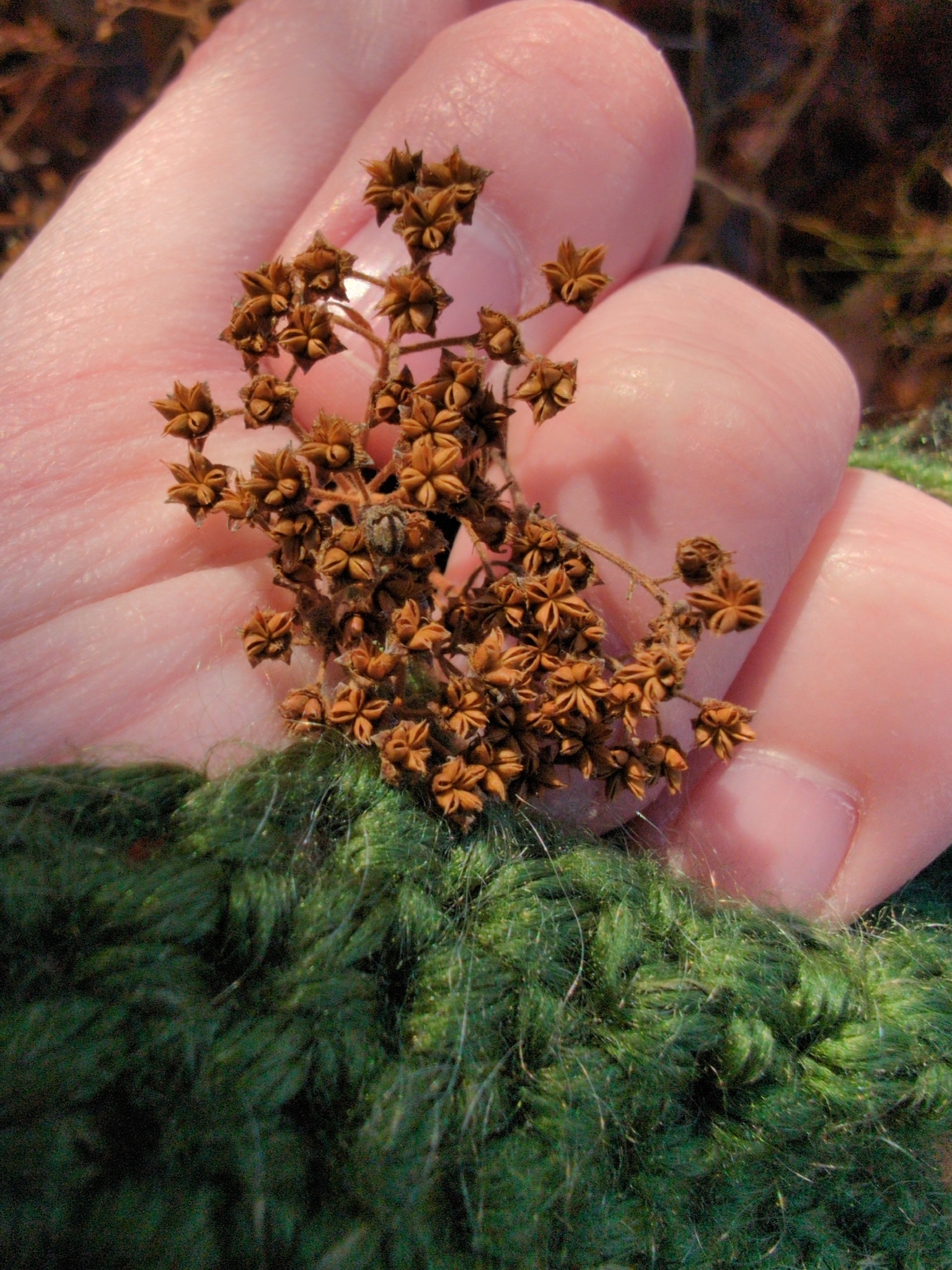
Japanese spiraea is a deciduous flowering shrub native to Japan, China, and Korea that belongs to the rose family, Spiraea japonica. It typically grows in a rounded mound reaching 1.2-1.8 m (4-6 ft) in height and produces clusters of small pink or white flowers in summer.
This species survives in USDA zones 4 through 8 and is often used for low-maintenance hedges or groundcover. In several regions of the eastern United States, it is classified as an invasive species because it produces thousands of seeds that colonize disturbed soil and forest edges.
Key Facts
- Hardiness: USDA zones 4 to 8
- Pruning: Cut back in late winter or early spring
- Light: Prefers 6 or more hours of direct sun
- Spread: Typically matures to 1.5-2.1 m (5-7 ft) wide
- Soil: Tolerates clay, loam, and sandy textures
Is Japanese Spiraea Right for Your Garden?
This shrub is a reliable choice for USDA zones 4 to 8 where you need a flowering border that resists browsing by deer. It adapts to various soil types, including heavy clay, provided the site does not stay waterlogged for long periods. Because it blooms on new wood, it provides consistent floral displays even after harsh winters or heavy pruning.
Before planting, check your local regulations regarding invasive species. In states like Tennessee, Virginia, and Pennsylvania, this shrub can escape cultivation and displace native flora. If you live near a woodland or sensitive ecosystem, consider sterile cultivars to prevent unwanted seedling spread.
- Resistant to deer and rabbits
- Tolerates urban pollution and heat
- Effective for erosion control on slopes
- Attracts butterflies and hoverflies
Identifying Japanese Spiraea
You can identify this plant by its lance-shaped, serrated leaves that alternate along wiry, brown stems. Leaves typically measure 2-7 cm (0.8-2.8 in) in length and often emerge with reddish or bronze tints in the spring before turning dark green. Some cultivars maintain yellow or gold foliage throughout the growing season.
The flowers are the most distinctive feature, appearing as flat-topped clusters called corymbs that can reach 15 cm (6 in) across. Each individual flower is roughly 5 mm (0.2 in) wide with five petals and long, protruding stamens that give the cluster a fuzzy appearance. The stems are fine-textured and transition from green to a smooth, reddish-brown bark as they age.
Finding the Best Site
Place your shrub in a spot that receives at least six hours of direct sunlight to ensure the best leaf color and flower production. While the plant can survive in partial shade, the stems often become leggy and the flowering will be significantly reduced. Intense afternoon sun is generally tolerated in cooler climates, but light afternoon shade can prevent leaf scorch in the deep South.
The soil should be moist but well-drained with a slightly acidic to neutral pH between 5.5 and 7.0. Avoid low-lying areas where water collects after rain, as constant saturated soil can lead to root rot. If planting near a building, allow enough room for its mature spread of 2.1 m (7 ft) to ensure proper air circulation.
Planting Japanese Spiraea
Space your plants 60-90 cm (2-3 ft) apart if you are creating a continuous hedge, or up to 2 m (6.5 ft) apart for individual specimen planting. Dig a hole twice as wide as the root ball but no deeper than the container it arrived in. Breaking up the soil in a wide radius allows the fine roots to penetrate the surrounding earth more quickly.
After placing the shrub in the hole, backfill with native soil and firm it gently with your hands to remove air pockets. Apply a 5-8 cm (2-3 in) layer of organic mulch, such as shredded bark, around the base to retain moisture. Keep the mulch a few centimeters away from the main stems to prevent fungal rot at the crown.
Watering and Feeding Requirements
Provide 2.5 cm (1 inch) of water per week during the first growing season to establish a deep root system. Once established, the shrub is moderately drought-tolerant, though it will drop leaves prematurely if the soil remains dry for several weeks during summer heat. Water at the base of the plant rather than overhead to keep the foliage dry and reduce disease risk.
Apply a balanced, slow-release fertilizer (such as 10-10-10) in early spring just as new growth begins to appear. Avoid high-nitrogen fertilizers late in the summer, as this can stimulate soft growth that will be damaged by the first frost. If your soil is naturally rich in organic matter, an annual top-dressing of compost may be sufficient.
How to Prune Japanese Spiraea
Prune this shrub in late winter or early spring because it produces flowers on new wood grown during the current season. You can cut the entire plant back to within 15-30 cm (6-12 in) of the ground to maintain a compact shape and encourage vigorous flowering. This “rejuvenation pruning” is typically done every 2-3 years for older specimens.
To encourage a second flush of flowers in late summer, remove spent flower clusters immediately after they fade. This practice, known as deadheading, also prevents the plant from dropping seeds, which is vital in areas where the species is invasive. Use sharp, bypass pruners to make clean cuts just above a leaf node.
- Remove dead or damaged wood in spring
- Thin out one-third of the oldest stems annually
- Deadhead flowers to prevent self-seeding
- Shear lightly after flowering for a formal look
Methods for Japanese Spiraea Propagation
The most reliable way to create new plants is by taking 10-15 cm (4-6 inch) softwood cuttings in early summer. Select a non-flowering shoot that is flexible but firm, remove the lower leaves, and dip the cut end in rooting hormone. Place the cutting in a mix of peat and perlite, keeping it humid and out of direct sunlight until roots form in 4-6 weeks.
You can also propagate by semi-hardwood cuttings taken in late summer or by dividing the root ball of mature plants in early spring. While seeds germinate readily, they do not produce plants that are identical to the parent cultivar. Seedlings from gold-leaved varieties like ‘Goldflame’ will often revert to plain green foliage.
Managing Pests and Disease
Watch for aphids and powdery mildew, which are the most frequent issues for this species in humid climates. Aphids typically cluster on the tender new growth in spring, causing the leaves to curl and become sticky with honeydew. Powdery mildew appears as a white, flour-like coating on the leaf surfaces during mid-to-late summer when nights are cool and days are humid.
As a member of the Rosaceae family, this plant is occasionally susceptible to fire blight, a bacterial infection that causes branch tips to turn black and curl into a “shepherd’s crook” shape. Prune out infected branches 20 cm (8 in) below the visible damage, disinfecting your tools with alcohol between every cut to prevent spreading the bacteria.
Year-Round Care for Japanese Spiraea
| Spring | Apply a balanced fertilizer before new growth starts. Prune stems back to 15-30 cm (6-12 in) for rejuvenation. Mulch the base to 5 cm (2 in) depth. |
|---|---|
| Summer | Provide 2.5 cm (1 in) of water weekly during dry spells. Deadhead spent flower clusters to encourage a second bloom and prevent seeding. |
| Autumn | Clean up fallen leaves to prevent fungal spores from overwintering. Stop fertilizing to allow the wood to harden before frost. |
| Winter | Inspect for scale insects on dormant branches. In zone 4, ensure a thick layer of mulch protects the root zone from deep freezes. |
Common Japanese Spiraea Problems Explained
| What you see | Likely cause | What to do |
|---|---|---|
| White dusty coating on leaves | Powdery mildew | Increase air circulation by thinning stems and avoid overhead watering. |
| Sticky leaves and curled tips | Aphids | Blast the insects off with a strong stream of water from a garden hose. |
| Few or no flowers | Too much shade | Relocate the plant to a spot receiving at least 6 hours of full sun. |
| Blackened, hooked branch tips | Fire blight | Prune out infected wood immediately and sterilize tools with 70% alcohol. |
Popular Japanese Spiraea Cultivars
- ‘Goldflame’ – bronze-red new growth that turns bright yellow in summer.
- ‘Little Princess’ – compact mounding habit with mint-green leaves and pink flowers.
- ‘Anthony Waterer’ – deep carmine-red flowers and narrow, dark green foliage.
- ‘Shirobana’ – unique variety producing white, pink, and rose flowers on the same cluster.
- ‘Magic Carpet’ – lime-gold foliage with vibrant pink flowers and a low, spreading habit.
Best Companion Plants for Spiraea
Pair this shrub with plants that enjoy similar sun levels, such as purple coneflower (Echinacea purpurea) or daylilies (Hemerocallis). The fine texture of the spiraea foliage provides a sharp contrast to the broad leaves of Hosta species in areas with partial sun. For a low-maintenance border, combine it with blue-flowered perennials to complement the pink blooms.
- Wood sage (Salvia sylvestris)
- Creeping juniper (Juniperus horizontalis)
- Black-eyed Susan (Rudbeckia hirta)
- Switchgrass (Panicum virgatum)
Frequently Asked Questions
Is Japanese spiraea invasive?
Yes, it is considered invasive in many parts of the Eastern United States where it outcompetes native species. To prevent spread, choose sterile cultivars or ensure you deadhead all flowers before they set seed.
Is Japanese spiraea toxic to dogs?
No, this plant is classified as non-toxic to dogs, cats, and horses by the ASPCA. It is a safe choice for households with pets.
Can you grow Japanese spiraea as a bonsai?
Yes, it is a popular choice for bonsai because of its small leaves, fine branching, and willingness to bloom even when kept small. It requires frequent pruning to maintain its shape.
Does Japanese spiraea have medicinal uses?
Traditionally, the leaves and stems were used in East Asia to prepare teas for treating fevers and headaches. The plant contains salicylates, which are chemical cousins of aspirin.
Is Japanese spiraea deer resistant?
Yes, it is rarely damaged by deer, making it an excellent choice for gardens where browsing is a frequent problem. While no plant is 100% deer-proof, this species is highly unpalatable to them.
Information about traditional or historical uses is provided for educational interest only and is not medical advice. Do not use any plant to treat a condition without speaking to a qualified professional.
Sources & Verification
Taxonomy and distribution are checked against the databases below. Care guidance is written for cultivated species only and reviewed by our editor. How We Build Plant Profiles →


