Iberian spirea (Spiraea hypericifolia) is a deciduous flowering shrub native from southern Europe across Central Asia to Mongolia and northern China. It forms a dense, arching mound smothered in small white blossoms along the stems in mid-to-late spring.
Unlike thirstier garden spireas, this species thrives on exposed, stony banks and tolerates sustained summer drought once established. It rarely succeeds in waterlogged or heavy clay soil.
Key Facts
- Mature size: 1–1.5 m (3–5 ft) tall and wide
- Sun exposure: Full sun to light afternoon shade
- Flowering period: Mid-spring to early summer
- Water need: Low to moderate; drought-tolerant when mature
- USDA Hardiness: Zones 4 through 8
- Pruning window: Immediately after flowering concludes
Growing Iberian Spirea in the Landscape
Iberian spirea is an exceptionally tough, cold-hardy shrub suited for sunny, low-maintenance shrub borders and dry slopes. It develops an arching habit that softens stone walls and stabilizes loose banks.
You will appreciate its resilience if you manage chalky, alkaline, or stony ground where other ornamental shrubs struggle. It requires little feeding and handles wind exposure without stem breakage.
Pair it with companions that share its preference for open sun and lean soil, such as common lavender (Lavandula angustifolia) or rock rose (Cistus ladanifer).
How to Identify Spiraea hypericifolia
You can identify Spiraea hypericifolia by its narrow, oblanceolate leaves and dense sessile umbels of five-petaled white flowers crowded along arching, reddish-brown twigs. The foliage resembles that of St. John’s wort (Hypericum), which gives the species its botanical name.
Individual leaves measure 1.5–3 cm (0.6–1.2 in) long and 4–8 mm wide, with smooth margins or 2–4 subtle teeth near the apex. The subspecies Spiraea hypericifolia subsp. obovata differs by bearing broader, obovate leaves with distinctly rounded tips.
- Bark: Thin, reddish-brown on young shoots, peeling in strips on older wood
- Leaves: Alternate, grayish-green, oblanceolate to narrow-obovate, nearly hairless
- Flowers: White, 5–8 mm wide, arranged in sessile umbels of 4–15 blooms
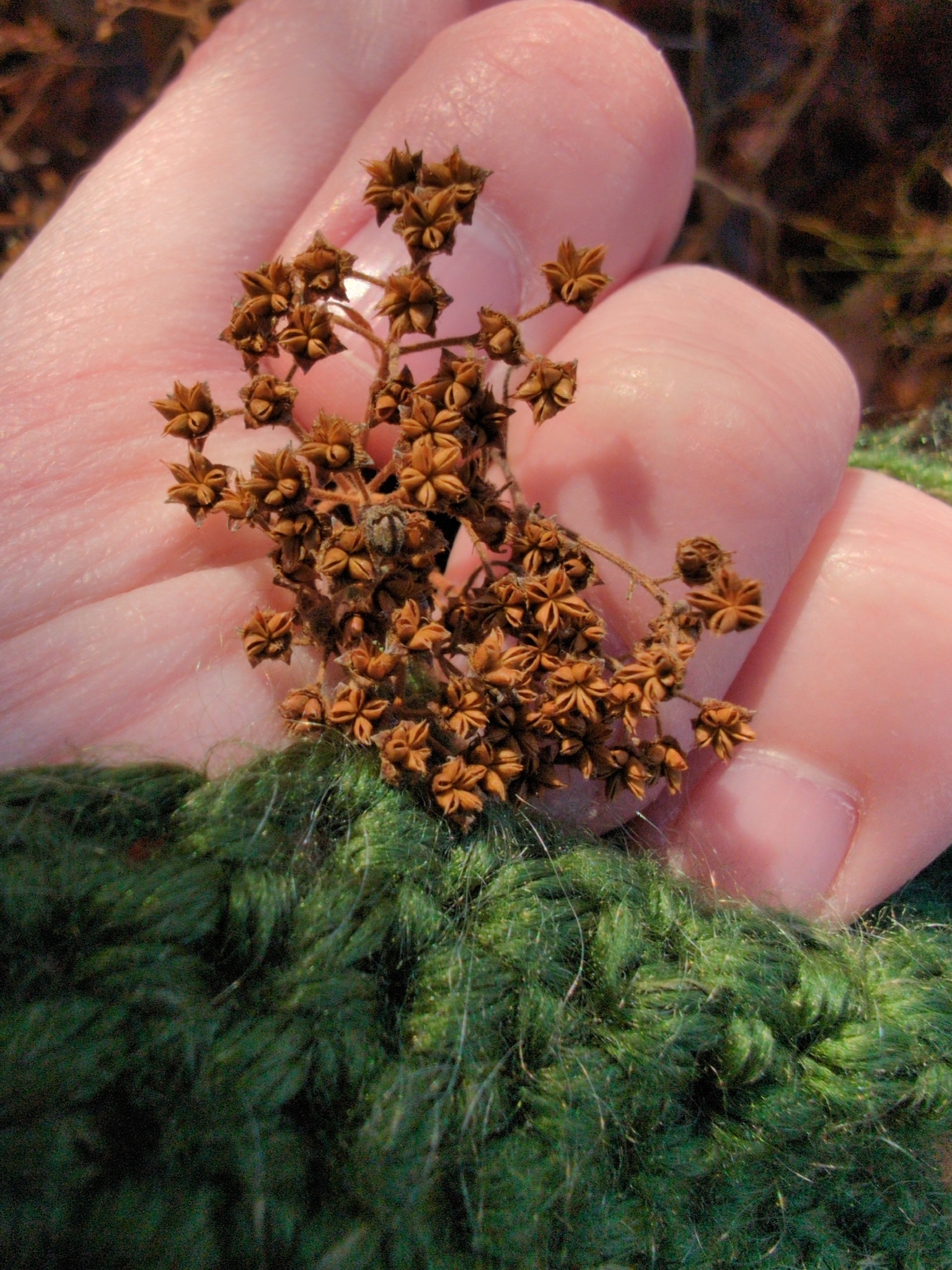
- Fruit: Small, dry five-valved follicles shedding tiny brown seeds by late summer
Mature Size and Spread
Iberian spirea typically reaches a mature height of 1 to 1.5 m (3 to 5 ft) with an equal or slightly wider spread. In lean, arid mountain soils, it often remains a compact mound under 1 m (3.3 ft).
Because the branches naturally bend outward under the weight of spring blooms, allow at least 1.2 m (4 ft) between individual plantings. Grouping shrubs at 90 cm (3 ft) centers creates a dense, untrimmed barrier hedge within three seasons.
Best Site and Sun Requirements
Position this shrub in a spot that receives at least six hours of direct sunlight daily. Full sun triggers dense flower bud formation and keeps the foliage mildew-free.
In hot Mediterranean or continental climates, light dappled shade during late afternoon helps preserve bloom longevity. Deep shade causes the stems to stretch, weaken, and drop lower leaves prematurely.
- Topography: Thrives on slopes, raised beds, and rocky ridges with excellent gravity drainage
- Wind tolerance: Withstands persistent upland winds without desiccation
- Exposure: South-facing or west-facing aspects yield the most prolific floral display
Planting Iberian Spirea
Plant Iberian spirea in early autumn or early spring while the root system is dormant or just waking up. Planting during autumn allows root establishment before the dry heat of early summer arrives.
Dig a hole twice as wide as the root ball but identical in depth. Set the crown level with the surrounding grade, backfill with native soil, and firm gently without compacting wet ground.
Water thoroughly at planting to settle air pockets around the roots. Spread a 5 cm (2 in) mulch ring of gravel or chipped pine bark around the base, keeping the mulch 5 cm clear of the woody stems.
Water and Care Routine
Water Iberian spirea every 7 to 10 days during its first growing season, tapering off entirely once roots penetrate surrounding ground. Established specimens subsist on natural seasonal rainfall in most temperate zones.
Avoid supplemental fertilizer unless your soil is completely depleted of minerals. High nitrogen fertilizer stimulates soft vegetative growth at the expense of spring flowers and increases vulnerability to aphids.
- First-year watering: 10–15 L (2.5–4 gal) applied deeply whenever topsoil dries to 5 cm (2 in)
- Mature watering: Only during prolonged dry spells exceeding four consecutive weeks
- Soil amendments: Mix coarse grit into clay soils to enhance root aeration
Pruning and Shaping Spiraea hypericifolia
Prune your Iberian spirea immediately after the flowers fade in early summer. Because this species produces blooms on wood grown during the previous year, winter or early spring shearing removes the upcoming flower buds.
Cut back spent flowering stems by one-third to an outward-facing bud. Every three to four years, remove up to one-fourth of the oldest, thickest canes right at ground level to encourage vigorous replacement shoots from the crown.
Pests and Environmental Problems
Iberian spirea is generally trouble-free, but root rot caused by poor soil drainage remains its most common hazard. Saturated winter soil quickly suffocates the roots and causes widespread branch dieback.
Aphids occasionally colonize fresh tip growth in early spring, while powdery mildew can appear in humid spots with poor air circulation. Both conditions resolve quickly with improved airflow and selective thinning.
- Wilting without drought: Root rot from stagnant moisture; halt watering and improve drainage
- Distorted leaf tips: Aphid feeding; wash off with a firm jet of water
- White powder on leaves: Powdery mildew; thin interior stems to increase air movement
- Sparse spring flowering: Caused by late-winter pruning that removed last year’s buds
Winter Care and Hardiness
Iberian spirea withstands winter temperatures down to -30 °C (-22 °F) without requiring artificial protection or wrapping. It is naturally adapted to severe continental winters across Siberia and Central Asian steppes.
In regions with wet, heavy snowfall, the arching branches may splay outward. Gently shake heavy crust off branches after severe blizzards to prevent split wood at the crown base.
Landscape Uses and Wildlife Value
Plant Iberian spirea as a wildlife-friendly erosion barrier or untrimmed flowering hedge along boundaries and rural driveways. Its dense branch network traps soil on unstable banks.
The early nectar-rich blossoms attract solitary bees, hoverflies, and honeybees before many summer perennials open. Traditional folk practices in parts of Central Asia utilized boiled twig extracts for soothing topical washes.
Frequently Asked Questions
What is Spiraea hypericifolia?
Spiraea hypericifolia, known as Iberian spirea or Italian may, is a hardy deciduous Eurasian shrub in the rose family (Rosaceae) that produces dense clusters of small white flowers in spring.
What is the difference between Spiraea hypericifolia and Spiraea hypericifolia subsp. obovata?
Spiraea hypericifolia subsp. obovata features distinctly obovate, broader leaves with rounded apexes, predominantly found across the southwestern European portion of the species range.
When should you prune Iberian spirea?
Prune Iberian spirea immediately after it finishes blooming in late spring or early summer. Never prune it in late winter, or you will cut off the flower buds developed the previous year.
Is Iberian spirea toxic to dogs and cats?
No, Iberian spirea is considered non-toxic to dogs, cats, and horses, making it safe for family gardens and perimeter boundaries.
Does Iberian spirea need fertilizer?
No, Iberian spirea thrives in poor to average rocky soils and does not require regular fertilizing. Excessive nitrogen promotes weak green growth and reduces flower production.
Information about traditional or historical uses is provided for educational interest only and is not medical advice. Do not use any plant to treat a condition without speaking to a qualified professional.
Sources & Verification
Taxonomy and distribution are checked against the databases below. Care guidance is written for cultivated species only and reviewed by our editor. How We Build Plant Profiles →