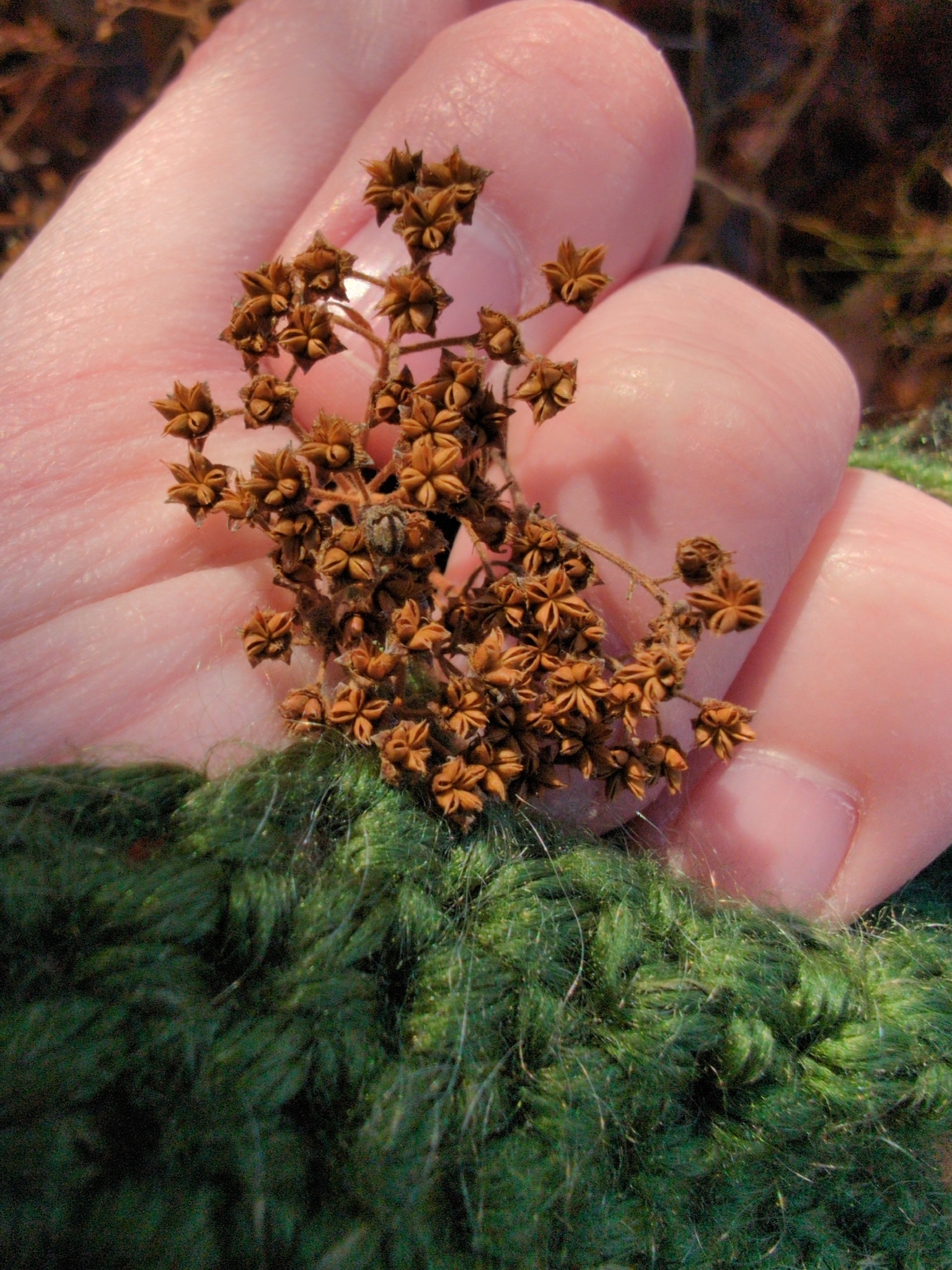
Willowleaf Meadowsweet (Spiraea salicifolia) is a deciduous shrub native to a vast range from Central Europe through Siberia to Japan. You can recognize it by its upright, unbranched stems and narrow, sharply toothed leaves that resemble willow foliage.
This species has been in cultivation since the 1500s, primarily for informal hedges and wildlife gardens. It spreads aggressively through underground suckers, making it a better fit for large rural properties than small suburban plots where it can quickly become unmanageable.
Key Facts
- Growth Habit: Upright, suckering shrub that forms dense thickets
- Height: Typically reaches 1.5-2 m (5-6.5 ft) at maturity
- Flowering: Pink or rose-coloured panicles appearing in mid-summer
- Hardiness: Extremely cold-tolerant down to USDA zone 4
- Spread: Spreads indefinitely if suckers are not controlled annually
Is Willowleaf Meadowsweet Right for Your Garden?
The primary requirement for this shrub is plenty of space to spread. Because the Willowleaf Meadowsweet expands via underground rhizomes, it is poorly suited to mixed borders or small urban gardens where it will crowd out less vigorous neighbours. It is an ideal choice for stabilizing banks, forming wild hedges, or filling damp areas where other shrubs might struggle with moisture.
You should choose this plant if you want a low-maintenance screen that provides summer colour. It is a pioneer species that thrives in disturbed ground and can handle temporary flooding. However, its tendency to escape cultivation means you must be prepared to monitor its boundaries annually to prevent it from invading nearby natural wetlands.
How to Identify Spiraea salicifolia
You can identify this shrub by its narrow, lance-shaped leaves that reach 4-8 cm (1.5-3 in) in length. These leaves are alternate and have sharply serrated edges, mimicking the look of certain willow trees. The stems are yellowish-brown, largely unbranched, and grow straight upward from the base of the plant.
The flowers are the most distinct feature, appearing in dense, pyramidal clusters called panicles. These clusters are 10-20 cm (4-8 in) long and consist of many tiny pink or rose-coloured flowers with long stamens that give the spikes a fuzzy appearance. Unlike many other spiraeas that flower in flat clusters, this species always produces upright spikes at the tips of the branches.
Size and Growth Habit
Willowleaf Meadowsweet typically reaches a height of 1.5 to 2 m (5 to 6.5 ft). It grows rapidly, often reaching its full height within three to five years. The plant forms a dense, multi-stemmed thicket rather than a single-trunked shrub, making it very effective for privacy screening.
The spread of the plant is technically indefinite because of its suckering nature. While a single plant might start with a 1 m (3 ft) spread, it will send up new shoots from the roots several meters away over time. This aggressive growth habit is why historical records from the 1500s describe it as a plant that is not well-behaved in formal settings.
Choosing the Best Site for Bridewort
This shrub performs best in full sun and consistently moist soil. While it can tolerate partial shade, the flower production will be significantly reduced, and the stems may become leggy and prone to flopping. It is naturally found in bogs, fens, and along riverbanks, so it does not tolerate drought well.
Soil quality is less important than moisture levels, though it prefers slightly acidic to neutral conditions. It can grow in heavy clay or sandy loam as long as the ground remains damp. Avoid planting it near delicate native ecosystems, as its ability to colonize wet areas can lead to it displacing local flora in regions where it is not native.
Pruning Willowleaf Meadowsweet to Control Spreading
Hard pruning should be carried out in late winter or early spring before new growth begins. Because the Willowleaf Meadowsweet flowers on the current year’s wood, you can cut the entire plant back to 15-30 cm (6-12 in) above the ground without losing the summer bloom. This practice, known as stooling, helps maintain a compact shape and prevents the centre of the shrub from becoming too woody.
- Remove all dead or damaged canes at ground level in March.
- Thin out one-third of the oldest stems every two years to encourage vigour.
- Use a sharp spade to sever and remove suckers that emerge outside the desired growing area.
- Deadhead spent flower spikes in late summer to prevent self-seeding in the garden.
Common Problems and Invasive Potential
The most significant issue with this plant is its invasive potential in wetland habitats. In parts of North America and Western Europe, it has escaped gardens to form dense monocultures that choke out native species. Before planting, check your local invasive species list to ensure it is permitted in your region.
Culturally, the plant is relatively pest-free but can be susceptible to powdery mildew if air circulation is poor. Aphids may cluster on the tender new growth in spring, though they rarely cause permanent damage. If the soil dries out completely during a summer heatwave, the leaf margins will turn brown and the plant may drop its foliage prematurely.
Traditional Medicinal Uses and Benefits
Historically, the Willowleaf Meadowsweet was used as an astringent and anti-inflammatory in traditional folk medicine. The leaves and flowering tops contain tannins and salicylates, which are chemical precursors to modern aspirin. Infusions were traditionally prepared to treat digestive upsets or as a wash for minor skin irritations.
The plant also served practical purposes beyond medicine. In some cultures, the tough, flexible stems were used for weaving or making small brooms. Today, its primary benefit is ecological, as the nectar-rich flowers attract a wide variety of pollinators, including honeybees, bumblebees, and various butterfly species during the mid-summer gap when other flowers may be scarce.
Year-Round Care for Willowleaf Meadowsweet
| Spring | Apply a 5 cm (2 in) layer of organic mulch to retain moisture. Cut back stems to ground level or thin out old wood before buds break. |
|---|---|
| Summer | Ensure the soil remains consistently moist during dry spells. Deadhead faded flower spikes to encourage a possible second flush of blooms. |
| Autumn | Monitor for unwanted suckers and dig them out with a spade. Rake away fallen leaves if powdery mildew was present during the summer. |
| Winter | Check for any broken stems after heavy snow. Plan for late-winter hard pruning to rejuvenate the thicket. |
Common Willowleaf Meadowsweet Problems Explained
| What you see | Likely cause | What to do |
|---|---|---|
| White powdery coating on leaves | Powdery mildew due to poor air flow | Thin out the stems to improve circulation and avoid overhead watering. |
| Brown, crispy leaf edges | Soil is too dry or drought stress | Increase watering frequency and apply a thick mulch to the root zone. |
| Shoots appearing far from the main plant | Aggressive suckering habit | Sever the connecting root with a sharp spade and pull up the unwanted shoot. |
| Sparse flowering and leggy stems | Insufficient sunlight | Move the plant to a full sun location or prune back surrounding shade trees. |
Willowleaf Meadowsweet Cultivars to Look For
- ‘Rosea’ – features deeper pink flowers and a slightly more compact habit.
- ‘Grandiflora’ – produces exceptionally large flower panicles up to 25 cm long.
- ‘Alba’ – a white-flowering form that is less common in the nursery trade.
Frequently Asked Questions
Is Spiraea salicifolia invasive?
Yes, it is considered invasive in several regions, including parts of North America and Europe, because it spreads rapidly via suckers and seeds in wetland areas.
When should I prune Willowleaf Meadowsweet?
Prune it in late winter or early spring. Since it flowers on new wood, cutting it back hard before spring growth ensures a better flower display.
What is the difference between Spiraea salicifolia and Spiraea alba?
Willowleaf Meadowsweet (Spiraea salicifolia) usually has pink flowers and hairless stems, while Pale Bridewort (Spiraea alba) has white flowers and slightly hairy young twigs.
Can Willowleaf Meadowsweet grow in standing water?
It can tolerate very wet soil and temporary flooding, but it generally prefers moist, well-drained ground rather than permanent standing water.
Is Willowleaf Meadowsweet toxic to dogs?
It is generally considered non-toxic to pets, though it contains salicylates which can cause stomach upset if large quantities are ingested.
Information about traditional or historical uses is provided for educational interest only and is not medical advice. Do not use any plant to treat a condition without speaking to a qualified professional.
Sources & Verification
Taxonomy and distribution are checked against the databases below. Care guidance is written for cultivated species only and reviewed by our editor. How We Build Plant Profiles →