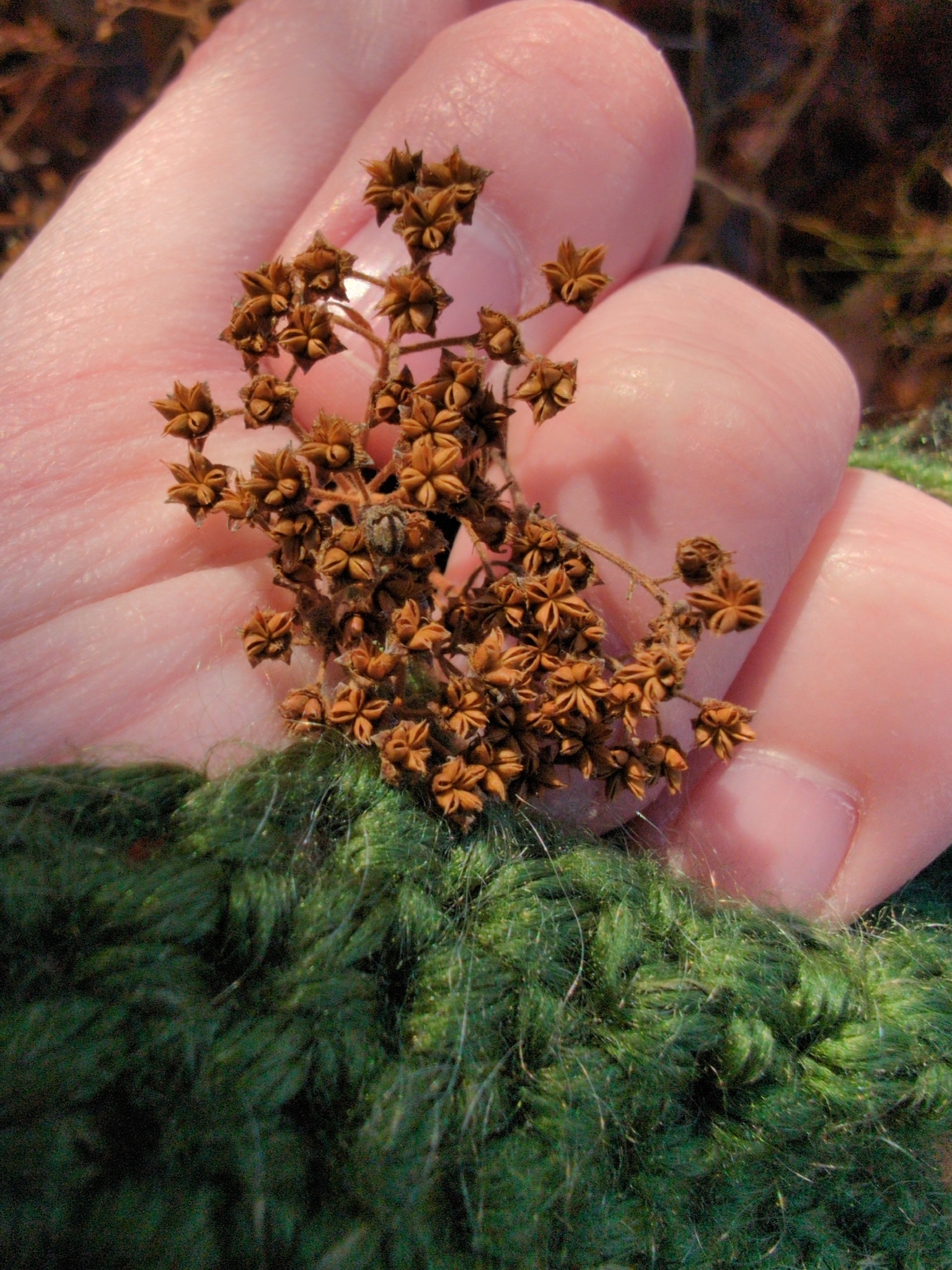
Russian spiraea, or Spiraea media, is a deciduous flowering shrub native to a broad stretch of Eurasia, ranging from Central Europe to the Russian Far East. It is identified by its upright, arching habit and dense clusters of white flowers that appear along the stems in late spring.
This species is notably cold-hardy, surviving temperatures down to -35 °C (-31 °F) in its native mountain habitats. Unlike the common Japanese spiraea (Spiraea japonica), it flowers on the previous year’s wood, which dictates a specific pruning schedule to avoid losing the season’s bloom.
Key Facts
- Water: keep soil consistently moist but not waterlogged
- Light: full sun to partial shade for best flowering
- Hardiness: cold hardy to USDA zones 3–7
- Pruning: prune immediately after flowering in early summer
- Size: reaches 2 m (7 ft) in height and spread
Is Russian Spiraea Right for Your Garden?
Russian spiraea is a practical choice for gardeners in cold climates (USDA zones 3–7) where more tender shrubs might fail. It is a predictable grower that requires little maintenance once its root system is established in the landscape.
You should choose this shrub if you need a reliable flowering hedge or a mid-sized foundation plant. It is particularly useful in regions with short growing seasons, as it completes its flowering cycle by early summer, leaving the rest of the year for the foliage to provide structure. It is less prone to the aggressive self-seeding seen in some other members of the Spiraea genus.
Identifying Spiraea media
The identifying features of Russian spiraea include elliptical leaves and white umbel-like flower clusters. The leaves are alternate, measuring 3–5 cm (1.2–2 in) in length, with margins that are smooth at the base and sharply toothed near the tip.
The flowers appear in June, clustered in 3–5 cm (1.2–2 in) wide corymbs located on short lateral branches. Other identifying traits include:
- Erect, slightly arching branches with yellowish-brown bark.
- Bark that often peels in thin strips on older stems.
- Flower petals that are roughly 3–5 mm (0.1–0.2 in) long, surrounding numerous stamens.
- Smooth, non-hairy leaves on both the upper and lower surfaces.
How Tall Does Russian Spiraea Grow?
The standard species typically reaches a mature height of 2 m (7 ft) with a similar spread. Growth is moderate, usually adding 20–30 cm (8–12 in) of new wood per year under ideal conditions.
Cultivated varieties offer more compact options for smaller spaces. For example, the cultivar ‘Blue Kazoo’ (often sold under the trade name ‘Schmidt’) remains much smaller, usually topping out at 60–90 cm (2–3 ft) in height. When planning your garden layout, allow at least 1.5 m (5 ft) of spacing between standard plants to ensure adequate air circulation and prevent fungal diseases.
Ideal Growing Conditions
This shrub performs best in full sun, though it can tolerate partial shade at the cost of fewer flowers. In its native Eurasian habitat, it is often found on rocky or grassy slopes, indicating a preference for well-drained soil that does not stay soggy.
While it is adaptable to various soil types, a loamy soil with a neutral to slightly acidic pH (6.0–7.0) is ideal. If your soil is heavy clay, incorporate organic matter like compost or aged manure before planting to improve drainage. Avoid sites with standing water, as the roots are susceptible to rot in anaerobic conditions.
Planting Your Shrub
The best time to plant Russian spiraea is early spring or late autumn when the plant is dormant. Dig a hole twice as wide as the root ball and exactly the same depth to ensure the crown sits level with the soil surface.
Follow these steps for successful establishment:
- Remove the plant from its container and gently tease out any circling roots.
- Place the shrub in the hole and backfill with native soil, tamping down firmly to remove air pockets.
- Water deeply immediately after planting to settle the soil.
- Apply a 5–7 cm (2–3 in) layer of wood chip mulch around the base, keeping it 5 cm (2 in) away from the main stems.
Watering and Feeding
Provide 2.5 cm (1 in) of water per week during the first two growing seasons to help the roots establish. Once mature, the shrub has moderate drought tolerance but will flower more profusely if the soil remains consistently moist during the spring bud-set period.
Fertilizing is rarely necessary in healthy garden soil. If growth appears stunted or leaves are pale, apply a balanced, slow-release fertilizer (such as a 10-10-10 NPK) in early spring before new growth begins. Avoid high-nitrogen fertilizers in late summer, as this can stimulate soft growth that will be damaged by the first frosts.
When to Prune Russian Spiraea
You must prune Russian spiraea immediately after the flowers fade in early summer. Because this species produces buds on the previous year’s wood, pruning in late winter will remove all the potential flowers for the year.
Maintenance pruning should focus on removing dead, damaged, or diseased wood first. Every 3 years, you can perform a rejuvenation prune by removing one-third of the oldest, thickest stems at ground level. This encourages the growth of new, vigorous shoots from the base, which will produce the best floral displays in subsequent years.
Common Pests and Invasiveness
Russian spiraea is not considered an invasive species in North America or Europe, unlike its relative the Japanese spiraea (Spiraea japonica). It maintains a tidy, clump-forming habit and does not spread aggressively via underground runners or prolific self-seeding.
The plant is generally pest-resistant, though you may occasionally encounter these issues:
- Aphids: small green or black insects on new growth; blast off with a garden hose.
- Powdery Mildew: a white film on leaves caused by poor air circulation; thin the center of the shrub to improve airflow.
- Leaf Spot: fungal circles on foliage during wet springs; clear away fallen leaves in autumn to prevent reinfection.
Winter Care and Hardiness
Russian spiraea is exceptionally hardy, surviving in USDA zone 3 without any specialized protection. It is naturally adapted to the harsh winters of Siberia and the Ural Mountains, where snow cover often protects the root zone.
In areas with heavy snowfall, the arching branches can sometimes break under the weight. You can prevent this by gently brushing off heavy snow or by lightly tying the stems together with twine in late autumn. No winter mulching or wrapping is required for established plants, as they are physiologically prepared for deep freezes by late October.
Landscape Uses for Russian Spiraea
This shrub is most effective when used as a flowering hedge or in a mixed shrub border. Its white flowers provide a neutral backdrop that complements early-summer perennials like garden peony (Paeonia lactiflora) or Siberian iris (Iris sibirica).
The flowers are a significant nectar source for bees and butterflies during the late spring gap. For a coordinated landscape, plant it alongside other hardy shrubs such as common lilac (Syringa vulgaris) or ninebark (Physocarpus opulifolius). Historically, members of the Spiraea genus were traditionally used as a source of salicylates, though they are now grown almost exclusively for their ornamental value.
Year-Round Care for Russian Spiraea
| Spring | Apply a 5 cm (2 in) layer of compost or mulch. Check for aphids on new growth as temperatures rise above 10 °C (50 °F). |
|---|---|
| Summer | Prune immediately after the white flowers fade. Provide extra water if rainfall is less than 2.5 cm (1 in) per week during July and August. |
| Autumn | Rake up and dispose of fallen leaves to prevent fungal spores from overwintering. Plant new specimens at least 4 weeks before the ground freezes. |
| Winter | Monitor for branch breakage after heavy snowstorms. Avoid pruning during this time to protect the dormant flower buds. |
Common Russian Spiraea Problems Explained
| What you see | Likely cause | What to do |
|---|---|---|
| No flowers in spring | Pruning at the wrong time | Stop pruning in winter and only cut back stems immediately after the flowering period ends. |
| White powdery coating on leaves | Powdery mildew | Increase spacing between plants and prune out dense interior branches to improve air circulation. |
| Yellowing leaves in summer | Poor drainage or overwatering | Reduce watering frequency and ensure the soil is not compacted or waterlogged. |
Popular Russian Spiraea Cultivars
- ‘Smsmbk’ (Blue Kazoo) – compact habit with blue-green foliage.
- ‘Dart’s Snowstorm’ – prolific white flowering and dense growth.
- ‘Finn’ – extremely cold-hardy selection from Finland.
- ‘Double Play Blue Kazoo’ – trade name for ‘Smsmbk’ with purple-tinged new growth.
Frequently Asked Questions
Is Spiraea media invasive?
No, Russian spiraea is generally not invasive. Unlike Japanese spiraea (Spiraea japonica), it does not spread aggressively through self-seeding or suckering in most regions.
What is the difference between Spiraea media and Spiraea x media?
Spiraea media is a naturally occurring species, while 'Spiraea x media' is sometimes used incorrectly in the trade to refer to hybrids like Spiraea x vanhouttei. The true species flowers on old wood and has distinct elliptical leaves.
Can I grow Russian spiraea in a container?
Yes, but you should choose compact cultivars like 'Blue Kazoo'. Use a pot at least 45 cm (18 in) wide with drainage holes and use high-quality potting soil.
Are spiraea shrubs toxic to dogs?
No, Russian spiraea is considered non-toxic to dogs, cats, and horses according to the ASPCA. It is a safe choice for pet-friendly landscapes.
How do I make my spiraea bloom more?
Ensure the plant receives at least 6 hours of direct sun and only prune it immediately after the current year's flowers have finished.
Information about traditional or historical uses is provided for educational interest only and is not medical advice. Do not use any plant to treat a condition without speaking to a qualified professional.
Sources & Verification
Taxonomy and distribution are checked against the databases below. Care guidance is written for cultivated species only and reviewed by our editor. How We Build Plant Profiles →