

Melon Pear, or Solanum muricatum, is a woody evergreen shrub native to the temperate Andean regions of South America. It produces smooth, cream-colored fruit marked with distinctive purple stripes that reach the size of a large orange.
While it is a perennial in frost-free climates, you must treat it as a tender annual in regions where temperatures drop below 10 °C (50 °F). It behaves similarly to a tomato (Solanum lycopersicum) but requires a longer, cooler growing season to set its sweet, watery fruit.
Key Facts
- Hardiness: USDA zones 9-11; protect from all frost
- Harvest: 30-60 days after fruit sets
- Size: Reaches 1 m (3 ft) in height and spread
- Light: Minimum 6-8 hours of direct sun daily
- Soil: Well-draining loam with pH 6.0-7.5
Growing Melon Pear in Your Garden
The Melon Pear is a sprawling shrub that requires staking or a small trellis to keep the heavy fruit off the soil. Because it is highly sensitive to frost, you should plant it in a container if you live in a climate with cold winters. This allows you to move the plant indoors when night temperatures fall consistently below 12 °C (54 °F).
Expect the plant to behave like a more durable version of a pepper plant (Capsicum annuum). It thrives in moderate humidity and will struggle in extremely arid or desert-like conditions. If you provide a windbreak, the brittle stems are less likely to snap under the weight of the developing fruit.
- Space plants 60-90 cm (2-3 ft) apart
- Use a 10-liter (3-gallon) pot for container growing
- Provide a tomato cage for vertical support
- Mulch the base to maintain consistent root moisture
How to Identify the Pepino Plant
You can identify Solanum muricatum by its lance-shaped, dark green leaves and its clusters of star-shaped flowers that resemble those of a potato. The leaves are typically 5-15 cm (2-6 in) long and may be covered in fine, soft hairs. Unlike many other nightshades, the stems are generally smooth and lack thorns.
The most recognizable feature is the fruit, which is an ovoid berry roughly 10-15 cm (4-6 in) in length. When immature, the skin is bright green. As it matures, it turns a pale cream or golden yellow, usually developing jagged purple or maroon longitudinal stripes. The flesh inside is pale yellow, exceptionally juicy, and contains a small central cavity with few tiny, edible seeds.
Best Light and Soil Conditions
Melon Pear requires full sun and rich, well-draining soil to produce sweet fruit. While it can survive in partial shade, the fruit will lack the sugar content and characteristic purple striping found in sun-drenched plants. Avoid heavy clay soils that retain water, as this species is prone to root rot.
Aim for a soil temperature between 18-24 °C (65-75 °F) for optimal growth. If your garden soil is poor, incorporate aged compost or well-rotted manure before planting. In very hot climates where temperatures exceed 30 °C (86 °F), provide afternoon shade to prevent the flowers from dropping before they can set fruit.
- Select a site with protection from strong winds
- Ensure the soil is loose to a depth of 30 cm (12 in)
- Avoid areas where tomatoes or eggplants grew recently
- Test soil pH to ensure it is slightly acidic to neutral
How to Grow Melon Pear from Cuttings
You should propagate Melon Pear using stem cuttings rather than seeds for the fastest and most reliable results. Cuttings taken from a healthy mother plant will root in water or moist potting mix within 10-14 days. This method ensures the new plant is genetically identical to the parent, which is vital for maintaining specific fruit quality.
If you choose to grow from seed, sow them indoors 8-10 weeks before the last expected frost. Use a heat mat to maintain a steady 21-24 °C (70-75 °F). Seedlings grow slowly at first and require high light levels to prevent them from becoming leggy and weak before transplanting.
- Take 10-15 cm (4-6 in) tip cuttings in late summer
- Remove the lower leaves before inserting into soil
- Keep humidity high using a clear plastic dome
- Transplant once roots are 5 cm (2 in) long
Watering and Feeding Requirements
Provide 2.5 cm (1 in) of water per week, ensuring the soil remains consistently moist but never waterlogged. Fluctuations in soil moisture can cause the fruit to crack as it nears maturity. If the leaves begin to wilt during the day, increase the frequency of watering, especially for container-grown specimens.
Feed the plant every two weeks during the growing season with a balanced liquid fertilizer. Once flowers appear, switch to a high-potassium feed, such as one designed for tomatoes, to encourage fruit development. Avoid excessive nitrogen, which will result in lush green leaves but very few fruits.
- Water at the base to keep foliage dry
- Apply a 5 cm (2 in) layer of straw mulch
- Reduce watering slightly as fruit begins to ripen
- Flush container plants with plain water monthly
How to Know When a Melon Pear Is Ripe
You must wait until the skin turns pale yellow or cream with prominent purple stripes before harvesting. A common mistake is picking the fruit while it is still greenish-white; these fruits will never develop their full sweetness off the vine. When ripe, the fruit should give slightly under gentle thumb pressure, similar to a ripe peach.
The fruit also develops a faint, sweet aroma reminiscent of cantaloupe when it is ready. If the fruit falls off the plant naturally, it is usually at peak ripeness. In cooler climates, the purple stripes may be less pronounced, so rely more on the background color change from green to yellow and the softening of the flesh.
- Check for a deep yellow background color
- Feel for a slight softening near the blossom end
- Snip the stem with shears to avoid bruising
- Harvest in late summer or early autumn
How to Eat and Prepare Melon Pear
Eat the Melon Pear raw and chilled for the best flavor and texture. You can eat the skin, though it can be slightly tough or bitter on some varieties, so many people prefer to peel it with a paring knife. Slice the fruit in half and scoop out the small seeds, which are edible but often discarded for a smoother eating experience.
The flavor is a mild mix of honeydew melon and cucumber, making it suitable for both sweet and savory dishes. It does not hold its shape well when cooked, so it is rarely used in pies or tarts. Instead, use it in fruit salads, salsas, or as a garnish for cold desserts.
- Slice into wedges for fresh snacking
- Dice into a salsa with lime and chili
- Blend into smoothies or chilled soups
- Pair with prosciutto or mild cheeses
Troubleshooting Pepino Pests and Problems
The most common issue for Solanum muricatum is aphids and whiteflies, which cluster on the undersides of the leaves. These pests excrete honeydew, which can lead to sooty mold. Spray the foliage with a strong stream of water or apply insecticidal soap in the early morning to control infestations without harming pollinators.
If your plant is blooming but not fruiting, the temperature may be the cause. High night temperatures above 20 °C (68 °F) or day temperatures above 30 °C (86 °F) often cause blossom drop. Additionally, while the plant is self-fertile, a lack of bees or wind can result in poor pollination; gently shaking the flowering branches can help move pollen.
- Yellow leaves: check for overwatering or nitrogen deficiency
- Fruit cracking: caused by irregular watering cycles
- Spider mites: common in hot, dry indoor environments
- Blossom end rot: ensure consistent calcium uptake via watering
Year-Round Care for Melon Pear
| Spring | Sow seeds indoors 8 weeks before frost or take cuttings. Harden off plants once night temperatures stay above 12 °C (54 °F) and transplant into rich soil. |
|---|---|
| Summer | Provide consistent water and high-potassium fertilizer. Stake the plants as they grow and monitor for aphids or whiteflies during dry spells. |
| Autumn | Harvest fruit when skin turns yellow and softens. Before the first frost, move container plants indoors or take new cuttings to overwinter. |
| Winter | Keep overwintering plants in a bright, cool spot at 10-15 °C (50-60 °F). Water sparingly and do not fertilize until new growth appears in spring. |
Common Melon Pear Growing Problems
| What you see | Likely cause | What to do |
|---|---|---|
| Flowers falling off without fruit | Extreme heat or lack of pollination | Move to a cooler spot or gently shake stems to aid self-pollination. |
| Fruit is bland and watery | Harvested too early | Wait until the background skin color is fully cream or yellow before picking. |
| Sticky residue on leaves | Aphid or whitefly infestation | Apply neem oil or insecticidal soap to the undersides of leaves. |
| Soft, brown spots on fruit bases | Blossom end rot (calcium deficiency) | Maintain a regular watering schedule to ensure steady calcium transport. |
Popular Pepino Cultivars to Grow
- ‘Toma’ – A common commercial variety with oval fruit and good storage life.
- ‘Kendall Gold’ – Features bright gold skin and a very sweet, melon-like flavor.
- ‘El Camino’ – A vigorous grower with larger, more elongated fruit.
- ‘Miski Prolific’ – Known for high yields and a creamy, aromatic flesh.
- ‘Valentine’ – A compact variety suited for small containers and hanging baskets.
Frequently Asked Questions
What is a melon pear?
A melon pear is the fruit of the South American shrub Solanum muricatum, tasting like a cross between a cucumber and a cantaloupe. It is a member of the nightshade family and is grown as a perennial in warm climates.
How do you eat a melon pear fruit?
You eat it raw by peeling the skin and removing the small central seeds. It is best served chilled, either sliced into salads or eaten fresh like an apple.
How do you make melon pearls?
The 'melon pearls' found in drinks are usually made through molecular gastronomy using melon juice and sodium alginate. They are not the same thing as the Melon Pear fruit, which is a solid botanical berry.
Can you grow pepino in a pot?
Yes, pepinos grow very well in 10-15 liter pots as long as they have a trellis or cage for support. Container growing is recommended in cold climates so the plant can be moved indoors for winter.
How long does it take for a melon pear to fruit?
Plants grown from cuttings can produce fruit within 4 to 6 months. From seed, it typically takes 6 to 9 months depending on the warmth and light levels provided.
Sources & Verification
Taxonomy and distribution are checked against the databases below. Care guidance is written for cultivated species only and reviewed by our editor. How We Build Plant Profiles →
More in Solanum

Nipplefruit
Solanum mammosum
☀️ Full Sun 💧 High
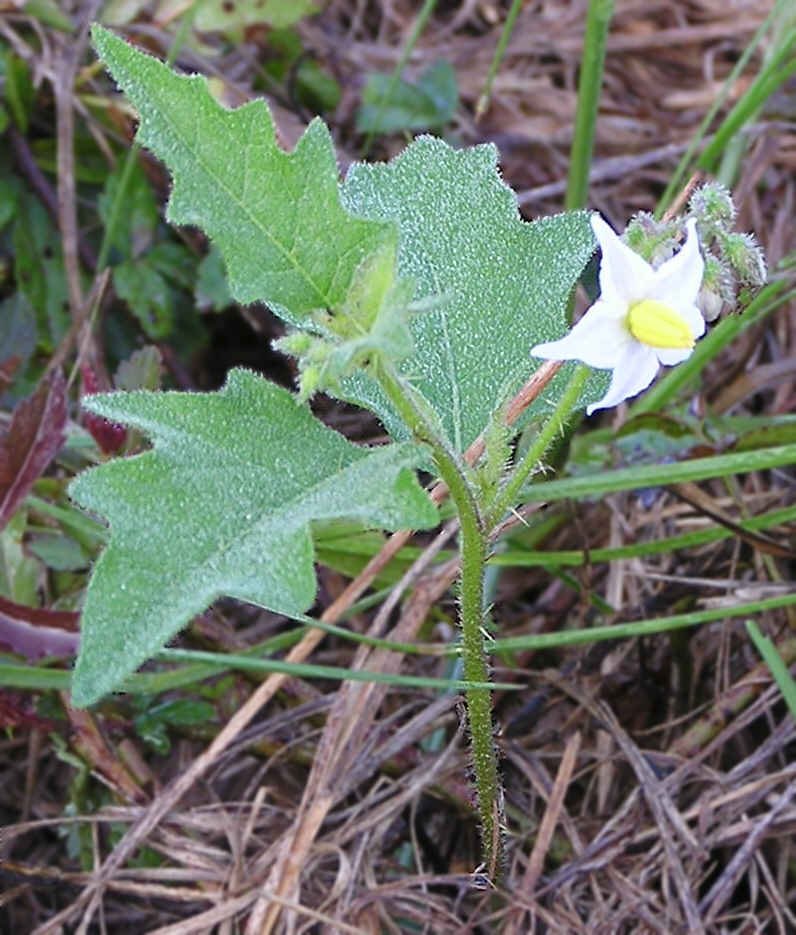
Carolina Horsenettle
Solanum carolinense
☀️ Full Sun 💧 Low

Chilean Potato Vine
Solanum crispum
☀️ Full Sun 💧 Moderate

Tomato
Solanum lycopersicum
☀️ Full Sun 💧 Moderate

Apple of Sodom
Solanum campylacanthum
☀️ Full Sun 💧 Low

Naranjilla
Solanum quitoense
☀️ Partial Sun 💧 High