

Naranjilla is a tropical perennial shrub from the northwestern Andes mountains, belonging to the nightshade family Solanum quitoense. It is distinguished by its massive, velvety leaves that reach up to 45 cm (18 in) in length and its fuzzy orange fruit which contains a lime-green, jelly-like pulp.
This species requires a specific climate of high humidity and moderate temperatures to produce a crop. In temperate regions like the UK or northern USA, it must be grown in a heated greenhouse as it fails if temperatures drop below 10 °C (50 °F).
Key Facts
Is Naranjilla Right for Your Garden?
Growing Naranjilla requires a frost-free environment with high humidity and protection from strong winds. This plant suits growers with a large greenhouse or those in tropical climates like South Florida. You must provide enough space for a shrub that reaches 2 m (6.5 ft) in height and width.
Because the leaves are fragile, a sheltered spot is necessary to prevent tearing. It is a demanding species that fails quickly in dry, indoor air or temperatures below 10 °C (50 °F). It is often grown for its architectural foliage even by those who do not intend to harvest the fruit.
Identifying Solanum quitoense by Its Leaves and Fruit
You can identify Solanum quitoense by its massive, 45 cm (18 in) long heart-shaped leaves covered in purple velvety hairs. The stems and leaf veins are often protected by sharp, 1 cm (0.4 in) long spines, though spineless cultivars exist. White flowers with five petals appear in clusters, eventually forming round fruits.
The fruit is roughly 5 cm (2 in) in diameter and is covered in brown, bristly hairs that you must rub off before eating. Underneath the fuzz, the skin is bright orange, resembling a small tomato. The interior is divided into four compartments filled with green pulp and small edible seeds.
Temperature and Light Needs for Lulo
Naranjilla thrives best in temperatures between 15-25 °C (60-77 °F) with bright, filtered light. Because it originates from the Andean cloud forests, it requires humidity levels above 60% and protection from direct, scorching midday sun. In the UK, this species must be kept in a heated greenhouse or conservatory to survive.
The plant is sensitive to photoperiodism and may struggle to fruit in regions with very long summer days or very short winter days. Providing a stable environment that mimics the equatorial highlands is necessary for the fruit to set. It will stop growing entirely if temperatures exceed 30 °C (86 °F) for extended periods.
Sowing Naranjilla Seeds Successfully
Sow Naranjilla seeds at a depth of 0.5 cm (0.2 in) in a warm propagator set to 24 °C (75 °F). Germination typically occurs within 14 to 21 days, though older seeds may take up to 40 days to sprout. Use a sterile, peat-free seed compost and keep the medium consistently moist but never waterlogged.
Once the seedlings develop two true leaves, transplant them into individual 9 cm (3.5 in) pots. It takes approximately 10 to 12 months from sowing for a plant to produce its first harvestable fruit. Seedlings are particularly susceptible to damping off, so ensure good air circulation around the base of the stems.
Watering and Feeding Your Naranjilla Plant
Apply a high-potassium liquid fertilizer every two weeks during the active growing season to support fruit development. As a member of the Solanaceae family, Naranjilla is a heavy feeder that requires rich organic matter and consistent moisture. Avoid letting the soil dry out completely, as this causes the large leaves to wilt and drop.
Mulch the base of the plant with well-rotted compost to retain moisture and provide a slow release of nutrients. If growing in a container, ensure it holds at least 20 litres (5 gallons) of soil to accommodate the vigorous root system. Use rainwater where possible, as the plant can be sensitive to hard tap water in some regions.
Harvesting and the Taste of Lulo Fruit
Harvest the fruit only when it has turned completely orange and yields slightly to thumb pressure. The fruit is covered in irritating brown hairs that must be rubbed off with a cloth or thick gloves before handling. If picked while still green-orange, the acidity will be too high for most palates.
A single healthy shrub can produce up to 100 fruits per year in ideal tropical conditions. The flavor is a complex blend of lime, rhubarb, and pineapple. To eat, cut the fruit in half and squeeze the green jelly-like pulp directly into your mouth or into a blender.
Culinary Uses and Traditional Benefits
The fruit is traditionally used to make a refreshing juice that is high in Vitamin C and antioxidants. In Colombia, the pulp is mixed with water and sugar to create a drink called Lulada, often served with the fruit pieces intact. The high acidity makes it a popular choice for jellies, sorbets, and meat marinades.
Historically, the juice has been used in South American folk medicine as a diuretic and to aid digestion. The leaves and stems contain solanine and should never be consumed. It is also a source of Vitamin A and several B-complex vitamins, making it a nutrient-dense addition to a tropical diet.
Common Solanum quitoense Pests and Diseases
The most common threat to Solanum quitoense is the root-knot nematode, which causes stunted growth and wilting. These microscopic soil pests attack the roots, forming galls that prevent the plant from absorbing water. To manage this, always use sterilized potting soil and avoid ground where tomatoes (Solanum lycopersicum) have grown.
You may also encounter aphids and spider mites, particularly in the dry air of a greenhouse. Regularly misting the large leaves can help deter these pests while providing the humidity the plant requires. Fungal wilts like Fusarium can also occur if the soil remains waterlogged for too long.
How to Store Naranjilla Fruit
Fresh Naranjilla fruit will stay viable for 7 to 10 days when stored in a cool, humid environment. For longer preservation, the green pulp can be scooped out and frozen in airtight containers for up to six months. Do not store the fruit in the refrigerator for extended periods, as temperatures below 7 °C (45 °F) can cause skin pitting.
If you are transporting the fruit, keep the protective fuzz intact until just before use to prevent bruising. Once the hairs are removed, the skin becomes more susceptible to mechanical damage. The fruit is best used fresh to maintain its high Vitamin C content and bright green color.
Year-Round Care for Naranjilla
| Spring | Sow seeds at 24 °C (75 °F) in a propagator. Increase watering frequency as new growth appears and repot young plants into 15 cm (6 in) containers. |
|---|---|
| Summer | Feed every 14 days with a tomato-style fertilizer. Maintain high humidity by misting daily and ensure the plant is shaded from intense midday sun. |
| Autumn | Move outdoor plants into a heated greenhouse before night temperatures drop to 10 °C (50 °F). Reduce feeding and allow the soil to dry slightly between waterings. |
| Winter | Maintain a minimum temperature of 12 °C (54 °F). Water sparingly, only when the top 3 cm (1 in) of soil is dry, and provide as much light as possible. |
Why Is My Naranjilla Dying? Quick Diagnosis
| What you see | Likely cause | What to do |
|---|---|---|
| Leaves wilting despite wet soil | Root-knot nematodes | Transplant into fresh, sterilized soil and prune affected roots. |
| Fruit dropping before ripe | Low humidity or temperature stress | Increase misting and ensure temperatures stay below 30 °C (86 °F). |
| Yellowing between leaf veins | Magnesium deficiency | Apply a one-time drench of Epsom salts (1 tbsp per gallon of water). |
| Brown spots on leaf edges | Dry air or wind damage | Move the plant to a more sheltered, humid location. |
Popular Naranjilla Varieties
- ‘Septentrionale’ – a spiny variety common in the wild
- ‘Quitoense’ – the spineless variety preferred for commercial crops
Frequently Asked Questions
Can I grow Solanum quitoense in the UK?
Yes, but it must be grown in a heated greenhouse or conservatory to survive the winter. It requires temperatures above 10 °C (50 °F) and high humidity to produce fruit.
What does Naranjilla taste like?
The fruit has a unique, sharp flavor often described as a mix of pineapple, lemon, and rhubarb. It is highly acidic and usually consumed with added sugar in juices.
Is Naranjilla toxic to cats and dogs?
Yes, the leaves and stems contain solanine, which is toxic to pets if ingested. Only the fully ripe fruit pulp is safe for human consumption.
How long does it take for Naranjilla to fruit?
A plant grown from seed typically takes 10 to 12 months to produce its first harvest. It will continue to fruit year-round if kept in a stable, tropical environment.
How do you remove the hairs from the fruit?
Rub the fruit firmly with a dry cloth or a thick sponge while wearing gloves. The brown bristly hairs come off easily, revealing the smooth orange skin underneath.
Information about traditional or historical uses is provided for educational interest only and is not medical advice. Do not use any plant to treat a condition without speaking to a qualified professional.
Sources & Verification
Taxonomy and distribution are checked against the databases below. Care guidance is written for cultivated species only and reviewed by our editor. How We Build Plant Profiles →
More in Solanum

Jerusalem Cherry
Solanum pseudocapsicum
☀️ Full Sun 💧 Moderate
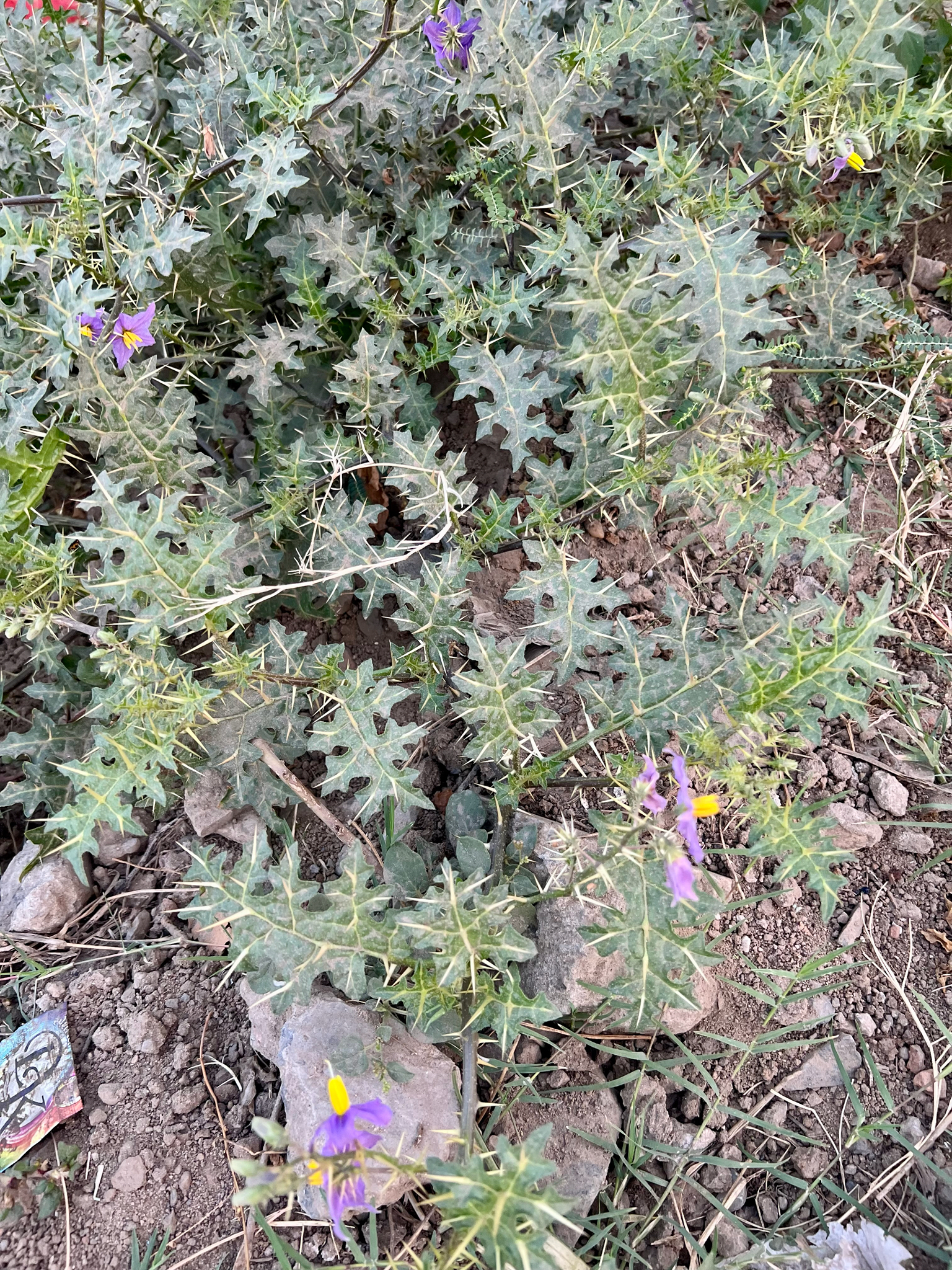
Surattense Nightshade
Solanum virginianum
☀️ Full Sun 💧 Low
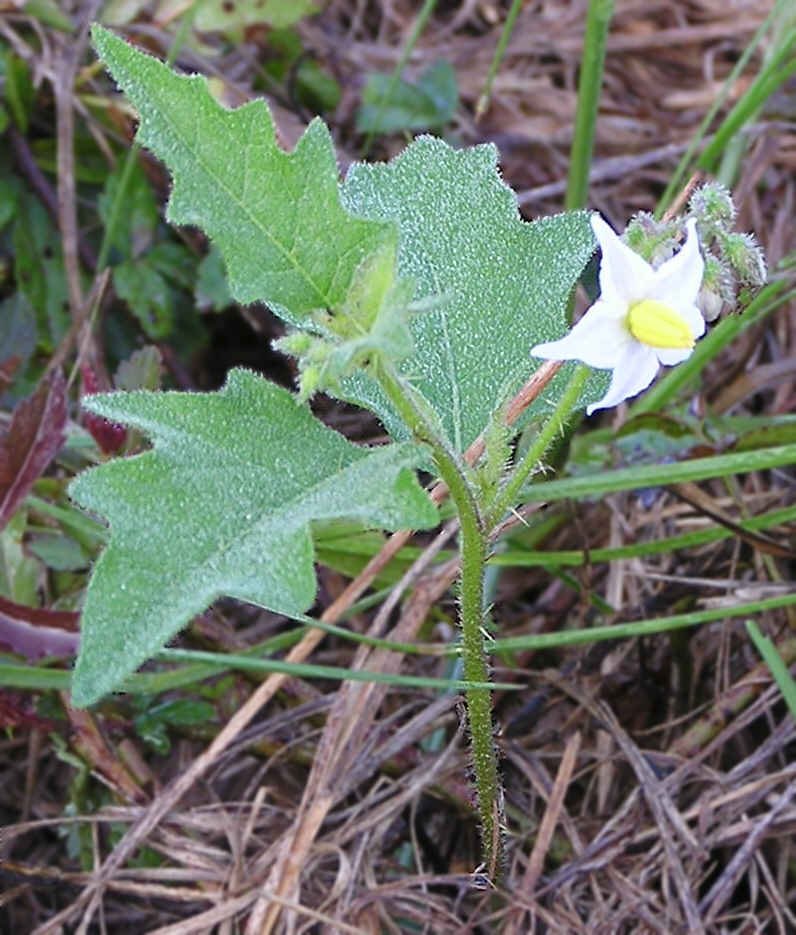
Carolina Horsenettle
Solanum carolinense
☀️ Full Sun 💧 Low

Gboma Eggplant
Solanum macrocarpon
☀️ Full Sun 💧 High

Tomato
Solanum lycopersicum
☀️ Full Sun 💧 Moderate

Apple of Sodom
Solanum campylacanthum
☀️ Full Sun 💧 Low