Plants in the Malvaceae Family
49 plant profiles · Explore the Malvaceae family, from edible okra and industrial cotton to tropical hibiscus and baobab trees. Learn key traits and growing requirements.
The mallow family (Malvaceae) includes over 4,200 species ranging from small herbaceous annuals to massive tropical trees. Members of this family share key botanical traits, including alternate leaves with palmate venation, fibrous inner bark, and sap containing thick mucilage. Most flowers feature five distinct petals surrounding a central tube formed by stamens fused around the style, a structure visible in edible crops like okra (Abelmoschus esculentus) and roselle (Hibiscus sabdariffa).
Native across temperate, subtropical, and tropical regions worldwide, the family provides major global agricultural commodities alongside indoor and outdoor ornamentals. Commercial textile fiber comes from species such as Levant cotton (Gossypium herbaceum), while tropical fruit trees include the fruit-bearing durian (Durio zibethinus) and the massive African baobab (Adansonia digitata). Indoor growers frequently choose tender woody perennials like the flowering maple (Callianthe picta) for continuous container blooms.
Selecting a plant from Malvaceae depends on your climate zone, space, and intended use. Annual vegetable crops and fiber species thrive in full sun with temperatures above 20 °C (68 °F), whereas tender evergreen shrubs require frost-free winter protection. Wild mallow species adapt to dry, disturbed soils, while marshland species require consistent water saturation around their root zones.

African Hemp
Sparrmannia africana
☀️ Bright Indirect 💧 High

American Basswood
Tilia americana
☀️ Full Sun 💧 Moderate

Balsa Tree
Ochroma pyramidale
☀️ Full Sun 💧 High

Baobab
Adansonia digitata
☀️ Full Sun 💧 Low
Bristly Hollyhock
Alcea setosa
☀️ Full Sun 💧 Low
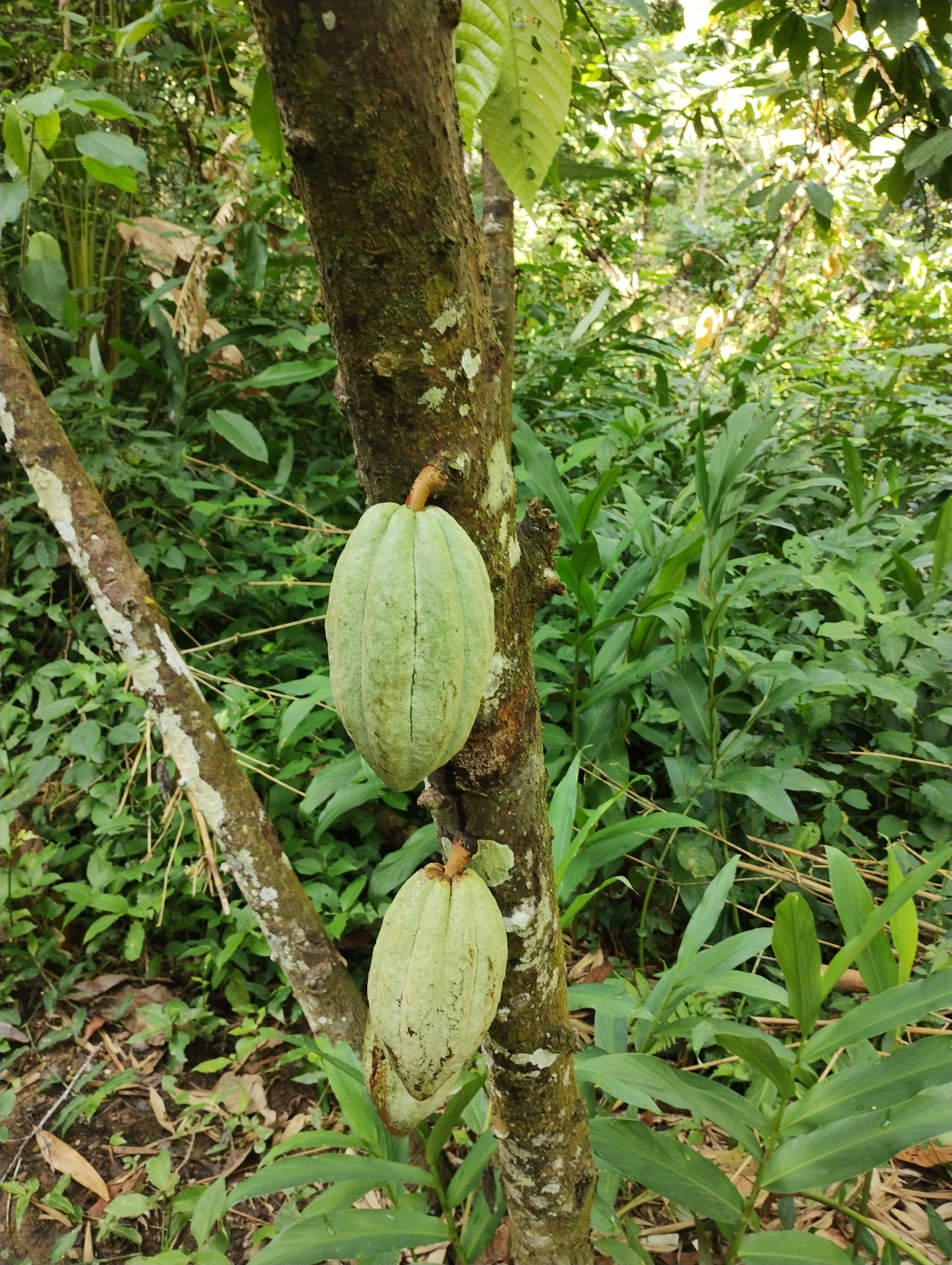
Cacao
Theobroma cacao
☀️ Partial Shade 💧 High

California Checkerbloom
Sidalcea malviflora
☀️ Full Sun 💧 Moderate

Chinese Hibiscus
Hibiscus rosa-sinensis
☀️ Full Sun 💧 High
Common Mallow
Malva sylvestris
☀️ Full Sun 💧 Moderate
Common Mallow
Malva neglecta
☀️ Full Sun 💧 Moderate

Confederate Rose
Hibiscus mutabilis
☀️ Full Sun 💧 Moderate

Cow Itch Tree
Lagunaria patersonia
☀️ Full Sun 💧 Moderate
Cupuaçu
Theobroma grandiflorum
☀️ Partial Shade 💧 High

Durian
Durio zibethinus
☀️ Full Sun 💧 High

False Roselle
Hibiscus acetosella
☀️ Full Sun 💧 Moderate

Flower-Of-An-Hour
Hibiscus trionum
☀️ Full Sun 💧 Low

Flowering Maple
Callianthe picta
☀️ Partial Sun 💧 Moderate

Guest Tree
Kleinhovia hospita
☀️ Full Sun 💧 Moderate

Gum Karaya
Sterculia urens

Hollyhock
Alcea rosea
☀️ Full Sun 💧 Moderate

Illawarra Flame Tree
Brachychiton acerifolius
☀️ Full Sun 💧 Low

Java Olive
Sterculia foetida
☀️ Full Sun 💧 Moderate
Jute
Corchorus olitorius
☀️ Full Sun 💧 High
Kanak Champa
Pterospermum acerifolium
☀️ Full Sun 💧 Moderate
Common Questions
What plants belong to the Malvaceae family?
The Malvaceae family includes hibiscus, cotton, okra, baobab trees, durian, and mallows. The family contains over 240 genera and 4,200 recognized species distributed globally.
What are the main characteristics of Malvaceae plants?
Plants in Malvaceae feature five-petaled flowers with fused stamens forming a central column, palmate leaf veins, and mucilaginous tissues. Most species also produce tough, fibrous inner bark used historically for cordage.
Are plants in the Malvaceae family edible?
Many Malvaceae species are edible, including okra pods, roselle calyxes, durian fruit, and cocoa beans. Always verify the individual plant identity, as ornamental and fiber species are not grown for consumption.
How much sunlight do Malvaceae plants need?
Most plants in the Malvaceae family require 6 to 8 hours of direct full sun daily to flower and produce fruit properly. Indoor container species require bright, indirect light near a south-facing window.