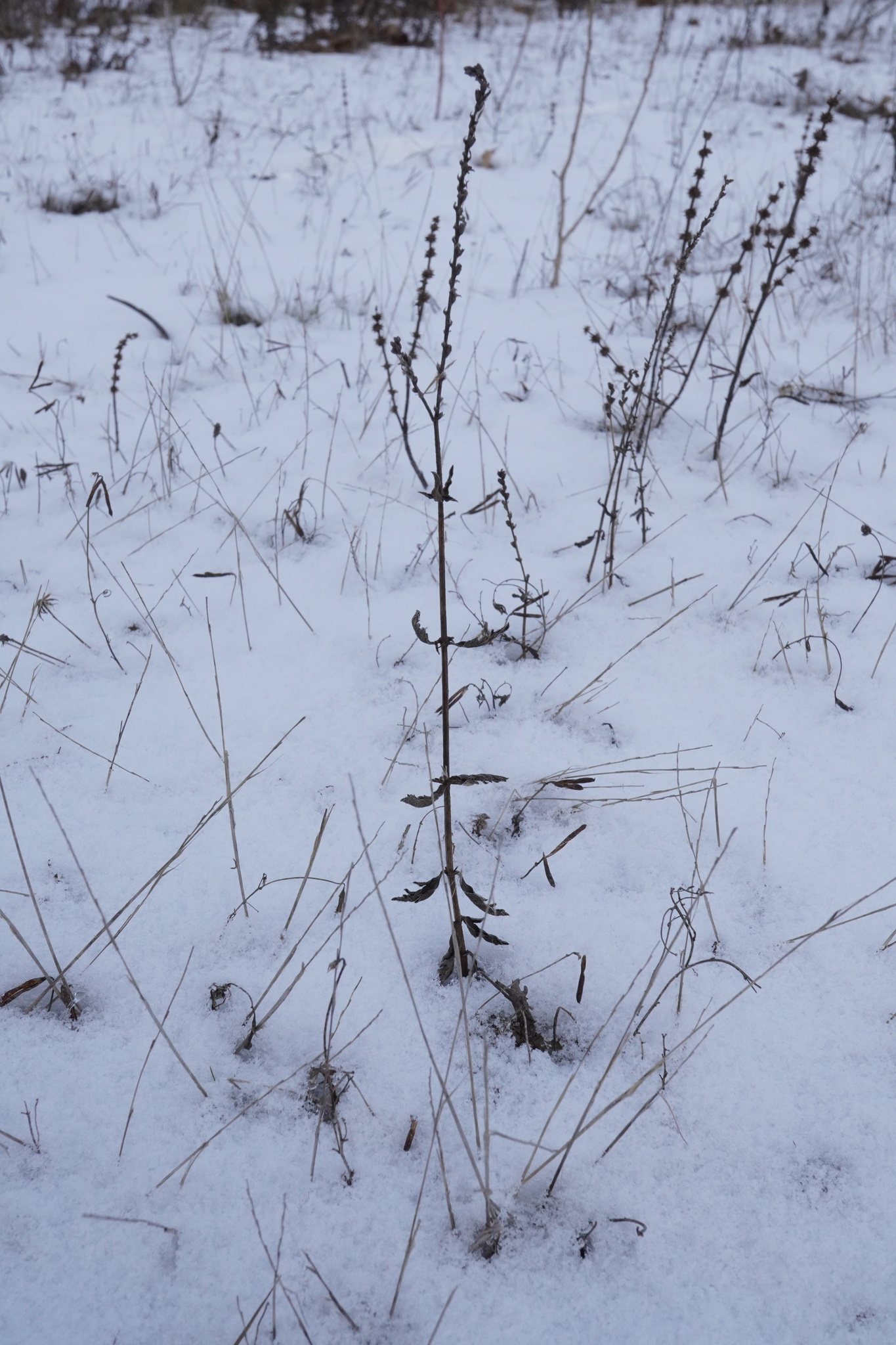
Rose verbena (Verbena canadensis) is a sprawling, low-growing perennial native to the eastern and south-central United States. It forms dense carpets of dark green foliage topped with rounded clusters of rose-pink to purple flowers throughout the warm season.
This species thrives in full sun and dry, lean soils where taller perennials fail. It functions as a fast-filling groundcover or rock garden plant that tolerates intense summer heat.
Key Facts
- Plant type: Herbaceous perennial groundcover
- Hardiness zones: USDA 5 to 9
- Light: Full sun (6+ hours daily)
- Water: Low to moderate; drought-tolerant
- Height: 15–30 cm (6–12 in)
- Spread: 30–90 cm (12–36 in)
Is Rose Verbena Right for Your Garden?
Rose verbena is an ideal groundcover for sunny, heat-prone borders and rock gardens in USDA zones 5 through 9. It produces endless flower clusters from spring until frost without requiring frequent maintenance.
This species suits gardeners who need rapid ground coverage over dry slopes or retaining walls. It spreads via creeping stems that root where leaf nodes touch moist earth, filling gaps within a single season.
Because it tolerates low soil fertility and high ambient temperatures, it thrives in spots where traditional bedding plants scorch.
Identifying Rose Verbena
Rose verbena grows as a trailing mat reaching 15–30 cm (6–12 in) tall and 30–90 cm (12–36 in) wide.
Stems are square in cross-section, hairy, and prostrate along the ground. Opposite leaves measure 3–7 cm (1.2–2.8 in) long, featuring deeply lobed or coarsely toothed margins with a medium-to-dark green surface.
Flowers form flattened terminal clusters 3–5 cm (1.2–2.0 in) across. Individual blossoms are five-lobed, tubular, and measure 1.5 cm (0.6 in) wide, ranging from rose-pink and magenta to deep violet.
Rose Verbena Growing Conditions and Site Selection
Plant rose verbena in a location that receives at least 6 hours of direct sunlight daily.
Full sun is mandatory for dense foliage and continuous flower production. In partial shade, stems stretch thin and foliage becomes susceptible to fungal diseases.
The soil must drain rapidly. Loose, sandy loam or gravelly soil with a pH between 6.0 and 7.5 prevents winter root rotting.
How to Plant Rose Verbena
Space individual rose verbena plants 30–45 cm (12–18 in) apart in late spring after the last spring frost.
Follow these steps when putting plants into the garden:
- Dig a hole twice as wide as the root ball and equal in depth.
- Mix coarse sand or fine gravel into heavy clay soils to improve internal drainage.
- Set the crown level with the surrounding soil surface to avoid stem decay.
- Backfill and tamp the soil gently around the root zone.
- Water deeply immediately after planting with 2.5 cm (1 in) of water.
Watering and Feeding Rose Verbena
Water established rose verbena once every 10–14 days during dry spells, applying water directly to the base.
Overwatering causes crown rot and weakens the root structure. Allow the top 5 cm (2 in) of soil to dry completely between soakings.
Fertilizer requirements are minimal. Apply a single light application of balanced, slow-release fertilizer (10-10-10) in early spring at a rate of 28 g per square metre (1 oz per square yard).
Pruning and Trimming Back Rose Verbena
Shear stems back by one-third in midsummer to encourage fresh foliage and a late-summer bloom flush.
Regular deadheading of spent flower heads prevents seed set and keeps the plant producing new buds. Use clean hand pruners or shears to trim leggy shoots.
- Trim off faded flower clusters weekly during peak growth.
- Cut back unruly stems extending beyond bed edges in July.
- Cut foliage down to 5 cm (2 in) above the soil after winter dormancy sets in.
How to Propagate Rose Verbena
Propagate rose verbena by taking 7–10 cm (3–4 in) softwood stem cuttings in late spring or early summer.
You can also propagate through stem layering or by sowing rose verbena seeds indoors 8–10 weeks before the last spring frost.
- Stem Cuttings: Strip lower leaves from a tip cutting and insert into damp perlite and peat mix; roots establish within 14–21 days at 20–22 °C (68–72 °F).
- Layering: Pin a low-growing stem to moist soil using a wire staple; root formation occurs at the node within 3 weeks.
- Seeds: Cold-stratify seeds in a damp paper towel at 4 °C (40 °F) for 30 days before sowing under grow lights.
Rose Verbena Pest and Disease Control
Powdery mildew is the primary disease affecting rose verbena when foliage stays damp in humidity above 70%.
Inspect foliage weekly during warm, humid weather for signs of fungal or insect damage.
- Powdery Mildew: White powdery coating on leaves; thin stems to improve airflow and water only at ground level.
- Spider Mites: Tiny yellow speckling on leaf surfaces; spray undersides of foliage with insecticidal soap.
- Root Rot: Wilting accompanied by black, soft root tissue; move plants to well-drained soil and reduce watering.
- Aphids: Clustered insects on soft tip growth; knock off with a sharp blast of water.
Winter Care and Hardiness for Rose Verbena
Rose verbena survives winters down to -23 °C (-10 °F) in USDA zone 6 when grown in well-draining soil.
In USDA zone 5, apply a 5–8 cm (2–3 in) layer of straw mulch over dormant crowns after the first hard freeze to protect against frost heaving.
In wet winter climates, damp soil poses a greater threat than freezing temperatures. Ensure beds slope away from structures to shed excess rain.
Rose Verbena Bloom Time and Flower Care
Rose verbena blooms continuously from April until October or the first hard frost.
Flowers open in rounded clusters displaying shades of lavender, bright rose, or reddish-violet. Each cluster contains 10–20 tiny florets that attract native bees, butterflies, and skippers.
If flowering slows during midsummer heat spikes above 32 °C (90 °F), trim back top growth and provide one deep soaking to trigger an autumn bloom burst.
Best Companion Plants for Rose Verbena
Pair rose verbena with sun-loving perennials that share its low water and full-sun requirements.
Good companion species include:
- Purple coneflower (Echinacea purpurea) – provides height contrast with upright magenta blooms.
- Black-eyed Susan (Rudbeckia fulgida) – offers bright golden rays alongside rose-pink groundcover mats.
- Threadleaf coreopsis (Coreopsis verticillata) – adds fine lacey foliage and yellow flowers.
- Little bluestem (Schizachyrium scoparium) – an ornamental native grass providing autumn colour structure.
Frequently Asked Questions
Is rose verbena a perennial?
Yes, rose verbena is an herbaceous perennial in USDA hardiness zones 5 through 9, returning each spring from its root crown. In zones colder than zone 5, gardeners grow it as an annual.
Does rose verbena spread rapidly?
Rose verbena spreads 30–90 cm (12–36 in) wide in a single season as creeping stems touch moist ground and take root. It creates a dense groundcover mat without becoming invasive.
Is rose verbena native to Missouri?
Yes, rose verbena (Verbena canadensis, syn. Glandularia canadensis) is native to Missouri and much of the eastern and south-central United States. It naturally inhabits rocky prairies, glades, and dry open woods across the state.
Is rose verbena toxic to dogs and pets?
Rose verbena is non-toxic to dogs, cats, and horses according to standard veterinary plant toxicity databases. Ingesting large quantities of foliage may cause mild upset, but it contains no dangerous toxins.
Is rose verbena deer resistant?
Yes, rose verbena is highly deer resistant due to its rough, hairy leaves and strongly aromatic foliage. Browsing animals generally avoid it unless other food sources are scarce.
Is rose verbena edible for humans?
Rose verbena is not considered an edible culinary herb and is grown primarily as an ornamental flowering plant. While not dangerously toxic, the foliage and flowers lack culinary value and are not consumed.
Sources & Verification
Taxonomy and distribution are checked against the databases below. Care guidance is written for cultivated species only and reviewed by our editor. How We Build Plant Profiles →
- Plants of the World Online (Kew POWO)powo.science.kew.org
- Missouri Botanical Garden Plant Findermissouribotanicalgarden.org
- NC State University Extensionplants.ces.ncsu.edu
- USDA PLANTS Databaseplants.usda.gov
- GBIF — Global Biodiversity Information Facilitytaxonomy, synonyms, occurrence records
- Wikipediageneral reference