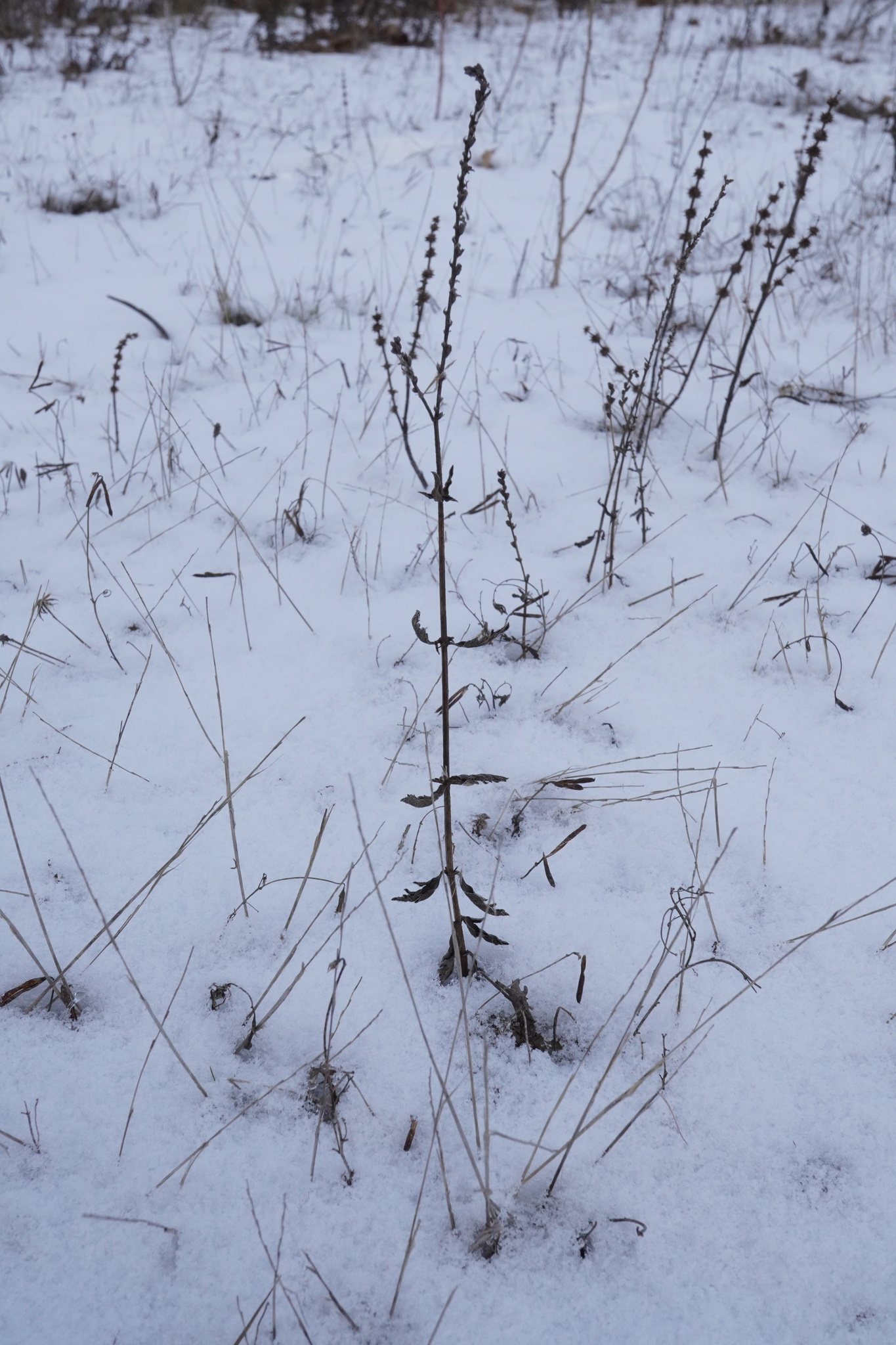
Garden verbena (Verbena hybrida) is a sprawling tender perennial of South American hybrid descent, recognised by its domed heads of five-lobed, brightly colored flowers. It forms trailing mats or low mounds that spill over borders and container edges.
While hardy in frost-free regions, prolonged dampness and shade trigger powdery mildew within weeks. Plant it in freely draining soil with all-day sun to maintain continuous blooms until the first autumn freeze.
Key Facts
- Light: Full sun, minimum 6 to 8 hours daily
- Water: Soak thoroughly when top 2.5 cm (1 in) is dry
- Height: 15–30 cm (6–12 in) tall
- Hardiness: USDA zones 9–11; grown as an annual elsewhere
- Toxicity: Non-toxic to dogs, cats, and humans
Is Garden Verbena Right for Your Space?
Garden verbena fits beds, rock gardens, window boxes, and hanging baskets where trailing growth can cascade freely. It thrives in locations that receive intense afternoon heat where more delicate bedding annuals wilt.
Gardeners in cold winter regions treat it as a temporary warm-season annual, replacing it each spring. Gardeners in Mediterranean or subtropical climates can maintain it as an evergreen groundcover for several years until woody stems become sparse.
Identifying Garden Verbena
Garden verbena forms a dense, sprawling mat 15–30 cm (6–12 in) tall and 30–60 cm (12–24 in) wide. The stems are four-angled, slightly hairy, and branch repeatedly from the crown.
Leaves grow opposite one another along the stem, measuring 2.5–7.5 cm (1–3 in) long. They have an oblong or lanceolate shape with deeply toothed or lobed margins and a textured, slightly rough upper surface.
Flowers emerge in flat-topped or domed clusters called corymbs, each 5–7.5 cm (2–3 in) across. Individual florets are trumpet-shaped with five notched lobes, available in solid shades of purple, scarlet, magenta, pink, and white, as well as bicolors with white centres.
Where to Plant Garden Verbena
Plant garden verbena in a spot that receives at least 8 hours of direct sunlight each day. Without intense sun, the stems stretch, flowering slows down, and fungal pathogens rapidly attack the leaves.
Soil drainage is essential. If your ground contains heavy clay, amend the top 20 cm (8 in) with coarse sand and compost, or install the plants on a raised slope where water runs off immediately.
Spacing and Planting Garden Verbena
Space garden verbena plants 25–35 cm (10–14 in) apart to allow air circulation between mature mounds. Crowding plants together restricts airflow and increases the risk of foliar disease.
Follow these steps when transplanting garden-ready plugs or potted specimens in spring:
- Dig a hole equal to the depth of the root ball and twice as wide.
- Loosen any circling roots gently with your fingertips.
- Set the plant so the top of the root crown sits level with the surrounding soil.
- Firm the soil down and water thoroughly around the base.
Water and Fertiliser Requirements
Water garden verbena when the top 2.5 cm (1 in) of soil feels dry to the touch. Established plants tolerate short periods of summer drought, but consistent moisture produces the highest flower volume.
Always apply water directly to the soil surface using a drip hose or watering can spout. Wetting the foliage during overhead watering encourages botrytis blight and powdery mildew.
Feed plants grown in garden beds once a month with a balanced fertiliser. Container-grown specimens benefit from an application of dilute liquid feed every two to three weeks through the peak flowering period.
How to Prune and Deadhead Garden Verbena
Deadhead faded flower heads by cutting the stems back by one-third of their length in midsummer. Shearing encourages a flush of fresh green stems and sets up a secondary burst of blooms that lasts until frost.
Deadheading prevents the plant from expending energy on developing seed pods. Use clean, sharp hand shears to trim back trailing shoots whenever they become leggy or bare in the centre.
How to Propagate Garden Verbena
Propagate hybrid garden verbena using softwood tip cuttings in early summer to produce exact genetic duplicates. Hybrid seed rarely comes true to the parent cultivar and often results in weaker plants with variable flower colours.
To root tip cuttings reliably, follow these propagation steps:
- Cut a 7–10 cm (3–4 in) non-flowering stem tip just below a leaf node.
- Strip the leaves from the bottom half of the cutting.
- Insert the stem into moist perlite or a sandy seed-starting mix.
- Keep the potting mix at 20–22 °C (68–72 °F) in bright, indirect light until roots form in 14 to 21 days.
Common Pests and Powdery Mildew
Garden verbena’s primary disease is powdery mildew, which coats the upper leaf surfaces in a dusty white fungal film during warm, humid weather. Improve air movement around the plant and water solely at root level to prevent spore germination.
Common insect pests include spider mites and thrips. Mites cause stippling and yellowing of the foliage during hot, dry spells, while thrips distort emerging flower buds. Wash them away with a firm jet of water or apply insecticidal soap to the leaf undersides.
Is Garden Verbena a Perennial or Annual?
Garden verbena is biologically a tender perennial, but gardeners in areas with freezing temperatures treat it strictly as an annual. Frost will kill the top growth and freeze the root system whenever winter temperatures drop below -4 °C (25 °F).
In zones 9 to 11, plants survive the winter outdoors if cut back to 5 cm (2 in) above the ground in late autumn and covered with dry straw. Gardeners in colder zones can bring potted cuttings indoors before the first autumn freeze to overwinter on a sunny windowsill.
Seasonal Tasks for Garden Verbena
| Spring | Plant nursery starts outdoors after all danger of frost has passed. Water weekly and pinch back young stem tips to encourage dense branching. |
|---|---|
| Summer | Deadhead spent flower heads and shear back overgrown stems by one-third in July. Apply balanced liquid fertilizer every 2 to 3 weeks for potted plants. |
| Autumn | Collect semi-ripe stem cuttings in early autumn to root indoors if overwintering. Clear away spent annual plants after the first hard freeze blackened the stems. |
| Winter | In mild zones 9 to 11, mulch the plant crown with 5 cm (2 in) of dry leaf mulch. In colder zones, maintain rooted indoor cuttings under bright grow lights at 15–18 °C (60–65 °F). |
Diagnosing Garden Verbena Problems
| What you see | Likely cause | What to do |
|---|---|---|
| White powdery dust on leaves | Powdery mildew from poor air circulation or overhead watering | Thin crowded stems, water only at the soil line, and spray sulfur fungicide if spreading. |
| Stems are long, thin, and stop blooming | Insufficient sunlight or midsummer seed production | Cut the entire plant back by one-third and relocate to a site with 8 hours of direct sun. |
| Yellow speckling on leaves with fine webbing | Spider mite infestation during dry heat | Rinse leaf undersides with water sprays and apply insecticidal soap twice weekly. |
| Soft, black stems collapsing at ground level | Root or stem rot caused by waterlogged soil | Discard affected stems, allow soil to dry between waterings, and improve bed drainage. |
Cultivars of Garden Verbena
- ‘Homestead Purple’ – rich violet flowers, vigorous trailing habit
- ‘Lanai Bright Eye’ – pink petals with dark rose centers
- ‘Quartz White’ – clean white blooms, upright compact form
- ‘Superbena Red’ – large scarlet clusters, strong mildew resistance
- ‘Empress Flair Blue’ – deep sky-blue florets, tight mounding habit
Companion Plants for Garden Verbena
Pair garden verbena with sun-loving companions that share its preference for dry to moderate moisture and well-drained soil. Upright perennials provide vertical structure against verbena’s sprawling, ground-hugging habit.
Reliable companions include:
- Mealycup sage (Salvia farinacea) – provides tall spikes of blue flowers.
- Narrowleaf zinnia (Zinnia angustifolia) – adds daisy-like orange and yellow blooms.
- French marigold (Tagetes patula) – offers warm contrasting colours and pest deterrence.
- Sweet alyssum (Lobularia maritima) – forms a fine-textured, fragrant white carpet beneath verbena clusters.
Frequently Asked Questions
Is garden verbena toxic to dogs?
Garden verbena is non-toxic to dogs, cats, and horses according to veterinary poison registries. It can be planted safely in borders and low planters accessible to household pets.
Is garden verbena a perennial or an annual?
It is a tender perennial in warm regions (USDA zones 9–11) but is grown as an annual in colder climates where winter frost kills the root system. Most gardeners purchase fresh nursery stock each spring.
How do you deadhead garden verbena?
Use garden snips to trim spent flower heads back to the nearest set of leaves or shear the entire plant back by one-third in midsummer. This prevents seed formation and stimulates a heavy flush of new blooms.
Can you harvest seeds from garden verbena?
You can harvest seeds by clipping dried brown seed pods in autumn and crushing them over paper, but the seedlings will not grow true to the parent hybrid. Most gardeners propagate named varieties from stem cuttings instead.
Why is my garden verbena not blooming?
Lack of direct sunlight is the primary reason garden verbena stops blooming. Move the plant to a spot receiving at least 6 to 8 hours of direct sun and prune away old seed heads to stimulate new flowering buds.
Sources & Verification
Taxonomy and distribution are checked against the databases below. Care guidance is written for cultivated species only and reviewed by our editor. How We Build Plant Profiles →
- RHS GardeningCultivation profile and hardiness specifications
- Missouri Botanical GardenBotanical traits and culture of Glandularia x hybrida
- NC State ExtensionPlant identification, spread, and environmental tolerances
- ASPCA Animal Poison ControlToxicity assessment for domestic animals
- GBIF — Global Biodiversity Information Facilitytaxonomy, synonyms, occurrence records
- Plants of the World Online (Kew)accepted name, native range
- Wikipediageneral reference