Guide to Plants in the Amaranthaceae Family
39 plant profiles · Learn how to identify and grow plants in the Amaranthaceae family, including grains like quinoa, ornamental amaranths, and hardy saltbushes.
The Amaranthaceae family includes over 2,000 species of herbs, shrubs, and trees adapted to arid, saline, or disturbed soils across North America, South America, Eurasia, and Africa. Members of this family typically produce small, wind-pollinated flowers encased in papery bracts and often utilize C4 photosynthesis to thrive in warm temperatures above 25 °C (77 °F).
Choose among these species based on your climate, garden goals, and soil conditions. Grain and vegetable crops like quinoa (Chenopodium quinoa) and red amaranth (Amaranthus cruentus) require full sun and well-draining soil for high seed production. Ornamental annuals such as globe amaranth (Gomphrena globosa) and Joseph's coat (Amaranthus tricolor) provide colourful foliage and durable dried flowers in sunny borders.
For drought-tolerant landscaping or forage, native shrubs like fourwing saltbush (Atriplex canescens) and winterfat (Krascheninnikovia lanata) tolerate alkaline soils and temperatures dropping to -30 °C (-22 °F). Meanwhile, common wild species such as lamb's quarters (Chenopodium album) and tumble pigweed (Amaranthus albus) act as pioneer plants in disturbed ground.

Beetroot
Beta vulgaris
☀️ Full Sun 💧 Moderate

Cockscomb
Celosia argentea
☀️ Full Sun 💧 Moderate
Common Orache
Atriplex patula
Devil’s Horsewhip
Achyranthes aspera
☀️ Full Sun 💧 Moderate
Epazote
Dysphania ambrosioides
☀️ Full Sun 💧 Moderate

Fourwing Saltbush
Atriplex canescens
☀️ Full Sun 💧 Low

Garden Orache
Atriplex hortensis
☀️ Full Sun 💧 Moderate

Globe Amaranth
Gomphrena globosa
☀️ Full Sun 💧 Low
Good King Henry
Blitum bonus-henricus
☀️ Full Sun 💧 Moderate
Green Amaranth
Amaranthus hybridus

Jerusalem Oak
Dysphania botrys
☀️ Full Sun 💧 Low

Joseph’s Coat
Amaranthus tricolor
☀️ Full Sun 💧 Moderate
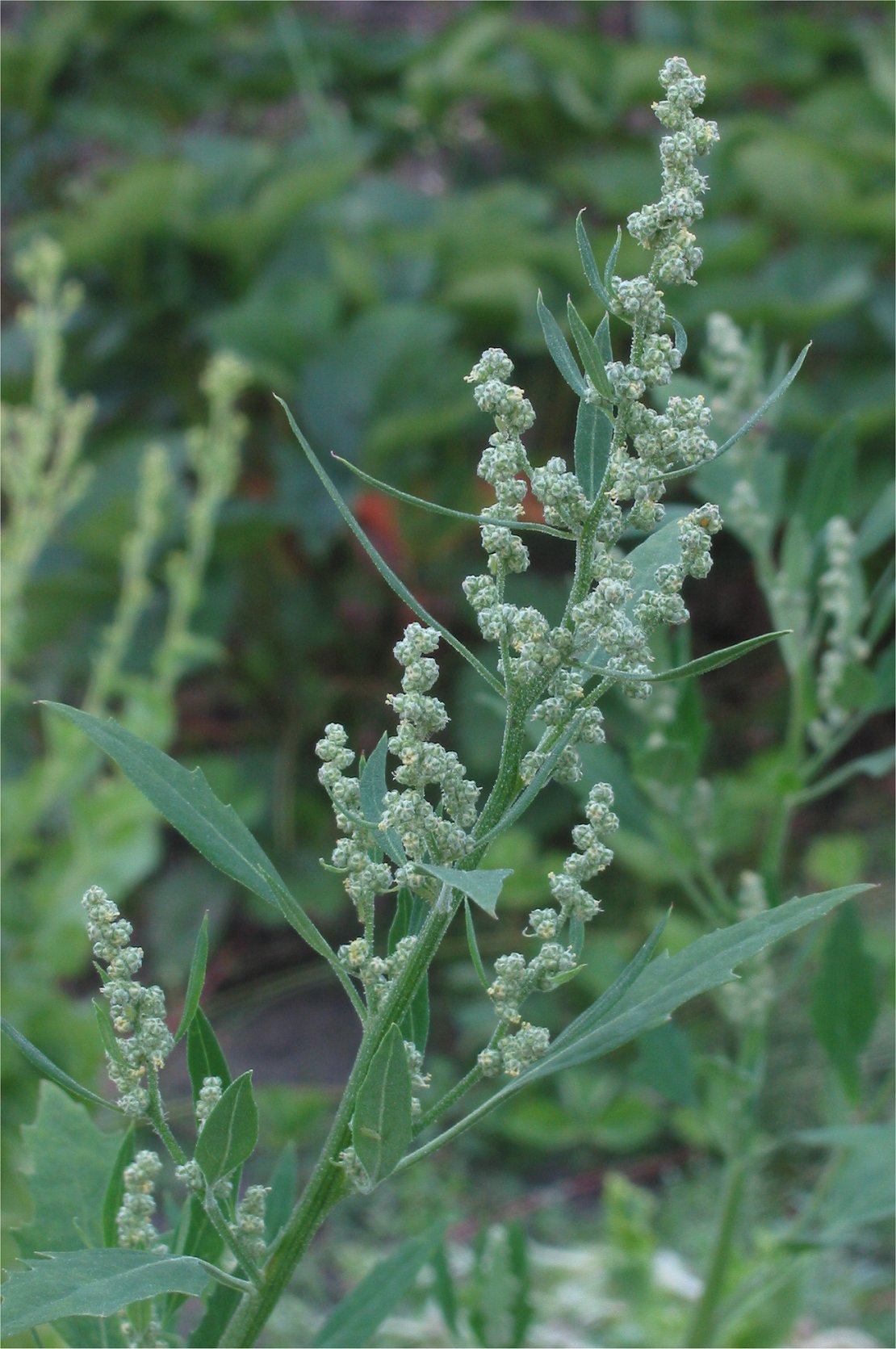
Lamb’s Quarters
Chenopodium album
☀️ Full Sun 💧 Moderate

Love-Lies-Bleeding
Amaranthus caudatus
☀️ Full Sun 💧 Moderate
Mat Amaranth
Amaranthus blitoides
Mediterranean Saltbush
Atriplex halimus
☀️ Full Sun 💧 Low

Nettle-Leaved Goosefoot
Chenopodiastrum murale
☀️ Full Sun 💧 Low

Old Man Saltbush
Atriplex nummularia
☀️ Full Sun 💧 Low

Prickly Saltwort
Salsola kali
☀️ Full Sun 💧 Low
Prince’s Feather
Amaranthus hypochondriacus
☀️ Full Sun 💧 Moderate
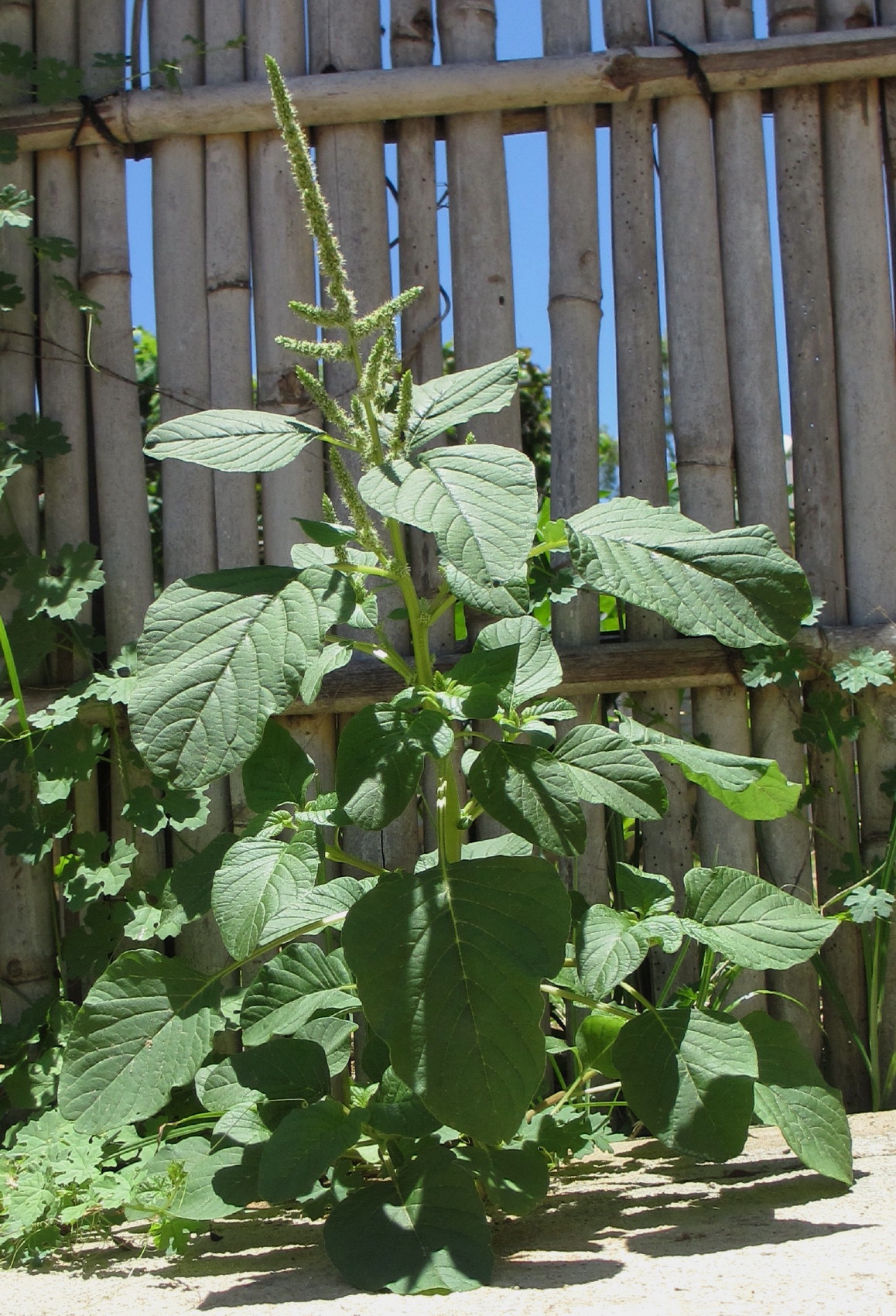
Purple Amaranth
Amaranthus blitum
☀️ Full Sun 💧 Moderate

Quinoa
Chenopodium quinoa
☀️ Full Sun 💧 Low

Red Amaranth
Amaranthus cruentus
☀️ Full Sun 💧 Moderate
Russian Thistle
Salsola tragus
☀️ Full Sun 💧 Low
Common Questions
What common plants belong to the Amaranthaceae family?
The Amaranthaceae family includes edible grains like quinoa, ornamental plants like globe amaranth, and agricultural weeds like lamb's quarters. It contains over 2,000 species grouped into roughly 180 genera across global climates.
Are plants in the Amaranthaceae family edible?
Many species in the Amaranthaceae family are edible, including the leaves and seeds of quinoa, red amaranth, and young lamb's quarters. However, some wild species accumulate high levels of oxalic acid or nitrates, which require boiling or light harvesting to avoid toxicity.
What growing conditions do Amaranthaceae plants need?
Most Amaranthaceae species require full sun with at least 6 hours of direct light daily and well-draining soil with a pH of 6.0 to 7.5. Arid species like saltbushes thrive in poor, saline ground receiving less than 250 mm (10 in) of annual rain.