
Prince’s feather (Amaranthus hypochondriacus) is a fast-growing annual crop native to Mexico and Central America, cultivated for its edible grain seeds and upright crimson flower plumes.
It produces up to 60,000 protein-rich seeds per stalk in 100 to 120 days, flourishing during hot, dry summers where cool-season grains fail.
Key Facts
- Plant Type: Annual warm-season grain and leaf crop
- Height: 1.2–2.5 m (4–8 ft) tall
- Sunlight: Full sun (6+ hours daily)
- Sowing: Direct seed 1-2 weeks after last spring frost
- Harvest: Leaves at 30 days, seeds at 100 days
- Native Range: Mexico and Central America
Growing Prince’s Feather in Your Garden
Prince’s feather fits gardeners looking for a dual-purpose ornamental annual that produces nutritious pseudograins alongside summer foliage.
This plant excels in warm climates with long, sun-filled days. It requires heat to germinate and grow rapidly, making it unsuitable for cool, damp, shaded garden beds.
Because stalks easily reach 2 m (6.5 ft) in height, plant it near the back of borders or in dedicated vegetable plots where it will not shade smaller crops like lettuce or radishes.
How to Identify Prince’s Feather
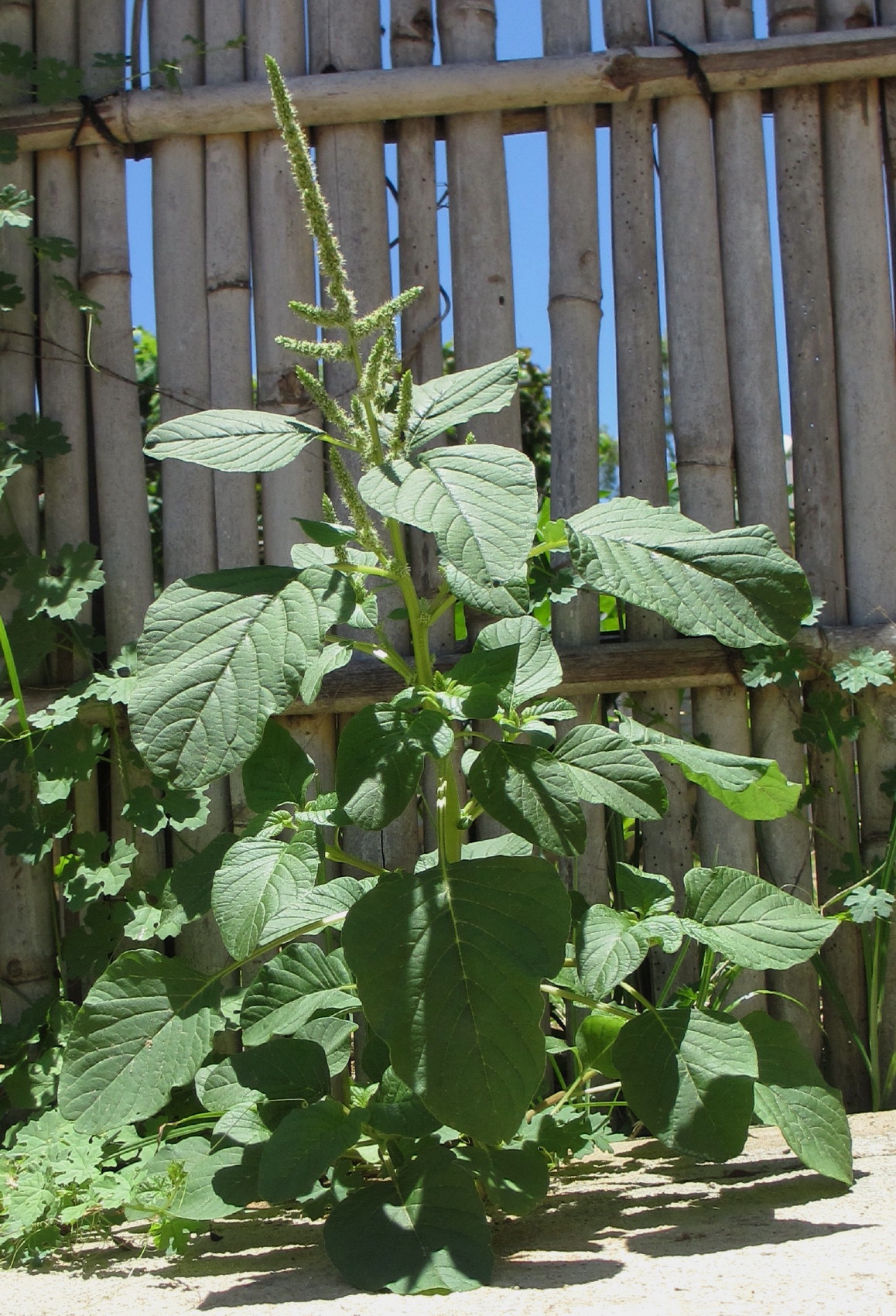
You can identify Prince’s feather by its central upright stem reaching 1.2 to 2.5 m (4 to 8 ft) in height, topped with thick, feathery flower spikes in shades of deep red, burgundy, or gold.
The alternate foliage features lance-shaped leaves measuring 10 to 20 cm (4 to 8 in) in length, frequently edged or veined with purple pigments. The dense terminal inflorescences stretch up to 50 cm (20 in) long, holding thousands of tiny individual flowers.
- Stems: Thick, grooved, erect stems branching lightly near the top.
- Leaves: Lance-shaped to oval green leaves with occasional purple pigmentation.
- Flowers: Densely packed erect plumes blooming from mid-summer until frost.
- Seeds: Tiny, circular, ivory or dark brown seeds roughly 1 mm in diameter.
Ideal Growing Conditions and Native Range
The native range of Prince’s feather spans Mexico and Central America, where it thrives in warm mountain valleys with well-drained soils and direct sunlight.
Soil temperatures must reach at least 20 °C (68 °F) for reliable seed germination. It prefers sandy or loamy soils with a neutral pH between 6.0 and 7.5, though it adapts well to poor soil conditions.
Utilizing a C4 photosynthetic pathway, the plant uses water efficiently during hot weather. It tolerates brief droughts once established but produces higher grain yields with consistent moisture through stem elongation.
Sowing Amaranthus hypochondriacus Seeds
Direct sow Amaranthus hypochondriacus seeds directly outdoors 1 to 2 weeks after the last spring frost once the soil warms up.
Because the seeds are exceptionally small, mix them with dry horticultural sand to ensure even spacing across your planting bed. Sow the seeds shallowly at a depth of 0.5 cm (0.2 in) and keep the soil moist until seedlings emerge in 3 to 10 days.
- Thin seedlings to 30 to 45 cm (12 to 18 in) apart once true leaves appear.
- Space rows 60 to 75 cm (24 to 30 in) apart for grain harvesting access.
- Select compact cultivars like Amaranthus hypochondriacus ‘Pygmy Torch’ or ‘Green Thumb’ for tight garden beds.
Prince’s Feather Plant Care and Maintenance
Water young plants weekly with 2.5 cm (1 in) of water until established, after which supplemental irrigation is only necessary during extended heat waves.
Avoid heavy applications of high-nitrogen fertilizer. Excessive nitrogen causes rapid, weak stem growth that easily lodges (falls over) in high winds and leads to unwanted nitrate buildup in edible leaves.
A light top-dressing of organic compost at planting provides sufficient nutrients. In exposed or windy locations, stake tall stalks early in summer to prevent them from snapping under the weight of heavy seed plumes.
Harvesting Leaves and Grain
Harvest young foliage at 30 to 40 days after sowing, and gather mature grain heads 100 to 120 days after planting once flowers begin to dry.
Pick tender top leaves early in the season when they are under 10 cm (4 in) long for fresh greens. For seed collection, wait until autumn when flower plumes turn papery and seeds easily dislodge when rubbed between your fingers.
- Cut entire flower stalks on a dry sunny afternoon using sharp shears.
- Place harvested heads inside paper bags or on clean sheets for 7 to 10 days to dry indoors.
- Thresh dried heads manually and winnow the chaff outdoors in a light breeze to isolate pure seeds.
Amaranthus hypochondriacus Uses, Nutrition, and Genome
The main uses of Amaranthus hypochondriacus include processing popped grain for cereals, boiling whole seeds as porridge, and cooking tender leaves like spinach (Spinacia oleracea).
The seeds contain 14% to 16% protein rich in lysine, an essential amino acid absent in true cereal grains like wheat or corn. Analysis of the Amaranthus hypochondriacus genome has allowed plant researchers to pinpoint genes responsible for drought resilience and stress resistance, aiding modern climate-crop breeding.
Historically, indigenous Aztec societies combined popped amaranth seeds with honey or maguey sap to form ceremonial cakes known as alegría, a traditional sweet still produced in Mexico today.
Common Prince’s Feather Pests and Diseases
The most common pests disturbing Prince’s feather are flea beetles and tarnished plant bugs, which chew small holes in leaf tissue or damage developing seed heads.
Damping-off fungi present a threat to young seedlings if sown in cold, wet, unworked soil. Root rot occurs in heavy clay soils that lack proper drainage channels during prolonged rainstorms.
- Flea beetles: Shothole damage on foliage; manage with row covers or diatomaceous earth.
- Tarnished plant bugs: Deformed seed heads; control by removing surrounding weed habitat.
- Damping-off: Seedlings collapse at soil level; prevent by sowing in soil above 20 °C (68 °F).
- Root rot: Stunted growth and yellowing leaves; resolve by planting in raised beds with sandy loam.
Storing Harvested Grain and Leaves
Fresh leaves remain usable in the refrigerator for up to 5 days, whereas thoroughly dried grain stores safely in sealed glass containers for up to 2 years.
Before long-term storage, ensure the harvested seeds have a moisture content below 10% to prevent mold spore germination. Test this by pressing seeds with a fingernail; fully dry seeds will not indent.
Store raw grain jars in a cool, dark pantry. If you grind the seeds into gluten-free amaranth flour, store the flour in the freezer to prevent natural seed oils from oxidizing over time.
Frequently Asked Questions
Is Amaranthus hypochondriacus edible?
Yes, both the leaves and seeds of Amaranthus hypochondriacus are edible. Young leaves are cooked like spinach, while the tiny seeds are harvested and cooked like rice or popped as a gluten-free grain.
What is the native range of Amaranthus hypochondriacus?
The native range spans Mexico and Central America, where it was domesticated over 6,000 years ago as a staple agricultural grain crop.
What is the flower symbolism of prince's feather?
Prince's feather flower symbolism traditionally represents immortality and unfading affection. This symbolic meaning stems from the flower plumes retaining their deep red color even after being cut and dried.
How tall does the prince's feather flower grow?
Standard field varieties grow between 1.2 and 2.5 m (4 and 8 ft) tall, while dwarf varieties bred for home gardens generally mature at 60 to 90 cm (2 to 3 ft).
How do you distinguish prince's feather from redroot pigweed?
Prince's feather features large, brightly colored crimson or gold flower plumes up to 50 cm long, whereas redroot pigweed (Amaranthus retroflexus) produces short, dull green, prickly flower spikes and smaller leaves.
Sources & Verification
Taxonomy and distribution are checked against the databases below. Care guidance is written for cultivated species only and reviewed by our editor. How We Build Plant Profiles →
- Kew Plants of the World Onlinepowo.science.kew.org
- Missouri Botanical Garden Plant Findermissouribotanicalgarden.org
- NC State University Plant Toolboxplants.ces.ncsu.edu
- USDA PLANTS Databaseplants.usda.gov
- GBIF — Global Biodiversity Information Facilitytaxonomy, synonyms, occurrence records
- Wikipediageneral reference
More in Amaranthus
Purple Amaranth
Amaranthus blitum
☀️ Full Sun 💧 Moderate

Tumble Pigweed
Amaranthus albus
☀️ Full Sun 💧 Low

Spleen Amaranth
Amaranthus dubius
☀️ Full Sun 💧 Moderate

Thunberg’s Amaranth
Amaranthus thunbergii
☀️ Full Sun 💧 Moderate

Red Amaranth
Amaranthus cruentus
☀️ Full Sun 💧 Moderate

Love-Lies-Bleeding
Amaranthus caudatus
☀️ Full Sun 💧 Moderate