

Spleen amaranth (Amaranthus dubius) is a warm-season annual leafy green belonging to the Amaranthaceae family, widely cultivated across tropical and subtropical regions. It is most recognised for its tender, nutrient-dense foliage that resembles spinach in flavor and texture.
You can harvest the leaves repeatedly throughout the growing season if you provide consistent moisture and rich soil. Planting seeds too early in cold spring soil is the most common reason for poor germination.
Key Facts
- Light: full sun
- Water: moderate and consistent
- Soil: well-drained loamy mix
- Harvest: 30 to 45 days
- Cycle: warm-season annual
Why Grow Spleen Amaranth in Your Garden
Spleen amaranth fits gardeners in warm climates who want a dependable source of leafy greens when traditional spinach fails in the summer heat. This crop yields edible leaves in just 30 to 45 days from seed, making it one of the fastest greens you can cultivate.
- Thrives in high temperatures that cause other greens to bolt
- Provides multiple harvests through continuous cut-and-come-again picking
- Suited for both raised beds and small container gardens
You need to keep soil fertility high and manage spacing to prevent overcrowding. It suits cooks looking for a versatile substitute for Swiss chard (Beta vulgaris subsp. cicla) or spinach (Spinacia oleracea) in hot weather.
Botanical Look and Identification
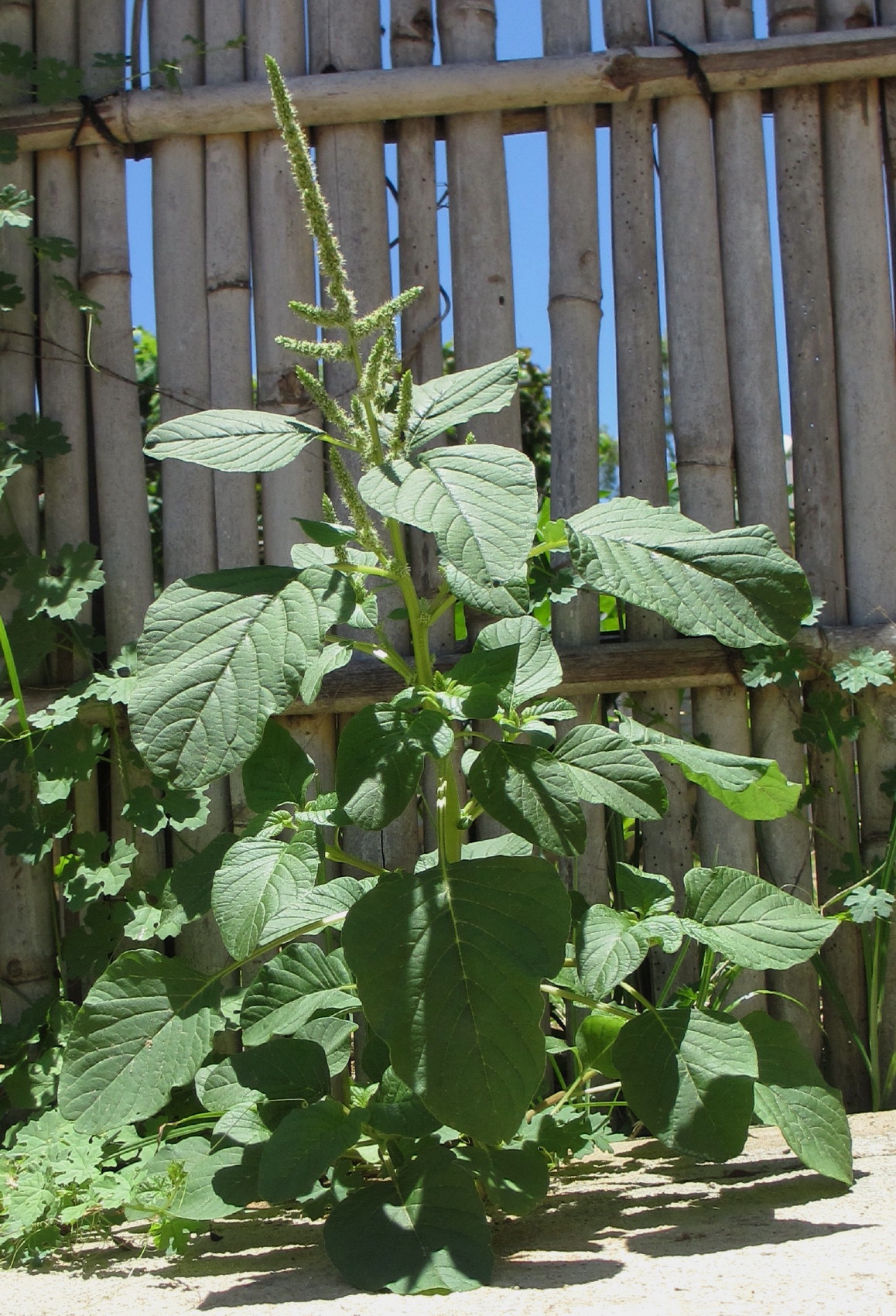
Spleen amaranth is an erect annual herb that typically reaches heights of 30 cm to 100 cm (12 to 39 inches). The oval to rhombic leaves grow up to 10 cm (4 inches) long and often feature distinct pale veining underneath.
- Stems are robust, branching, and sometimes tinged with red or purple
- Flowers appear in dense, terminal or axillary spike-like clusters
- Seeds are tiny, dark brown to black, and lens-shaped
You can distinguish it from slender amaranth (Amaranthus viridis) by its broader leaves and more robust growth habit. The flowers lack petals and rely on wind pollination during the peak summer months.
Ideal Growing Conditions for Spleen Amaranth
Spleen amaranth requires at least 6 to 8 hours of direct daily sunlight to produce dense foliage. Plant it only after all danger of spring frost has passed and soil temperatures consistently exceed 18 °C (65 °F).
- Soil must be well-drained and rich in decomposed organic matter
- Prefers a soil pH between 6.0 and 7.0 for optimal nutrient uptake
- Protect young seedlings from heavy torrential downpours that can flatten them
While it tolerates occasional dry spells, prolonged drought forces the plant to flower prematurely, making the leaves bitter and tough. Ensure adequate spacing of 20 cm (8 inches) between plants to encourage lateral branching.
How to Sow Spleen Amaranth Seeds
Spleen amaranth seeds should be sown directly into the garden soil at a depth of no more than 0.5 cm (0.2 inches). Because the seeds are extremely dust-like, mix them with dry sand to distribute them evenly across your rows.
- Space rows 30 cm (12 inches) apart to allow for weeding and air circulation
- Keep the seedbed constantly moist using a fine mist spray until germination
- Thin seedlings to 20 cm (8 inches) apart once they reach 5 cm (2 inches) tall
Germination typically occurs within 7 to 14 days when ambient temperatures are warm. You can sow successive batches every 3 weeks until late summer for an unbroken harvest.
Watering and Care Instructions
Spleen amaranth needs moderate, consistent moisture with about 2.5 cm (1 inch) of water per week from rainfall or irrigation. Water the base of the plants directly in the morning to keep foliage dry and reduce fungal risks.
- Apply a balanced organic compost mulch around the base to retain soil moisture
- Feed plants every 4 weeks with a nitrogen-rich organic fertilizer to boost leaf size
- Remove competing weeds promptly while plants are young and establishment is slow
Over-watering combined with heavy clay soil will cause root rot. Conversely, extreme underwatering stunts leaf expansion and encourages early bolting.
Harvesting Leaves and Seeds
Spleen amaranth leaves are ready to harvest when plants reach 20 cm (8 inches) in height. You can harvest individual outer leaves or cut the entire main stem back to 15 cm (6 inches) to encourage bushy lateral regrowth.
- Pick leaves in the early morning when they are crisp and fully hydrated
- Snip entire seed heads in autumn once they turn brown and dry
- Rub dried seed heads between your hands to separate the edible seeds
Frequent harvesting prevents the plant from getting woody. Stop harvesting once flower spikes dominate the stems, as the leaves turn bitter at this stage.
Nutritional Value and Culinary Uses
Spleen amaranth is traditionally used in tropical cuisines for its high concentration of dietary fiber, iron, calcium, and vitamins A and C. You can cook the tender leaves just like spinach in soups, stews, and stir-fries.
- Blanch the leaves briefly in boiling water to reduce natural oxalates before cooking
- Add raw young leaves to mixed green salads for a mild earthy crunch
- Boil stems and leaves together in Caribbean-style callaloo dishes
The tiny seeds can be toasted, ground into flour, or popped like miniature popcorn. Spleen amaranth benefits include supplying plant-based iron and antioxidants to traditional diets.
How to Store Spleen Amaranth Leaves
Spleen amaranth leaves stay fresh for up to 3 to 5 days when stored properly in the refrigerator. Wrap unwashed leaves loosely in a damp paper towel and place them inside a perforated plastic bag.
- Do not wash the leaves until immediately before you plan to cook or eat them
- Blanch and freeze surplus harvests for long-term storage up to 6 months
- Dehydrate clean leaves in a food dehydrator at 52 °C (125 °F) for powdering
Discard any slimy or yellowed leaves before storage to prevent decay from spreading. Proper refrigeration preserves both the texture and vitamin content of the harvest.
Troubleshooting Pests and Leaf Problems
Spleen amaranth is generally hardy, but you may occasionally encounter specific pests or environmental symptoms. Inspect the undersides of leaves weekly to catch infestations before they cause severe damage.
- Symptom: Holes chewed in leaves. Cause: Flea beetles or caterpillars. Fix: Apply neem oil or hand-pick pests in the evening.
- Symptom: White powdery coating on foliage. Cause: Powdery mildew. Fix: Improve air circulation and apply a sulfur-based organic fungicide.
- Symptom: Stunted growth and yellowing. Cause: Nitrogen deficiency or waterlogged soil. Fix: Side-dress with compost and check drainage.
Rotating your planting beds each year helps prevent soil-borne diseases. Keep the surrounding garden clean of plant debris to minimize overwintering pest populations.
Spleen Amaranth Through the Seasons
| Spring | Prepare garden beds by mixing in aged compost. Sow seeds directly outdoors after all frost risks have passed and soil warms up. |
|---|---|
| Summer | Water plants consistently during dry spells. Harvest outer leaves regularly to encourage continuous production and prevent early flowering. |
| Autumn | Allow final crops to produce flower spikes. Collect dry seeds for next year and clear away spent plant debris. |
| Winter | In frost-free zones, grow a winter cover crop. In cooler regions, store harvested seeds in a cool, dry container indoors. |
Diagnosing Spleen Amaranth Problems
| What you see | Likely cause | What to do |
|---|---|---|
| Leaves turning yellow | Nitrogen deficiency or overwatering | Apply a liquid organic fertilizer and let the topsoil dry slightly between waterings. |
| Plant flowers prematurely | Drought stress or short day lengths | Increase watering frequency and harvest top growth to delay reproductive maturity. |
| Flea beetle damage | Small jumping insects chewing leaf holes | Cover young seedlings with floating row covers until plants are established. |
Popular Spleen Amaranth Cultivars
- Green Leaf – standard cultivar with broad emerald green leaves
- Red Stem – features prominent purple-red stems and dark veins
Frequently Asked Questions
What is spleen amaranth?
Spleen amaranth (Amaranthus dubius) is a warm-season annual leafy green crop native to tropical America, grown for its edible leaves and seeds.
How do you harvest spleen amaranth leaves?
You can harvest spleen amaranth leaves by pinching off individual tender outer leaves or by cutting the main stems back to encourage bushy new growth.
What are the health benefits of spleen amaranth leaves?
Spleen amaranth leaves are traditionally valued for providing dietary fiber, iron, calcium, and vitamins A and C.
How do you grow spleen amaranth from seeds?
Sow seeds directly into warm, well-draining soil at a depth of 0.5 cm (0.2 inches) after the last spring frost, keeping the bed moist until germination.
Is Amaranthus dubius safe for pets?
Yes, Amaranthus dubius is non-toxic to pets and humans, though large amounts should be managed due to natural oxalate content.
Information about traditional or historical uses is provided for educational interest only and is not medical advice. Do not use any plant to treat a condition without speaking to a qualified professional.
Sources & Verification
Taxonomy and distribution are checked against the databases below. Care guidance is written for cultivated species only and reviewed by our editor. How We Build Plant Profiles →
More in Amaranthus

Thunberg’s Amaranth
Amaranthus thunbergii
☀️ Full Sun 💧 Moderate

Red Amaranth
Amaranthus cruentus
☀️ Full Sun 💧 Moderate
Purple Amaranth
Amaranthus blitum
☀️ Full Sun 💧 Moderate

Slender Amaranth
Amaranthus viridis
☀️ Full Sun 💧 Moderate

Tumble Pigweed
Amaranthus albus
☀️ Full Sun 💧 Low

Joseph’s Coat
Amaranthus tricolor
☀️ Full Sun 💧 Moderate