
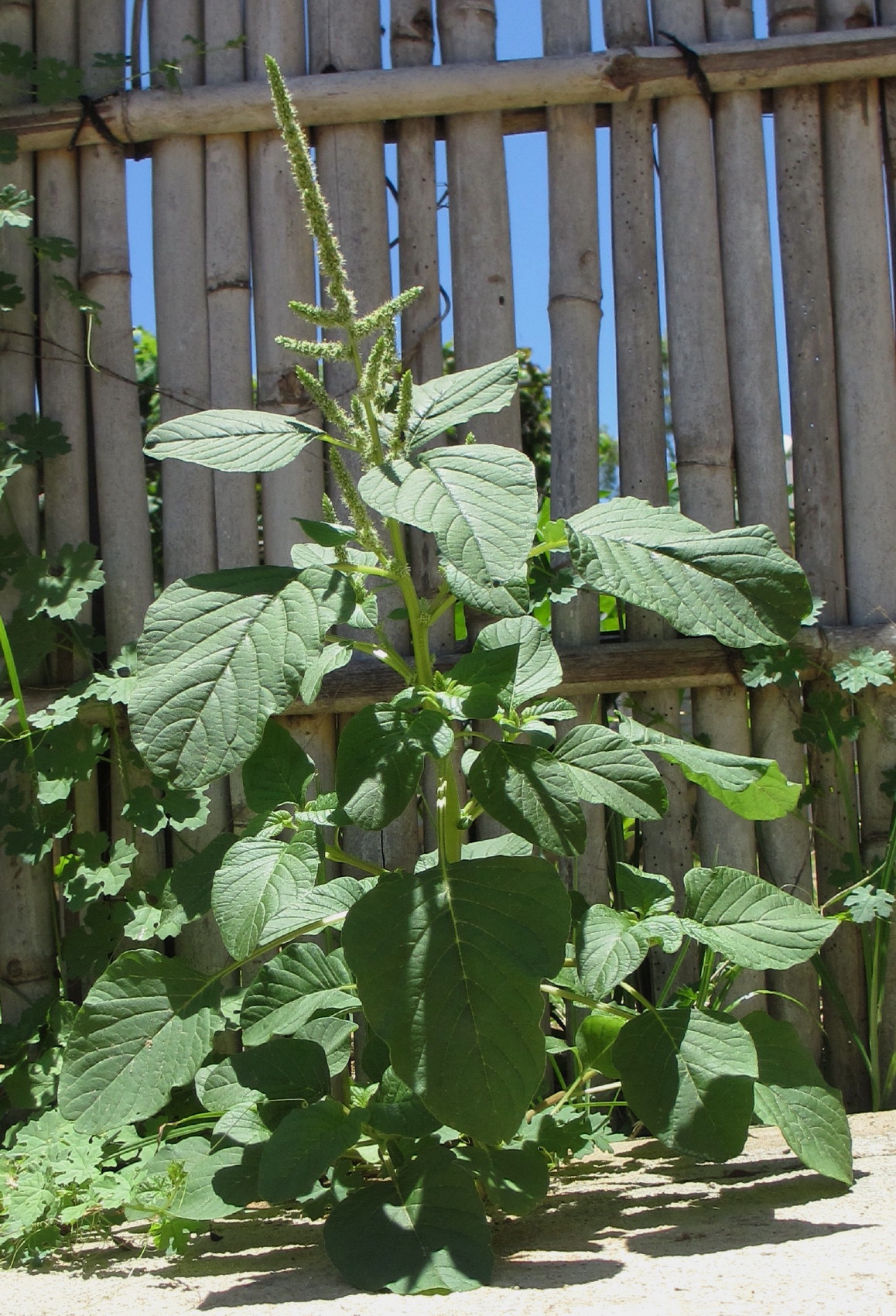
Purple amaranth (Amaranthus blitum) is a sprawling annual herb in the amaranth family, native to tropical and warm temperate regions across the globe. It is widely recognised for its tender green leaves and reddish-purple stems, which are harvested for culinary use.
You can grow this leafy crop easily in warm weather, as it reaches harvest size within 6 to 8 weeks of sowing. It thrives in nitrogen-rich soil and requires consistent moisture to prevent premature bolting.
Key Facts
- Type: Edible annual herb
- Harvest: 6-8 weeks from seed
- Sun: Full sun
- Soil: Moist, fertile, well-draining
- Lifecycle: Summer annual
Growing Purple Amaranth in Your Garden
Purple amaranth is a resilient summer crop that fits well into vegetable patches, raised beds, and allotment plots. It suits growers looking for a fast-producing leafy green that withstands summer heat better than standard spinach (Spinacia oleracea). The one rule to get right is seed placement: sow seeds shallowly because they require light to germinate successfully.
You should position your crop in a warm spot that receives at least 6 hours of direct sunlight daily. Space your plants about 20 cm (8 in) apart to allow adequate air circulation between maturing stems.
- Choose a sunny patch with loose, crumbly earth
- Clear away perennial weeds before direct sowing in spring
- Thin out overcrowded seedlings once they reach 10 cm (4 in) tall
How to Identify Purple Amaranth
Purple amaranth grows as an erect or sprawling annual, typically reaching 30 to 80 cm (12 to 31 in) in height. The stems are often tinged with purple or magenta, branching generously from the base. The alternate leaves are ovate to rhombic-ovate, featuring notched tips and a smooth margin.
Flowers appear in dense, axillary and terminal clusters that lack petals but feature small, greenish or reddish sepals. These clusters develop into tiny, compressed capsules containing single, shiny black seeds measuring about 1 mm across. The root system consists of a short, pale taproot supported by fibrous lateral roots.
Ideal Growing Conditions
Purple amaranth thrives when provided with warm temperatures and fertile soil containing plenty of organic matter. It performs best when daytime temperatures stay between 21 to 32 °C (70 to 90 °5). Frost will kill the plant instantly, so you must sow seeds only after all danger of spring frost has passed.
- Maintain a soil pH between 6.0 and 7.5 for optimal nutrient uptake
- Add well-rotted compost to sandy soils to improve moisture retention
- Avoid heavy clay soils that retain excess winter moisture and rot young roots
Sowing Amaranthus blitum Seeds
Sowing amaranthus blitum seeds is straightforward if you wait until soil temperatures reach 18 °C (64 °F) in late spring. Press the fine seeds lightly into the soil surface rather than burying them deep. Germination typically occurs within 7 to 14 days under warm, moist conditions.
- Sow seeds directly outdoors once soil has warmed completely
- Keep the seedbed evenly damp using a fine mist spray
- Cover rows with fleece temporarily if an unexpected cold snap strikes
Care and Water Requirements
Purple amaranth demands moderate moisture throughout its active growing season to maintain tender leaf production. Water your plants deeply once a week during dry spells, delivering roughly 2.5 cm (1 in) of water. Avoid overhead watering late in the evening to prevent fungal leaf spots from developing on the dense foliage.
- Apply organic mulch around the base to conserve soil moisture
- Feed plants once a month with a balanced liquid organic fertilizer
- Pinch out the growing tips early on to encourage a bushier plant habit
Harvesting Leaves and Seeds
You can harvest purple amaranth leaves continuously by snipping off individual outer stems once the plant reaches 20 cm (8 in) tall. Alternatively, harvest the entire plant by cutting it near ground level after 8 weeks. Regular harvesting prevents the plant from flowering too early and keeps the foliage tender.
- Pick leaves in the morning when they are crisp and fully hydrated
- Snip tender shoot tips to promote branching and new leaf growth
- Collect mature black seeds in paper bags by shaking dry seed heads
Culinary Uses and Nutrition
Purple amaranth is a versatile green vegetable used extensively in tropical and subtropical cuisines. The leaves and tender stems taste earthy and mild, resembling Swiss chard (Beta vulgaris subsp. cicla) or spinach. You can steam, boil, or sauté the greens with garlic and oil, or add them directly to soups and stews.
Nutritionally, amaranth leaves supply notable amounts of dietary fibre, vitamin C, calcium, and iron. Traditional herbal systems also utilize various plant parts for soothing minor digestive complaints or poultices, though modern clinical validation remains limited.
Common Pests and Troubleshooting
Purple amaranth is generally resilient, but certain pests and environmental conditions can occasionally impact your harvest. Slugs and flea beetles frequently target young seedlings during damp spring weather. Root rot may occur if the plant sits in stagnant water for prolonged periods.
- Handpick flea beetles or apply neem oil to control minor leaf damage
- Install copper tape around garden beds to deter slug incursions
- Improve garden drainage immediately if lower leaves turn yellow and drop
Storage and Preservation
Freshly harvested purple amaranth leaves spoil quickly at room temperature and require prompt storage. Place unwashed leaves inside a perforated plastic bag inside your refrigerator crisper drawer, where they remain fresh for up to 3 days. For long-term storage, you can blanch the greens in boiling water for 2 minutes, plunge them into ice water, drain thoroughly, and freeze them in airtight containers.
Purple Amaranth Through the Seasons
| Spring | Prepare garden beds by digging in aged compost. Direct sow seeds after soil temperatures pass 18 °C (64 °F). |
|---|---|
| Summer | Water deeply during dry spells. Harvest outer leaves regularly to encourage continuous soft growth and prevent bolting. |
| Autumn | Allow final flower heads to dry out if you want to collect seeds for next year. Clear spent plants before winter frosts. |
| Winter | Keep garden beds clean of debris. Plan crop rotation schedules for the upcoming spring sowing season. |
Troubleshooting Purple Amaranth Growth Issues
| What you see | Likely cause | What to do |
|---|---|---|
| Holes chewed in young leaves | Flea beetles or caterpillars | Dust foliage with organic diatomaceous earth or apply neem oil. |
| Stems turning woody and bitter | Plant has bolted due to heat or drought | Harvest young shoots earlier and increase watering frequency. |
| Yellow lower leaves | Nitrogen deficiency or overwatering | Apply a balanced organic liquid feed and ensure soil drains freely. |
Popular Amaranthus blitum Cultivars
- ‘Green Leaf’ – bright green foliage without purple pigmentation
- ‘Red Leaf’ – striking deep magenta leaves used for garnishes
Frequently Asked Questions
Is amaranth blitum edible?
Yes, amaranth blitum is entirely edible, with both the leaves and tender stems consumed raw in salads or cooked like spinach.
What are the health benefits of amaranth blitum?
Amaranth blitum provides dietary fibre, essential minerals like iron and calcium, and vitamins that support general nutrition.
How do you grow amaranth blitum from seeds?
Sow amaranthus blitum seeds directly on the soil surface in spring after frost, pressing them down lightly because they need light to germinate.
What is the common name for amaranth blitum?
Amaranthus blitum is commonly known as purple amaranth, Guernsey pigweed, livid amaranth, or slender amaranth.
What are the uses of amaranth blitum?
Amaranthus blitum is primarily grown as a leafy green vegetable for culinary dishes, and it also has historical roots in traditional herbal remedies.
Information about traditional or historical uses is provided for educational interest only and is not medical advice. Do not use any plant to treat a condition without speaking to a qualified professional.
Sources & Verification
Taxonomy and distribution are checked against the databases below. Care guidance is written for cultivated species only and reviewed by our editor. How We Build Plant Profiles →
More in Amaranthus

Tumble Pigweed
Amaranthus albus
☀️ Full Sun 💧 Low

Joseph’s Coat
Amaranthus tricolor
☀️ Full Sun 💧 Moderate
Prince’s Feather
Amaranthus hypochondriacus
☀️ Full Sun 💧 Moderate
Green Amaranth
Amaranthus hybridus
Mat Amaranth
Amaranthus blitoides
Spiny Amaranth
Amaranthus spinosus
☀️ Full Sun 💧 Moderate