Amaranthus Species: Identification, Cultivation, and Care
12 plant profiles · Learn how to identify and cultivate Amaranthus species, from ornamental love-lies-bleeding to grain crops and wild pigweeds.
The genus Amaranthus comprises fast-growing annual plants native primarily to tropical and temperate regions of the Americas and Africa. Members of this family share upright or prostrate flowering stalks, wind-pollinated flowers grouped into dense spikes, and small, shiny seeds high in protein. Cultivators divide the group into decorative landscape annuals, grain crops, and agricultural weeds that tolerate dry soil and heat above 25 °C (77 °F).
When selecting an amaranth, choose based on visual habit and intended site. Ornamental types like love-lies-bleeding (Amaranthus caudatus) produce drooping tassel inflorescences reaching up to 45 cm (18 in) long, while Joseph’s coat (Amaranthus tricolor) is grown for yellow, red, and green foliage. Grain and leafy crop species including prince’s feather (Amaranthus hypochondriacus) and red amaranth (Amaranthus cruentus) yield dense terminal flower heads and edible seed heads harvestable in late summer.
Wild and opportunistic species require careful management in garden plots. Weedy species like green amaranth (Amaranthus hybridus), tumble pigweed (Amaranthus albus), and spiny amaranth (Amaranthus spinosus) spread rapidly via seed production, with single plants yielding over 100,000 seeds per season. All species perform best in full sun, requiring 6 to 8 hours of direct light daily and well-draining soil with a pH between 6.0 and 7.5.
Green Amaranth
Amaranthus hybridus

Joseph’s Coat
Amaranthus tricolor
☀️ Full Sun 💧 Moderate

Love-Lies-Bleeding
Amaranthus caudatus
☀️ Full Sun 💧 Moderate
Mat Amaranth
Amaranthus blitoides
Prince’s Feather
Amaranthus hypochondriacus
☀️ Full Sun 💧 Moderate
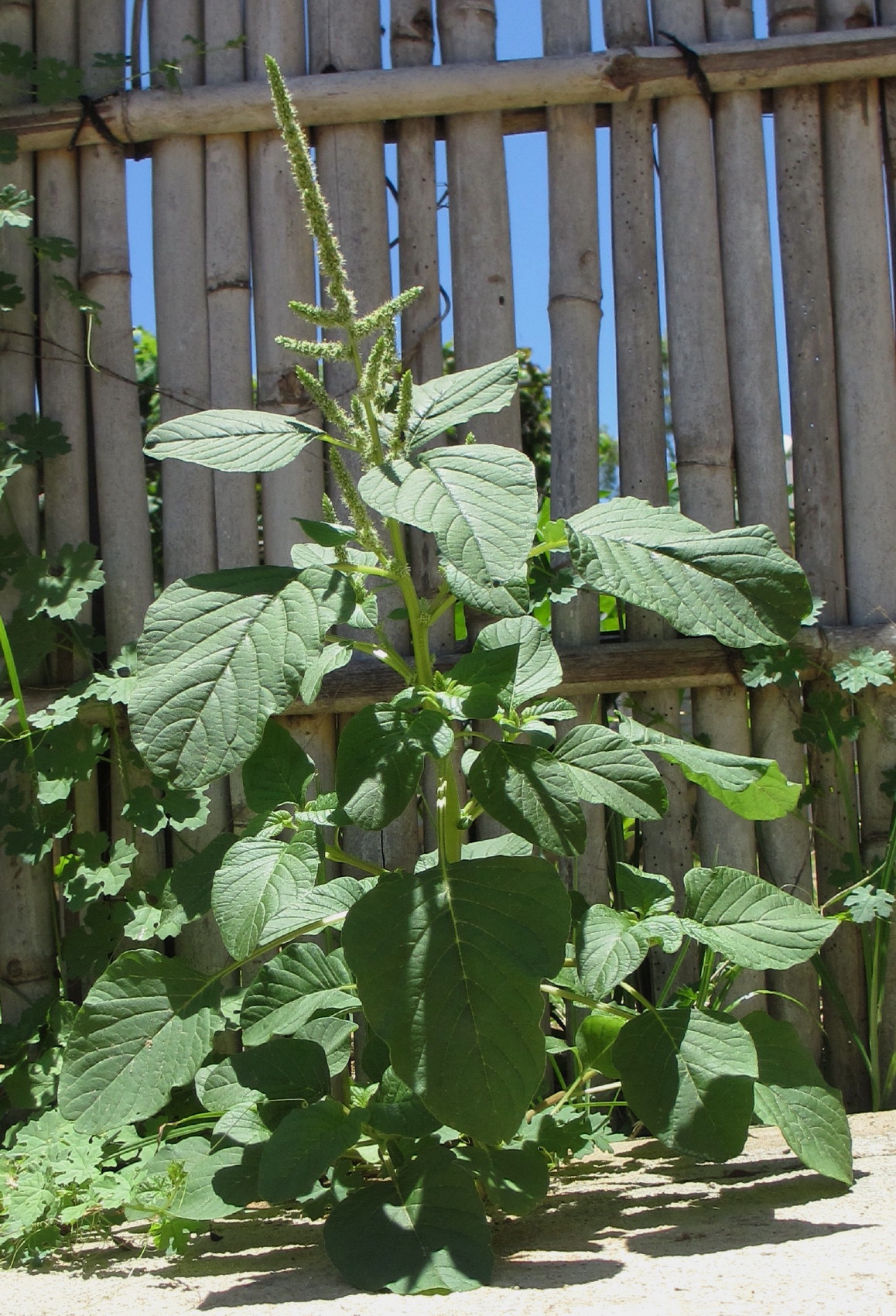
Purple Amaranth
Amaranthus blitum
☀️ Full Sun 💧 Moderate

Red Amaranth
Amaranthus cruentus
☀️ Full Sun 💧 Moderate

Slender Amaranth
Amaranthus viridis
☀️ Full Sun 💧 Moderate
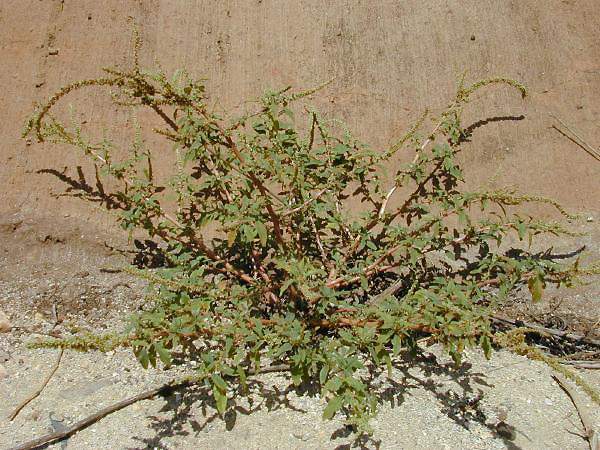
Spiny Amaranth
Amaranthus spinosus
☀️ Full Sun 💧 Moderate

Spleen Amaranth
Amaranthus dubius
☀️ Full Sun 💧 Moderate

Thunberg’s Amaranth
Amaranthus thunbergii
☀️ Full Sun 💧 Moderate

Tumble Pigweed
Amaranthus albus
☀️ Full Sun 💧 Low
Common Questions
Is amaranth easy to grow from seed?
Amaranthus seeds germinate quickly in 3 to 14 days when soil temperatures reach 20–24 °C (68–75 °F). Direct-sow seeds 0.6 cm (0.25 in) deep in warm soil after the final spring frost.
Are all Amaranthus species edible?
Many Amaranthus species have edible leaves and seeds, but wild species grown in nitrogen-rich soils accumulate high levels of nitrates and oxalates. Always verify species identity and avoid harvesting plants growing near agricultural runoff or treated roadsides.
How much sun does Amaranthus need?
Amaranthus requires at least 6 hours of full direct sunlight each day to build sturdy stems and vivid leaf pigmentation. Plants grown in low light develop floppy stems and dull colors.
Is amaranth toxic to dogs or cats?
Amaranthus species contain soluble calcium oxalates and nitrates, which cause drooling, vomiting, or renal discomfort if pets ingest large quantities of raw foliage. Keep grazing domestic animals away from garden beds.