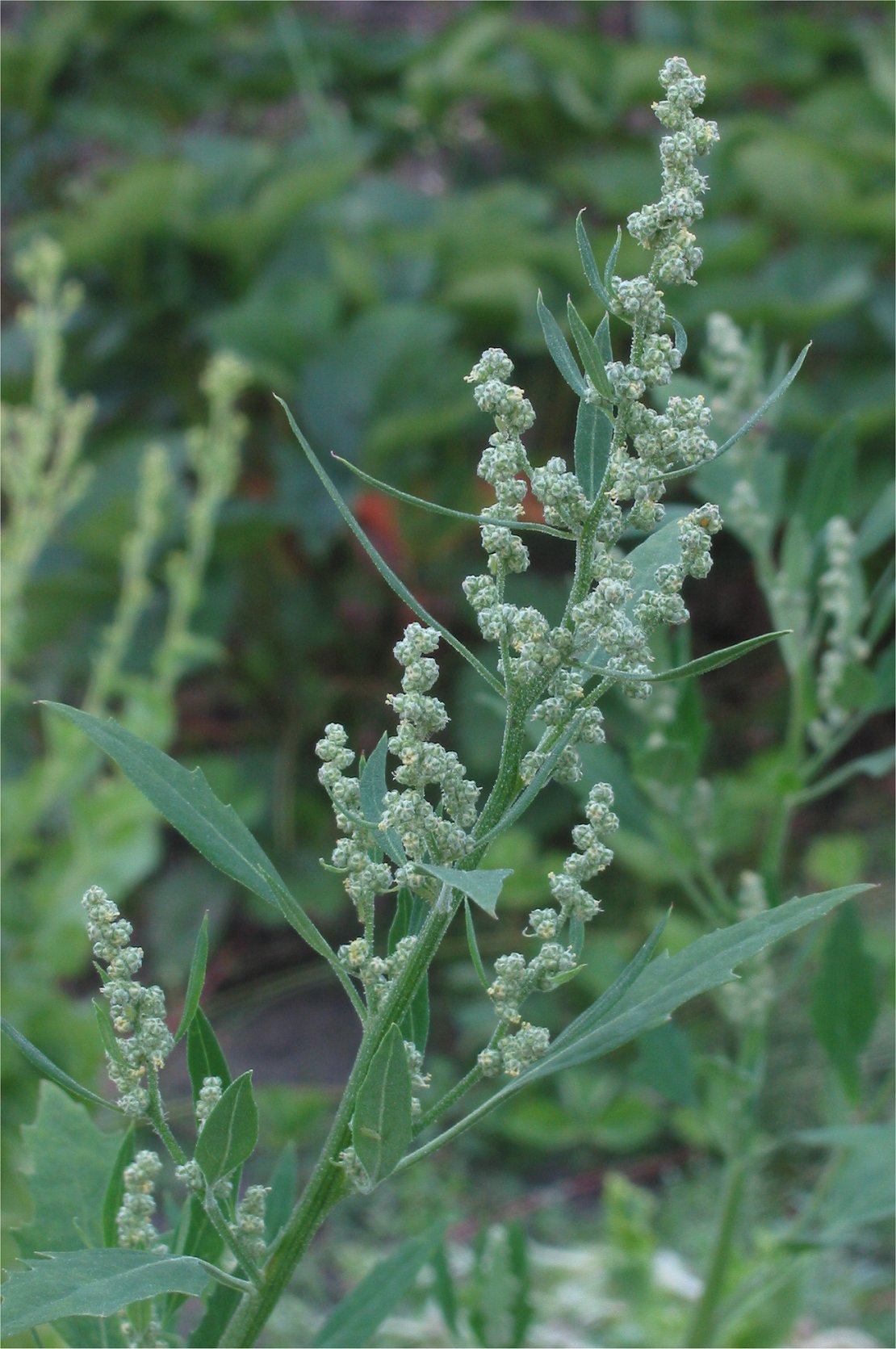
Quinoa (Chenopodium quinoa) is a cool-season annual broadleaf crop native to the Andean highlands of South America, prized for its protein-rich edible seed heads. Botanically related to spinach and beetroot, it produces upright flower panicles packed with disc-shaped grains.
The crop requires 90 to 120 frost-free days with nighttime temperatures below 32 °C (90 °F) to set seed successfully. High summer heat during flowering causes pollen sterility and empty seed heads.
Key Facts
- Type: Annual broadleaf pseudocereal
- Maturity: 90 to 120 days from emergence
- Sunlight: Full sun (6+ hours daily)
- Water: Low to moderate; drought-tolerant once established
- Soil pH: Tolerates 6.0 to 8.5
- Seed harvest: Late summer to autumn before heavy rains
Is Quinoa Right for Your Garden?
Quinoa is an undemanding open-ground crop for temperate zones with cool nights and dry late-summer weather. It fits home vegetable gardens, smallholdings, and allotment plots where space allows for tall, leafy stems.
Because it grows up to 2 m (6.5 ft) tall, you must allocate a dedicated bed where it will not shade smaller vegetables like lettuce or radishes. A block of 10 to 12 plants yields roughly 1 kg (2.2 lb) of cleaned grain.
This plant is not suited to hot, humid subtropical lowlands. Extreme heat above 35 °C (95 °F) during the flowering period halts fertilization, leaving you with leafy growth but empty chaff.
How to Identify Quinoa Plants
Quinoa forms a thick, central woody stem topped with dense, branched floral panicles ranging from pale green to brilliant magenta, crimson, or gold. The plant reaches between 1 m and 2.5 m (3.3 to 8.2 ft) in height at maturity.
Juvenile leaves are alternate, triangular to ovate with lobed or wavy margins, resembling common lamb’s quarters (Chenopodium album). The undersides and growing tips are coated with distinct, calcium oxalate-rich powdery white or pinkish granules called papillae.
Flowers are tiny, petal-less, and clustered tightly along terminal and axillary spikes. Each individual flower produces a single circular, flattened achene fruit measuring 1.5 to 2.5 mm (0.06 to 0.1 in) across, enclosing a white, red, brown, or black seed.
Ideal Soil and Sunlight Conditions
Quinoa requires full sun and light, well-draining soil with a neutral to alkaline pH between 6.0 and 8.5. It tolerates saline and low-fertility ground far better than standard cereal crops.
Heavy clay retains excessive moisture, which triggers root rot and damping-off in seedlings. If your soil is dense, improve structure before planting by blending coarse grit and mature compost into the top 20 cm (8 in).
High nitrogen levels encourage lush foliage at the expense of seed cluster density. Avoid applying fresh manures or high-nitrogen fertilizers to the bed.
How to Sow Quinoa Seeds
Direct-sow seeds outdoors in early spring when soil temperatures reach 7 to 10 °C (45 to 50 °F), roughly around the date of the last spring frost. Seeds germinate rapidly within 3 to 6 days under moist conditions.
Follow these steps to establish a healthy crop:
- Rake the seedbed until the soil has a fine, crumbly tilth.
- Sow seeds shallowly at a depth of 5 to 10 mm (0.25 to 0.4 in).
- Space rows 45 to 60 cm (18 to 24 in) apart.
- Water lightly with a fine spray to avoid displacing shallow seeds.
- Thin emerging seedlings to 25 to 35 cm (10 to 14 in) apart once they reach 10 cm (4 in) tall.
Watering and Routine Quinoa Care
Water quinoa only when the top 5 cm (2 in) of soil is completely dry during early development. Once plants reach 30 cm (12 in) tall, their taproots access subsoil moisture, making them exceptionally drought-resistant.
Hand-weed the rows diligently during the first four weeks. Quinoa seedlings closely resemble wild pigweed (Amaranthus retroflexus) and lamb’s quarters, so mark your seeded lines clearly to avoid accidental weeding.
After the canopy closes at midsummer, the broad leaves shade out competing weeds naturally. Staking is rarely required unless your site experiences gale-force winds while seed heads are heavily laden in late summer.
How and When to Harvest Quinoa
Harvest seed heads in late summer or early autumn when foliage turns yellow or drops and seeds resist denting with a fingernail. The seed panicles must be harvested during dry weather before autumnal rains set in.
Moisture on ripe heads can trigger pre-harvest germination directly on the stalk. If rain threatens fully ripe plants, cut entire stems and hang them upside down in an airy, dry shed.
Follow this threshing and processing routine:
- Cut seed heads with clean pruning shears, leaving 15 cm (6 in) of stem.
- Strip the dry clusters by hand into a clean bucket or rub them over a coarse mesh screen.
- Winnow the seeds outdoors on a breezy day by pouring them between two containers to blow away dried chaff.
- Rinse the harvested grain thoroughly in multiple changes of cold water to strip bitter surface saponins, then dry completely on trays.
Cooking, Leaves and Nutrition Facts
Quinoa provides a complete plant protein profile containing all nine essential amino acids alongside high concentrations of magnesium, iron, potassium, and dietary fibre. A 100 g (3.5 oz) serving of cooked grain delivers roughly 4.4 g of protein and 120 calories.
Young tender leaves harvested before flowering taste similar to garden spinach (Spinacia oleracea) and can be steamed, sautéed with garlic, or added raw to salads. Do not strip more than one-third of the foliage from any single plant to ensure full seed development.
The rinsed seeds cook identically to white rice using a 1:2 ratio of grain to liquid. Simmer covered for 15 minutes until the germ rings unfurl, then rest off the heat for 5 minutes before fluffing with a fork.
Common Pests and Plant Problems
The most frequent problem on quinoa is leaf miner damage visible as serpentine white tunnels across the foliage. Control small infestations by hand-picking affected leaves before larvae drop to the soil.
Keep an eye out for these field issues:
- Aphids: Congregate on tender shoot tips; dislodge with a sharp jet of water or insecticidal soap.
- Flea beetles: Chew tiny shot-holes in spring seedlings; protect emerging crops with floating row covers.
- Downy mildew (Peronospora variabilis): Causes pale leaf blotches and grey fungal felt during damp, cool spells; ensure wide plant spacing to improve airflow.
- Seed rot: Occurs when rains fall during seed maturation; harvest early and dry under cover.
Drying and Storing Quinoa Grain
Store cleaned quinoa grain at a moisture content below 10 percent in airtight glass jars kept in a cool, dark cupboard. Properly dried grain retains its germination viability and culinary quality for up to three years.
Never pack seeds into sealed containers while they retain residual field dampness. Spread winnowed seeds across baking sheets lined with parchment paper in an airy room at 20 to 25 °C (68 to 77 °F) for 3 to 5 days before final packaging.
If you have rinsed the saponins off your grain prior to storage, ensure the seeds are completely redried before jar sealing. Alternatively, store unwashed grain in airtight jars and wash saponins away right before cooking.
Frequently Asked Questions
What are the primary quinoa nutrition facts?
One cooked cup of quinoa (about 185 g) provides roughly 8 g of complete protein, 5 g of dietary fibre, and 39 g of complex carbohydrates. It is naturally gluten-free and contains notable amounts of magnesium, phosphorus, folate, and iron.
How to cook quinoa like rice?
Rinse 1 cup of quinoa in a fine-mesh sieve under cold running water, then combine it with 2 cups of water or broth and a pinch of salt in a saucepan. Bring to a boil, reduce heat to low, cover, and simmer for 15 minutes until liquid is absorbed, then rest for 5 minutes and fluff.
Can you grow quinoa in a container?
Yes, but you need a pot with a minimum depth and diameter of 30 cm (12 in) per individual plant. Container-grown plants dry out quickly, so monitor soil moisture daily once plants exceed 1 m (3.3 ft) in height.
Why do quinoa seeds taste bitter?
Quinoa seeds produce a natural outer coating of saponins that deters birds and insects with a bitter taste. Rinsing the raw seeds vigorously in a fine colander under cold running water removes this coating prior to cooking.
Can you eat quinoa greens?
Yes, young quinoa leaves harvested before the plant flowers are edible and taste similar to chard or spinach. Harvest only the top leaves in early summer, leaving the main stem intact to produce seed heads.
Sources & Verification
Taxonomy and distribution are checked against the databases below. Care guidance is written for cultivated species only and reviewed by our editor. How We Build Plant Profiles →