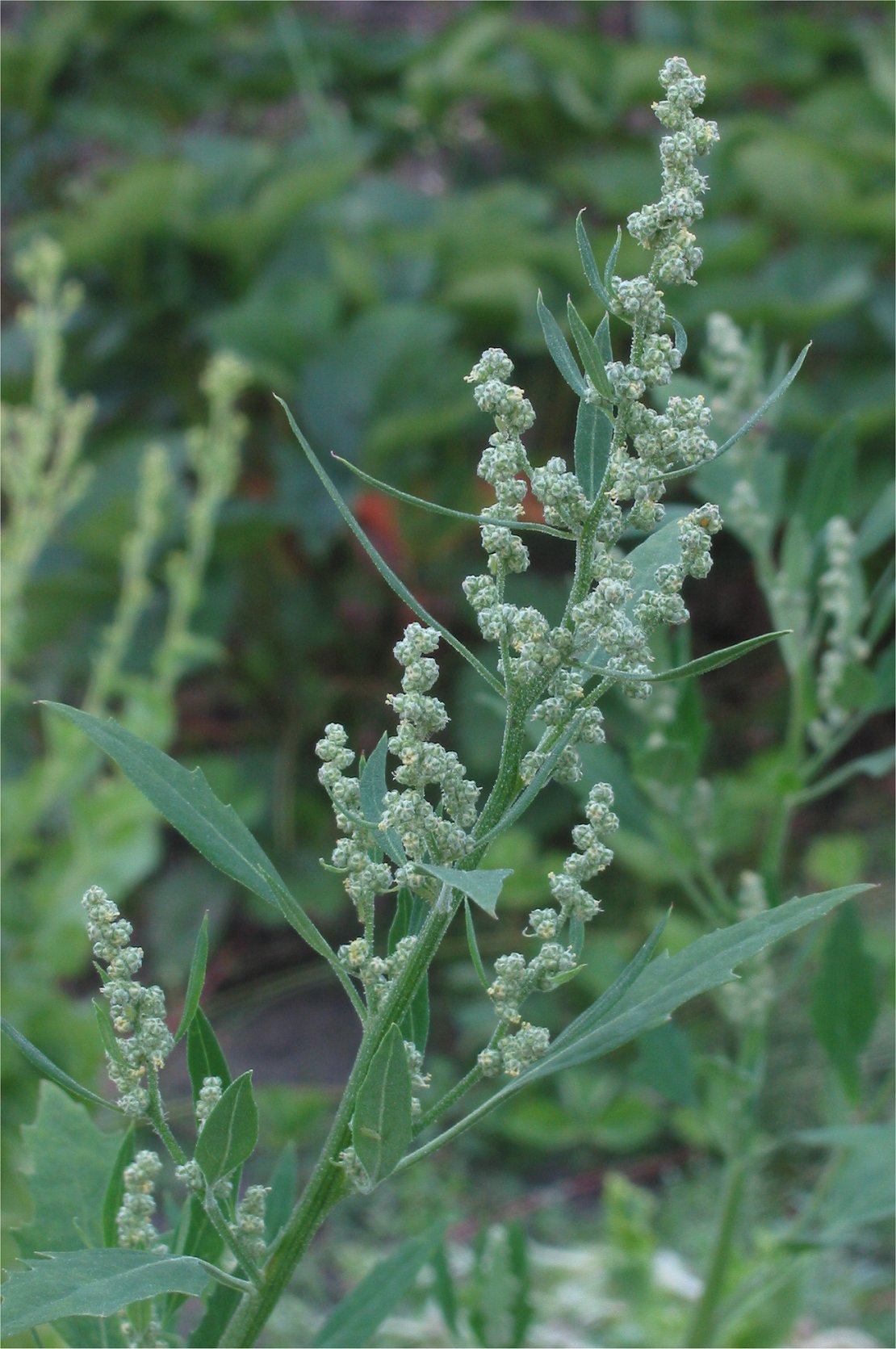
Chenopodium vulvaria is an annual herbaceous plant in the Amaranthaceae family, widely recognised for its potent, fish-like scent when touched. It typically colonises nitrogen-rich disturbed ground and is found across Mediterranean, European, and western Asian landscapes.
You will most easily find this plant growing on bare, compacted soil or near historical dung heaps. It is not a plant you would invite into a garden, as its scent is often described as overwhelming and unpleasant.
Key Facts
- Type: Annual herb
- Scent: Strong, fish-like odour
- Habitat: Disturbed, nitrogen-rich soil
- Native Range: Southern Europe and western Asia
Why Is It Called the Fish Guts Plant
The common name Fish Guts Plant stems from the chemical composition of the plant, specifically the presence of trimethylamine, which creates an intense odour similar to decaying fish.
This scent is a defensive adaptation designed to deter herbivores from consuming the leaves. When you brush against the foliage, the plant releases these volatile compounds instantly. The smell is particularly noticeable on warm, humid days or when the plant is physically damaged.
How to Identify Stinking Goosefoot
You can identify Chenopodium vulvaria by its small, mealy, greyish-green leaves and its prostrate or ascending growth habit.
- Leaves are rhombic-ovate in shape with entire margins.
- The entire plant is covered in a fine, granular, mealy pubescence.
- Flowers are tiny, greenish, and clustered in dense axillary spikes.
- Mature plants typically reach a height of 10-50 cm (4-20 in).
The stems are often branched from the base, forming a low, sprawling mat. Unlike other members of the genus, its weak, unshowy structure makes it blend into waste ground easily.
Where Does Stinking Goosefoot Grow
Stinking Goosefoot thrives in disturbed, nitrogen-rich habitats such as coastal areas, farmyards, and rubbish tips.
It is native to southern Europe and western Asia but has naturalised in many temperate regions worldwide. It is a pioneer species that excels at colonising bare ground where competition from taller vegetation is low. You will frequently find it near human settlements where soil compaction and high nutrient levels exist.
Is Stinking Goosefoot Used in Medicine
Stinking Goosefoot was traditionally used in European herbal medicine as an antispasmodic and emmenagogue.
Historical texts often mention the use of the dried leaves in infusions to address nervous conditions or female health complaints. Due to its intense odour and the prevalence of more effective modern alternatives, these practices are rare today. Never ingest wild plants without professional guidance, as the chemical compounds in this species have not been thoroughly studied for modern safety.
Is Stinking Goosefoot the Same as Fish Fertilizer
No, Stinking Goosefoot is not a source of fish fertilizer, and the two are entirely unrelated despite the common name.
People often search for this plant because they confuse the name with organic fish-based fertilizers used for tomatoes and garden crops. Using this plant in your garden will not provide the nitrogen or phosphorus benefits associated with commercial fish emulsion. If you are looking for fertilizer, stick to products derived from actual fish byproducts, not this foul-smelling wild weed.
Similar Species to Stinking Goosefoot
You might confuse this plant with other common goosefoots, such as Common Orache (Atriplex patula) or Fat Hen (Chenopodium album).
- Common Orache: Lacks the strong, distinctive fishy odour found in Stinking Goosefoot.
- Fat Hen: Taller and more robust, often reaching 1 m (3 ft) in height.
- Many-seeded Goosefoot: Has different leaf morphology and lacks the mealy, greyish coating.
The most reliable way to distinguish Stinking Goosefoot is the presence of its pungent scent when the leaves are crushed. Other goosefoot species generally lack this specific, unpleasant chemical signal.
Frequently Asked Questions
Are fish guts good for plants?
Yes, fish guts can be used as a nitrogen-rich soil amendment, but they are completely different from the plant known as the Fish Guts Plant.
Can you eat Stinking Goosefoot?
While some historical sources mention it in traditional contexts, it is not considered an edible crop due to its strong, unpleasant taste and odour.
Does Stinking Goosefoot benefit the garden?
It generally acts as a weed in disturbed ground and provides no specific benefit to garden plants or soil fertility.
Why does my plant smell like fish?
If your plant smells like fish, it is likely Chenopodium vulvaria, which releases trimethylamine as a natural deterrent against herbivores.
Information about traditional or historical uses is provided for educational interest only and is not medical advice. Do not use any plant to treat a condition without speaking to a qualified professional.
Sources & Verification
Taxonomy and distribution are checked against the databases below. Care guidance is written for cultivated species only and reviewed by our editor. How We Build Plant Profiles →