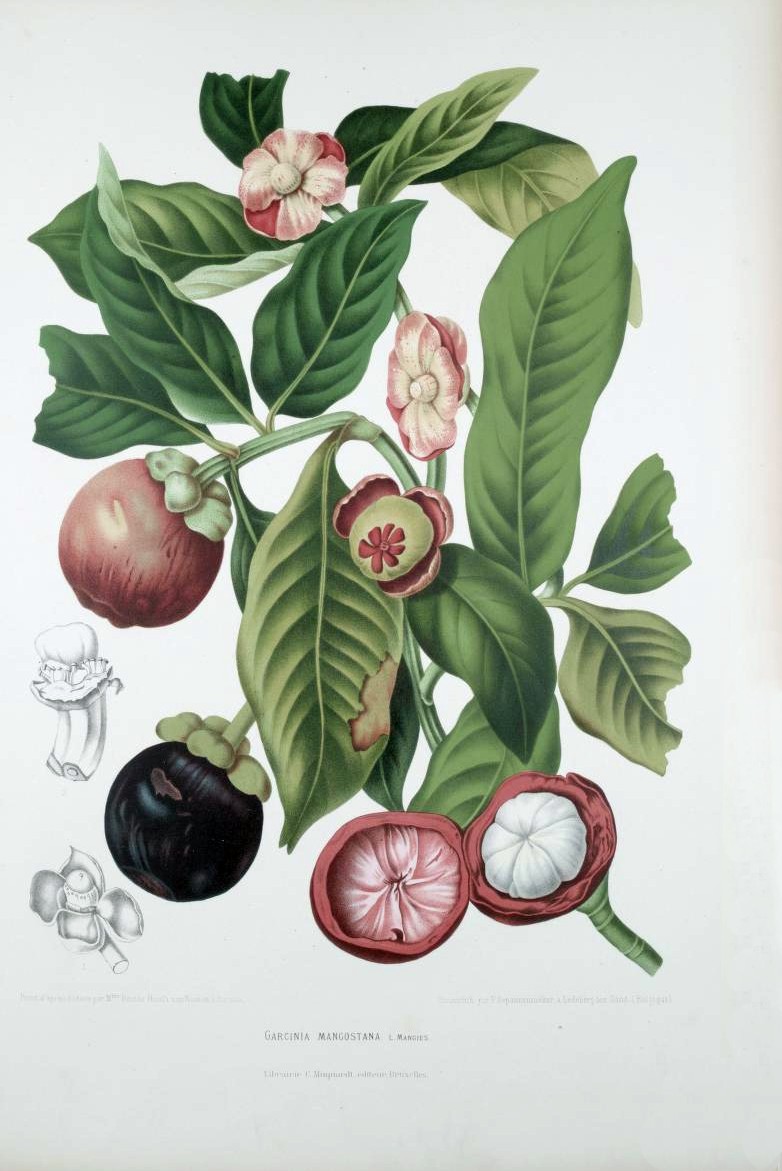
Yellow Mangosteen is a medium-sized evergreen tree native to the humid rainforests of Southeast Asia and Northern Australia, known scientifically as Garcinia dulcis. It is characterized by its pyramidal growth habit and the production of globe-shaped, bright yellow fruits that contain a soft, acidic pulp.
While it belongs to the same genus as the mangosteen (Garcinia mangostana), this species is significantly more tolerant of diverse soil conditions but remains highly sensitive to cold. The tree provides dense shade and is frequently found in village home gardens across Indonesia, Thailand, and the Philippines.
Key Facts
- Water: Needs consistent moisture; do not let soil dry out
- Light: Full sun for mature trees; partial shade for saplings
- Temperature: Minimum threshold of 10 °C (50 °F) for safety
- Fruit: Harvest when skin turns a deep, uniform yellow
- Soil: Prefers acidic, well-draining loamy soils
Is Yellow Mangosteen Right for Your Garden?
Yellow Mangosteen is a tree for tropical or subtropical climates where frost is entirely absent. It suits large gardens with deep, fertile soil and high humidity. You must provide a space at least 6 m (20 ft) wide to accommodate its spreading canopy as it matures.
Because it is an evergreen, it provides year-round privacy and shade. However, it is not suitable for small containers or indoor growth long-term due to its deep taproot. It is a good choice for coastal regions provided it is sheltered from direct, salt-heavy winds.
How to Identify Garcinia dulcis
Look for opposite, leathery leaves that are dark green and glossy, measuring 10-30 cm (4-12 in) long. The bark is grey-brown and contains a distinctive yellow latex that oozes when the stem is cut. Small, creamy-yellow flowers appear in clusters along the branches twice a year.
The fruit is a globose or slightly flattened berry, 5-8 cm (2-3 in) wide. It transitions from green to a bright, waxy yellow or orange when ripe. Inside, the pulp is yellow and surrounds 1-5 large brown seeds, which are also characteristic of the genus.
Mature Size and Growth Habit
A mature tree typically reaches 8 to 15 m (26 to 49 ft) in height. In its native rainforest habitat, it can occasionally grow taller, but cultivated specimens usually stay smaller and more compact. The growth habit is naturally symmetrical and pyramidal when young, becoming more rounded with age.
The growth rate is moderate, adding roughly 30-50 cm (12-20 in) of height per year under ideal conditions. To manage size, you can prune the central leader, but this may affect fruit production. The spread of the tree can reach up to 8 m (26 ft) in older specimens.
Selecting the Best Planting Site
Choose a position in full sun with protection from strong, drying winds. The soil must be acidic to neutral, ideally with a pH between 5.5 and 6.5. Avoid alkaline or limestone-heavy soils, which can lead to leaf yellowing and poor vigor.
The site must have excellent drainage, as the tree will not tolerate standing water for extended periods. However, it requires more water than the average garden tree, so a location near a water source is beneficial. Ensure there are no underground pipes nearby that the deep roots could interfere with.
How to Plant a Mundu Tree
Dig a hole twice as wide as the root ball and just as deep to encourage lateral root growth. Incorporate well-rotted compost or aged manure into the backfill to provide initial nutrients and improve moisture retention. Space multiple trees at least 8 m (26 ft) apart to prevent canopy overlap.
- Remove the sapling carefully from its pot to avoid disturbing the taproot.
- Place the tree so the soil line matches the depth it was in the container.
- Water deeply immediately after planting to settle the soil.
- Apply a 10 cm (4 in) layer of wood chip mulch around the base, keeping it away from the trunk.
Watering and Feeding Requirements
Water the tree two to three times a week during the first two years of establishment. Mature trees need deep watering during dry periods to prevent fruit drop and leaf scorch. If the top 5 cm (2 in) of soil feels dry, it is time to irrigate.
Apply a balanced NPK fertilizer (such as 10-10-10) every three months during the active growing season. For older trees, a fertilizer higher in potassium can help improve fruit sweetness and yield. Avoid high-nitrogen fertilizers in late autumn, as this can stimulate soft growth that is vulnerable to winter cool spells.
Pruning for Fruit and Shape
Prune in late winter or early spring to remove dead wood and maintain a manageable height for harvesting. Thin out crowded internal branches to allow light to reach the center of the canopy. This helps reduce the risk of fungal infections and improves the ripening process of the fruit.
Always use sharp, sterilized bypass pruners to avoid tearing the bark. If you are growing the tree for fruit, avoid heavy structural pruning, as the flowers often form on older wood. Remove any suckers that grow from the base of the trunk to direct energy toward the main canopy.
Common Pests and Growth Problems
The most common issue is scale insects, which appear as small, stationary bumps on the undersides of leaves. These pests secrete honeydew, which often leads to the growth of black sooty mold. You can manage minor infestations by wiping leaves with soapy water or applying horticultural oil.
- Fruit flies: Lay eggs in ripening fruit; use pheromone traps to monitor.
- Leaf miners: Create silvery trails in foliage; prune affected leaves.
- Iron chlorosis: Yellow leaves with green veins; usually caused by high soil pH.
- Root rot: Caused by overwatering or poor drainage; leaves will wilt and turn brown.
Winter Protection and Cold Tolerance
Maintain a minimum temperature of 10 °C (50 °F) to prevent physiological stress. If a brief cold snap is predicted in marginal zones, wrap the trunk of young trees in burlap and apply a thick layer of mulch. Extended exposure to temperatures below 5 °C (41 °F) will cause significant leaf loss.
The tree will likely die if exposed to freezing temperatures (0 °C / 32 °F) for more than an hour. In cooler climates, Mundu is best grown in a large, heated conservatory. Reduce watering during the winter months, but do not allow the root ball to dry out completely.
Traditional Uses and Fruit Harvest
Harvest the fruit when the skin is completely yellow, as under-ripe fruit is unpleasantly astringent. The pulp is traditionally used in jams, curries, and drinks due to its high citric acid content. It has a flavor profile that sits between a sour mangosteen and a tart peach.
In Southeast Asian folk medicine, the bark and seeds were traditionally used to treat skin conditions and digestive upsets. The yellow latex from the bark was once used as a dye for fabrics. The wood is occasionally used for small construction tasks, though it is not a primary timber species.
Year-Round Care for Yellow Mangosteen
| Spring | Apply a balanced slow-release fertilizer and refresh the mulch layer to 10 cm (4 in). Prune away any dead or crossing branches before the first flowering flush. |
|---|---|
| Summer | Check soil moisture daily and water deeply during dry spells. Monitor for scale insects and fruit fly activity as the fruit begins to swell. |
| Autumn | Harvest ripe fruits when they turn bright yellow. Reduce fertilizer applications as the growth rate slows down toward the end of the season. |
| Winter | Protect young trees from cold drafts and maintain a minimum temperature of 10 °C (50 °F). Water sparingly, only when the top soil is dry. |
Yellow Mangosteen Growing Problems
| What you see | Likely cause | What to do |
|---|---|---|
| Yellow leaves with green veins | Iron chlorosis due to high pH | Lower soil pH with elemental sulfur or apply chelated iron. |
| Fruit dropping before ripe | Irregular watering or drought stress | Maintain consistent soil moisture and increase mulching. |
| Black mold on leaves | Sooty mold from scale insects | Treat the underlying scale infestation with neem oil or insecticidal soap. |
Frequently Asked Questions
What does Garcinia dulcis fruit taste like?
The fruit has a sour-sweet flavor similar to a mix of peach and citrus. It is much more acidic than the common mangosteen and is often used in cooking or preserves rather than eaten fresh.
How cold tolerant is Garcinia dulcis?
It has very low cold tolerance and will suffer damage below 5 °C (41 °F). It is strictly a tropical tree and cannot survive frost or freezing conditions.
What are the benefits of Yellow Mangosteen?
The fruit is high in Vitamin C and antioxidants. Traditionally, parts of the tree were used to treat wounds and digestive issues, though these are not modern medical treatments.
How do you grow Garcinia dulcis from seeds?
Seeds must be planted while fresh, as they lose viability quickly. Clean the pulp off and plant in moist, sandy compost; they typically germinate within 2 to 4 weeks at 25 °C (77 °F).
Is Garcinia dulcis the same as False Mangosteen?
No, although both are called yellow mangosteen, the false mangosteen (Garcinia xanthochymus) has more elongated leaves and the fruit usually has a distinct pointed tip.
Information about traditional or historical uses is provided for educational interest only and is not medical advice. Do not use any plant to treat a condition without speaking to a qualified professional.
Sources & Verification
Taxonomy and distribution are checked against the databases below. Care guidance is written for cultivated species only and reviewed by our editor. How We Build Plant Profiles →