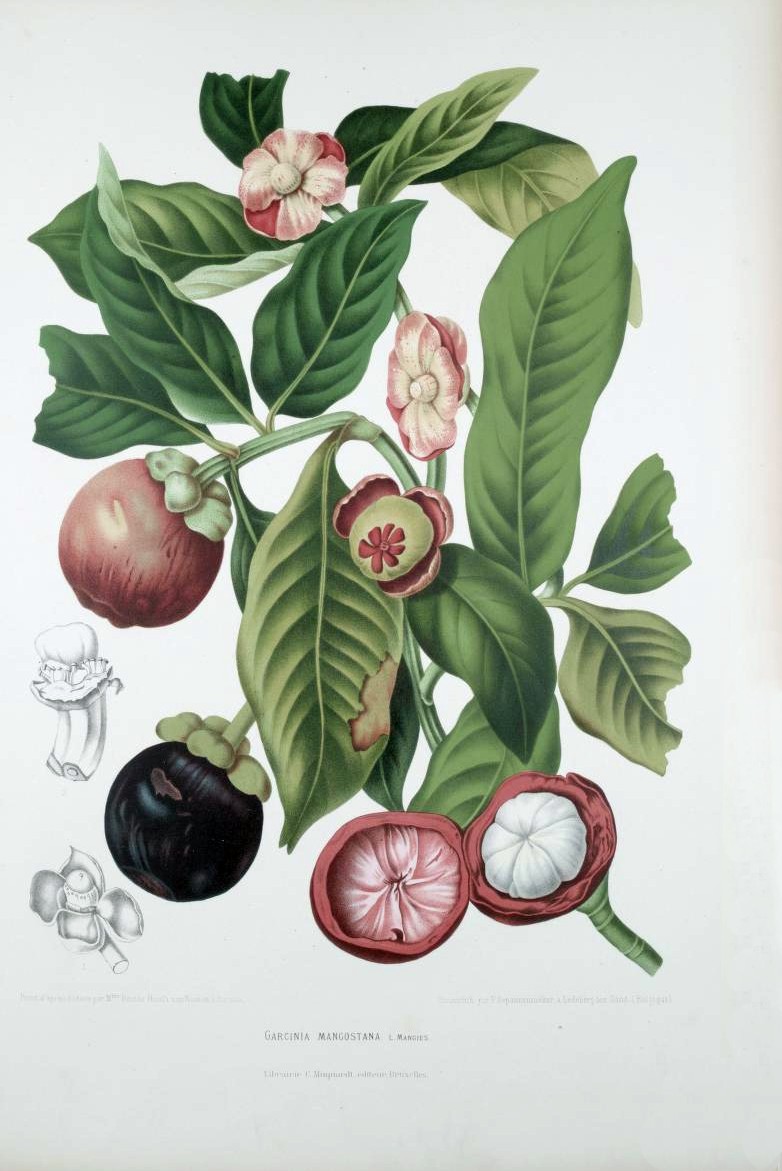
Malabar tamarind (Garcinia gummi-gutta) is a tropical evergreen tree native to the moist forests of southwestern India. It is primarily recognised for its ribbed, green to yellow fruits that resemble miniature pumpkins and possess a distinctly sour taste.
You will need a frost-free, humid tropical climate to establish this tree outdoors. It thrives in high moisture and rich soils, yielding acidic fruits traditionally harvested for culinary preservation and dietary extracts.
Key Facts
- Type: Tropical evergreen tree
- Height: Up to 20 m (65 ft) tall
- Fruit: Pumpkin-shaped, green to yellow
- Hardiness: USDA zones 10-12
- Native Range: India
What Is It Like to Grow Malabar Tamarind
Growing Malabar tamarind requires patience and a genuinely tropical climate with temperatures above 15 °C (59 °F) year-round. This understorey tree fits well into food forests and permaculture orchards situated in frost-free regions. You must commit to providing consistent soil moisture during its establishment years to prevent root stress.
The tree develops a symmetrical, rounded canopy with dark green foliage that provides dense shade. Cultivating this species for its fruit means you will harvest tangy gourds that require curing or drying before kitchen use. It does not tolerate prolonged dry spells or freezing winter conditions.
How to Identify Malabar Tamarind Trees and Fruit
Malabar tamarind is characterised by its dark green, glossy, opposite leaves and a straight trunk with dark bark. The tree reaches a mature height of up to 20 m (65 ft) in its native forest habitat. You can spot mature specimens easily by inspecting the pendulous, ribbed fruits hanging from the branches.
- Leaves: Elliptic to obovate, growing 5-12 cm (2-5 in) long with prominent veins.
- Flowers: Small, yellowish-white clusters appearing in the leaf axils during spring.
- Fruit: 5 cm to 7 cm (2-3 in) wide, featuring 6 to 8 deep vertical grooves.
- Flesh: Contains 6 to 8 large seeds surrounded by an extremely acidic pulp.
How Big Does Garcinia Cambogia Get
Garcinia cambogia grows into a medium-sized evergreen tree reaching 10 to 20 m (33 to 65 ft) tall in optimal forest conditions. Cultivated specimens in open orchards typically remain somewhat smaller, averaging 8 to 12 m (26 to 39 ft) in height. The canopy spreads outwards by 4 to 7 m (13 to 23 ft), forming a dense, rounded crown.
Spacing trees at least 6 m (20 ft) apart in plantation settings prevents canopy overcrowding as they mature. Growth is moderately paced, adding roughly 30 cm to 60 cm (1-2 ft) of vertical height annually when watered adequately.
Ideal Site Conditions for Malabar Tamarind
Malabar tamarind performs best in a planting site that receives full sun to partial shade and high atmospheric humidity. In its natural range of the Western Ghats, it inhabits moist evergreen forests up to 1,800 m (5,910 ft) elevation. You should protect young saplings from harsh midday sun until they establish a sturdy root system.
Air circulation is important to prevent fungal leaf spots, though the site must remain sheltered from high winds that can strip the branches. Lowland and montane tropical zones with high annual rainfall provide the exact environment this species demands.
Planting Malabar Tamarind Saplings
Plant your nursery-grown sapling at the start of the monsoon season to let natural rainfall establish the root system. Dig a hole twice as wide as the root ball and amend heavy clay soils with organic compost to improve drainage. Position the root collar level with the surrounding soil surface.
- Soak the root ball in water for 30 minutes before removing it from the nursery container.
- Backfill the planting hole gently, firming the soil around the base to eliminate air pockets.
- Apply a 5 cm (2 in) layer of organic mulch around the base, keeping it 10 cm (4 in) away from the trunk.
- Water thoroughly immediately after planting, delivering at least 20 litres (5 gallons) of water.
Watering and Feeding Requirements
Malabar tamarind requires regular, deep watering and thrives when the soil remains consistently moist without becoming waterlogged. Mature trees tolerate occasional dry spells, but prolonged drought reduces fruit yield and causes leaf drop. Young trees need weekly irrigation during dry months.
Apply a balanced organic fertiliser formulated for tropical fruit trees three times a year during spring, summer, and autumn. Incorporate well-rotted manure beneath the canopy drip line annually to sustain soil organic matter and support active root expansion.
Pruning and Maintenance
Prune your Malabar tamarind tree once a year during the late dry season before the monsoon flush begins. Remove any dead, diseased, or crossing branches to maintain an open canopy structure that allows light penetration. Keep the main trunk clear of low-growing suckers up to 1.5 m (5 ft) from the ground.
Sanitise your pruning shears with a 70 percent isopropyl alcohol solution between cuts to prevent spreading fungal pathogens. Avoid heavy heading cuts, as the tree recovers best from light, selective branch removal.
Common Problems and Pests
Malabar tamarind suffers few serious pests, but root rot can develop if the soil retains excess water for prolonged periods. Inspect the foliage regularly during humid periods for signs of scale insects or mealybugs. Treat minor infestations immediately with horticultural neem oil spray.
- Root Rot: Caused by poor soil drainage; fix by improving site grading and reducing irrigation frequency.
- Scale Insects: Appear as small brown bumps on stems; wipe away with insecticidal soap.
- Fruit Drop: Triggered by sudden moisture stress or nutrient deficiency; maintain steady watering schedules.
Winter Care for Tropical Trees
Malabar tamarind cannot survive freezing temperatures and requires absolute protection if grown where temperatures drop below 5 °C (41 °F). Move potted specimen trees indoors into a bright greenhouse or conservatory before the first autumn frost arrives. Reduce watering slightly during winter months while keeping indoor humidity above 50 percent.
Outdoor trees in marginal tropical zones benefit from a thick layer of organic straw mulch piled over the root zone to insulate against unexpected cold snaps. Frost cloths should be draped over young specimens if nighttime temperatures dip near freezing.
Uses of Malabar Tamarind Fruit and Wood
Malabar tamarind fruit is traditionally harvested, sun-dried, and used as a souring agent in authentic curries and seafood dishes across South India. The rind contains high concentrations of hydroxycitric acid, which has made garcinia cambogia extract a globally popular dietary supplement marketed for weight loss. The timber is dense and utilized locally for light construction and firewood.
Traditional Ayurvedic practices incorporate various parts of the plant for digestive health and rheumatism. Always consult a qualified medical professional before consuming herbal supplements containing concentrated fruit extracts.
Malabar Tamarind Through the Seasons
| Spring | Apply a balanced organic fertilizer as new growth emerges. Begin regular weekly watering if rainfall is scarce. |
|---|---|
| Summer | Monitor soil moisture closely during peak monsoon or dry spells. Inspect leaves for scale insects and harvest ripening fruits. |
| Autumn | Complete the fruit harvest as fruits turn yellowish. Apply a thick layer of organic mulch to protect roots for the cooler months. |
| Winter | Reduce irrigation frequency for potted trees brought indoors. Protect outdoor specimens with frost cloths if temperatures dip. |
Malabar Tamarind Tree Problems and Quick Fixes
| What you see | Likely cause | What to do |
|---|---|---|
| Yellowing lower leaves | Overwatering or poor soil drainage | Improve site drainage and allow the top 5 cm (2 in) of soil to dry out between watering sessions. |
| Premature fruit drop | Sudden moisture fluctuation or drought stress | Establish a consistent deep watering schedule and apply mulch to retain soil moisture. |
| Sticky residue on leaves | Scale insects or mealybugs feeding | Spray affected foliage thoroughly with organic horticultural neem oil. |
Popular Malabar Tamarind Selections
- ‘Kudampuli’ – traditional high-yielding selection from Kerala with deeply grooved acidic fruit
- ‘Puli’ – regional selection valued for dense foliage and heavy fruit clusters
Frequently Asked Questions
Does garcinia cambogia really work for weight loss?
Clinical studies show that garcinia cambogia produces only small, short-term weight loss differences compared to a placebo. You should view it as a dietary supplement rather than a standalone solution for weight management.
What does garcinia cambogia do in the body?
Garcinia cambogia contains hydroxycitric acid, which laboratory studies suggest may inhibit an enzyme involved in fat synthesis. It is also traditionally believed to help suppress appetite.
Can you grow garcinia cambogia in a pot?
You can grow garcinia cambogia in a large container indoors or in a greenhouse if you live outside USDA zone 10. Prune the tree regularly to maintain a manageable indoor height of 2 m (6.5 ft).
What are the side effects of garcinia cambogia tablets?
Garcinia cambogia supplements can cause mild digestive upset, headaches, and nausea in some users. High doses have also been linked in rare cases to liver toxicity.
Where does the garcinia cambogia plant grow naturally?
Garcinia cambogia grows naturally in the lowland and montane moist evergreen forests of southwestern India. It is commonly found along stream banks within the Western Ghats.
Information about traditional or historical uses is provided for educational interest only and is not medical advice. Do not use any plant to treat a condition without speaking to a qualified professional.
Sources & Verification
Taxonomy and distribution are checked against the databases below. Care guidance is written for cultivated species only and reviewed by our editor. How We Build Plant Profiles →