Orchidaceae Family: Guide to Orchid Species and Care
19 plant profiles · Explore the Orchidaceae family. Learn how to identify, select, and care for popular orchids, from indoor epiphytes to cold-hardy terrestrial species.
The Orchidaceae family includes over 28,000 accepted species across nearly every continent except Antarctica. Members of this family share distinct floral structures, including bilateral symmetry, a modified lower petal called a labellum, and reproductive organs fused into a central column. Most tropical orchids grow as epiphytes anchored to tree bark, while temperate species grow directly in forest soils as terrestrials.
Epiphytic species such as the moth orchid (Phalaenopsis amabilis), noble dendrobium (Dendrobium nobile), and cattleya orchid (Cattleya labiata) require coarse pine bark substrate rather than potting soil. They need relative humidity levels between 50% and 70% and temperature dips of 5 °C (9 °F) at night to initiate flower spikes. Terrestrial cold-hardy species like the queen lady’s slipper (Cypripedium reginae) grow in damp, rich humus across USDA zones 3 to 8, surviving winter temperatures down to -30 °C (-22 °F).
Selecting the right orchid depends on your indoor lighting and available space. The slipper orchid (Paphiopedilum insigne) handles lower light levels near north-facing windows, whereas the vanilla orchid (Vanilla planifolia) develops as a vining epiphyte that needs 2–3 m (6.5–10 ft) of vertical support and consistent ambient warmth above 18 °C (65 °F).

Autumn Lady’s-Tresses
Spiranthes spiralis
☀️ Full Sun 💧 Moderate

Blue Vanda
Vanda coerulea
☀️ Bright Indirect 💧 High

Burnt Orchid
Neotinea ustulata
☀️ Full Sun 💧 Moderate

Cattleya Orchid
Cattleya labiata
☀️ Bright Indirect 💧 Low
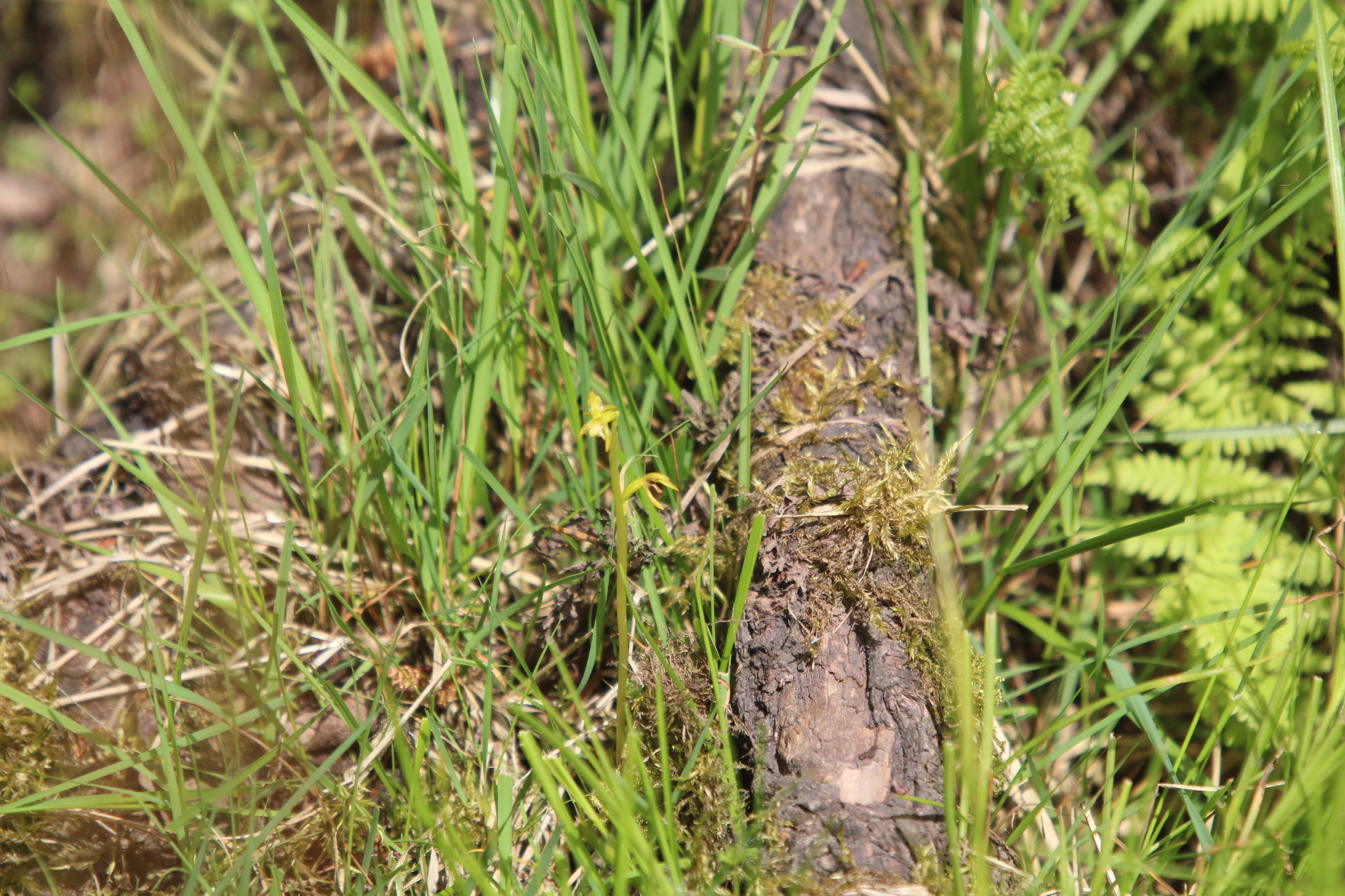
Coralroot Orchid
Corallorhiza trifida
☀️ Partial Shade 💧 High

Crucifix Orchid
Epidendrum radicans
☀️ Full Sun 💧 Moderate
Dancing Lady Orchid
Oncidium sphacelatum
☀️ Bright Indirect 💧 Moderate

Four-Season Orchid
Cymbidium ensifolium
☀️ Bright Indirect 💧 Moderate

Frog Orchid
Dactylorhiza viridis

Green-Winged Orchid
Anacamptis morio
☀️ Full Sun 💧 Low

Heartleaf Twayblade
Neottia cordata

Lawn Orchid
Zeuxine strateumatica

Moth Orchid
Phalaenopsis amabilis
☀️ Bright Indirect 💧 Low

Noble Dendrobium Orchid
Dendrobium nobile
☀️ Bright Indirect 💧 Moderate

Pyramidal Orchid
Anacamptis pyramidalis
☀️ Full Sun 💧 Low

Queen Lady’s Slipper
Cypripedium reginae
☀️ Partial Shade 💧 High

Slipper Orchid
Paphiopedilum insigne
☀️ Bright Indirect 💧 Moderate

Stream Orchid
Epipactis gigantea
☀️ Partial Shade 💧 High

Vanilla Orchid
Vanilla planifolia
☀️ Bright Indirect 💧 Moderate
Common Questions
How do you care for indoor orchids?
Water indoor orchids once every 7–10 days when the potting bark dries completely, and keep them in bright, indirect light at 18–24 °C (65–75 °F).
What is the easiest orchid to grow at home?
The moth orchid is the easiest orchid to grow indoors because it tolerates ambient household humidity and lower light levels near east or north windows.
How often do orchids bloom?
Most orchids bloom once per year for 6–12 weeks, though specific species can bloom twice annually if night temperatures drop by 5 °C (9 °F) in autumn.