Guide to Sapindaceae Family Plants
28 plant profiles · Explore the Sapindaceae family, from cold-hardy sugar maples to tropical lychees. Learn how to identify, grow, and choose soapberry family plants.
The Sapindaceae family contains over 1,900 species of trees, shrubs, and woody vines spread across tropical, subtropical, and temperate zones. Members of this family share key botanical traits, including compound or lobed leaves, small flowers with four or five petals, and seeds that frequently contain natural saponins. Selecting the right species depends primarily on your local winter temperatures, available garden space, and whether you want edible fruit, shade, or autumn foliage.
For cold temperate landscapes, deciduous shade trees like the sugar maple (Acer saccharum) survive temperatures down to -40 °C (-40 °F) while producing sugar-rich spring sap. The horse chestnut (Aesculus hippocastanum) features large palmate leaves and erect flower spikes up to 30 cm (12 in) tall, making it suited for spacious parks. If you have limited space in small yards, species like the golden rain tree (Koelreuteria paniculata) reach 7-10 m (23-33 ft) and provide yellow summer blossoms followed by lantern-like seed pods.
Tropical members require frost-free conditions above 10 °C (50 °F) to produce fruit. The lychee (Litchi chinensis) and rambutan (Nephelium lappaceum) thrive in high humidity and moist, acidic soil, whereas the soapnut (Sapindus mukorossi) produces fruit shells packed with natural surfactants traditionally used for washing clothes.
Balloon Vine
Cardiospermum halicacabum
☀️ Full Sun 💧 Moderate

Bigleaf Maple
Acer macrophyllum
☀️ Full Sun 💧 Moderate

Box Elder
Acer negundo
☀️ Full Sun 💧 Moderate

California Buckeye
Aesculus californica
☀️ Full Sun 💧 Low
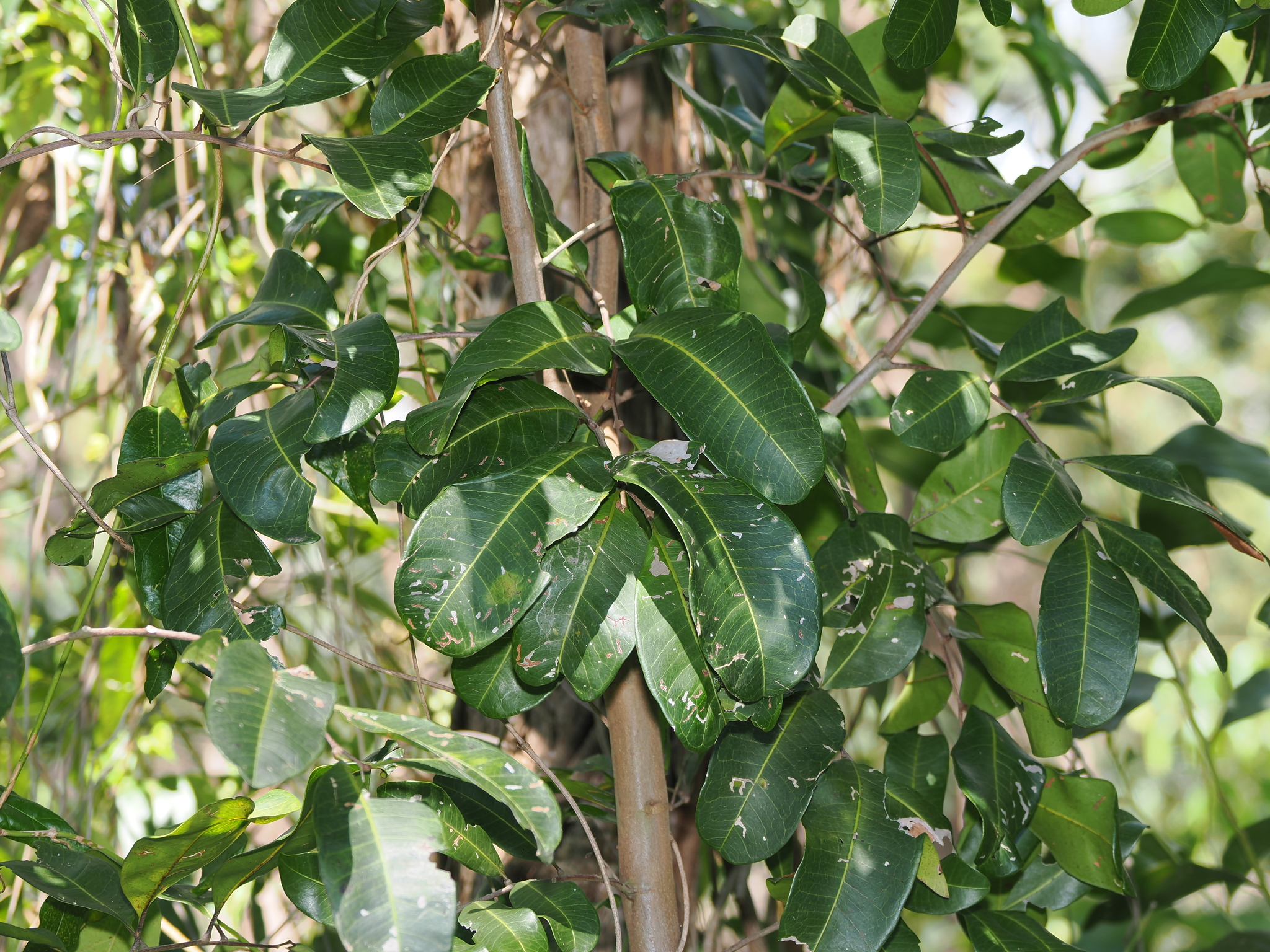
Carrotwood
Cupaniopsis anacardioides
☀️ Full Sun 💧 Moderate

Devil Maple
Acer diabolicum
☀️ Partial Sun 💧 Moderate

Field Maple
Acer campestre
☀️ Full Sun 💧 Moderate
Fullmoon Maple
Acer japonicum
☀️ Partial Shade 💧 Moderate

Golden Rain Tree
Koelreuteria paniculata
☀️ Full Sun 💧 Low

Hairy Bird’s Eye
Alectryon tomentosus
☀️ Partial Sun 💧 Moderate

Himalayan Horse-Chestnut
Aesculus indica
☀️ Full Sun 💧 Moderate

Horse Chestnut
Aesculus hippocastanum
☀️ Full Sun 💧 Moderate

Japanese Maple
Acer palmatum
☀️ Partial Shade 💧 Moderate

Longan
Dimocarpus longan
☀️ Full Sun 💧 Moderate

Lychee
Litchi chinensis
☀️ Full Sun 💧 Moderate

Montpellier Maple
Acer monspessulanum
☀️ Full Sun 💧 Low

Norway Maple
Acer platanoides
☀️ Full Sun 💧 Moderate

Paperbark Maple
Acer griseum
☀️ Full Sun 💧 Moderate

Rambutan
Nephelium lappaceum
☀️ Full Sun 💧 High

Red Buckeye
Aesculus pavia
☀️ Partial Shade 💧 Moderate
Red Maple
Acer rubrum
☀️ Full Sun 💧 High
Silver Maple
Acer saccharinum
☀️ Full Sun 💧 High

Soapnut
Sapindus mukorossi
☀️ Full Sun 💧 Moderate

Spanish Lime
Melicoccus bijugatus
☀️ Full Sun 💧 Moderate
Common Questions
What plants belong to the Sapindaceae family?
The Sapindaceae family includes maples, horse-chestnuts, lychees, rambutans, longans, and soapnuts across 138 genera. These plants range from cold-hardy northern shade trees to tropical fruiting trees.
Are Sapindaceae plants toxic to pets?
Some members of the Sapindaceae family contain toxic compounds, such as aesculin in horse-chestnuts and high saponin levels in soapnut seeds, which cause gastrointestinal upset if eaten by dogs or cats. However, the flesh of edible fruits like lychee and longan is non-toxic.
How do you identify plants in the Sapindaceae family?
You can identify Sapindaceae plants by their palmate or pinnately compound leaves, small clusters of yellow or white flowers, and distinctive fruits like winged samaras, spiky capsules, or soft-husked drupes.