
The strychnine tree (Strychnos nux-vomica) is a medium-sized deciduous tree native to open forest habitats across India and Southeast Asia. It belongs to the family Loganiaceae and is recognised primarily for producing highly toxic seeds containing the alkaloids strychnine and brucine.
This species is strictly a wild and botanical specimen rather than a garden subject, owing to the extreme danger posed by every part of the plant. Handling any tissue requires strict precautions due to the rapid-acting neurotoxins concentrated within the round, button-like seeds.
Key Facts
- Native Range: India and Southeast Asia
- Plant Type: Deciduous tree
- Height: Up to 15 m (50 ft)
- Toxicity: Extremely toxic to humans and animals
- Key Compound: Strychnine and brucine
Where Does the Strychnine Tree Grow?
Strychnos nux-vomica grows naturally in open deciduous forests and dry lowland regions throughout tropical Asia. Wild populations occur extensively across India, Sri Lanka, Thailand, and northern regions of Australia where tropical savanna climates prevail.
- Prefers open, sun-lit habitats rather than dense jungle canopies.
- Thrives in tropical regions with distinct wet and dry seasonal cycles.
- Adapts to poor, rocky, or well-drained loamy soils in its native range.
The tree is rarely cultivated outside botanical gardens and specialized research arboretums due to safety concerns. Attempting to grow the species outside USDA zones 10 to 12 requires heated greenhouse conditions.
Identifying the Strychnine Tree
The strychnine tree reaches a mature height of 10 to 15 m (33 to 50 ft) with a crooked, short trunk and rough grey bark. Its branches are irregular and covered in smooth, dark green twigs.
- Leaves: Ovate, opposite, glossy green, measuring 5 to 9 cm (2 to 3.5 in) long with prominent basal veins.
- Flowers: Small, greenish-white tubular blossoms appearing in terminal clusters during cool months.
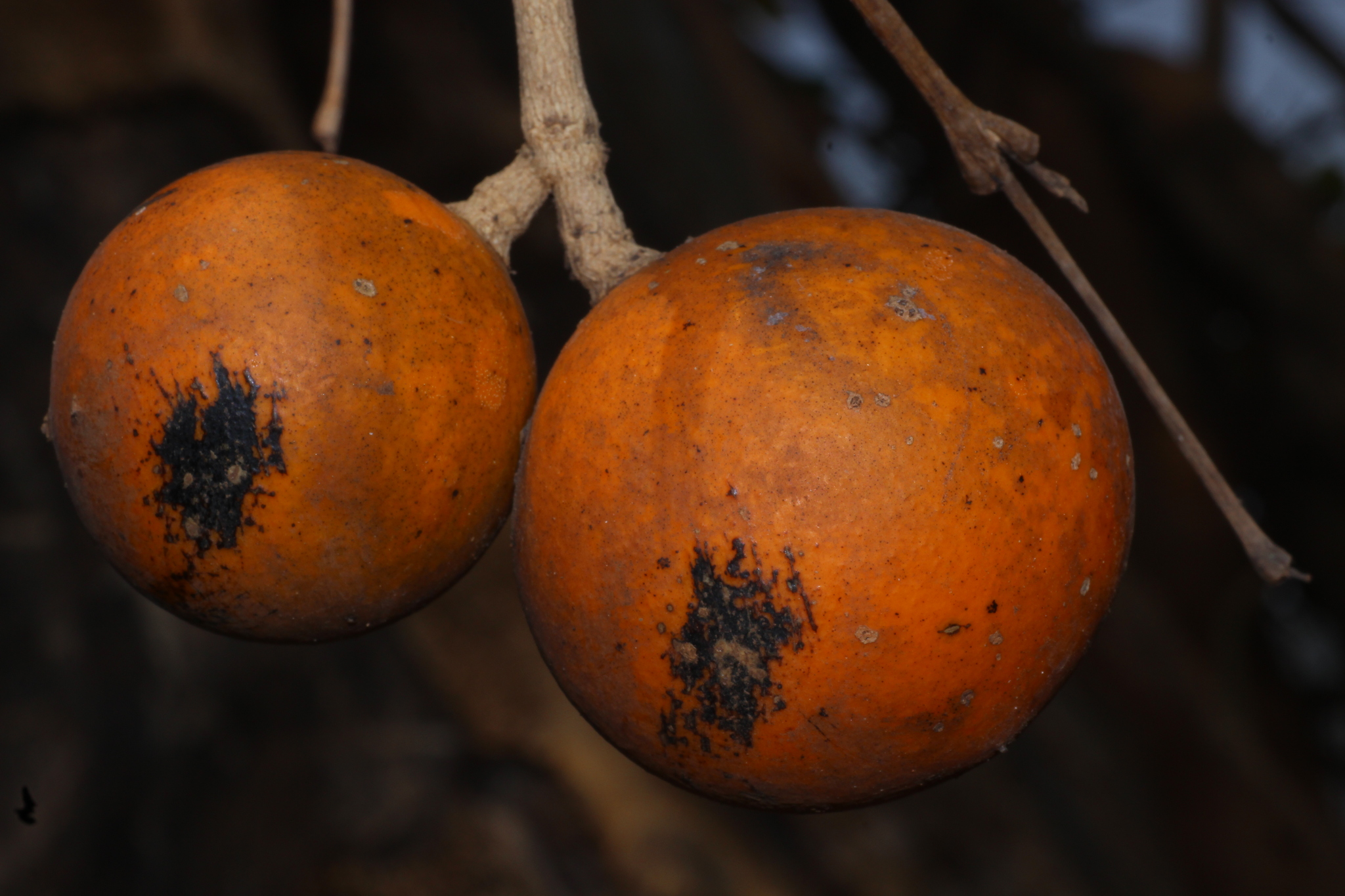
- Fruit: Globular berries about 5 cm (2 in) in diameter that ripen from green to a vibrant orange-yellow shell.
- Seeds: Disc-shaped, silky-hairy seeds embedded in a pulpy interior, commonly known as quaker buttons.
The distinctive disc-shaped seeds have a satiny sheen created by fine hairs radiating from the center. These seeds possess an extremely bitter taste and are the primary commercial source of extracted strychnine.
Habitat and Ecology
Strychnos nux-vomica inhabits secondary forests, scrublands, and deciduous woodlands where it competes with other drought-tolerant tropical trees. Its deep root system allows it to survive extended dry periods lasting several months.
- Acts as a resilient survivor in nutrient-poor soils and disturbed landscapes.
- Produces toxic chemical defenses that deter most generalist mammalian herbivores.
- Relies on tropical birds and small mammals to disperse seeds despite their high toxicity.
The ecological success of the tree stems largely from its chemical arsenal. Few insects or animals consume living tissue, reducing foliage damage during vulnerable growing phases.
Conservation Status
Strychnos nux-vomica is not currently listed as threatened or endangered on the IUCN Red List. Wild populations remain stable across vast expanses of India and Southeast Asia.
- Widespread distribution across multiple countries prevents immediate extinction risks.
- Local harvesting for alkaloid extraction occurs in specific regions without causing catastrophic population collapse.
- Habitat fragmentation from agriculture represents the primary localized threat to native stands.
Because the tree produces abundant viable seed and sprouts readily from rootstock, populations recover relatively quickly after minor disturbances.
What Is the Strychnine Tree Used For?
Strychnos nux-vomica is historically known as the industrial and medicinal source of strychnine, a potent convulsant alkaloid. Modern uses are tightly restricted to controlled laboratory settings and commercial pest management.
- Processed to extract strychnine and brucine for chemical research and rodenticide manufacturing.
- Utilized in traditional Asian medical systems under strict, highly diluted historical preparations.
- Valued in timber trade minimally for hard, durable wood, though rarely harvested due to toxicity risks.
Raw plant material is never used in home herbalism or general horticulture. Ingestion of any plant part leads rapidly to severe muscle spasms, respiratory failure, and death.
Similar Trees and Look-Alikes
Strychnos nux-vomica shares certain leaf arrangements with other tropical genera, making careful botanical verification essential. Confusion with harmless fruit-bearing trees can prove fatal.
- Strychnos potatorum: The clearing nut tree, featuring similar opposite leaves but non-toxic seeds used to purify water.
- Strychnos innocua: An African relative possessing edible fruits without the lethal alkaloids found in Asian species.
- Strychnos ignatii: St. Ignatius bean, producing similar seeds containing even higher concentrations of strychnine.
Distinguishing species within the genus Strychnos requires examining seed morphology and chemical alkaloid profiles. Never consume wild tropical berries or seeds without definitive identification by an expert botanist.
Frequently Asked Questions
What plant does strychnine come from?
Strychnine comes primarily from the seeds of Strychnos nux-vomica, a deciduous tree native to India and Southeast Asia.
Why is strychnine poisonous?
Strychnine is a powerful neurotoxin that blocks glycine receptors in the spinal cord, causing uncontrolled muscle contractions and asphyxiation.
Where does the strychnine tree grow in Australia?
Strychnos nux-vomica occurs sparingly in tropical northern regions of Australia, often as an introduced or naturalized botanical specimen.
What is the fruit of the strychnine tree like?
The fruit is a round, orange-yellow berry about 5 cm (2 in) across containing disc-shaped, highly poisonous seeds.
How is the strychnine tree pronounced?
Strychnos nux-vomica is pronounced STRIK-nos nuks VOM-i-kuh, following standard botanical Latin conventions.
Information about traditional or historical uses is provided for educational interest only and is not medical advice. Do not use any plant to treat a condition without speaking to a qualified professional.
Sources & Verification
Taxonomy and distribution are checked against the databases below. Care guidance is written for cultivated species only and reviewed by our editor. How We Build Plant Profiles →