Boraginaceae Family Plants List with Common Names
14 plant profiles · Discover plants in the Boraginaceae family, including Borage, Comfrey, and Forget-Me-Nots. Learn to identify these bristly, blue-flowering species.
Members of the Boraginaceae family, commonly known as the borage or forget-me-not family, are most easily identified by their stiff, bristly hairs and flowers that often change from pink to blue as they age. These plants typically produce nectar-rich blossoms arranged in a coiled cluster known as a scorpioid cyme, which gradually unfurls like a scorpion's tail. You will find these species across temperate regions, often thriving in disturbed soils or rocky coastal cliffs.
When choosing between these species, consider your garden's moisture levels and light. For damp, shaded spots, Siberian Bugloss (Brunnera macrophylla) and Lungwort (Pulmonaria officinalis) provide reliable ground cover with their broad, often spotted leaves. If you have a sunny, well-drained vegetable patch, Borage (Borago officinalis) attracts pollinators while Comfrey (Symphytum officinale) can be harvested for organic fertiliser. For vertical drama in dry soils, the biennial Tower of Jewels (Echium wildpretii) can reach heights of 3 m (10 ft) in its second year.
While many species are garden favourites, others are found in the wild or specialized habitats. Viper’s Bugloss (Echium vulgare) is a drought-tolerant wildflower that colonises chalky soils, whereas the rare Oysterleaf (Mertensia maritima) grows on northern shingle beaches and tastes like seafood. You might also encounter Wood Forget-Me-Not (Myosotis sylvatica) in woodland clearings or Mountain Bluebells (Mertensia ciliata) near subalpine streams. Most family members share a preference for neutral to alkaline soil pH and require minimal intervention once their deep taproots are established.

Borage
Borago officinalis
☀️ Full Sun 💧 Moderate
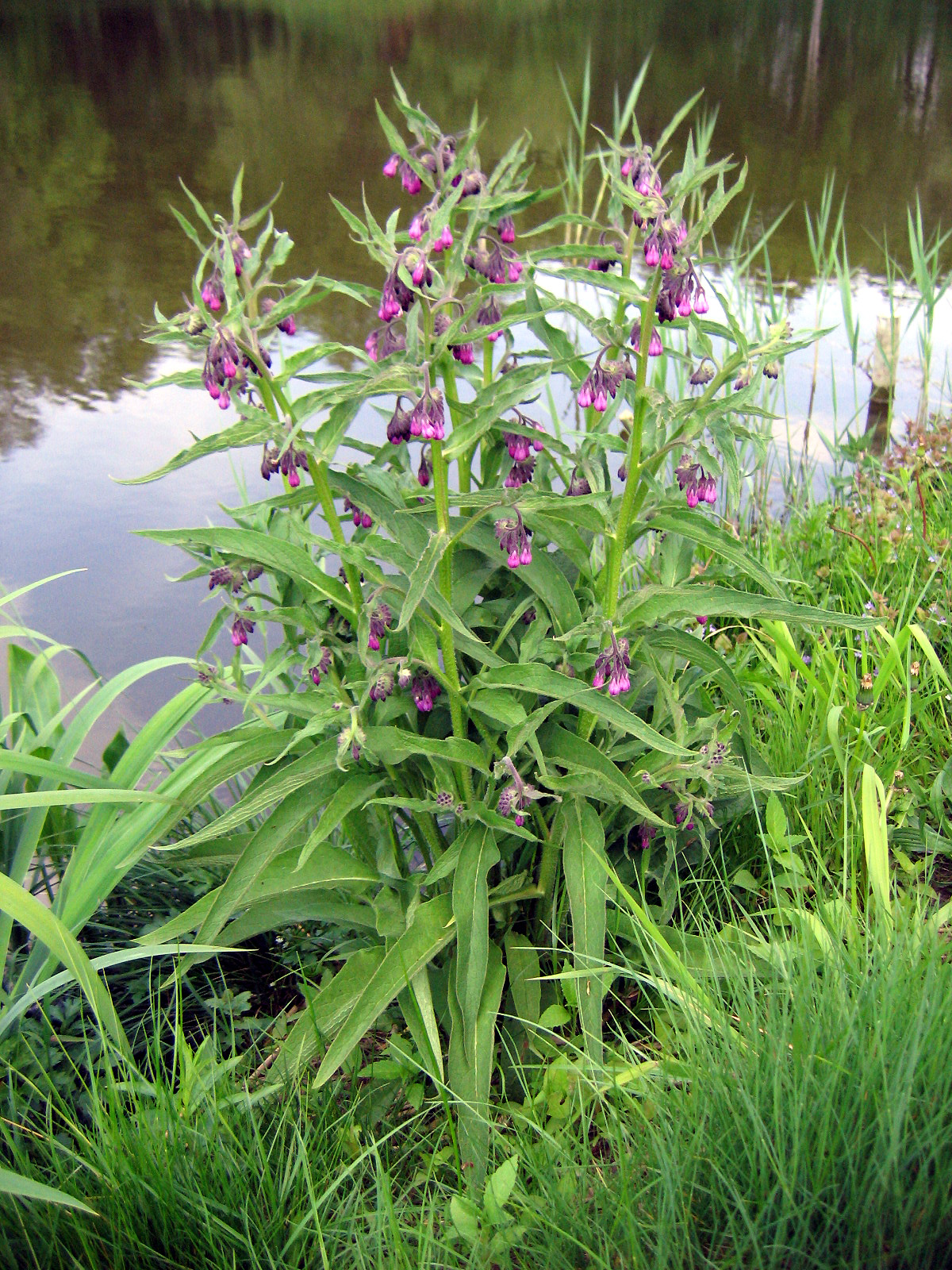
Comfrey
Symphytum officinale
☀️ Full Sun 💧 Moderate

Common Houndstongue
Cynoglossum officinale

Corn Gromwell
Buglossoides arvensis
☀️ Full Sun 💧 Low

Creeping Gromwell
Glandora prostrata
☀️ Full Sun 💧 Moderate
Dyer’s Alkanet
Alkanna tinctoria
☀️ Full Sun 💧 Low

German Madwort
Asperugo procumbens
☀️ Full Sun 💧 Moderate
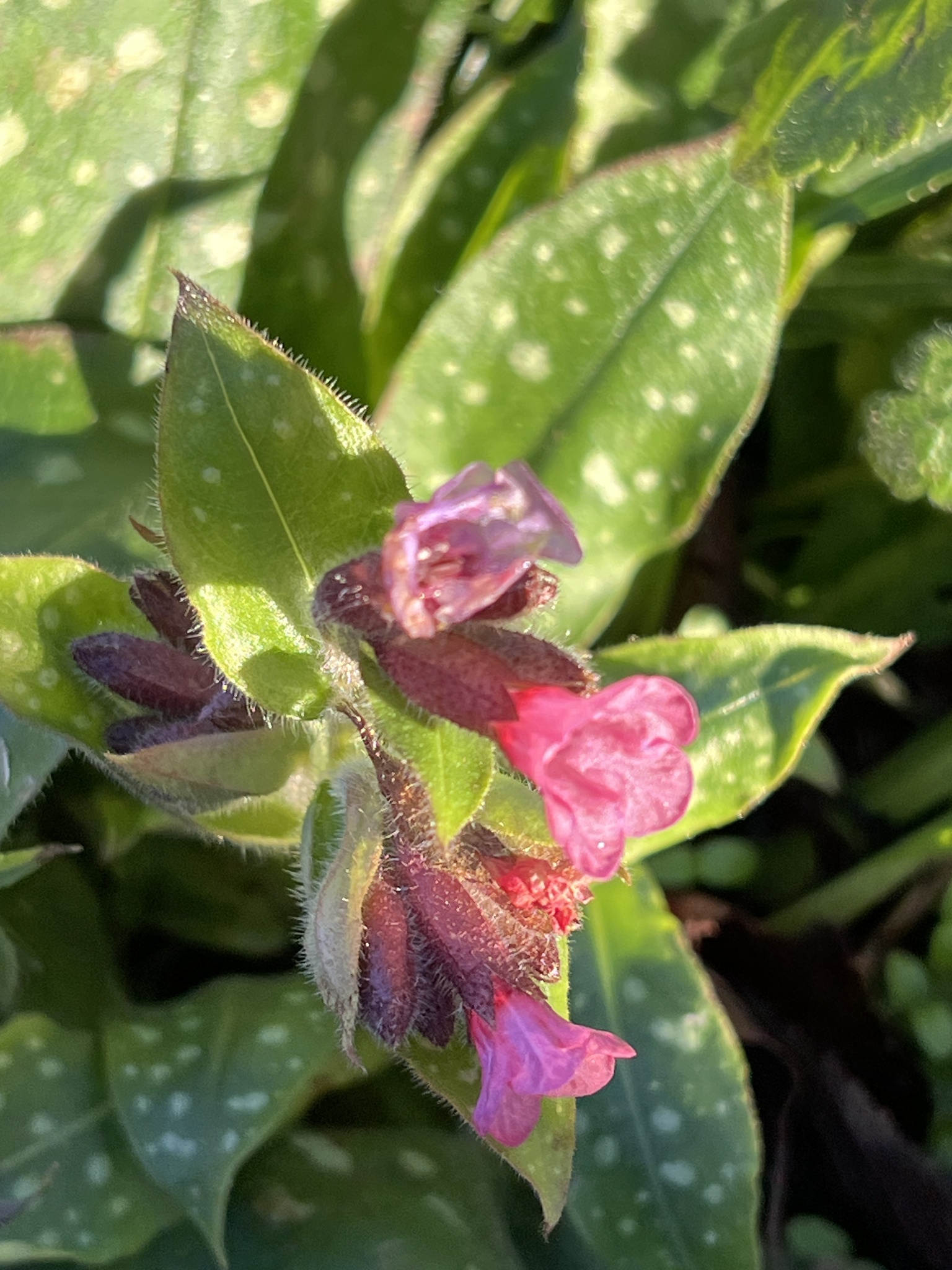
Lungwort
Pulmonaria officinalis
☀️ Partial Shade 💧 High

Mountain Bluebells
Mertensia ciliata
☀️ Partial Shade 💧 High

Oysterleaf
Mertensia maritima
☀️ Full Sun 💧 Low

Siberian Bugloss
Brunnera macrophylla
☀️ Partial Shade 💧 Moderate

Tower of Jewels
Echium wildpretii
☀️ Full Sun 💧 Low
Viper’s Bugloss
Echium vulgare

Wood Forget-Me-Not
Myosotis sylvatica
☀️ Partial Shade 💧 Moderate
Common Questions
What are the main characteristics of the Boraginaceae family?
Plants in this family typically feature alternate, simple leaves covered in rough hairs and five-petalled flowers arranged in coiled clusters. Most species, such as Borage and Forget-Me-Nots, produce blue or purple blooms that are highly attractive to bees due to their high nectar content.
Are plants in the Boraginaceae family toxic?
Many members of this family contain pyrrolizidine alkaloids, which can cause liver damage if ingested in large quantities. While Borage is used in salads, other species like Common Houndstongue (Cynoglossum officinale) are generally avoided by livestock and should not be consumed by humans.
Why do Boraginaceae flowers change colour?
The colour change from pink to blue is caused by a shift in the cell sap pH as the flower matures. This signal often tells pollinators which flowers have already been pollinated and no longer contain nectar, a trait common in Lungwort and Viper's Bugloss.