Plants in the Geranium Family (Geraniaceae)
14 plant profiles · Discover the Geraniaceae family, from hardy meadow cranesbills to aromatic pelargoniums. Learn to identify these plants by their unique bird-beak seed pods.
The Geraniaceae family consists of roughly 800 species across five genera, though most gardeners focus on the "Big Three": Geranium, Pelargonium, and Erodium. These plants are united by a unique seed dispersal mechanism where the fruit matures into a long, five-parted column. This structure resembles the neck and beak of a bird, giving rise to common names like cranesbill, stork's-bill, and heron's-bill. While they share this botanical trait, their garden roles vary significantly based on their native habitats, which range from temperate woodlands to South African hillsides.
Choosing the right plant in this family depends on your winter temperatures and light levels. True hardy geraniums, such as the Meadow Crane’s-Bill (Geranium pratense) and the shade-tolerant Dusky Crane’s-Bill (Geranium phaeum), are perennials that can survive temperatures below -15 °C (5 °F). In contrast, the popular summer "geraniums" are actually pelargoniums. The Zonal Geranium (Pelargonium zonale) and the trailing Ivy Geranium (Pelargonium peltatum) provide constant summer colour but will die if exposed to frost.
You can also select plants for their sensory qualities. The Rose Geranium (Pelargonium graveolens) and Rose-Scented Geranium (Pelargonium capitatum) are prized for aromatic foliage that releases oils when touched. If you have a rock garden or dry border, the low-growing Bloody Cranesbill (Geranium sanguineum) offers deep red autumn foliage. For a dramatic architectural statement, the Giant Herb-Robert (Geranium maderense) produces a dome of pink flowers up to 1 m (3 ft) wide, though it only thrives in mild, frost-free coastal climates.

African Geranium
Pelargonium sidoides
☀️ Full Sun

Bigroot Geranium
Geranium macrorrhizum
☀️ Partial Shade 💧 Low

Bloody Cranesbill
Geranium sanguineum
☀️ Full Sun 💧 Low
Common Stork’s-Bill
Erodium cicutarium

Dusky Crane’s-Bill
Geranium phaeum
☀️ Partial Shade 💧 Moderate

Giant Herb-Robert
Geranium maderense
☀️ Partial Sun 💧 Moderate
Ivy Geranium
Pelargonium peltatum
☀️ Partial Sun 💧 Moderate

Long-Stalked Crane’s-Bill
Geranium columbinum

Meadow Crane’s-Bill
Geranium pratense
☀️ Full Sun 💧 Moderate
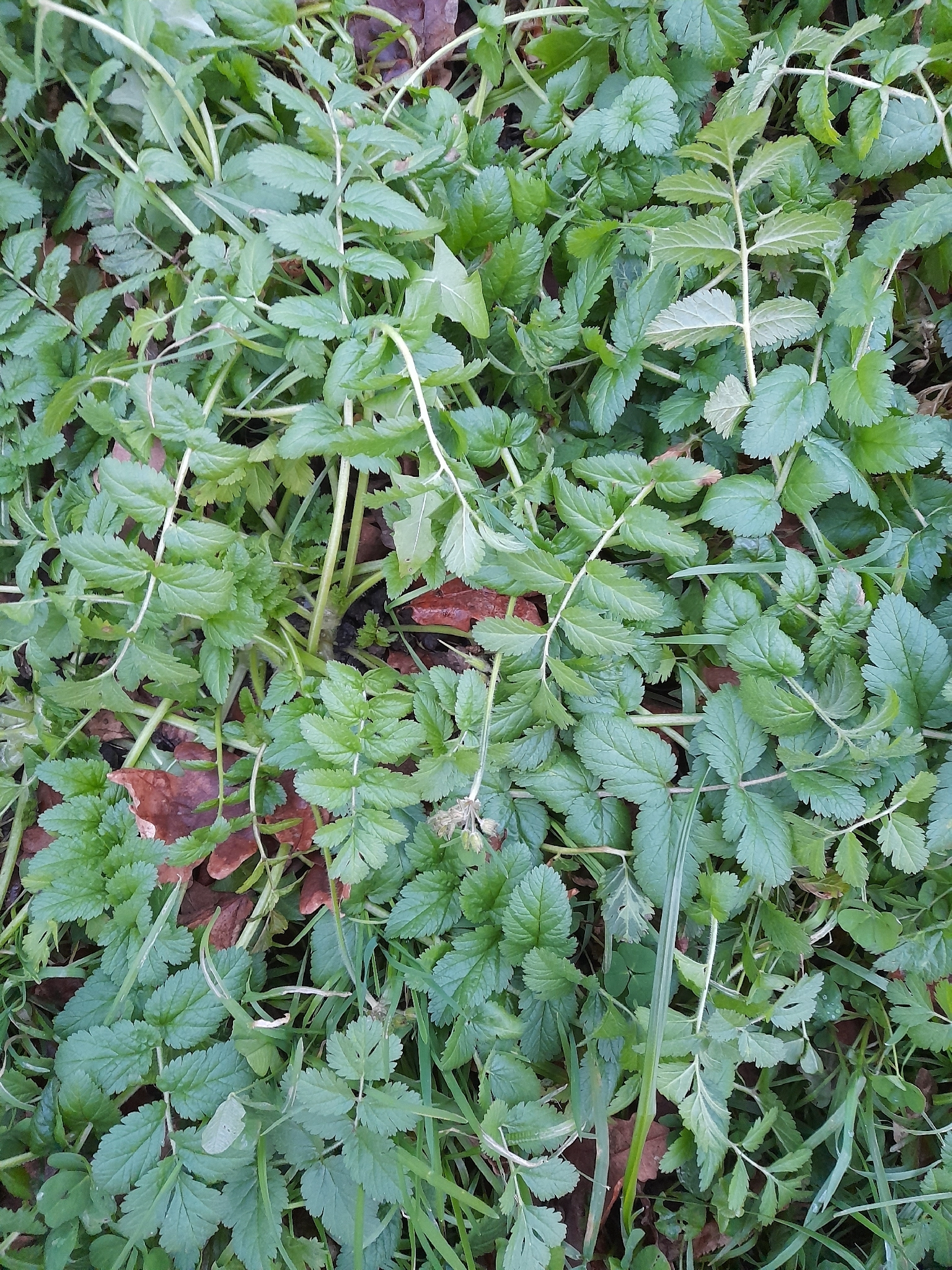
Musk Heron’s Bill
Erodium moschatum
Rose Geranium
Pelargonium graveolens
☀️ Bright Indirect 💧 Low
Rose-Scented Geranium
Pelargonium capitatum
☀️ Full Sun 💧 Low

Wood Cranesbill
Geranium sylvaticum
☀️ Partial Shade 💧 Moderate

Zonal Geranium
Pelargonium zonale
☀️ Full Sun 💧 Moderate
Common Questions
What is the difference between Geranium and Pelargonium?
True Geranium species are hardy perennials that survive frost and have symmetrical flowers, while Pelargonium species are tender plants with irregular flowers often grown as annuals.
Why are they called Crane's-Bills?
The name refers to the long, beak-like shape of the seed capsule that develops after the flower fades, which resembles the head and bill of a crane.
Are plants in the Geraniaceae family toxic to pets?
Most Pelargonium species contain essential oils like geraniol and linalool, which can cause skin irritation or vomiting in cats and dogs if ingested.
Do all Geraniaceae plants have scented leaves?
Only specific members, primarily within the Pelargonium genus, possess glandular hairs that release scents like rose, lemon, or peppermint when the foliage is brushed.